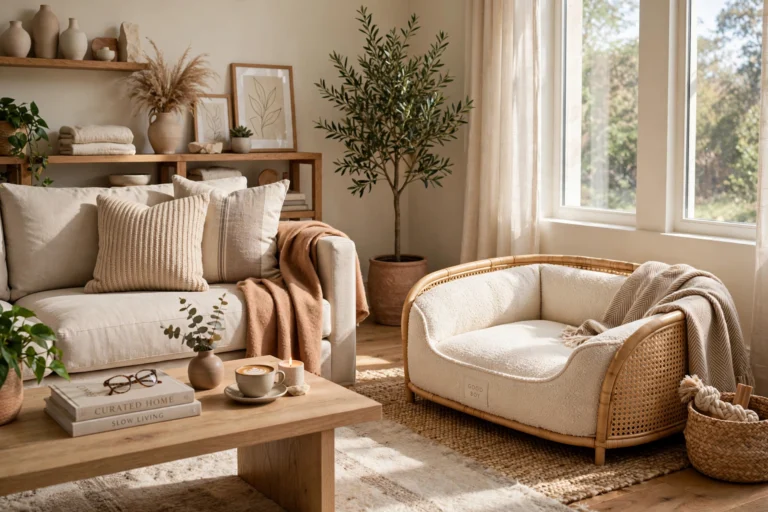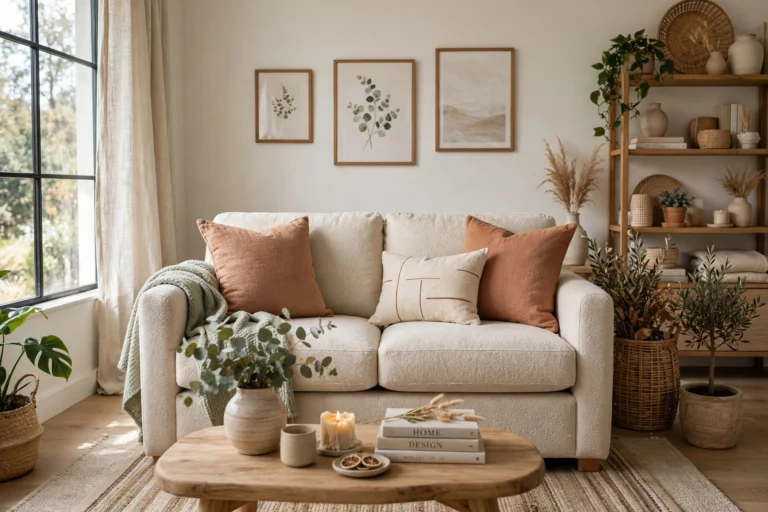

Toys multiply, living rooms do not. But banishing every block and doll to a distant playroom is not the answer either — kids play where the family is. The smartest living room toy storage ideas hide the clutter inside real furniture: ottomans that swallow a toy explosion, coffee tables with secret compartments, and cube units that look like design pieces until you open them. The room stays grown-up; the toys stay accessible.
The golden rule is concealment with convenience. If putting toys away takes more than ten seconds, kids will not do it — so every solution below opens easily, sits at child height where it matters, and closes to a clean, adult-looking surface. Aim for one generous hidden zone per toy category (blocks, art supplies, soft toys, games), and the living room can go from play chaos to calm in a single five-minute pickup.
1. The Storage Ottoman
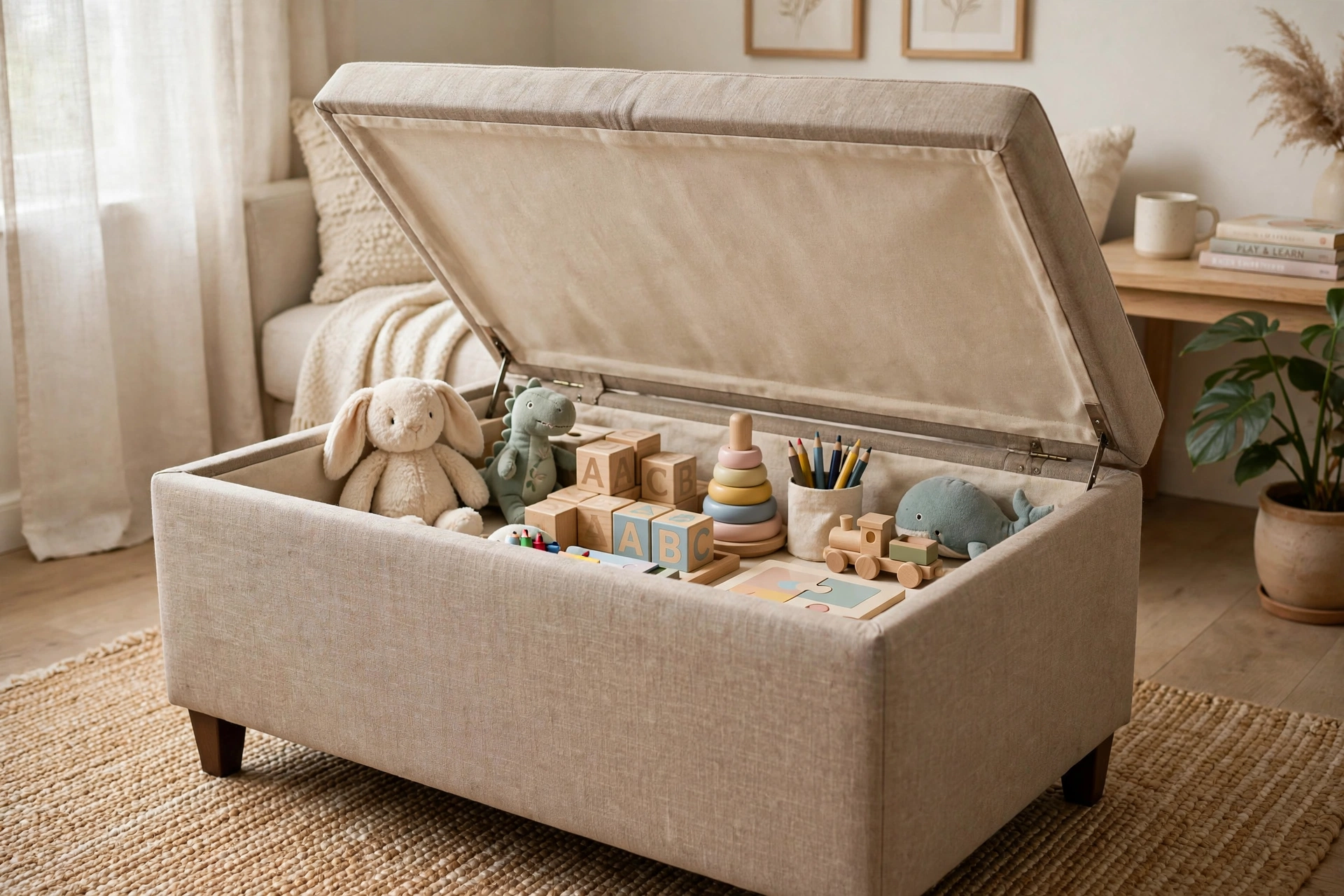
The storage ottoman is the hardest-working piece in a family living room: footrest, extra seat, side table with a tray on top — and a deep toy chest inside. Look for ottomans with at least 25–30cm of interior depth; shallower ones only swallow remotes. A hinged lid with a soft-close or stay-open mechanism is non-negotiable with small fingers around.
Choose a wipeable fabric — performance weave, faux leather, or outdoor-rated textile — since ottomans double as climbing frames. Rectangular ottomans around 90–110cm long hold a shocking volume of toys while still looking like intentional furniture. Position it as the coffee-table companion and the pickup becomes “toss it in the ottoman,” which even toddlers can manage.
2. Lift-Top Coffee Table
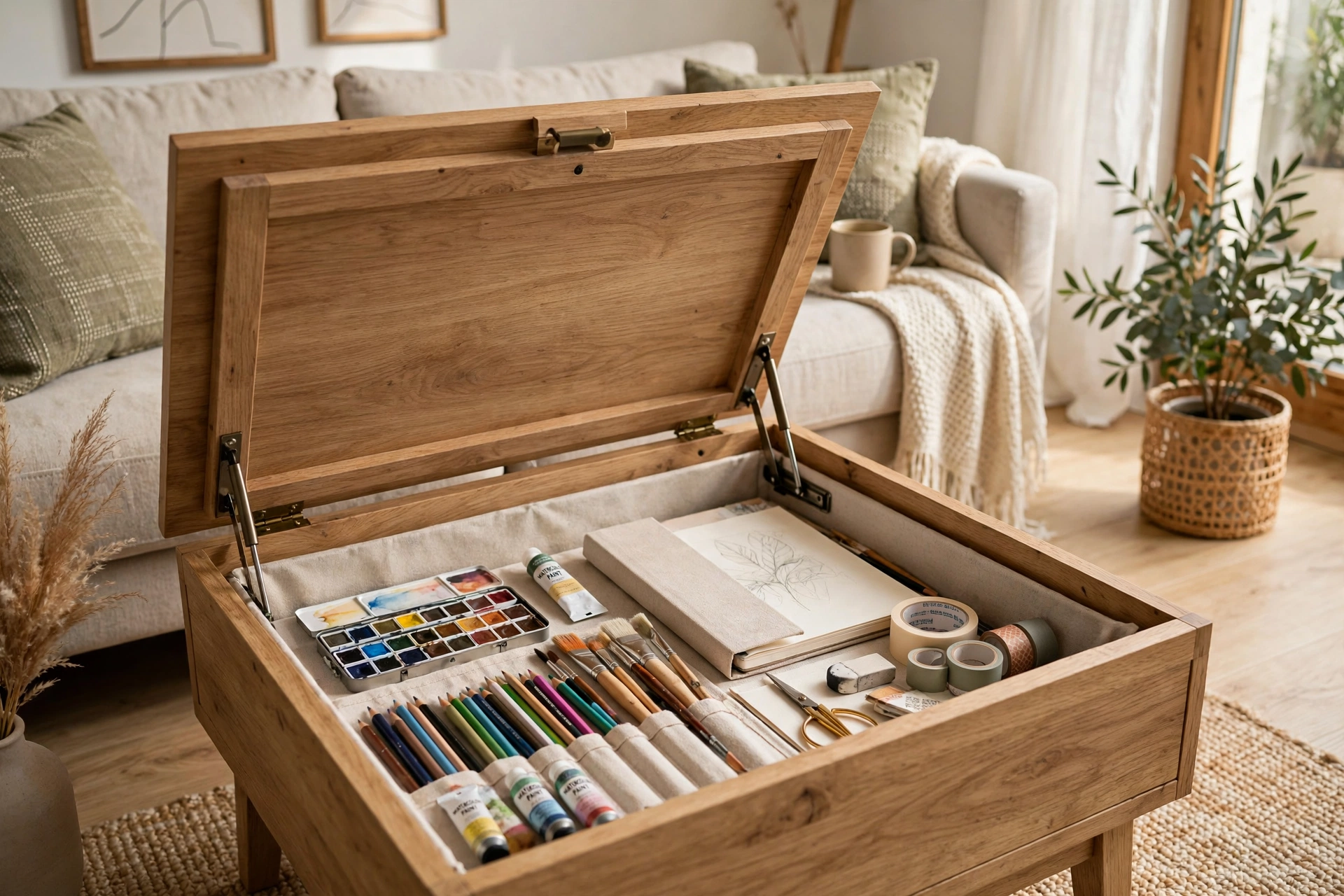
A lift-top coffee table gives you a hidden compartment under the tabletop plus a raised work surface for puzzles, coloring, or laptop time. The storage well — typically 12–18cm deep — is perfect for coloring books, sticker sheets, small games, and the Lego sets that migrate to the living room. The lifting mechanism should operate smoothly with one hand.
Check the weight rating of the lifted top if kids will lean on it, and confirm the hinges have pinch protection. When closed, the table looks entirely adult; styled with a tray and a low stack of books, nobody guesses its double life. For styling the surface once the toys are hidden, these coffee table decor ideas (https://gallaxyindoors.com/coffee-table-decor-ideas-that-elevate-your-living-room/) keep the top looking intentional.
3. Cube Unit With Fabric Bins
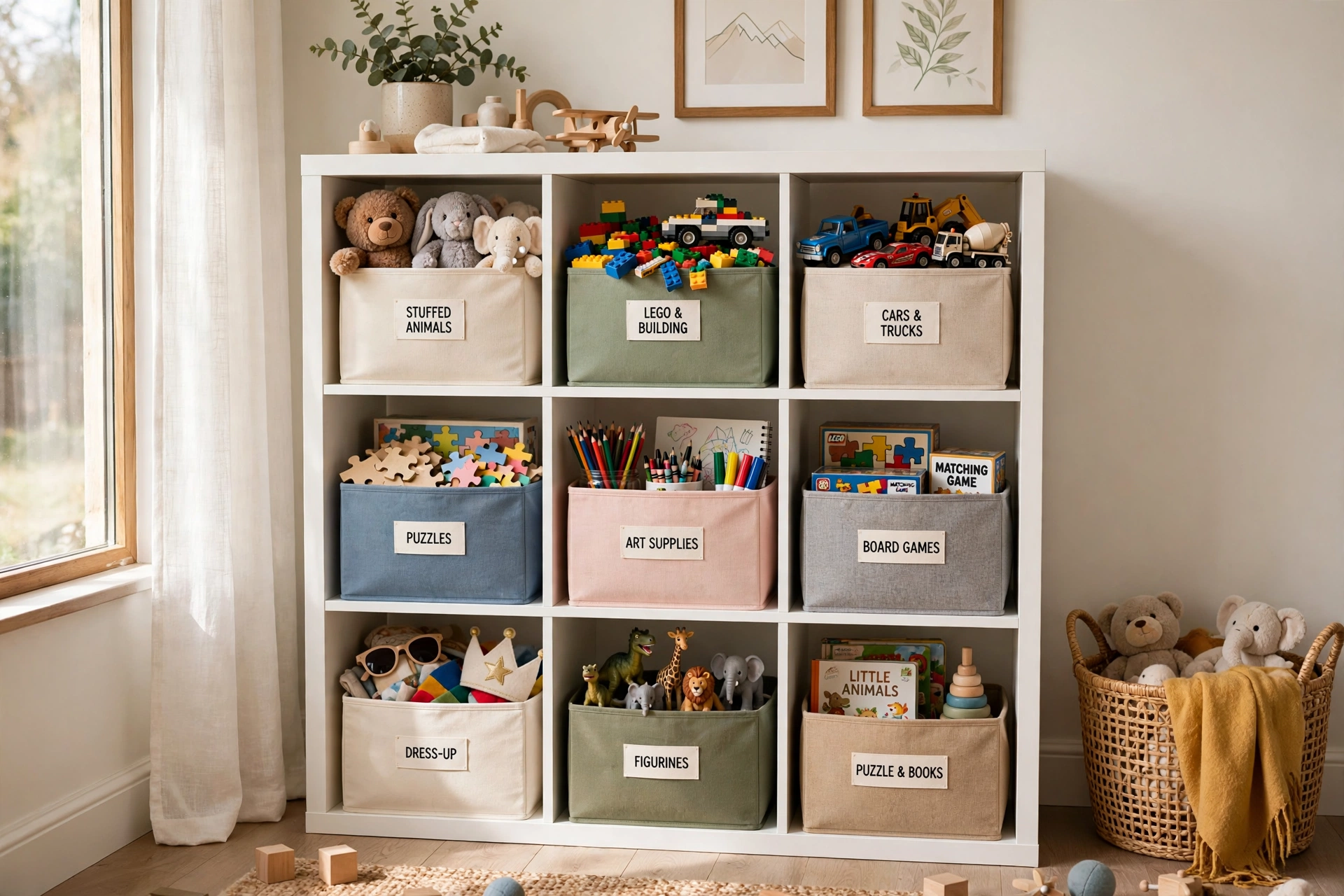
The cube shelving unit — four, eight, or more square compartments — is the classic toy-storage workhorse because it scales. Fill lower cubes with fabric bins or baskets for toys (child height, easy grab), and reserve upper cubes for adult decor: books, vases, framed photos. The eye reads the styled top half; the toy chaos stays contained below.
Standard cubes are about 33–38cm square, which fits most toy categories. Label bins with pictures for pre-readers — a photo of blocks on the block bin — so cleanup needs no adult supervision. Anchor tall units to the wall; a climbing toddler can tip an unsecured 4×4 unit. This is the highest-capacity option per square meter of floor space.
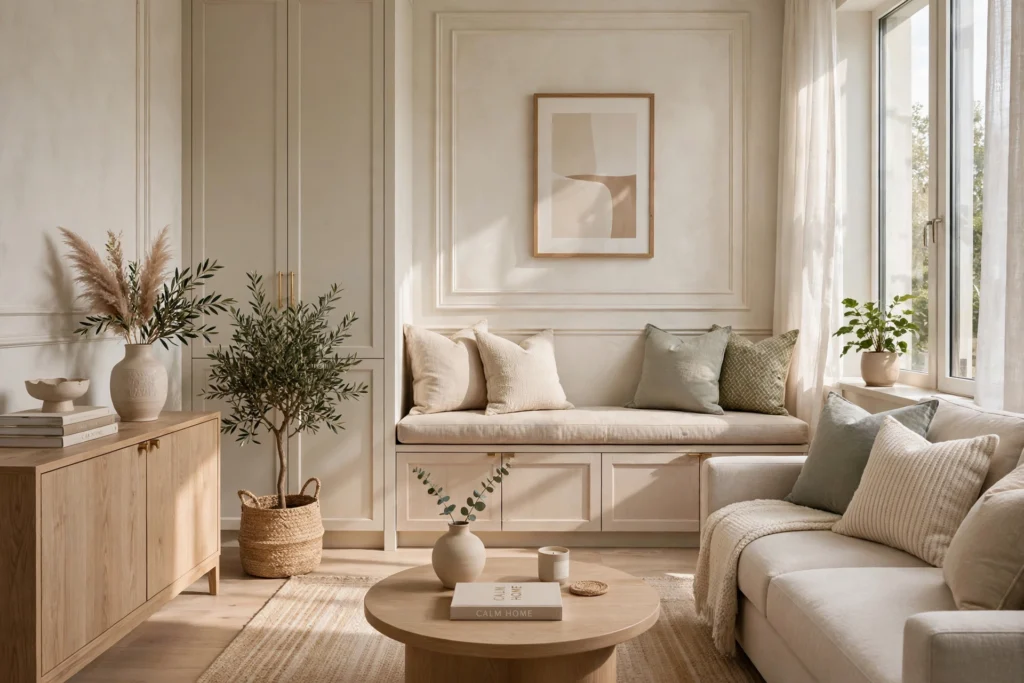
4. Window-Seat Bench With Cubbies
A built-in or freestanding window-seat bench with open cubbies underneath turns dead window-wall space into toy storage plus bonus seating. Each cubby (roughly 35cm square) holds a basket of toys, and the bench top — with a washable cushion — becomes the reading spot. Kids pull a basket out, play, and slide it back; the system practically runs itself.
If building in, leave a 5cm shadow gap at the floor for easy sweeping of crumbs and Lego escapees. Freestanding benches should be deep enough to sit on comfortably (40–45cm) while the cubbies stay accessible. Cushion covers must be removable and washable — window seats attract snacks. Our living room bench ideas (https://gallaxyindoors.com/living-room-bench-ideas-for-style-and-function/) include styles that adapt perfectly to toy duty.
5. Sideboard as a Toy Garage
A sideboard or credenza with deep drawers or cupboards is a toy garage in disguise — and one of the most adult-looking options here. Deep drawers (15cm+) swallow board games, art supplies, and dress-up clothes; cupboards with adjustable shelves handle bulkier items. From the outside, it is simply elegant dining-room-style furniture.
Add drawer dividers or small bins inside so drawers do not become toy soup. Soft-close drawer glides protect fingers and survive thousands of kid-powered slams. Position the sideboard along a wall the kids naturally pass — storage only works if it sits on the play traffic route, not in a formal corner nobody visits.
6. Hollow Pouf
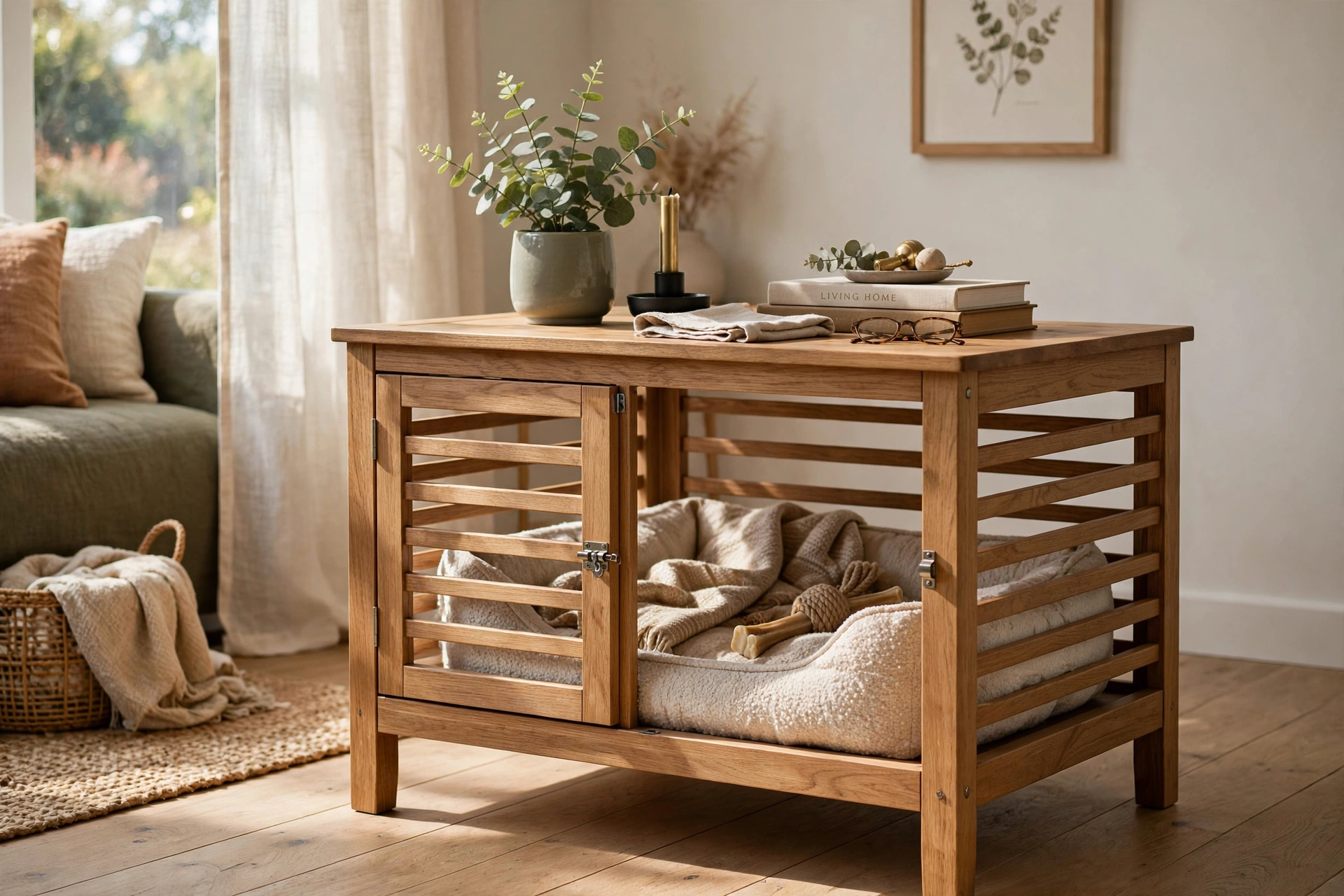
A hollow pouf — essentially a soft, lidded toy chest disguised as a floor cushion — is perfect for soft toys, dress-up capes, and stuffed animals. Kids can lift the lightweight lid themselves, and the pouf doubles as extra seating for little bottoms. Look for rigid internal structure so the pouf keeps its shape when half-empty.
Weight matters: the whole piece should be light enough for a child to move but stable enough not to tip when sat on. Wipeable covers are essential. Cluster two poufs of different heights for a playful look that still reads as decor. These are best for lightweight contents — save the wooden train sets for sturdier furniture.
7. Toy Storage Inside the TV Console
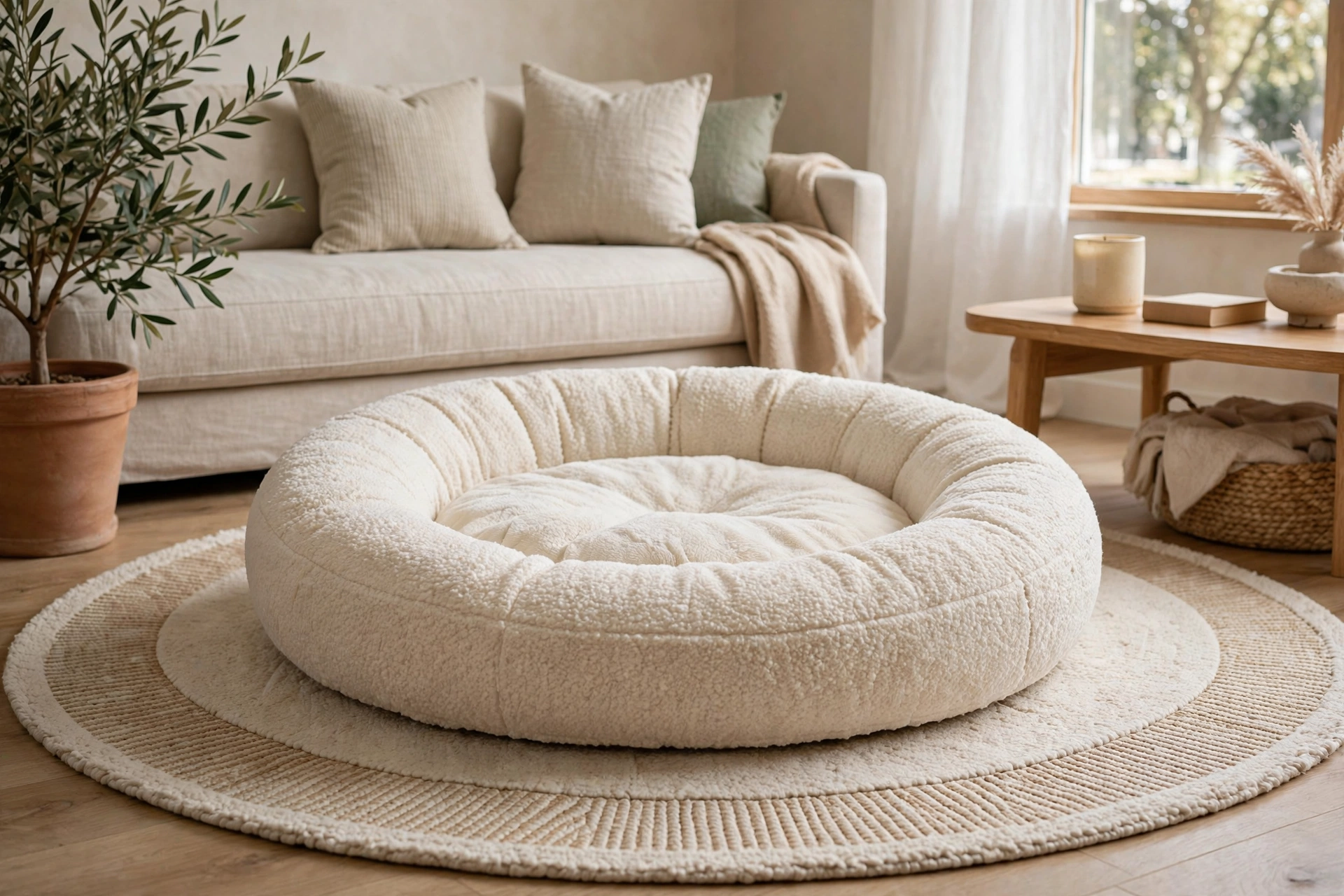
The TV console’s closed cabinets are prime hidden real estate. Dedicate one or two compartments to toys — gaming controllers, DVDs, the basket of fidget toys — behind doors that match the console’s finish. Add small bins inside so the cabinet does not become a jumble, and keep cables completely separate in another compartment.
Childproof the doors if toddlers are in the house, but choose latches adults can open one-handed — you will be reaching for the controllers nightly. Ventilated backs matter if consoles or chargers share the space; heat and enclosed toy storage do not mix. When the doors close, the media wall looks serene and entirely grown-up.
8. Rolling Drawers Under the Sofa
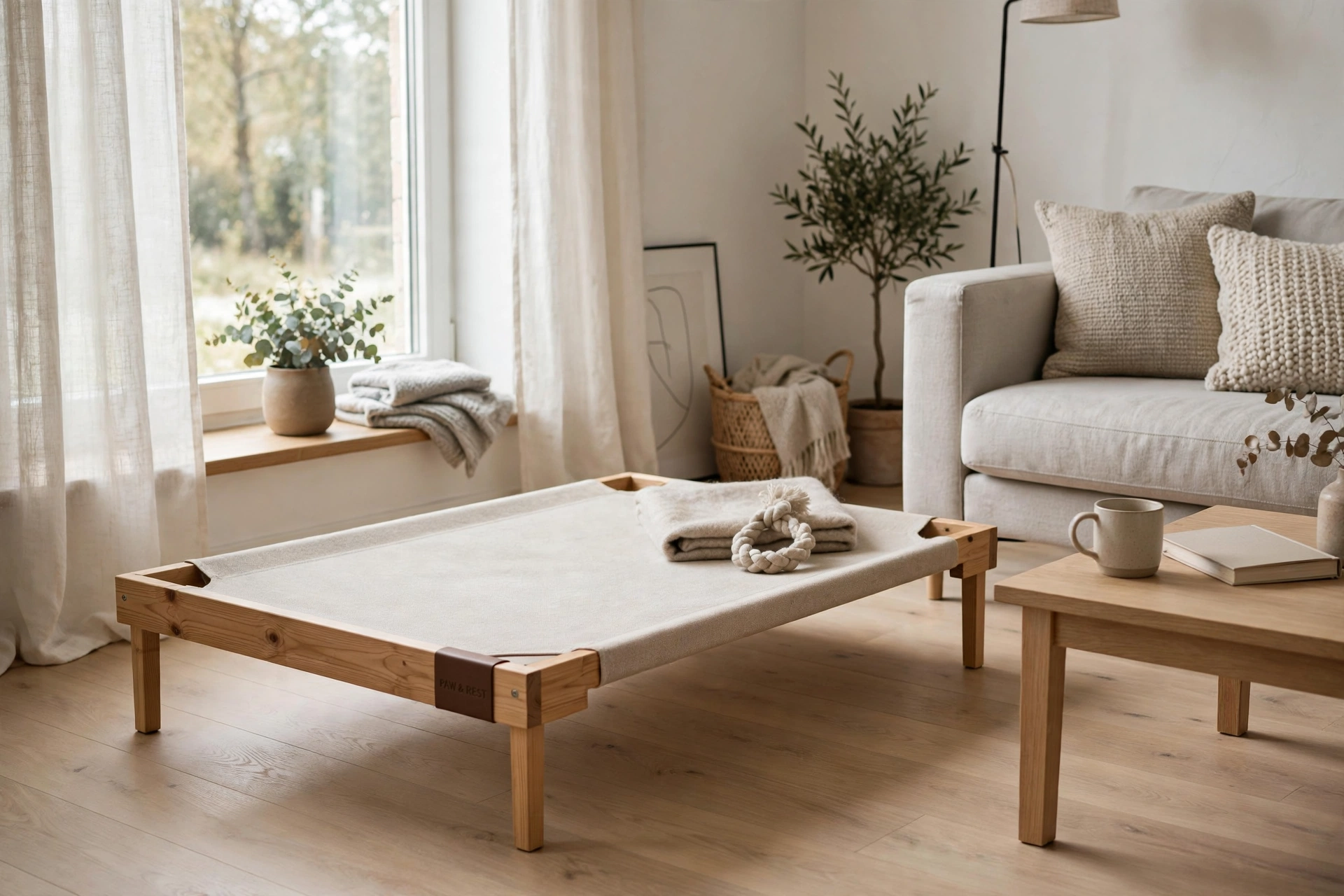
The space under most sofas — typically 10–15cm of clearance — fits slim rolling drawers or flat bins perfectly. These are ideal for the flat toys that defy other storage: puzzles, coloring pads, train tracks, building baseplates. Kids roll them out, play on the floor, and roll them back; the mess never even reaches eye level.
Measure your sofa’s exact clearance and leg positions before buying — drawers need 2cm of wiggle room. Choose bins with lids to keep dust out, and low-profile casters that will not scratch floors. This is invisible storage at its best: guests will never know the sofa hides a toy department.
9. Built-In Window Nook With Hidden Compartments
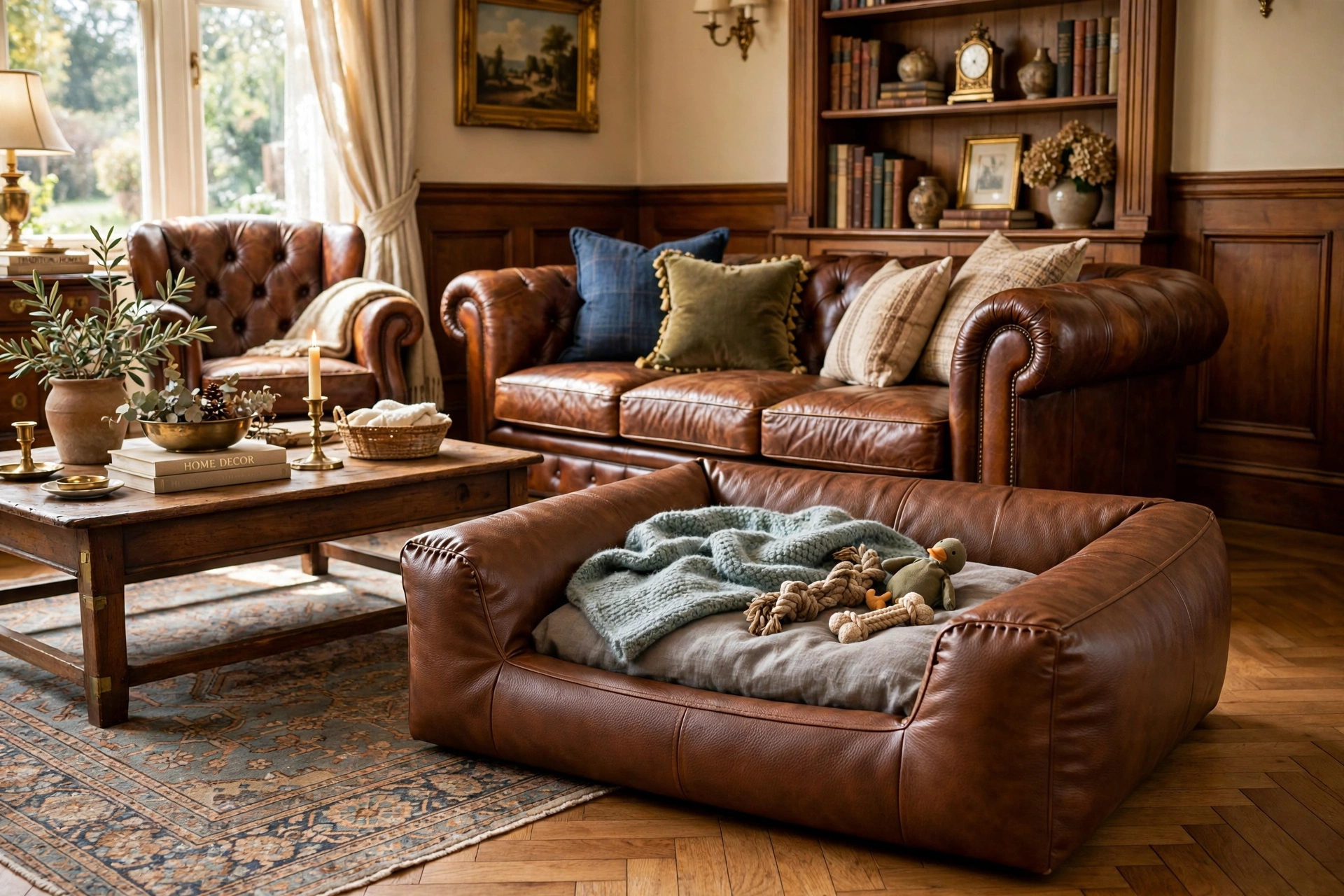
If you are renovating, a built-in window nook with lift-up seat compartments is the gold standard. The seat lifts on sturdy hinges to reveal deep storage for bulky toys — ride-ons, dollhouses, big Lego bins — while the nook itself becomes the kids’ favorite reading spot. Build the compartments 35–45cm deep to earn their keep.
Hinges must be counterbalanced or soft-close; a heavy lid and small fingers are a bad combination. Ventilate the compartments with small drilled holes so stored plush toys do not get musty. This is a bigger project, but it adds genuine value to the home while solving toy storage permanently. No freestanding piece matches a built-in for capacity per footprint.
10. Pair of Storage Footstools
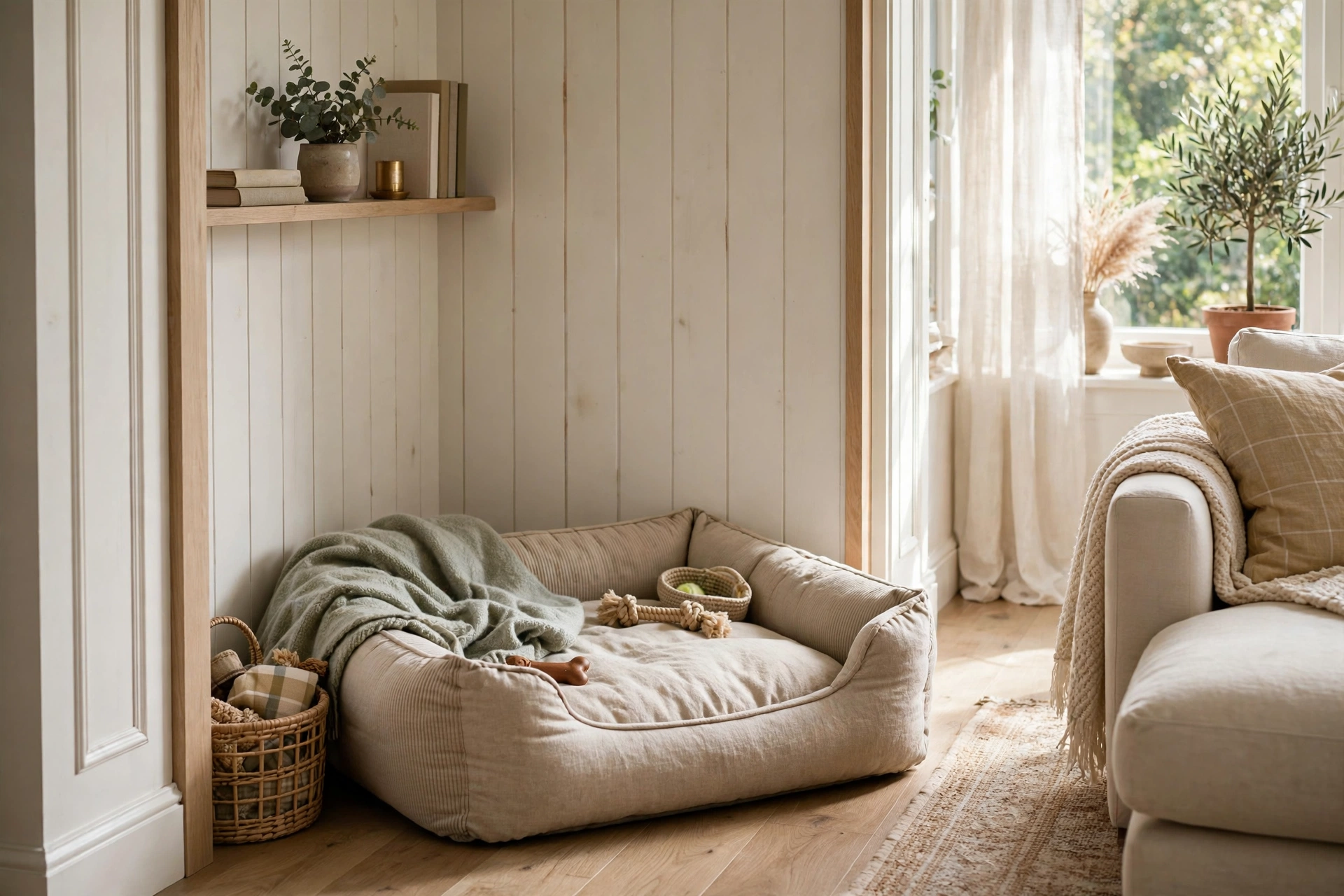
Two small storage footstools — one per child, or one per toy category — bring hidden storage right to the seating area. Each holds a surprising amount: one for art supplies, one for small figures. Kids carry “their” stool to wherever they are playing, which means toys travel in a container instead of scattered armfuls.
Look for stools around 40cm square with 20cm+ of interior depth and lids that lift off completely (simpler and safer than hinges for toddlers). Match them to your ottoman or sofa fabric so they read as a set. When playtime ends, the stools tuck against the sofa or under a console table and vanish.
11. Open Shelving With Labeled Bins
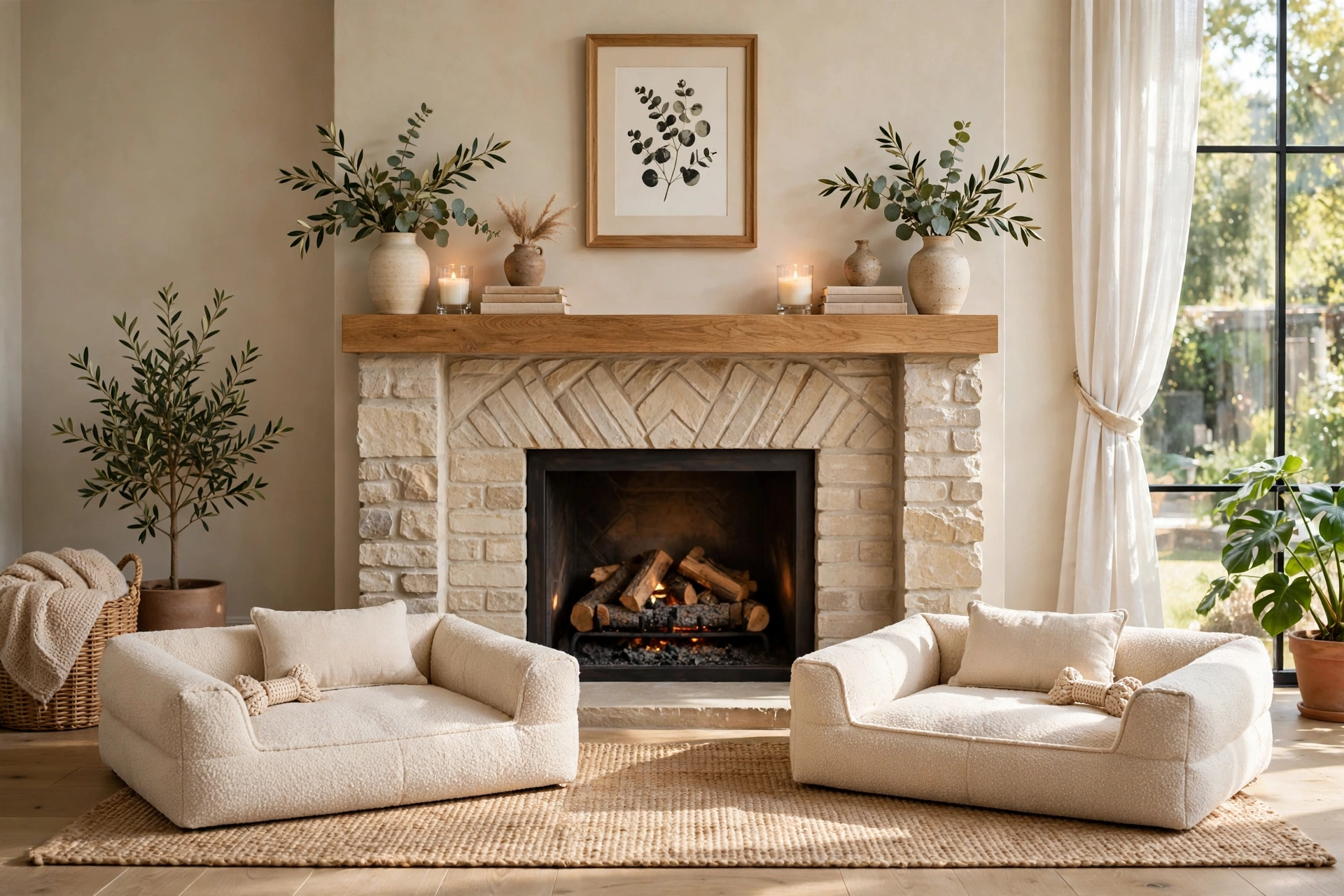
Not all toy storage needs doors. A low open shelving unit with uniform labeled bins looks tidy even with everything visible — the consistency of the bins does the visual work. Use identical bins in a neutral color so the shelf reads as texture, not clutter, and label each with words or pictures.
This system shines for the “display” toys kids want to see: the special Lego builds, the doll collection. Limit open storage to one unit; more than that and the room starts feeling like a classroom. Rotate the displayed toys monthly — the rotation keeps kids engaged with old toys and keeps the shelf looking fresh. Woven textures tie this look together beautifully, as our living room basket storage ideas (https://gallaxyindoors.com/living-room-basket-storage-ideas-for-tidy-natural-style/) demonstrate.
12. Behind-Sofa Console With Baskets
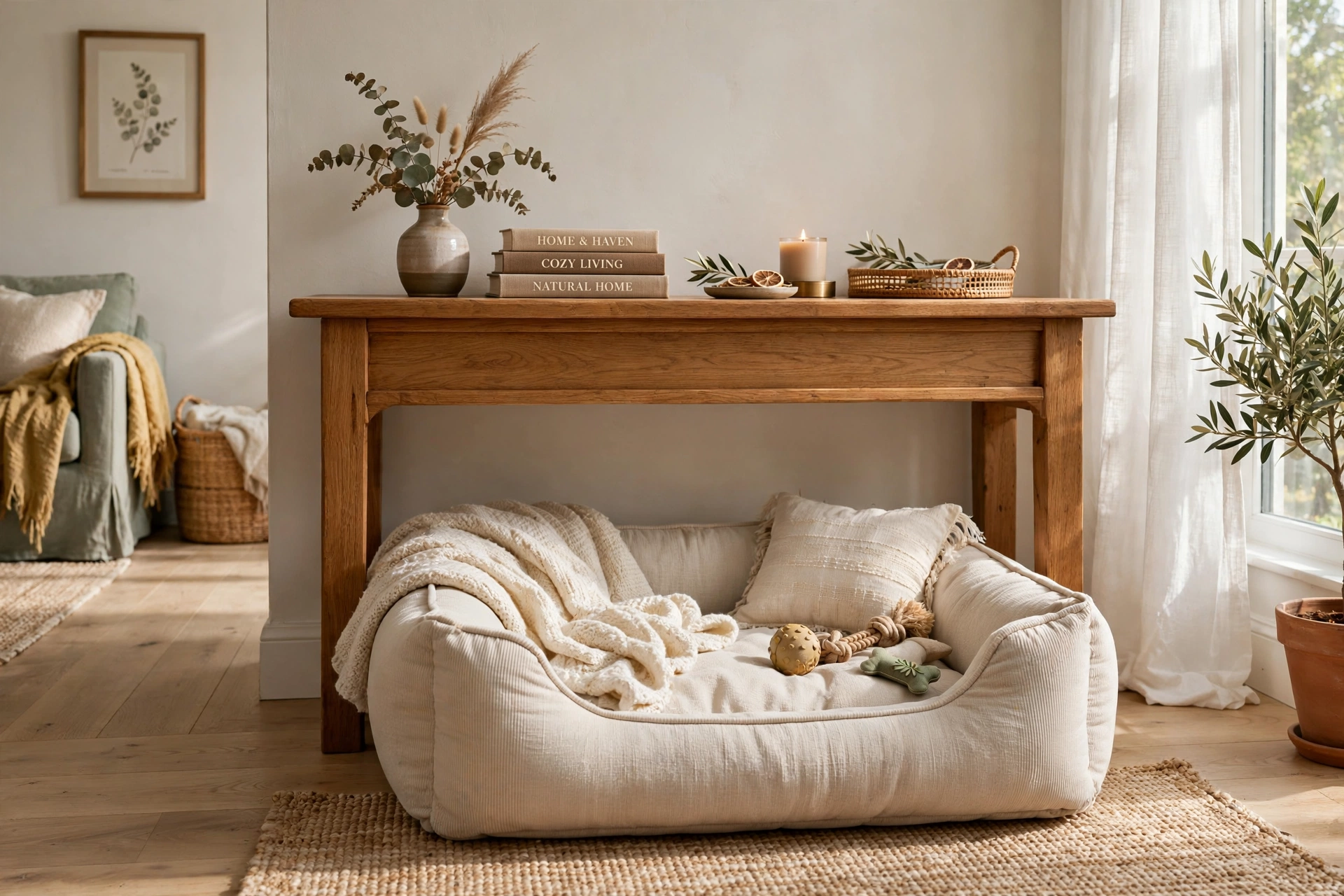
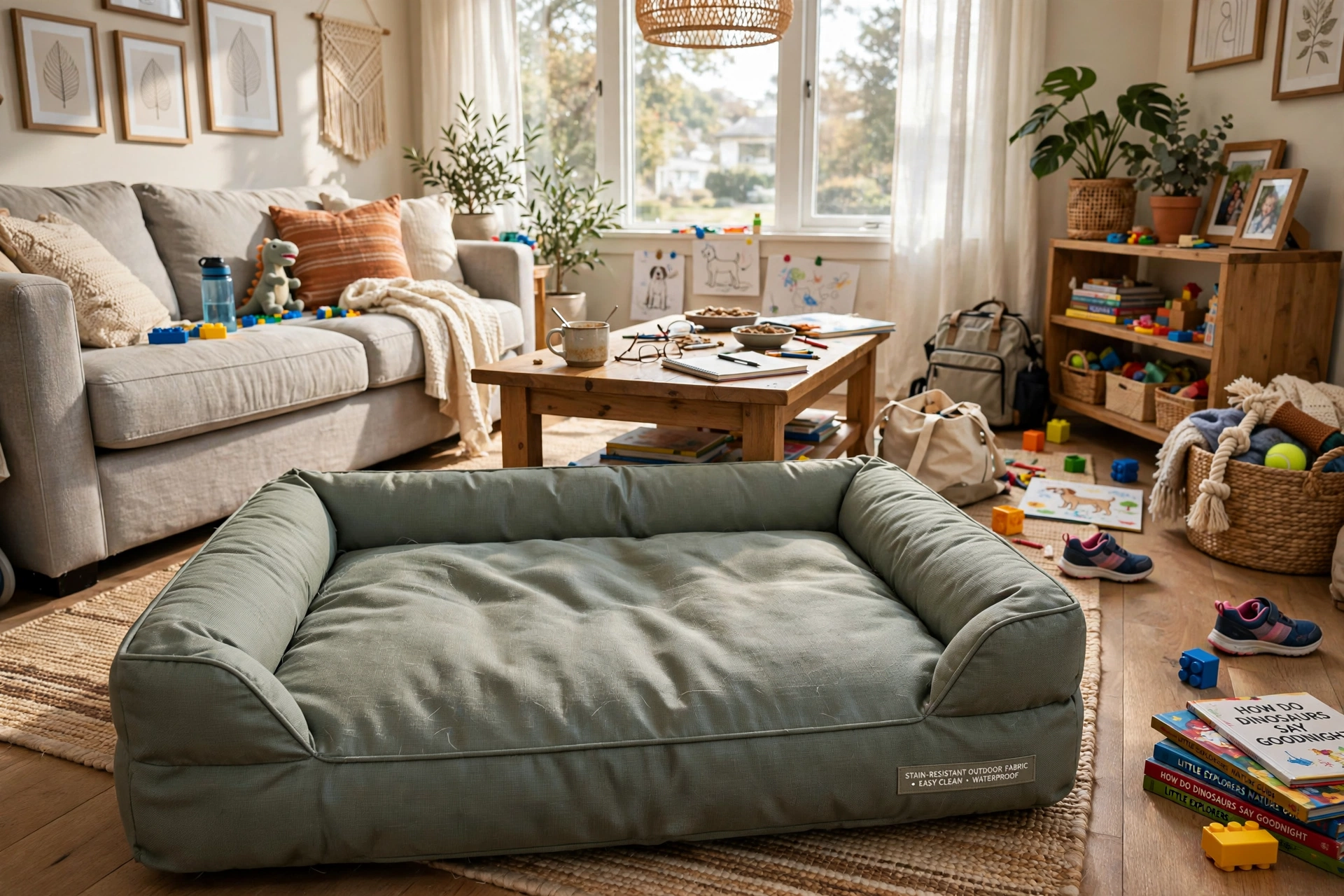
The narrow gap behind a floating sofa — often 25–35cm — fits a slim console table perfectly, and the shelf beneath it holds lidded baskets of toys. This is dead space reclaimed: the console displays adult decor on top (lamp, books, vase) while the lower shelf quietly warehouses the toy overflow.
Choose baskets with lids so the contents disappear completely; open baskets at ankle height still read as clutter. Label the basket bottoms or use a mental map — one for cars, one for dolls. Keep the console depth 5cm less than the gap so it never scrapes the sofa when nudged. This trick works in any room where the sofa floats off the wall.
13. Fold-Down Play Table With Storage
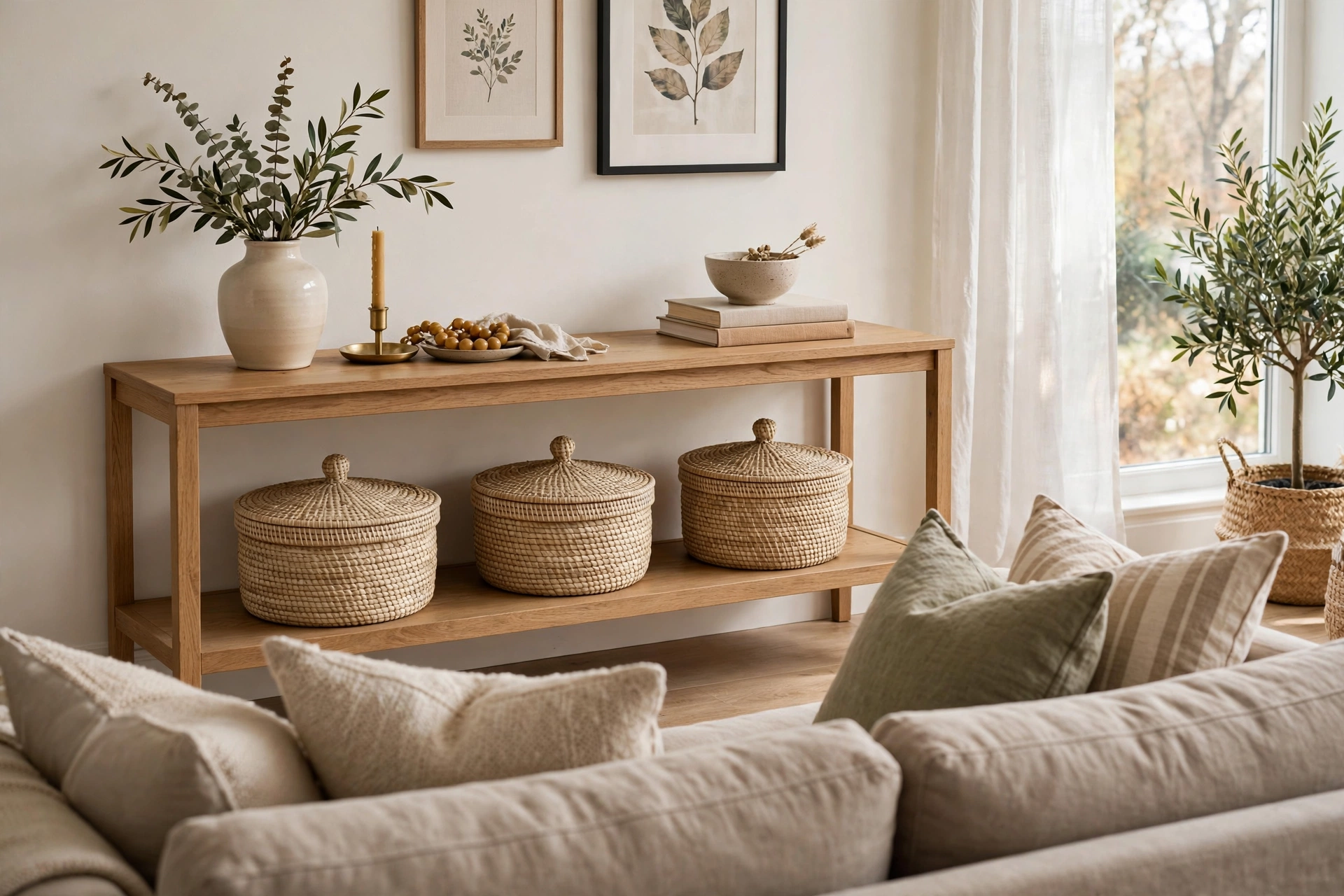
A wall-mounted fold-down table gives kids a dedicated art and Lego surface that vanishes when the adults reclaim the room. Folded up, it is a slim cabinet (15–20cm deep) holding supplies inside; folded down, it is a 60–80cm deep play table at child height. Add a small stool that tucks underneath.
Mount into studs — a loaded fold-down table with a leaning child exerts real force. The interior can hold paper stacks, crayon caddies, and small kits on shallow shelves. When guests arrive, fold it up and the living room is instantly adult again. This is the best solution for small living rooms where a permanent play table would dominate.
14. Toy Rotation Station in a Closet or Cabinet
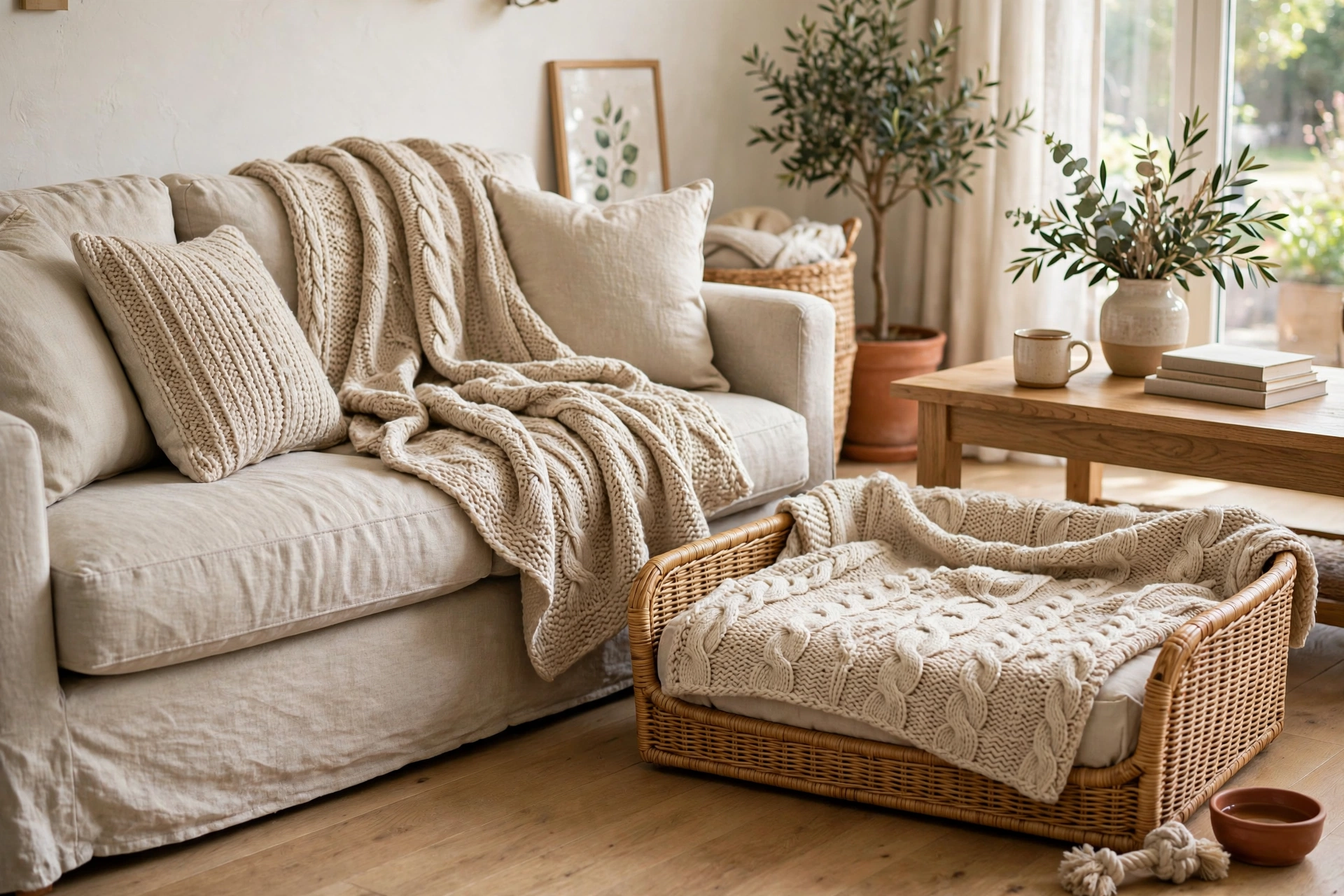
Overwhelm often comes from too many toys out at once, not too little storage. A rotation system — half the toys accessible, half stored in a closet or lidded cabinet — halves the visible chaos and makes old toys feel new again. Use one large lidded bin or a closet shelf per rotation set, and swap every 2–4 weeks.
Involve the kids in the swap; choosing what comes out is half the fun. Store the off-duty toys somewhere inconvenient enough that kids do not raid them mid-cycle — a high closet shelf or a latched cabinet. Fewer toys out means faster cleanups, longer attention spans, and a living room that never looks like a toy store exploded. It is the cheapest storage upgrade there is: just a bin and a calendar reminder.
15. The Ten-Minute Tidy System
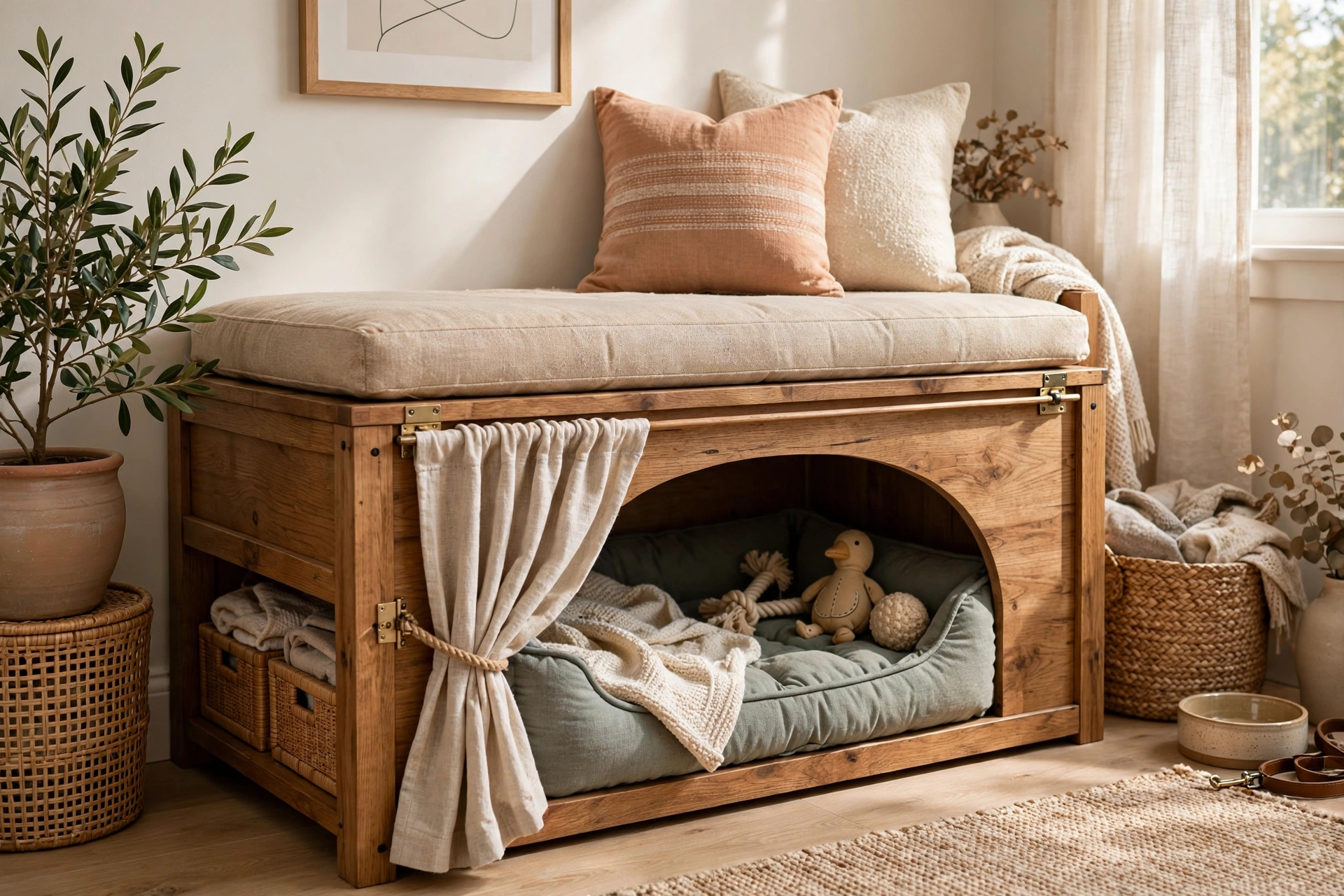
The final idea is not furniture — it is the habit that makes all the furniture work. A ten-minute family tidy before dinner, with everyone (including toddlers) assigned one category, resets the living room daily. Pair it with the storage above: blocks go in the ottoman, art supplies in the sideboard, soft toys in the pouf. Each thing has exactly one home.
Use a timer and music to make it a game for young kids; speed beats perfection. The rule that makes it stick: every toy has a labeled home, and anything homeless gets donated monthly. A living room that resets in ten minutes stays a living room — and the storage furniture earns its keep every single day. For context on how much stuff the average household juggles, even the humble toy has a surprisingly long history of accumulating in family spaces.
Frequently Asked Questions
How much toy storage does a living room need?
Plan one generous hidden zone per toy category your family actually uses — typically 3–5 zones (blocks/building, art supplies, soft toys/dolls, games/puzzles, and overflow). A storage ottoman plus a cube unit covers most families. If toys still spill over, you likely need a rotation system rather than more furniture — fewer toys out beats more bins.
Is toy storage furniture safe for toddlers?
Yes, with the right features: soft-close or stay-open hinges, no heavy lids that can slam, anti-tip wall anchors on tall units, and no sharp corners at head height. Avoid vintage toy chests with unhinged heavy lids — they are the classic finger-trap. Check that bins and drawers cannot be pulled fully out onto a child.
What is better for toys: open bins or closed furniture?
Closed furniture wins for living rooms because it hides visual clutter completely — the room reads as adult space when toys are put away. Open bins work for the few “display” toys kids want visible and for pre-readers who cannot manage lids. The ideal mix: closed storage for 80% of toys, one open shelf for current favorites.
How do I store toys in a small living room?
Go vertical and dual-purpose: a storage ottoman instead of a coffee table, rolling drawers under the sofa, a fold-down play table instead of a permanent one, and a toy rotation system so only half the toys are out. Every piece should do two jobs. Measure twice — in small rooms, 5cm of wasted depth matters.
How do I get my kids to actually put toys away?
Make it effortless: storage at child height, lids they can open, one obvious home per category, and picture labels for pre-readers. The ten-minute family tidy with a timer turns cleanup into a game for young kids; speed beats perfection. And keep the total toy count manageable with rotation — kids cannot tidy what overwhelms them. Praise the effort, not the perfection.
Keep Exploring
The goal was never a toy-free living room — it is a living room that can be calm in ten minutes flat. Hide the toys in furniture that earns its place, give every category a home, and build the tiny daily habit that keeps it all working. Your living room can be both the family’s favorite play space and the grown-up retreat you designed it to be. And when you need more concealment inspiration, our friends at IKEA’s storage collections show how the masters of small-space living hide a multitude of sins.