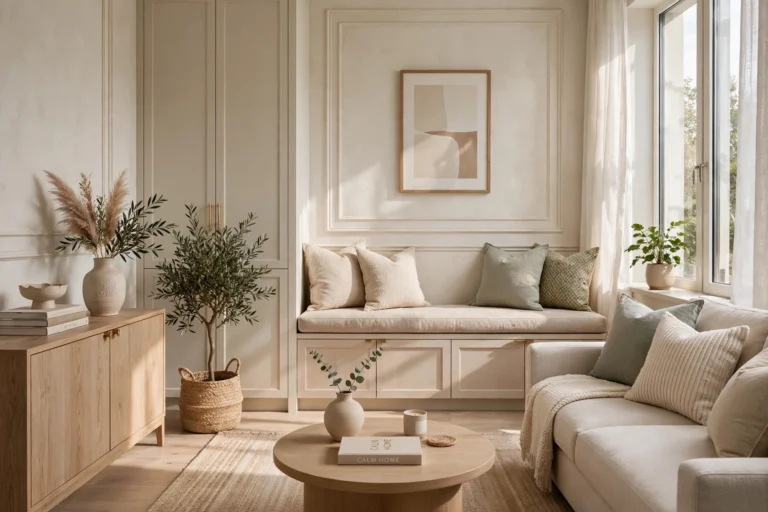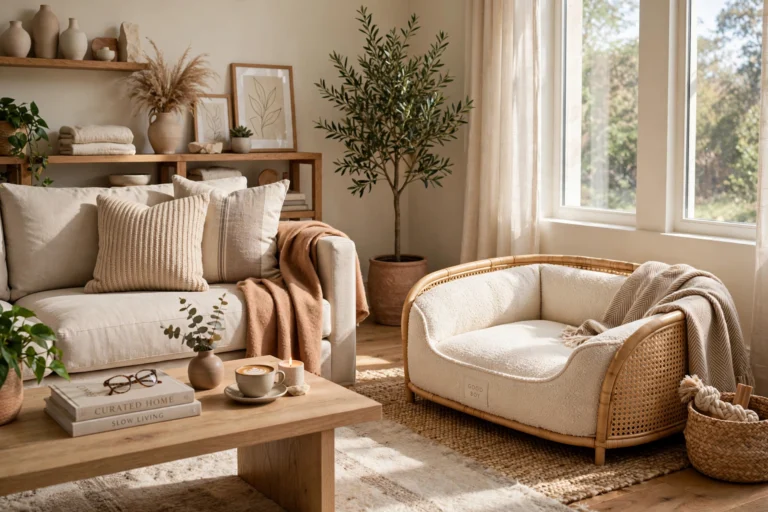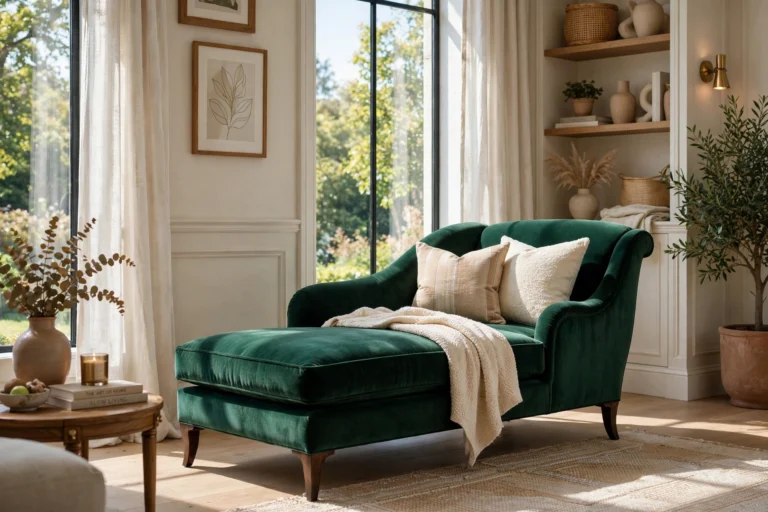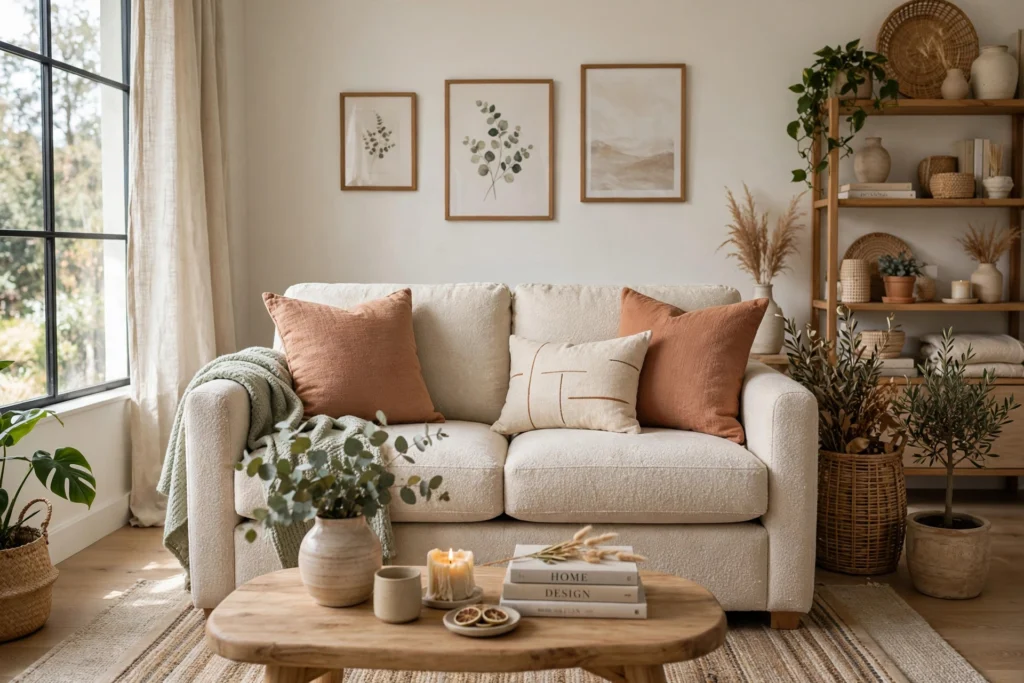

The loveseat is the unsung hero of living room seating: big enough for two, small enough for almost any room, and cozy in a way a full-size sofa rarely manages. Whether you need a primary seat for a compact apartment or a secondary perch in a generous family room, these living room loveseat ideas will help you choose the right size, fabric, and placement — and style it so it looks deliberate, not like a sofa that shrank in the wash.
A standard loveseat measures roughly 120–185cm wide (48–72 inches), noticeably narrower than a three-seat sofa’s 180–220cm. That smaller footprint is the whole point: it tucks into corners, floats in the middle of rooms, and pairs beautifully with other pieces. Get the scale right for your space, pick a fabric that suits your household, and the loveseat becomes the most-used seat in the house.
1. The Classic Rolled-Arm Loveseat
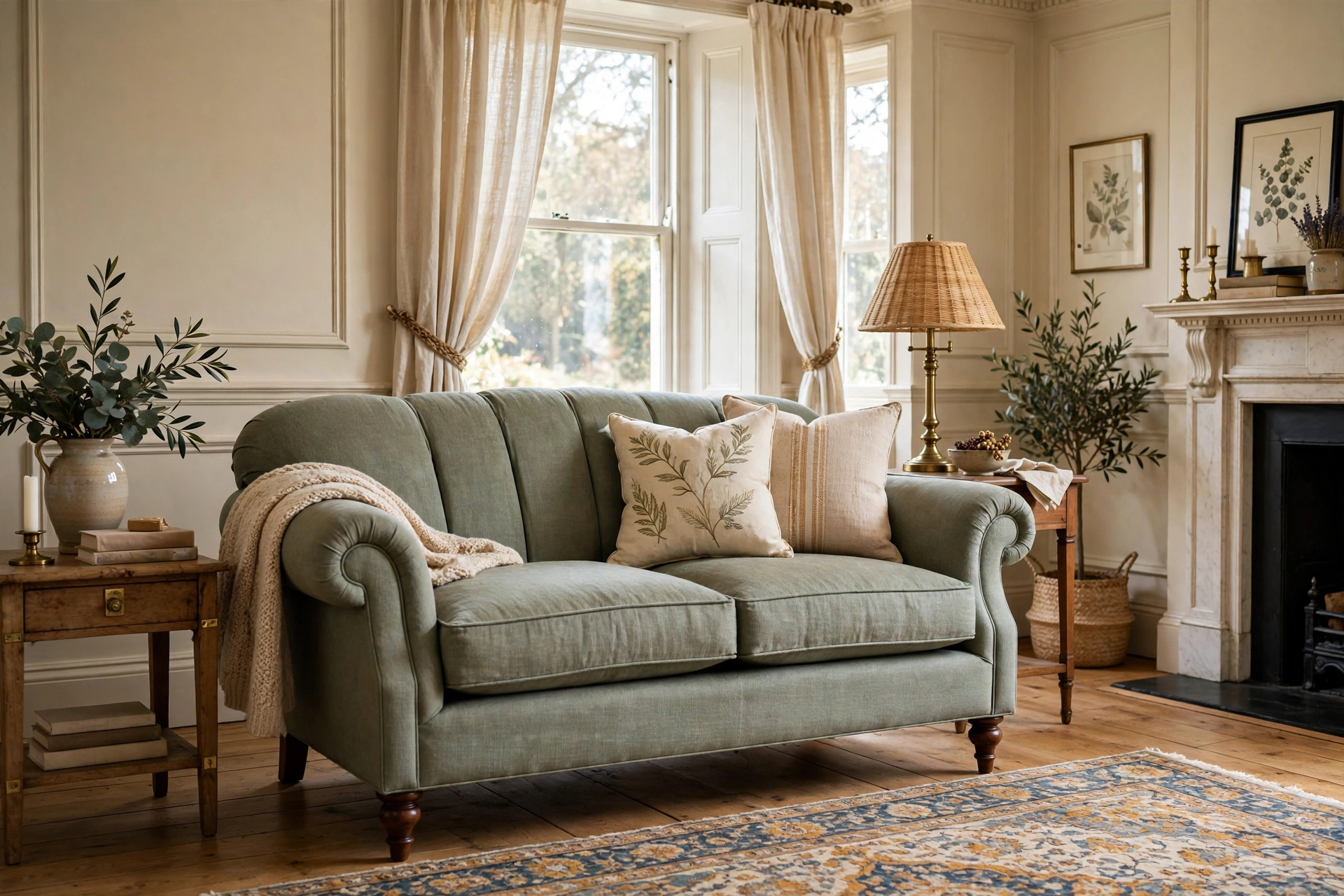
The rolled-arm loveseat is the traditional two-seater most people picture: scrolled arms, a tailored back, and proportions that suit classic and transitional rooms. At 150–170cm wide, it seats two adults comfortably without sprawling. Look for kiln-dried hardwood frames and eight-way hand-tied springs if you want it to last decades rather than years.
Rolled arms eat about 20–25cm of width on each side, so measure the actual seating area, not just the overall width — you want at least 110cm of sit-able space for two adults. Style with two seat cushions rather than one bench cushion; the center seam visually reinforces the two-seat symmetry. The loveseat’s history as a two-seat chair explains its enduring, intimate proportions.
2. Loveseat as the Primary Sofa in Small Living Rooms
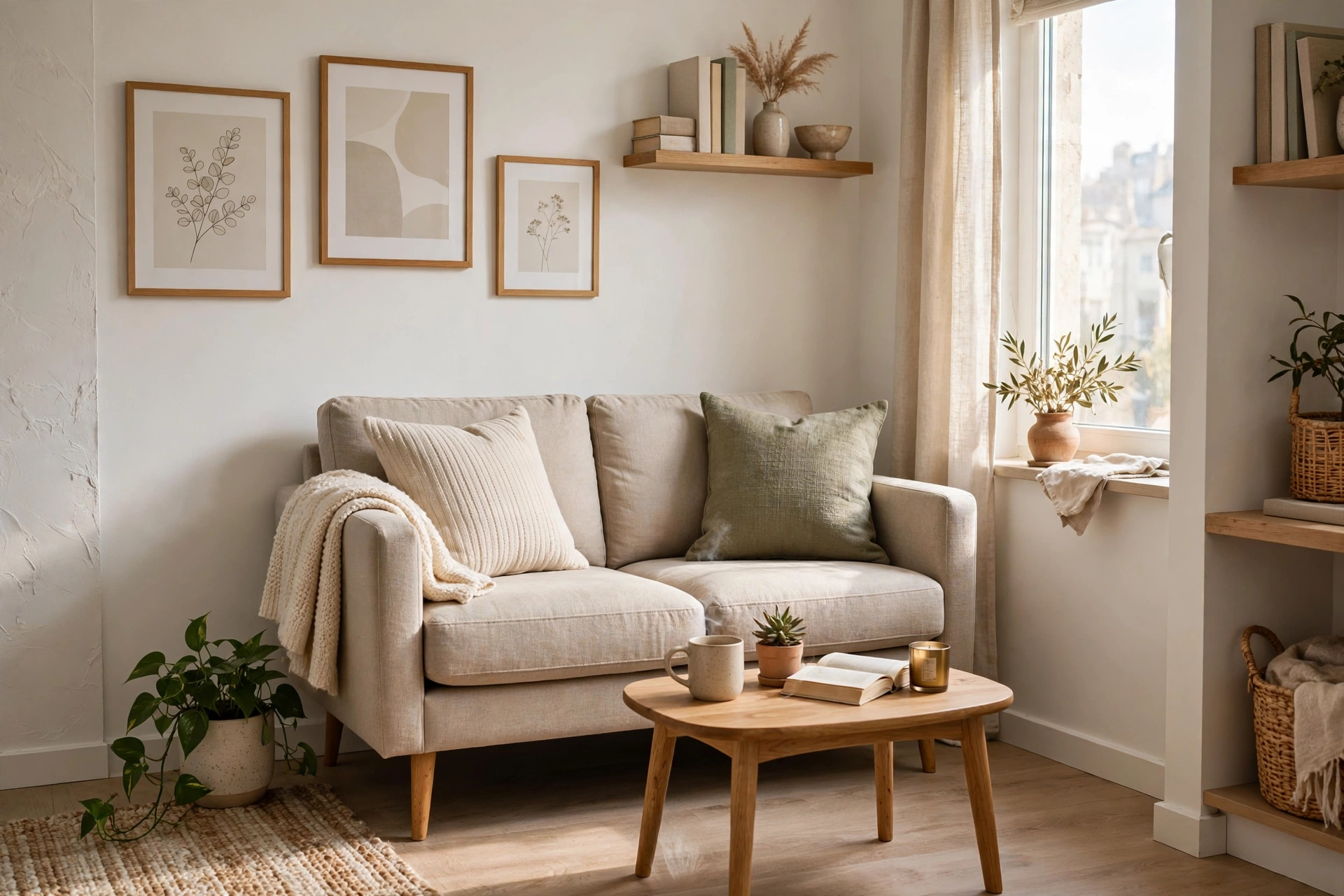
In apartments and small living rooms, a loveseat often makes a better primary sofa than a full-size one. A 150cm loveseat leaves room for a proper coffee table, walkways of 75cm or more, and maybe an accent chair — where a 210cm sofa would devour the floor plan. The room breathes, and nobody misses the third seat that guests rarely used anyway.
Choose a loveseat with visible legs rather than a skirted base; seeing floor beneath the piece makes small rooms feel larger. Keep the back height under 90cm so it does not block light or sightlines. For a full small-space strategy around your two-seater, these small living room design ideas show how to make every centimeter count.
3. Loveseat Paired With a Full-Size Sofa
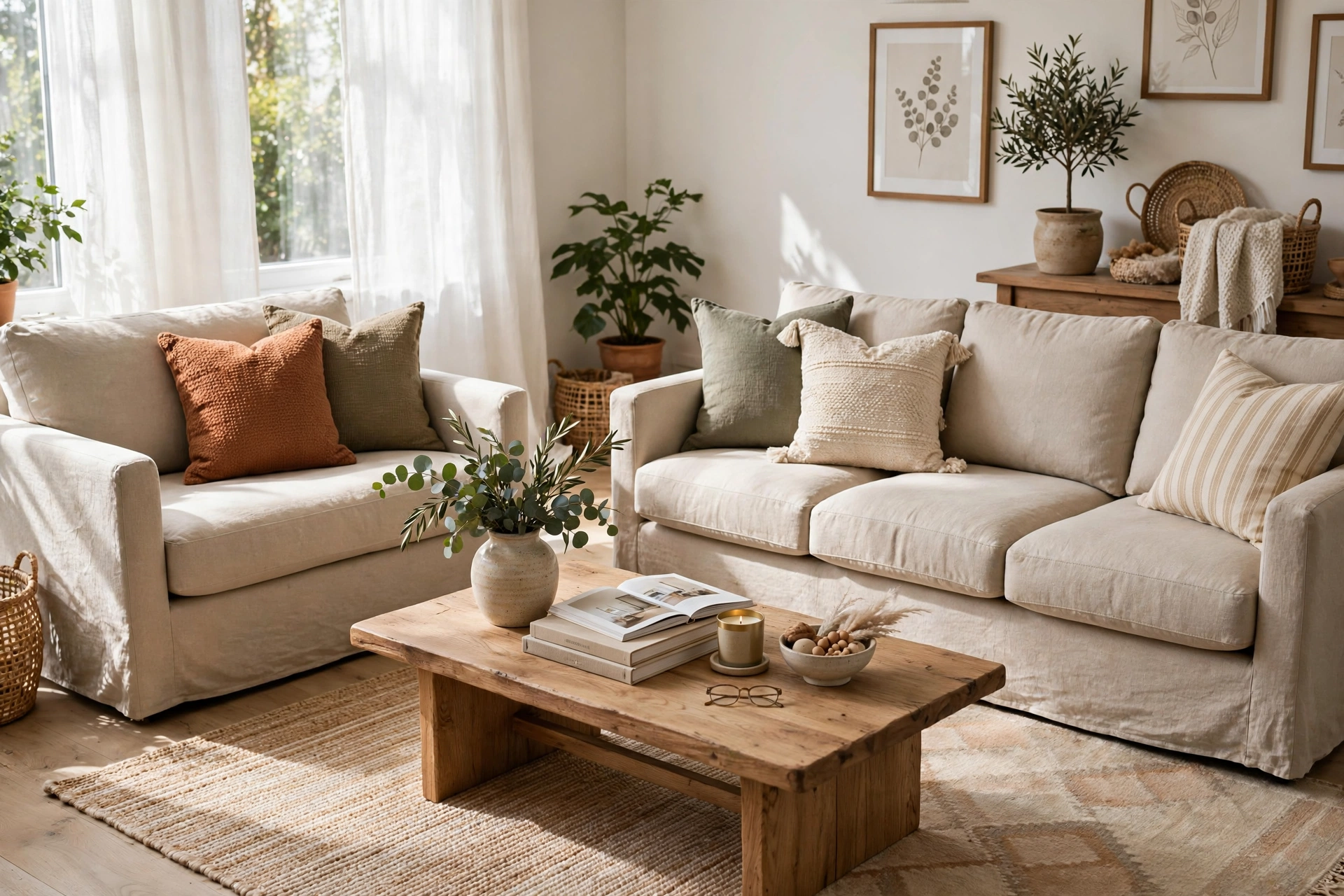
In larger rooms, a loveseat makes an excellent companion to a full sofa — less bulky than a second sofa, more substantial than a chair. Place them facing each other across a coffee table for classic conversation seating, or at right angles in an L-shape. Match them through fabric family or color rather than buying an identical set; a linen sofa with a velvet loveseat looks collected, not catalogued.
Keep the two pieces within 15cm of seat height of each other so the arrangement feels balanced. A good rule: the loveseat should be roughly two-thirds the width of the sofa. Leave 45–50cm between the coffee table and each seat edge — close enough to reach a drink, far enough to walk past.
4. Two Loveseats Facing Each Other
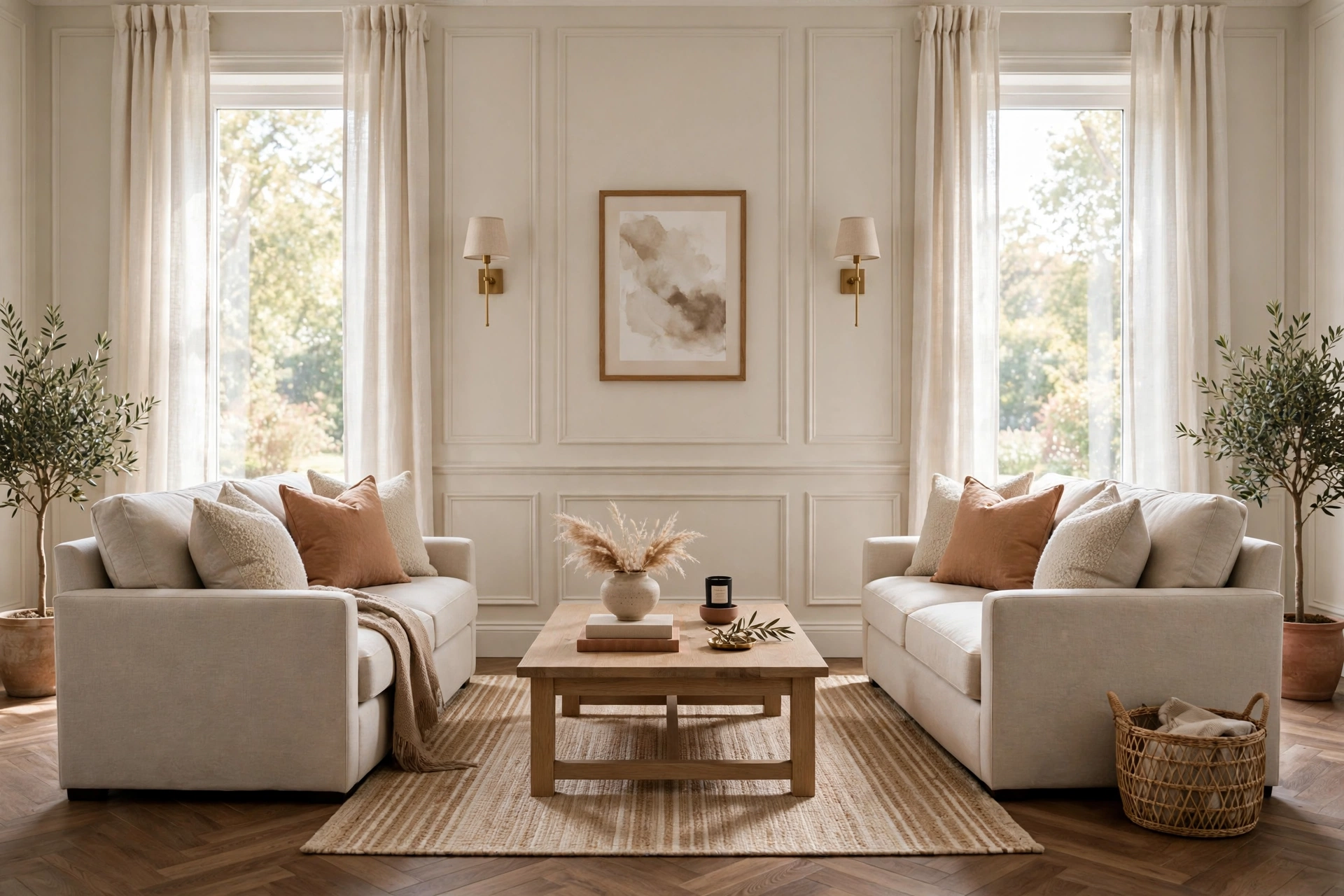
Symmetry lovers, take note: two matching loveseats facing each other across a coffee table is one of the most elegant arrangements in interior design. It creates a formal, conversational axis that suits traditional rooms, and the matched pair gives the space an intentional, designed feel that mixed seating rarely achieves.
This layout needs room — allow at least 300cm of width for two 150cm loveseats plus walkways. Anchor the arrangement with a rug large enough to sit under the front legs of both pieces (ideally 240 × 340cm or larger). Keep the coffee table centered and no more than 130cm long so it does not overwhelm the space between the seats.
5. Velvet Loveseat for Rich Color
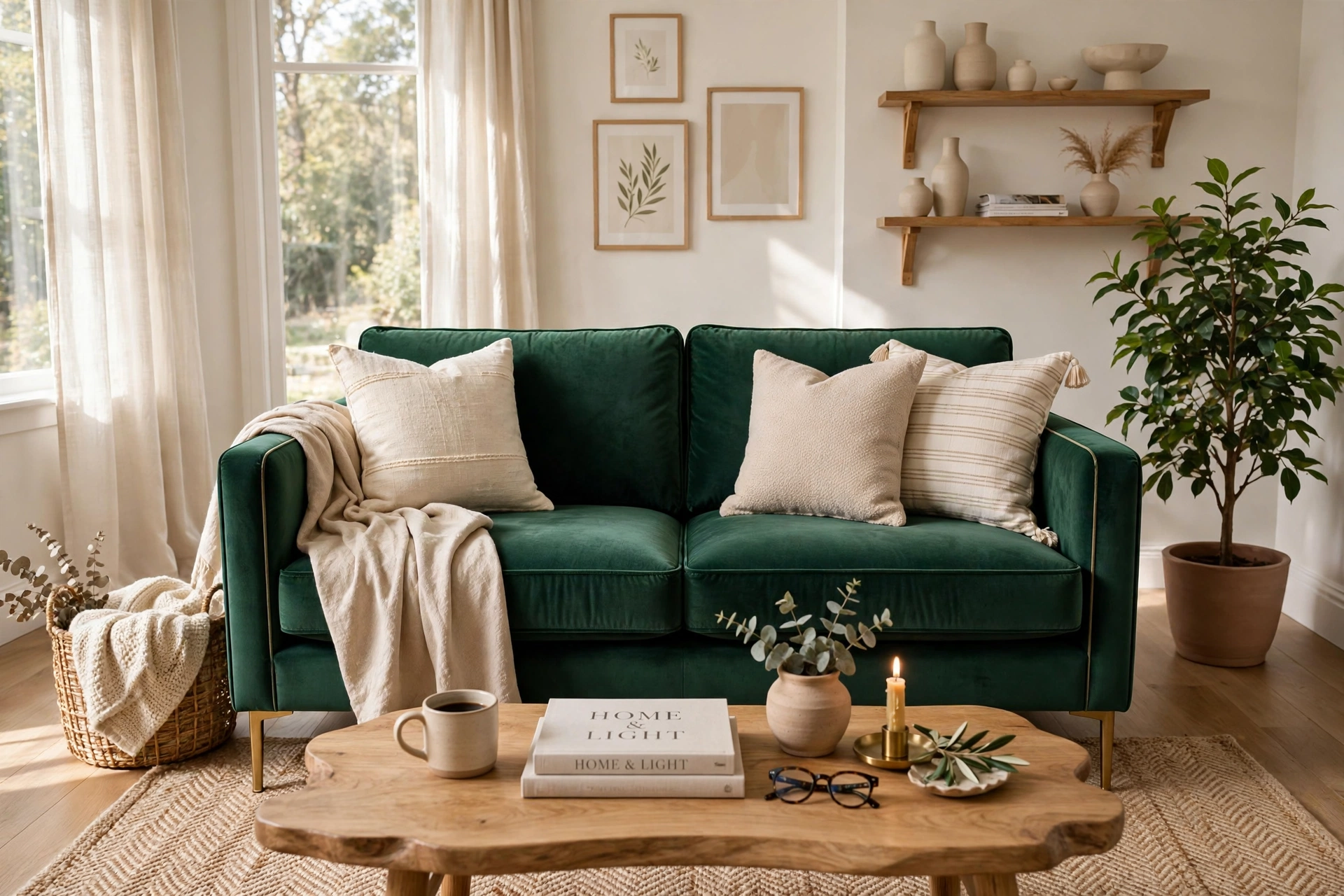
Velvet and loveseats are a natural match: the compact scale means you can afford a bold color — emerald, mustard, deep teal — without committing the whole room to it. Cotton velvet or performance velvet wears best; avoid silk blends in households with pets or children. The pile hides minor wear better than flat weaves, which is a quiet advantage.
Because velvet reflects light, place the loveseat where it catches some — near a window or under a picture light — to show off the fabric’s depth. Keep surrounding textures matte (linen curtains, wool rug) so the sheen stands out. Brush the pile monthly with a soft clothes brush to prevent the shiny pressure patches that develop where people always sit.
6. Leather Loveseat That Ages Beautifully
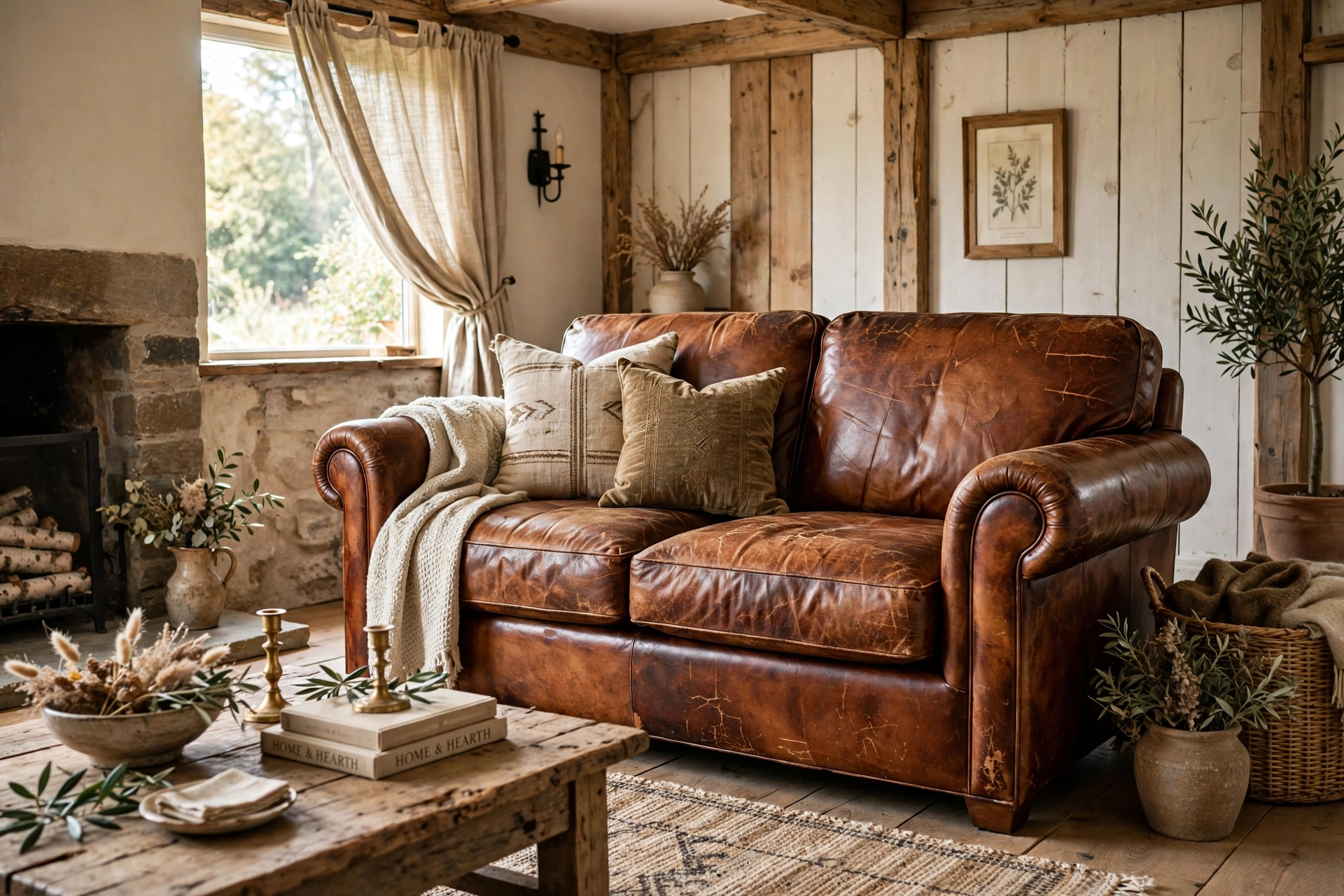
A leather loveseat brings warmth and patina to traditional, rustic, and industrial living rooms. Top-grain leather is the sweet spot for most buyers — durable, soft, and far more affordable than full-grain. Expect 130–160cm of seating that molds to its regular occupants within months, which is exactly why leather loveseats become family favorites.
Condition twice a year with a quality leather conditioner and keep the piece 60cm or more from radiators and out of constant direct sun. Distressed or pull-up leathers hide scratches from pets better than smooth, corrected-grain finishes. A leather loveseat pairs naturally with wood, wool, and iron — materials that share its honest, hardworking character.
7. Slipcovered Loveseat for Easy Living
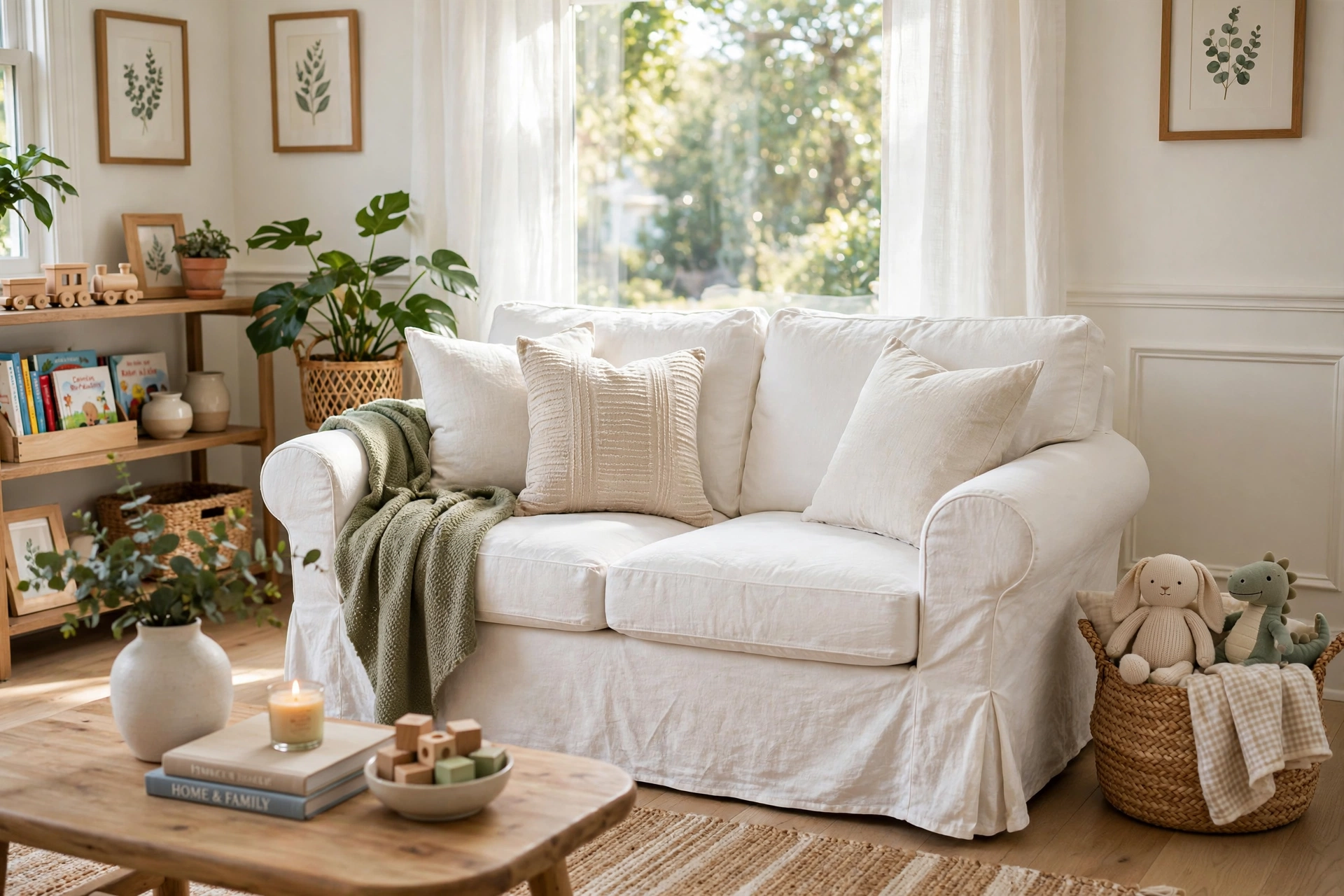
Households with kids, dogs, or a love of redecorating should seriously consider a slipcovered loveseat. A removable, washable cover means red wine, muddy paws, and crayons are laundry problems, not furniture disasters. Buy two covers if you can — one on the piece, one in the wash — and choose machine-washable cotton duck, linen, or performance twill.
Fit matters enormously: a baggy slipcover reads as shabby, not relaxed. Look for covers with ties, elastic hems, or tailored pleats at the corners. Wash in cold water and line-dry or tumble low to minimize shrinkage. The beauty of the slipcover route is seasonal change — light linen for summer, heavier twill for winter — without buying new furniture.
8. Loveseat Reading Corner
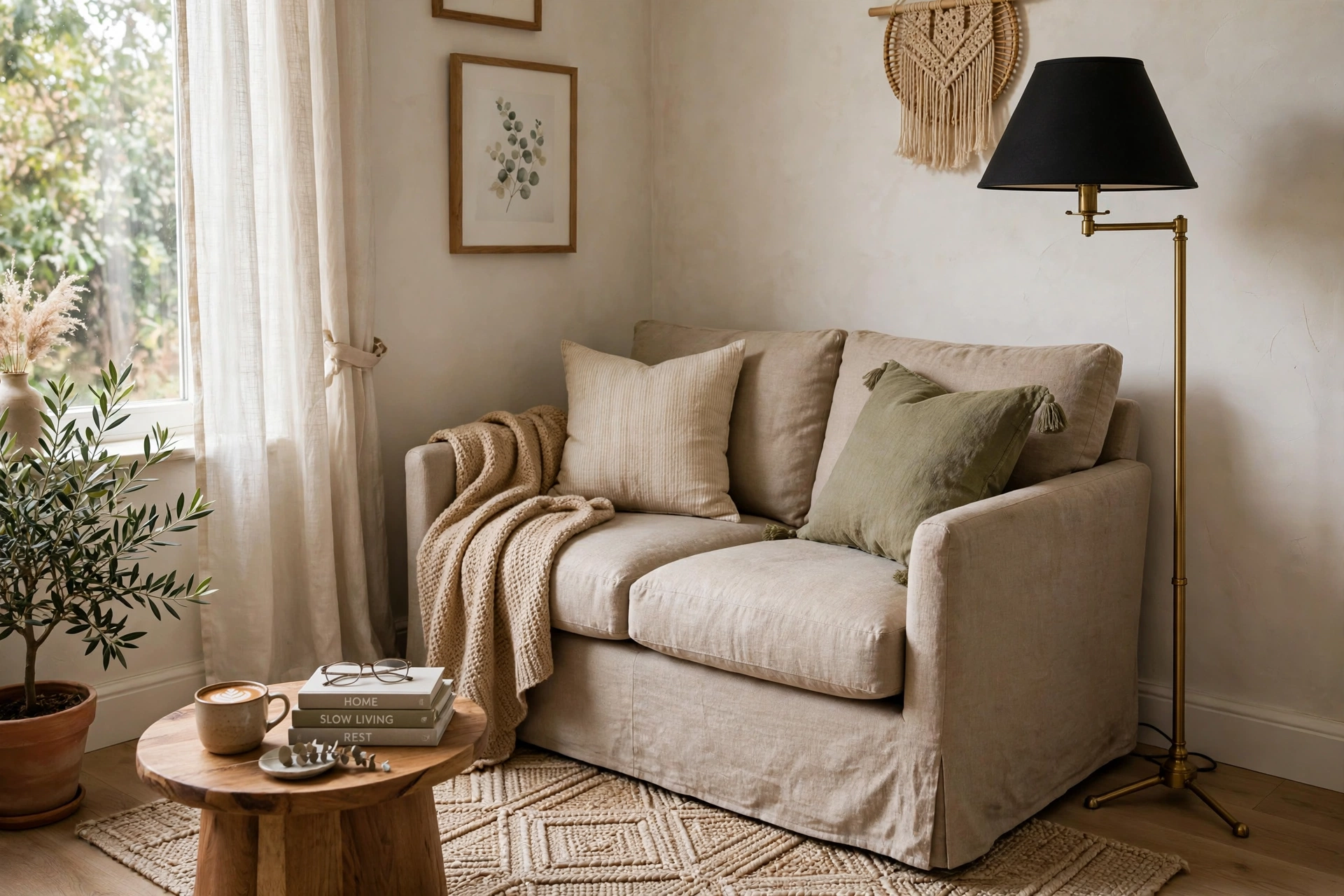
A loveseat tucked into a corner with a floor lamp and a small side table creates a reading corner with room for a companion — or for sprawling solo with your feet up. Angle the loveseat at 45 degrees into the corner rather than shoving it flat against both walls; the diagonal placement feels intentional and leaves space behind for the lamp.
Add a soft throw and one good reading pillow — a 45cm square cushion with a feather insert supports the lower back better than a flat decorative pillow. Position the lamp so the shade bottom sits 100–120cm above the seat. This corner becomes the room’s quiet zone; keep the styling calm and the lighting warm (2700K) to reinforce the retreat feeling.
9. Tête-à-Tête Style Loveseat
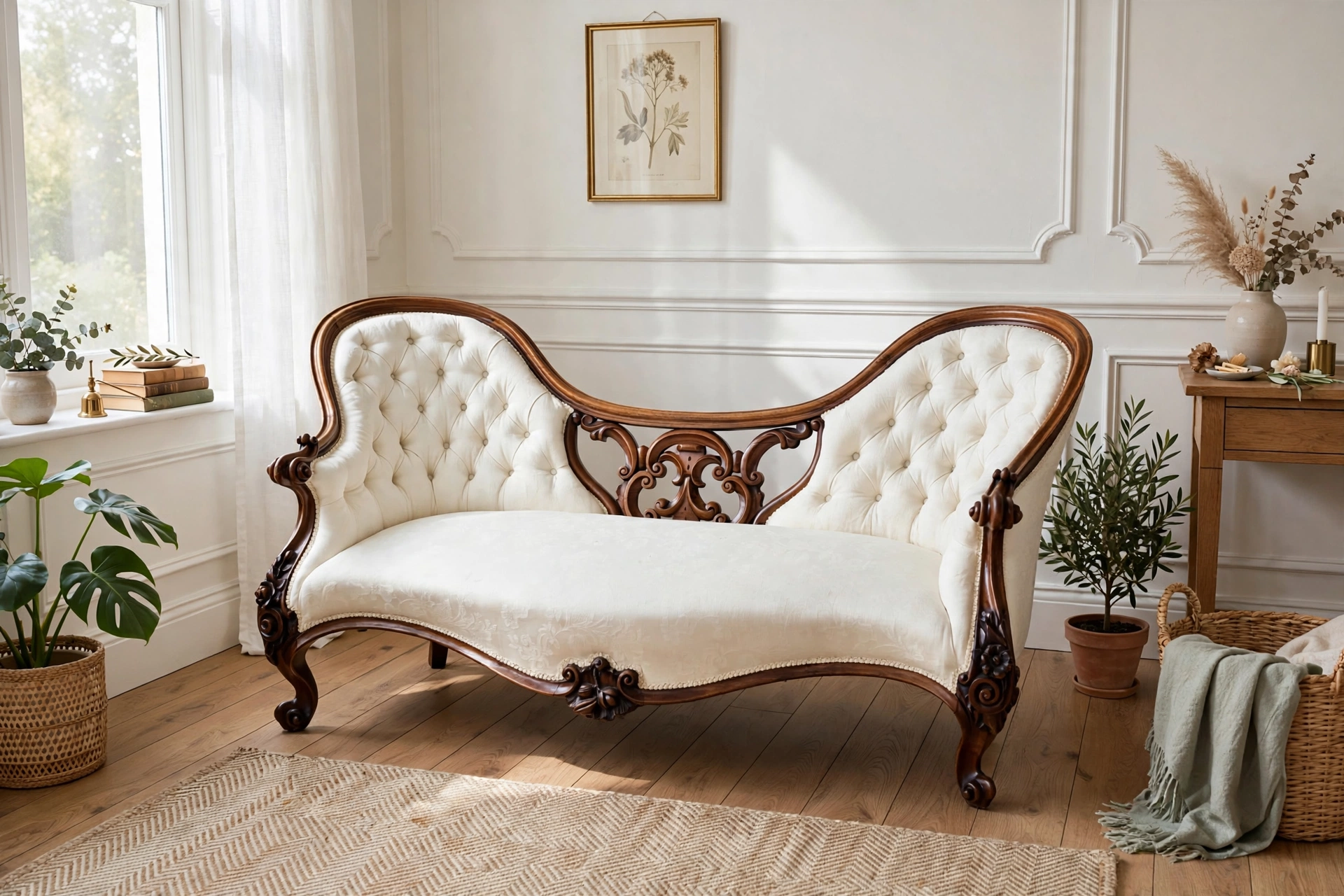
For something genuinely different, consider the tête-à-tête: the S-shaped Victorian two-seater that lets two people sit face to face. It is a conversation piece in every sense — sculptural, unexpected, and guaranteed to start discussions. Modern reproductions come in velvet and linen at reasonable prices.
The S-shape needs space to be appreciated; give it 60cm of clearance on the curved sides so people can walk around and admire it. It seats two, but not for long lounging — the upright posture suits chatting over coffee rather than movie night. Place it where it can be seen from the room’s entrance for maximum impact.
10. Patterned Loveseat as the Room’s Artwork
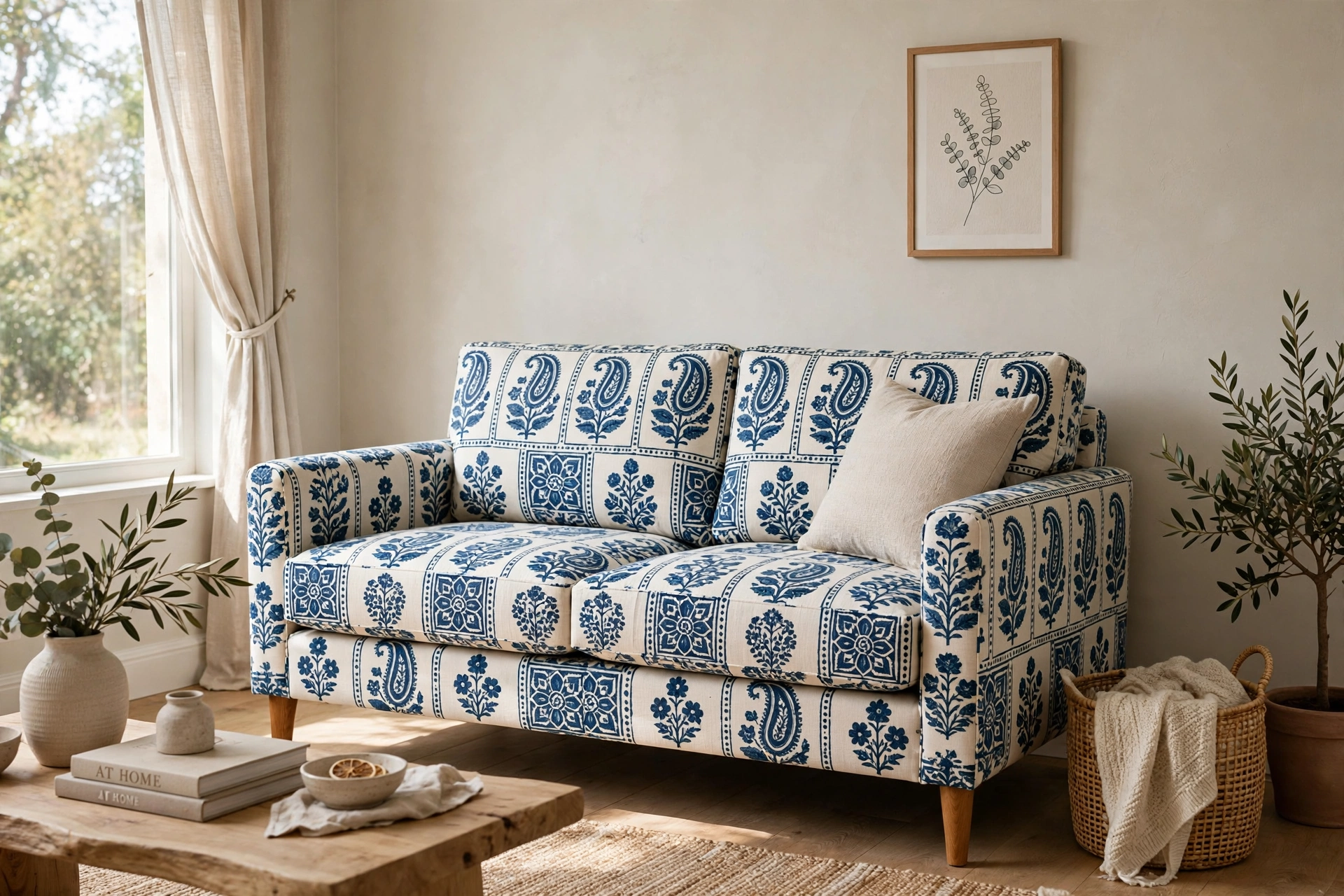
A loveseat in a bold pattern — block print, large-scale floral, graphic stripe — functions like a piece of art that you can sit on. The compact size keeps even a loud pattern from overwhelming the room, which is why designers often put the bravest fabric on the smallest piece. Keep walls and the rug calm so the pattern has room to breathe.
When choosing a pattern, check the repeat scale against the loveseat’s size: large repeats (30cm+) suit the broad back and seat expanses, while tiny prints can look busy. Order a large swatch, not a postage stamp, and view it in your room’s light at different times of day. One patterned piece per room is the safe maximum — let it be the star.
11. Loveseat Under a Window
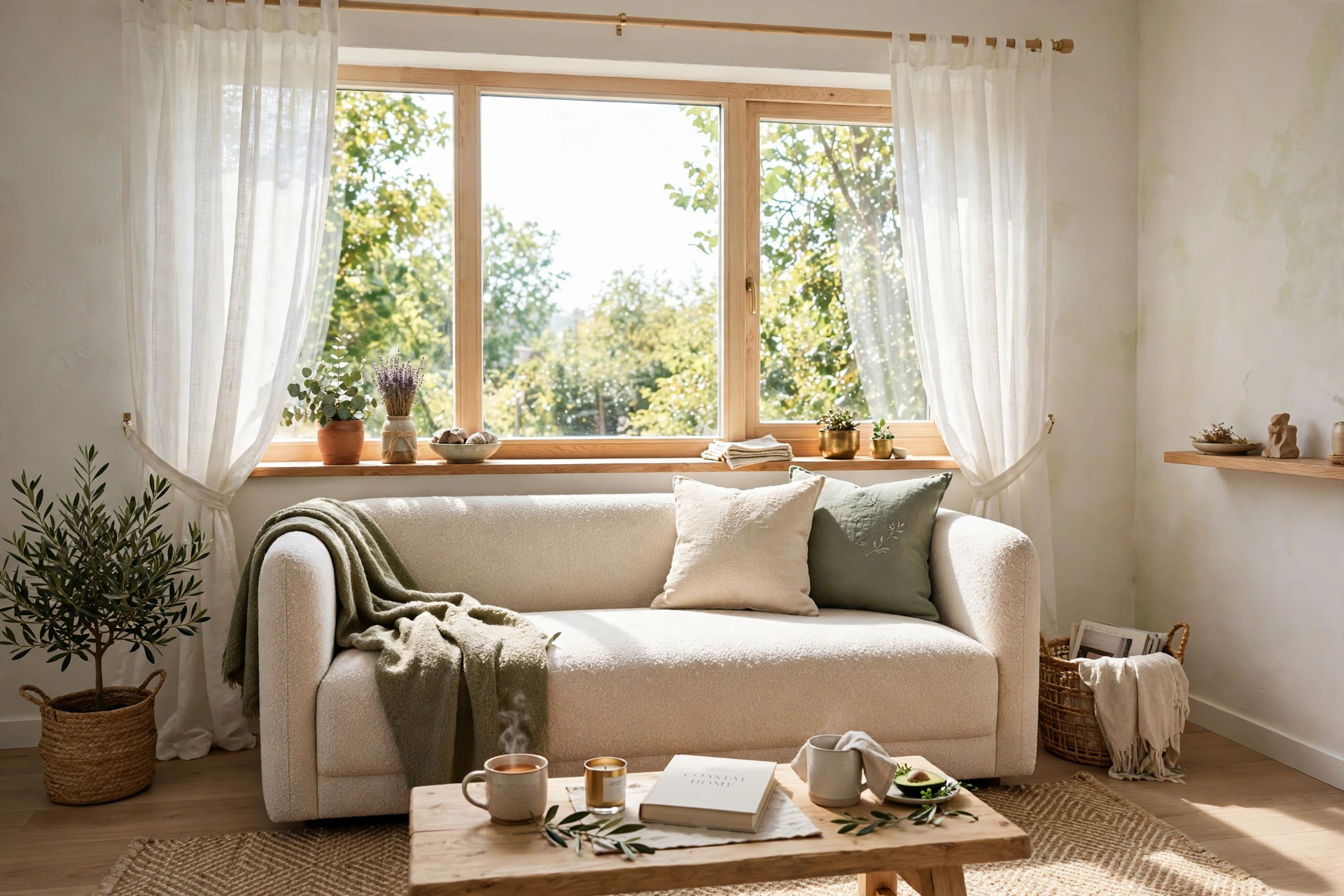
A low-backed loveseat under a window creates a sun-soaked perch that doubles as extra seating. Keep the back height below the windowsill — typically under 75cm — so the window remains the visual star and light flows over the piece. This placement works beautifully in living rooms that double as reading or craft spaces.
Choose fade-resistant fabrics since this spot gets the most sun in the room, or plan to rotate cushions regularly. Leave 5–10cm between the loveseat back and the wall for curtain clearance and air circulation. A slim console behind a low loveseat is usually impossible here, so style the windowsill itself with a trailing plant or two.
12. Apartment-Scale Loveseat With Storage
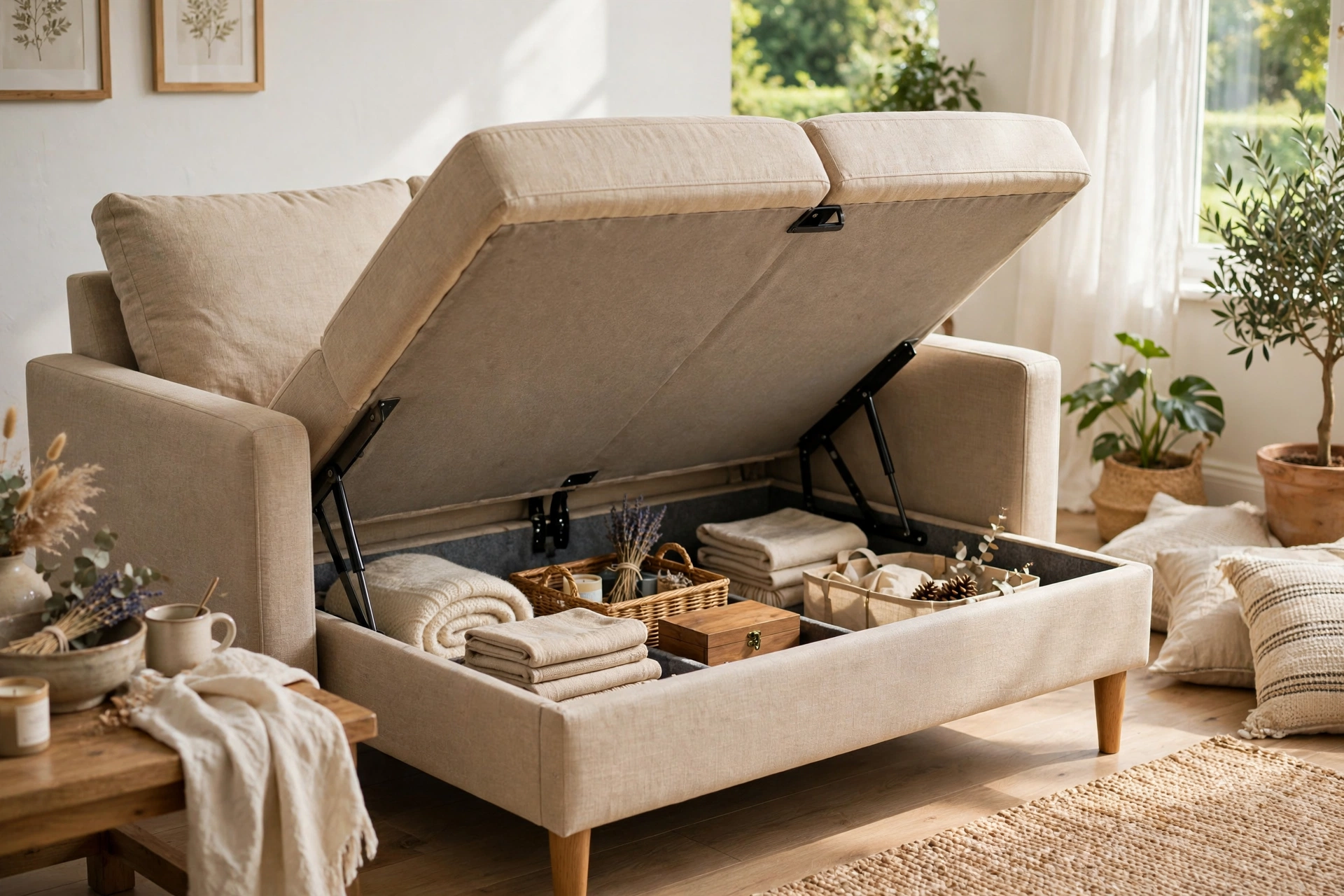
Some loveseats work as hard as they look good. Storage loveseats — with lift-up seats, hidden compartments in the arms, or drawer bases — hide throws, remotes, and chargers in small living rooms where every centimeter matters. Test the mechanism in person: hinges should be soft-close or counterbalanced so the lid never slams on fingers.
Check the interior depth before buying — 15–20cm of usable depth fits folded throws; less than that only swallows remotes. Ventilate the compartment occasionally if you store textiles, since enclosed spaces trap moisture. This is the loveseat equivalent of a Swiss Army knife, and in a studio apartment it can genuinely replace a separate storage ottoman.
13. Curved and Barrel-Back Loveseats
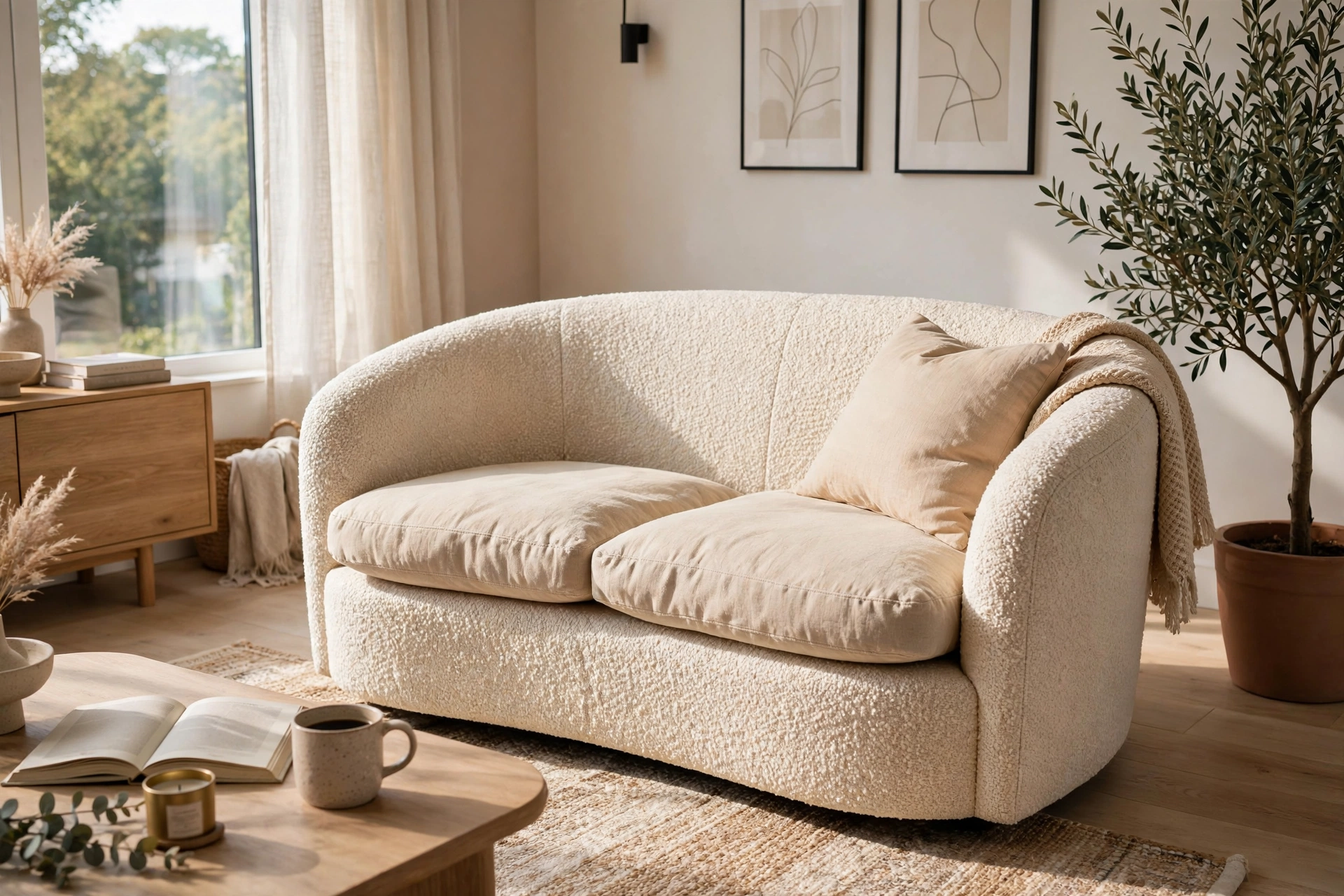
Curved loveseats — barrel backs, crescent shapes, kidney forms — soften rooms full of rectangles. The curve naturally gathers people inward, making conversation easier, and the sculptural form means the piece looks good from every angle, which matters if it floats mid-room. Bouclé and curved frames are a particularly current combination.
Curves complicate placement against walls, so plan to float a curved loveseat with 60–75cm of walkway behind it. Measure the widest point carefully — curves add 10–15cm of depth beyond what a straight back would need. Pair with round side tables and an arc lamp to echo the geometry rather than fighting it.
14. Outdoor Loveseat Used Indoors
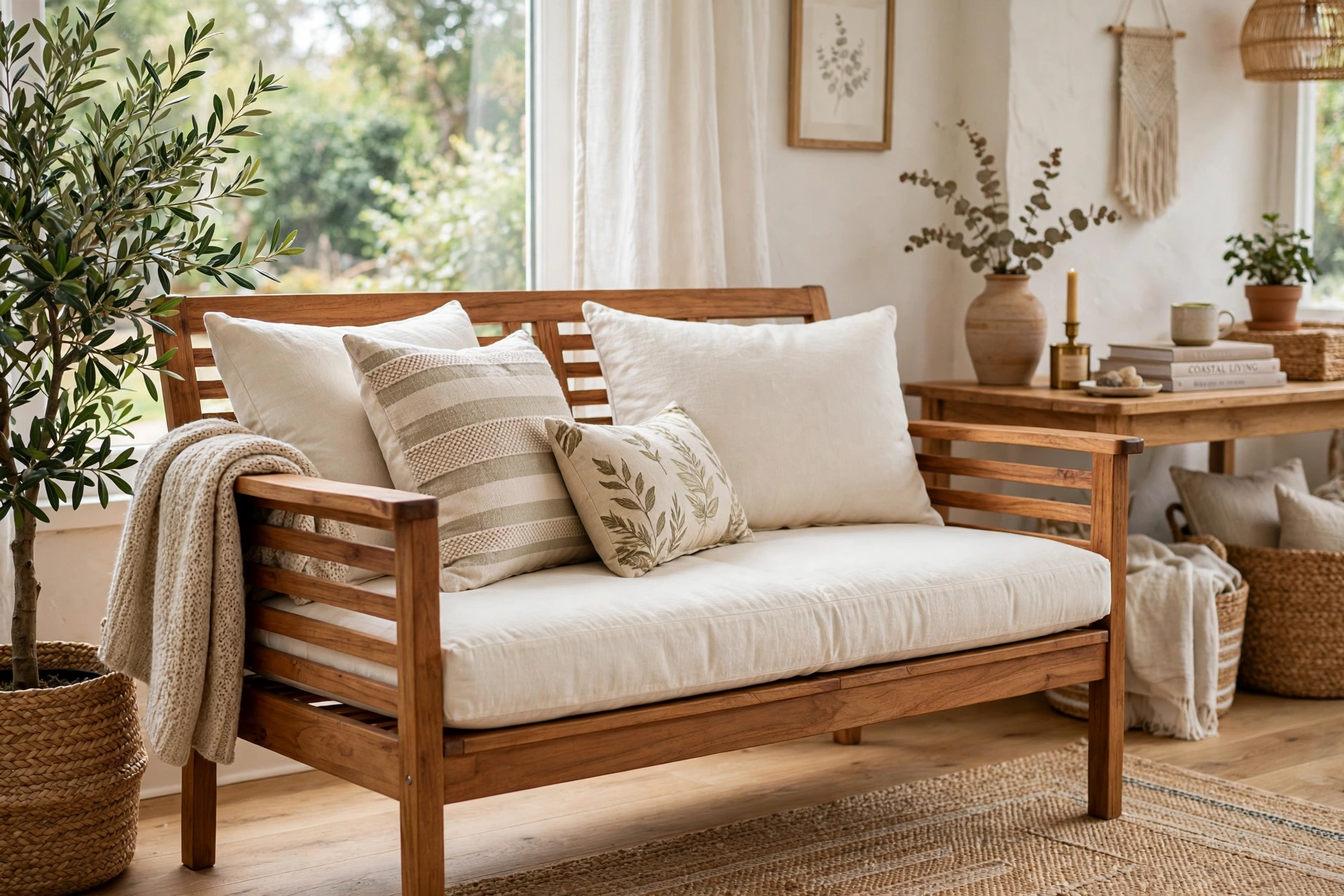
A well-made outdoor loveseat — teak frame, solution-dyed acrylic cushions — can live happily in a sunroom, enclosed porch, or casual living room. The fabrics shrug off spills, sun, and pets, and the relaxed frames suit coastal, boho, and farmhouse styles. It is the lowest-maintenance upholstery you can buy.
Indoor-outdoor crossover works best when you commit: pair the loveseat with a jute or outdoor rug and natural textures so it looks intentional, not like patio furniture that wandered inside. Hose-cleanable cushions mean this is arguably the smartest loveseat choice for households with large dogs. Just confirm the frame finish suits indoor humidity — most teak and powder-coated aluminum does.
15. Loveseat Scale and Measuring Guide
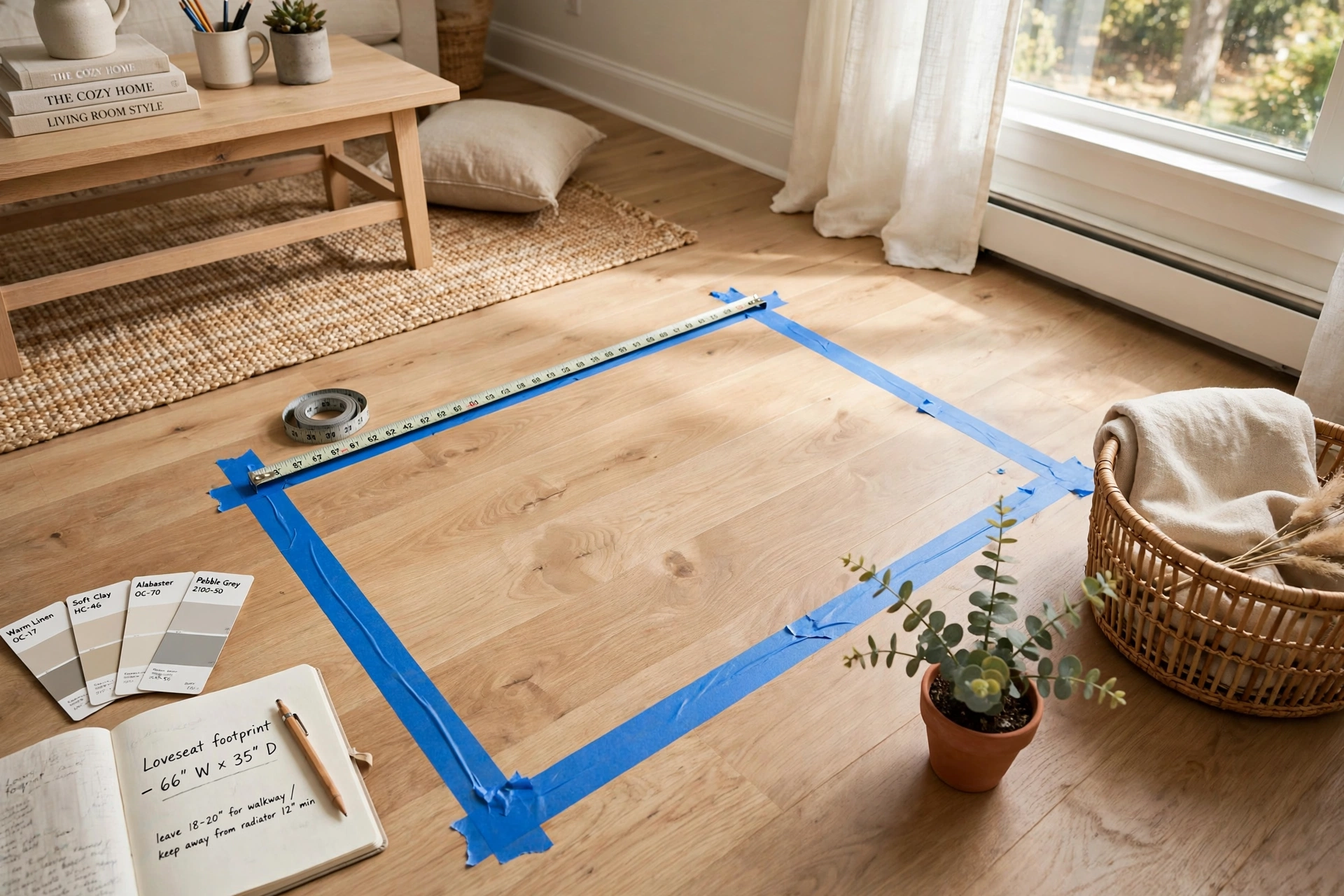
Getting loveseat scale right is mostly measurement, not magic. Start with the room: in living rooms under 12 square meters, cap the loveseat at 150cm wide; in rooms over 20 square meters, you can go to 185cm without it looking lost. Allow 75–90cm walkways on the main traffic side and 45–50cm between the loveseat and coffee table.
Test the sit before you commit: seat depth of 55–60cm suits most adults, seat height of 45–50cm makes standing easy, and back height of 80–90cm supports without looming. Bring painter’s tape to the showroom — or tape the footprint on your floor at home — because a loveseat always looks smaller in a warehouse than in your living room. Standard sofa sizing conventions put the loveseat neatly between the armchair and the three-seater, which is exactly its superpower.
Frequently Asked Questions
What is the standard size of a loveseat?
Most loveseats measure 120–185cm wide (48–72 inches), 85–100cm deep, and 80–95cm tall. The seating area itself is typically 110–140cm wide — enough for two average adults. Apartment-scale loveseats run 120–140cm overall, while generous traditional styles reach 175–185cm. Always check the interior seat width, since thick rolled arms can steal 40cm or more from the overall measurement.
Is a loveseat comfortable for two adults?
Yes, if you buy for the sitters, not the room. Two average adults need about 120–130cm of seat width; broader-shouldered pairs should look at 140cm+. Seat depth of 55–60cm lets both people sit back comfortably. Test-sit together before buying — showroom solo sits lie about two-person comfort.
What is the difference between a loveseat and a settee?
The terms overlap heavily, but traditionally a settee is a small sofa with a full back and arms in a more formal style, while loveseat is the broader modern term for any two-seat upholstered piece. In current furniture retail the words are used almost interchangeably. Focus on dimensions and comfort rather than the label — the right piece is the one that fits your room and your sitters.
Can a loveseat replace a sofa in a living room?
In small living rooms, absolutely — a loveseat plus an accent chair often seats the same number of people as a bulky sofa while leaving the room breathable. In large family rooms, a loveseat works better as secondary seating alongside a full sofa. Match the choice to how you actually live: count your regular occupants, not your once-a-year party guests.
How do I clean loveseat upholstery?
Vacuum weekly with an upholstery attachment, treat spills immediately by blotting (never rubbing), and check the cleaning code on the tag: W means water-based cleaner, S means solvent only, WS means either, X means vacuum only. Slipcovers can usually be machine-washed cold. For leather, wipe with a damp cloth and condition twice a year. Annual professional cleaning keeps any loveseat looking new.
Keep Exploring
The loveseat proves that good things come in two-seat packages: it fits where sofas cannot, cozies up to any style, and invites the kind of close conversation big furniture rarely manages. Measure your space, choose a fabric for your real life, and let this compact classic earn its place. To complete the seating story, explore our sectional sofa styling ideas and living room accent chair ideas for companions that pair perfectly with your new two-seater.