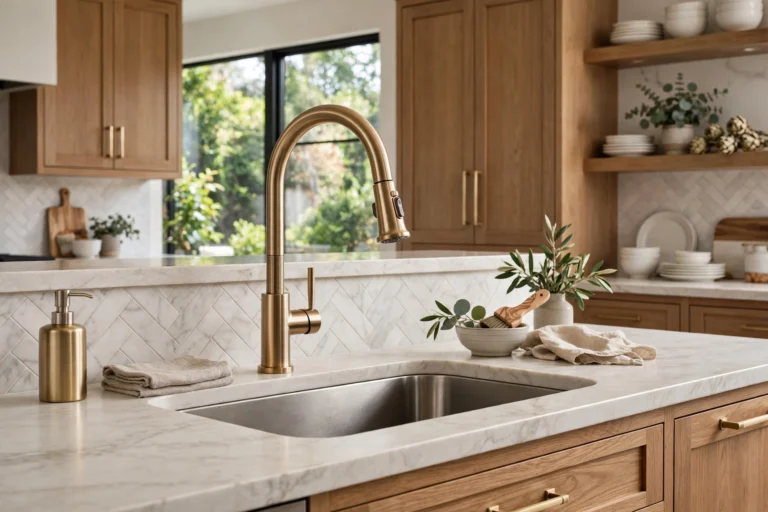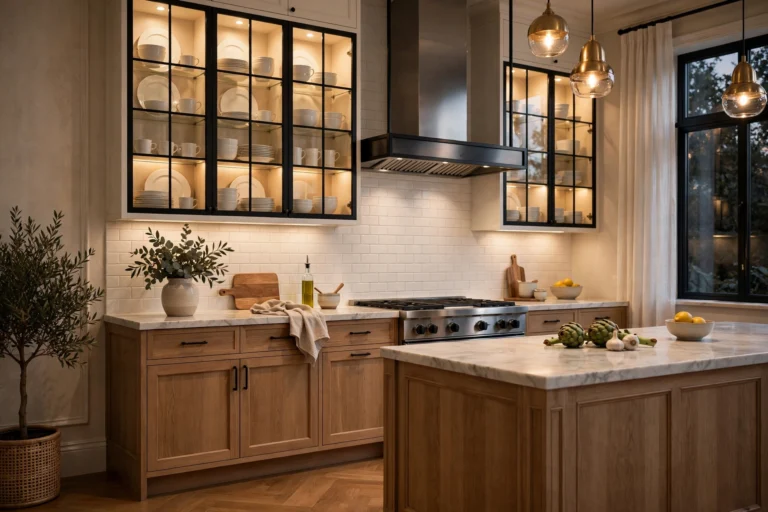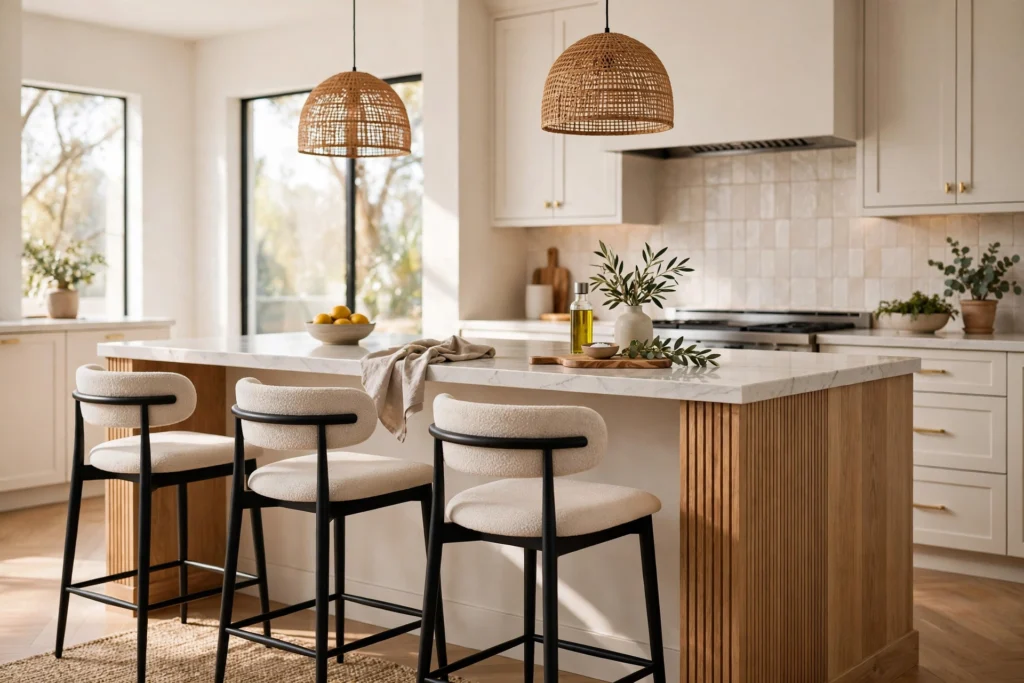

Bar stools do far more than give you somewhere to perch — they set the tone of your entire kitchen. The right stool styles tie your cabinets, island, and lighting together, while the wrong ones make even a beautiful kitchen feel off. These kitchen bar stool ideas cover every look and price point, from timeless wooden classics to sculptural modern picks, so you can find seats that fit your space, your style, and your budget.
Before you fall in love with a design, sort out the practical side: counter height, comfort needs, and how many stools your island can hold without crowding. Once those basics are settled, pairing stools with kitchen island seating layouts is simply about matching style to space — and every one of these kitchen bar stool ideas is chosen to work in real kitchens, not just showrooms.
Whether you are refreshing a single island or furnishing a whole open-plan space, these kitchen bar stool ideas make it easy to compare styles side by side. Read on for the best kitchen bar stool ideas for small kitchens, busy family homes, and rental-friendly budgets alike.
1. Match Stool Height to Your Counter
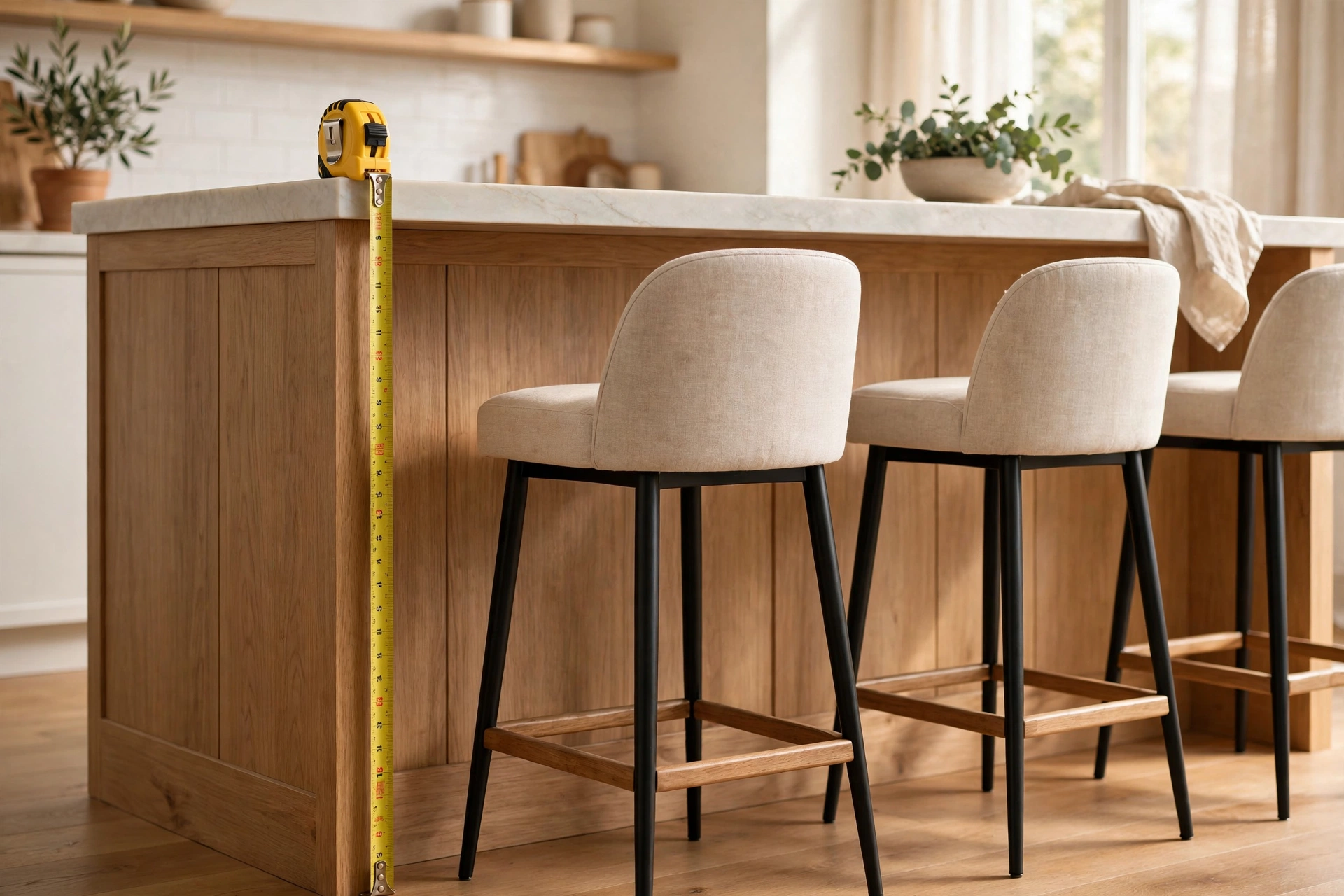
Height is the single most important detail when choosing bar stools, because even a gorgeous stool fails if your knees hit the counter. Standard kitchen counters sit around 36 inches high, which pairs with counter-height stools of about 24 inches; raised bar-height counters of 42 inches need stools around 30 inches. Leave roughly 10 to 12 inches between the seat and the underside of the counter for comfortable legroom. If your island has two levels or an unusual height, measure before you shop — many returns happen simply because someone guessed. When in doubt, check bar stool height standards and measure your own counter twice.
2. Classic Wooden Counter Stools
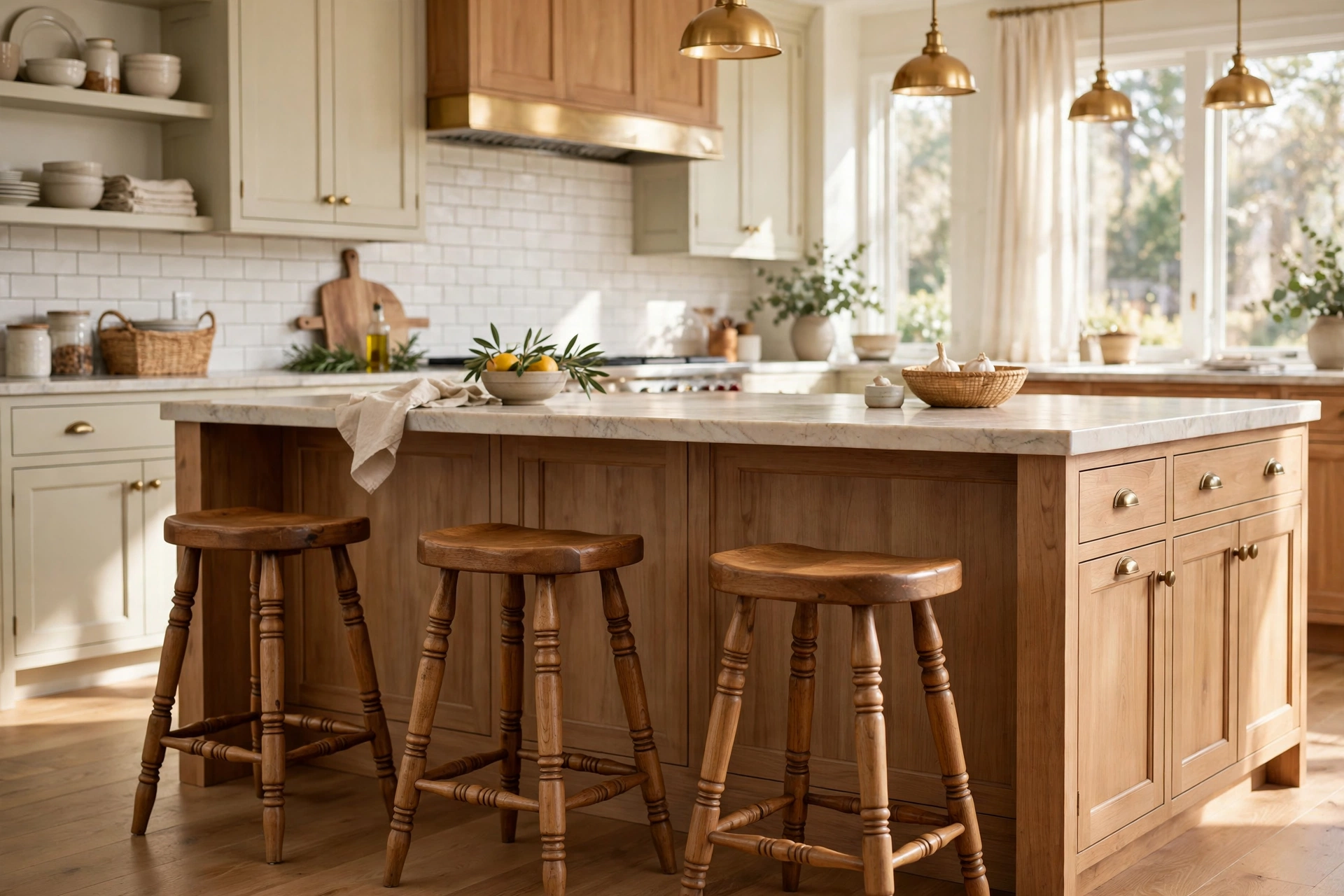
Wooden stools are the workhorse of kitchen seating, and they suit nearly every decor style from farmhouse to Scandinavian. Solid hardwood seats in oak, walnut, or beech age beautifully, developing character rather than wearing out. Look for a turned-leg silhouette for traditional kitchens, or clean tapered legs for a more modern feel. Wood stools with a footrest are far more comfortable for long sits, since dangling legs tire quickly. Choose a stained finish that echoes your cabinetry or flooring for a pulled-together look, or go painted — black, sage, or cream stools can pick up accent colors elsewhere in the room.
3. Industrial Metal Bar Stools
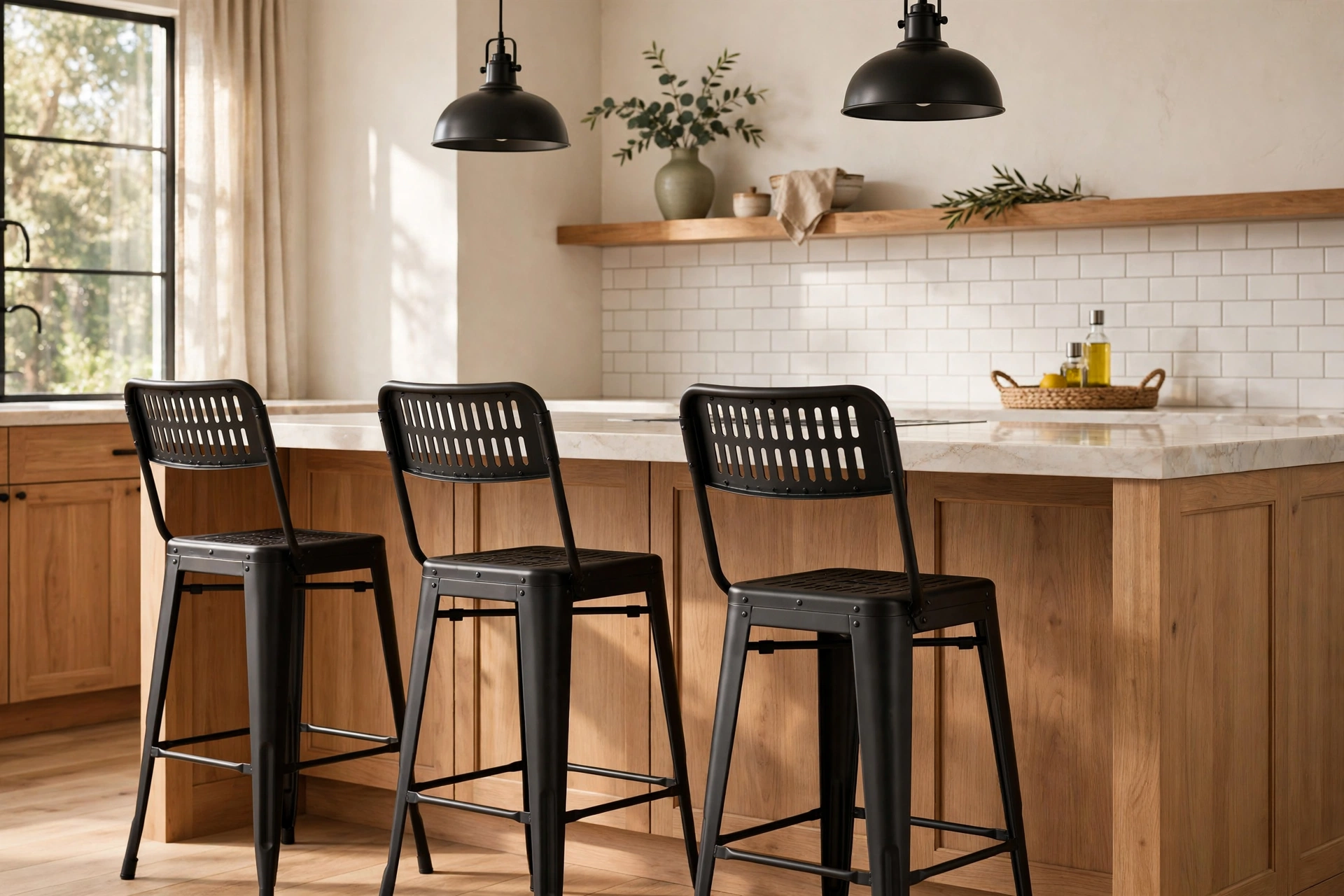
If your kitchen leans loft-style or modern-rustic, metal stools bring instant edge. Classic tractor-seat designs in brushed steel, matte black, or galvanized finishes are practically indestructible — they shrug off spills, pets, and daily family chaos. The downside is comfort: hard metal seats get cold and unforgiving over time, so pair them with a cushion for longer meals or choose versions with a wood or upholstered seat insert. Metal stools also tend to be lightweight and stackable, which is a bonus in kitchens where seating needs to move or store easily. Just add felt pads to protect your floors.
4. Upholstered Stools for Comfort
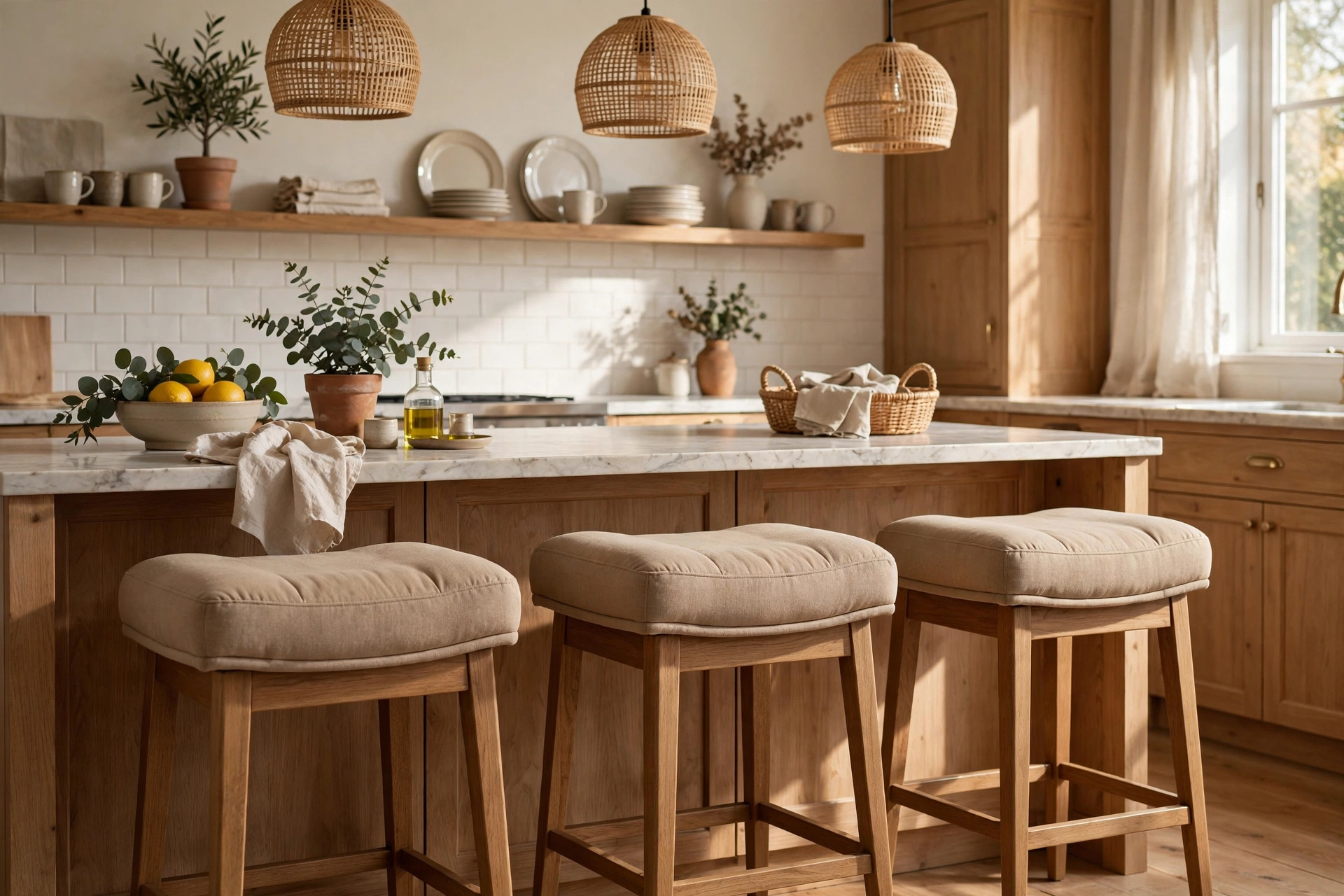
For kitchens where people actually linger — long weekend breakfasts, homework sessions, evening wine — upholstered stools are worth every penny. A padded seat in performance fabric or easy-clean vinyl turns the island into the coziest seat in the house. Performance fabrics resist stains from spaghetti sauce and red wine, making them genuinely practical, not just pretty. Pick a fabric color that repeats elsewhere in the kitchen: chair fabric echoing a runner rug or pendant cord creates an intentional, designed look. Deep, plush seats pair best with a footrest, so check the seat depth alongside the height.
5. Swivel Stools for Sociable Islands
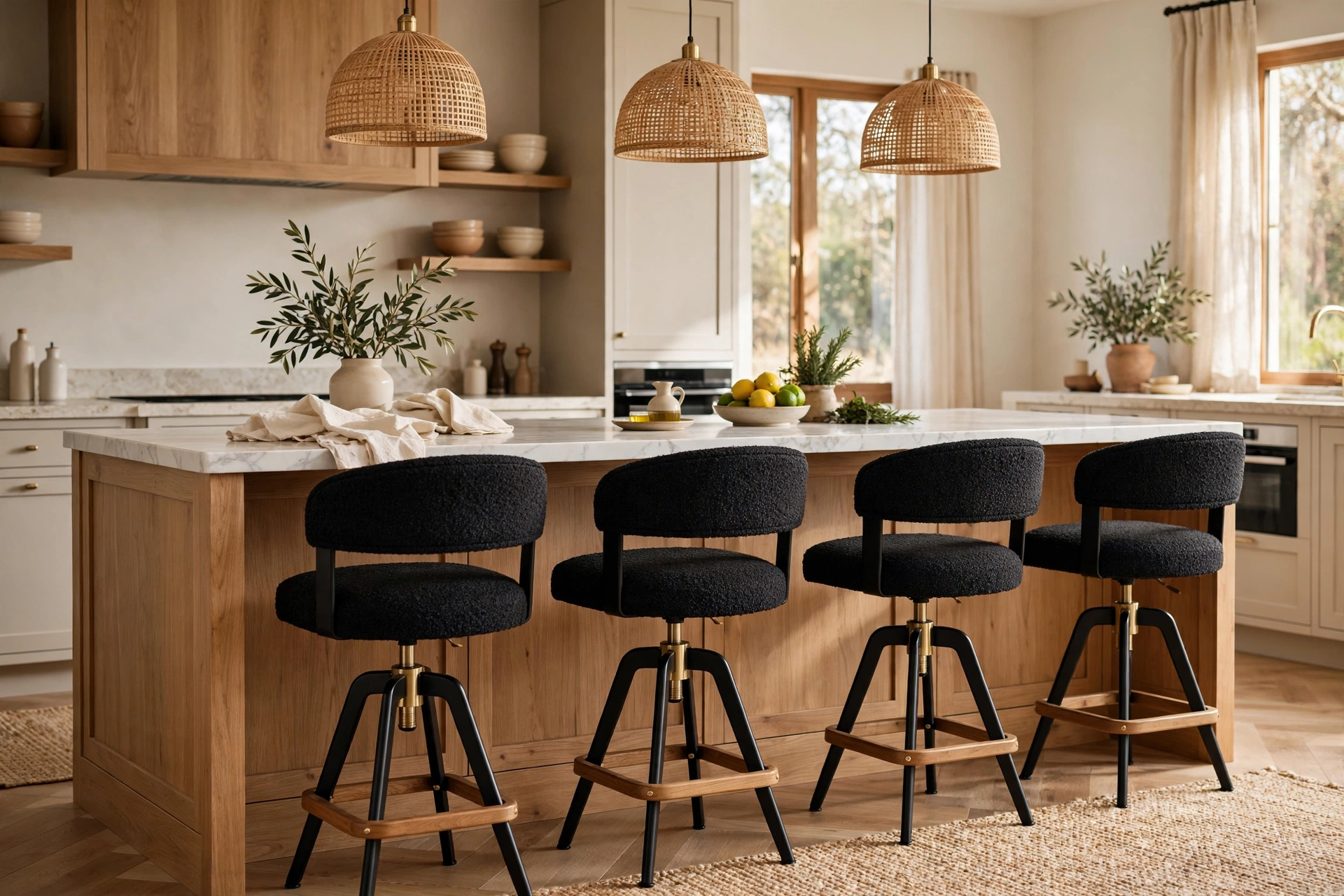
Swivel stools are made for islands where the conversation matters as much as the meal. Being able to turn toward the cook, the living room, or a chatting guest without dragging a stool across the floor is a small luxury you will use daily. Look for smooth, quiet mechanisms — cheap swivels squeak and wobble within months. A 360-degree swivel with a memory-return function is ideal near living spaces, since stools swing back into place on their own and keep the kitchen looking tidy. Swivels also help kids and elderly guests settle in without awkward scooting, making them a genuinely practical choice.
6. Backless Stools That Tuck Away
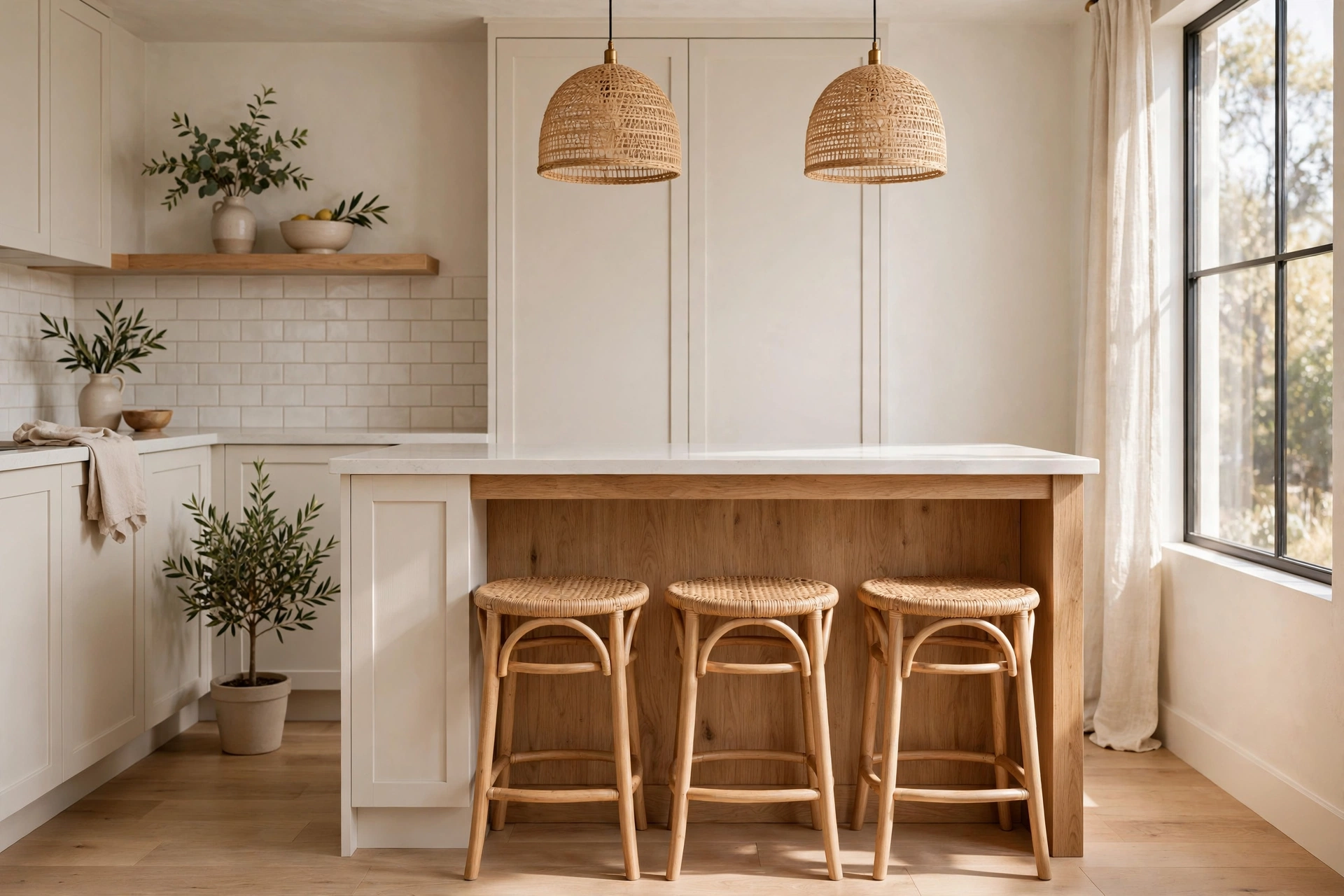
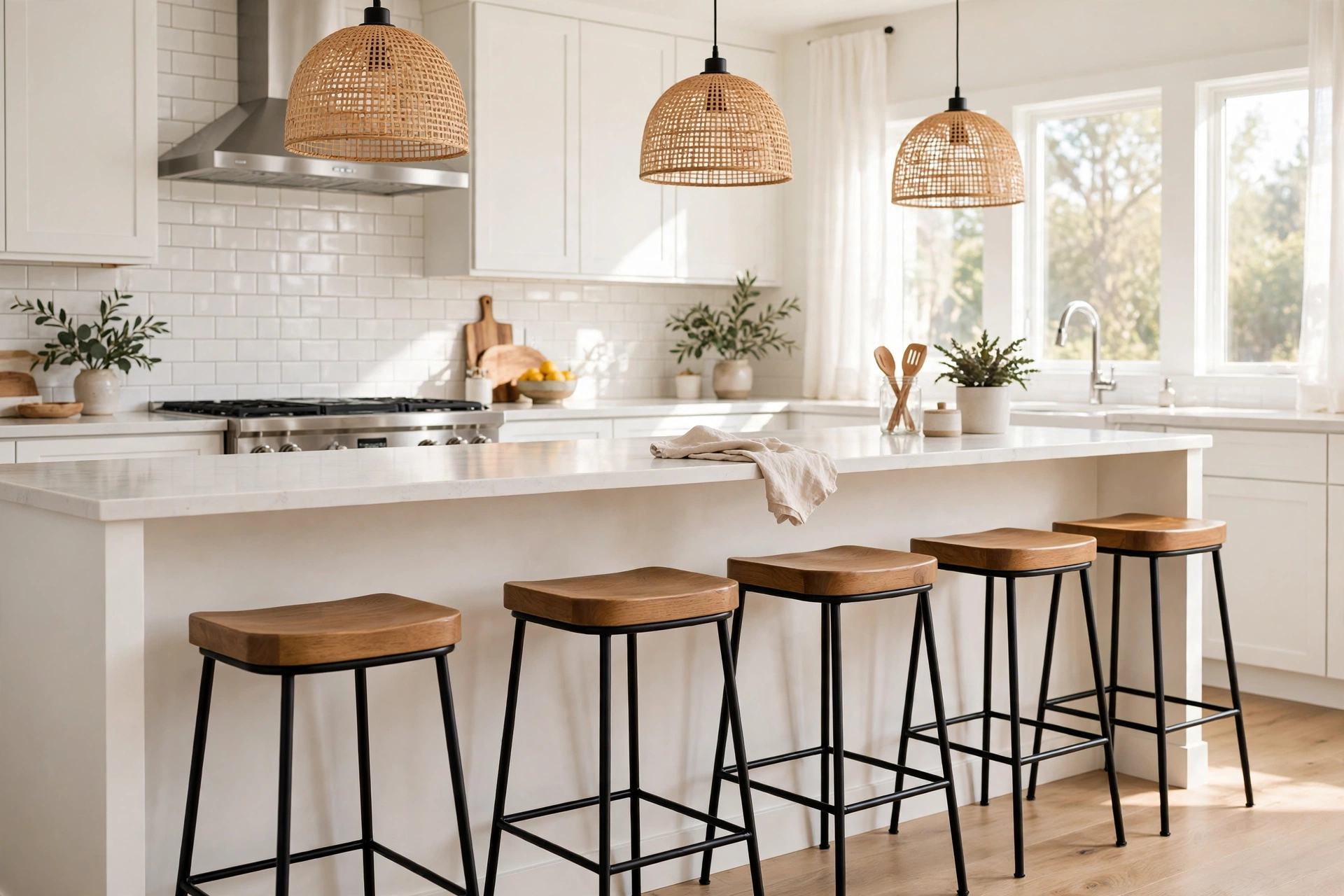
Backless stools are the minimalist’s best friend: they slide completely under the counter, keeping sightlines open and walkways clear. In small or open-plan kitchens, this vanishing act makes the whole space feel larger and calmer. They also work beautifully in pairs along narrow islands where bulky stools would crowd the aisle. The trade-off is support — backless designs suit quick meals and casual perching rather than long dinners. If you go backless, prioritize a contoured or molded seat for comfort, and add a sturdy footrest ring so sitters are not left without a leg perch.
7. Low-Back Stools With Support
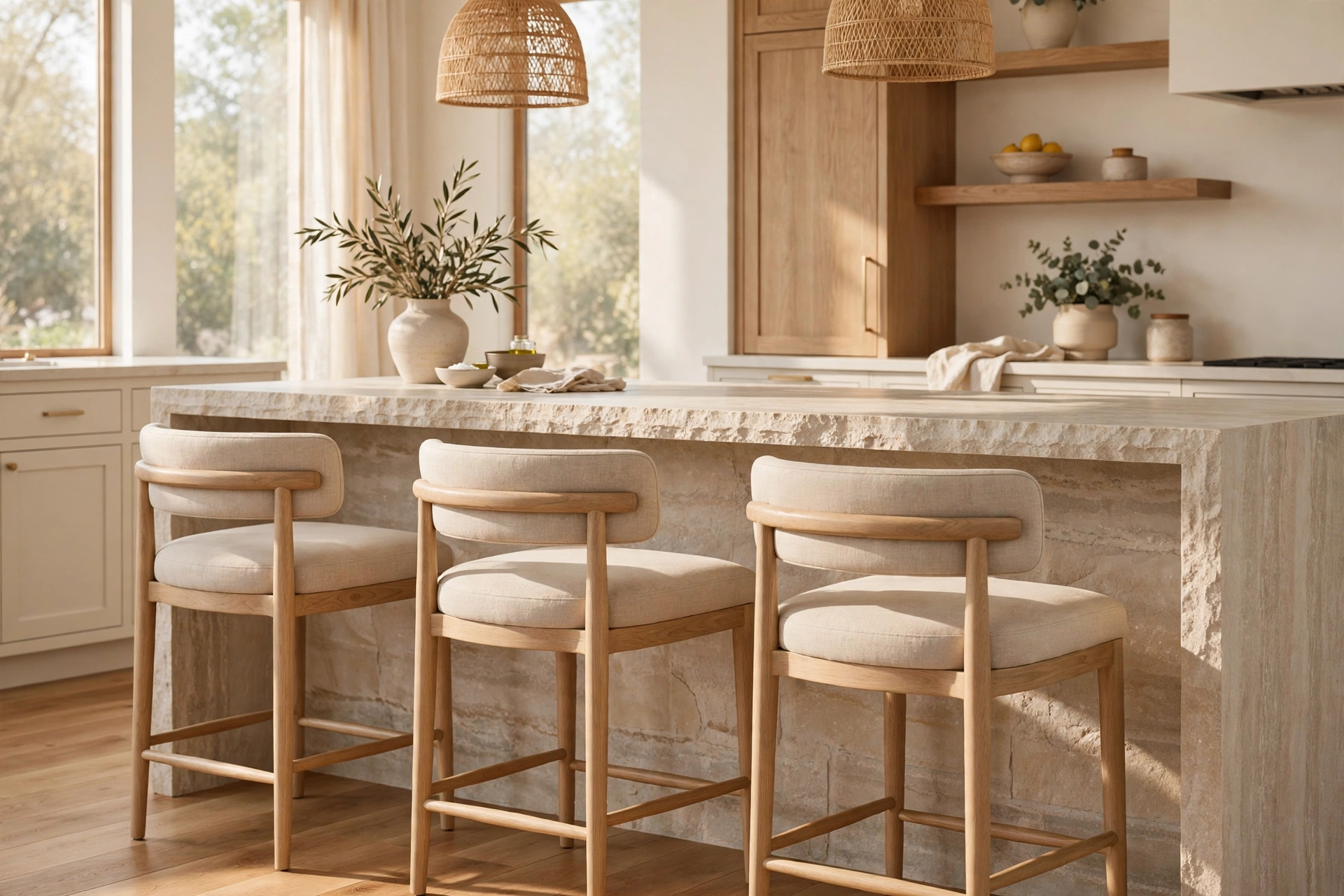
Low-back stools split the difference between backless minimalism and full dining-chair comfort. A short backrest gives your lower back something to lean against during longer sits, yet the low profile still keeps the kitchen feeling open and airy. They read as tailored and modern, especially in leather, molded wood, or upholstered finishes. When shopping, check that the back height clears your counter overhang comfortably — most low backs sit below the counter line, preserving clean sightlines. This style is a smart compromise for busy islands where people eat, work, and chat for hours at a stretch.
8. Rattan and Woven Stools
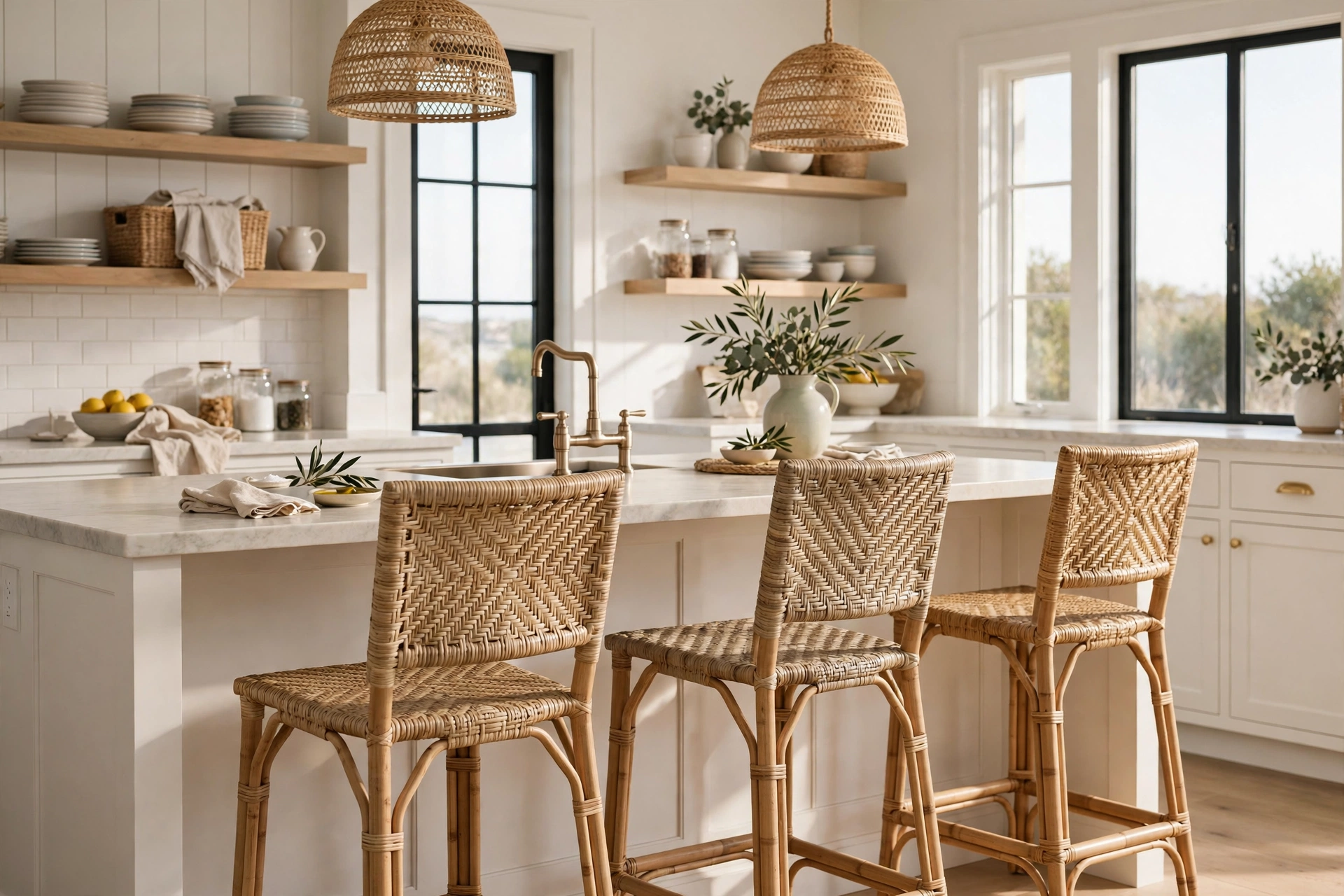
Rattan and woven stools bring warmth and texture that hard surfaces alone cannot provide. Their natural fibers soften kitchens heavy in stone, steel, or glossy cabinets, adding an organic, coastal or bohemian layer. Look for tightly woven cane or rattan over a solid hardwood frame — quality weaving stays taut for years, while loose weaves sag. Keep woven stools away from constant splashes near the sink, since moisture is rattan’s enemy, and wipe spills promptly. For a modern take, choose woven stools with black or brass metal frames, which blend rustic texture with contemporary structure beautifully.
9. Leather Stools With Patina
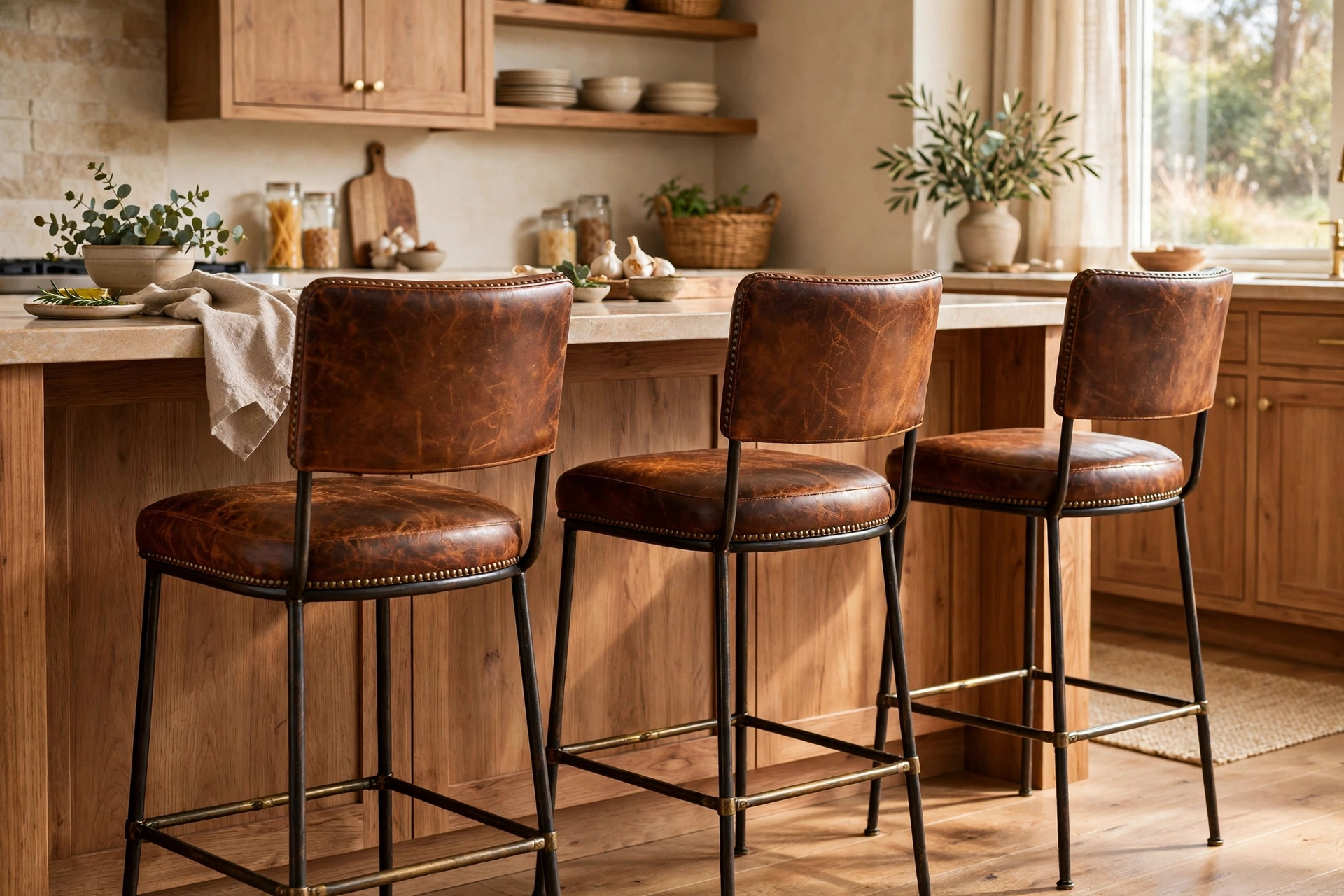
Few materials reward you like leather: it starts handsome and only gets better, developing a rich patina from daily use. Top-grain or full-grain leather in cognac, saddle, or espresso adds instant warmth to kitchens with dark cabinets or stone counters. Leather stools wipe clean easily, which makes them surprisingly family-friendly despite their luxe look. For longevity, choose thick hides with good stitching and a solid wood or metal frame underneath — thin bonded leather peels within a year. Over time, scratches and creases blend into the patina, so these stools actually improve with the very wear that ruins lesser materials.
10. Acrylic Ghost Stools for Small Kitchens
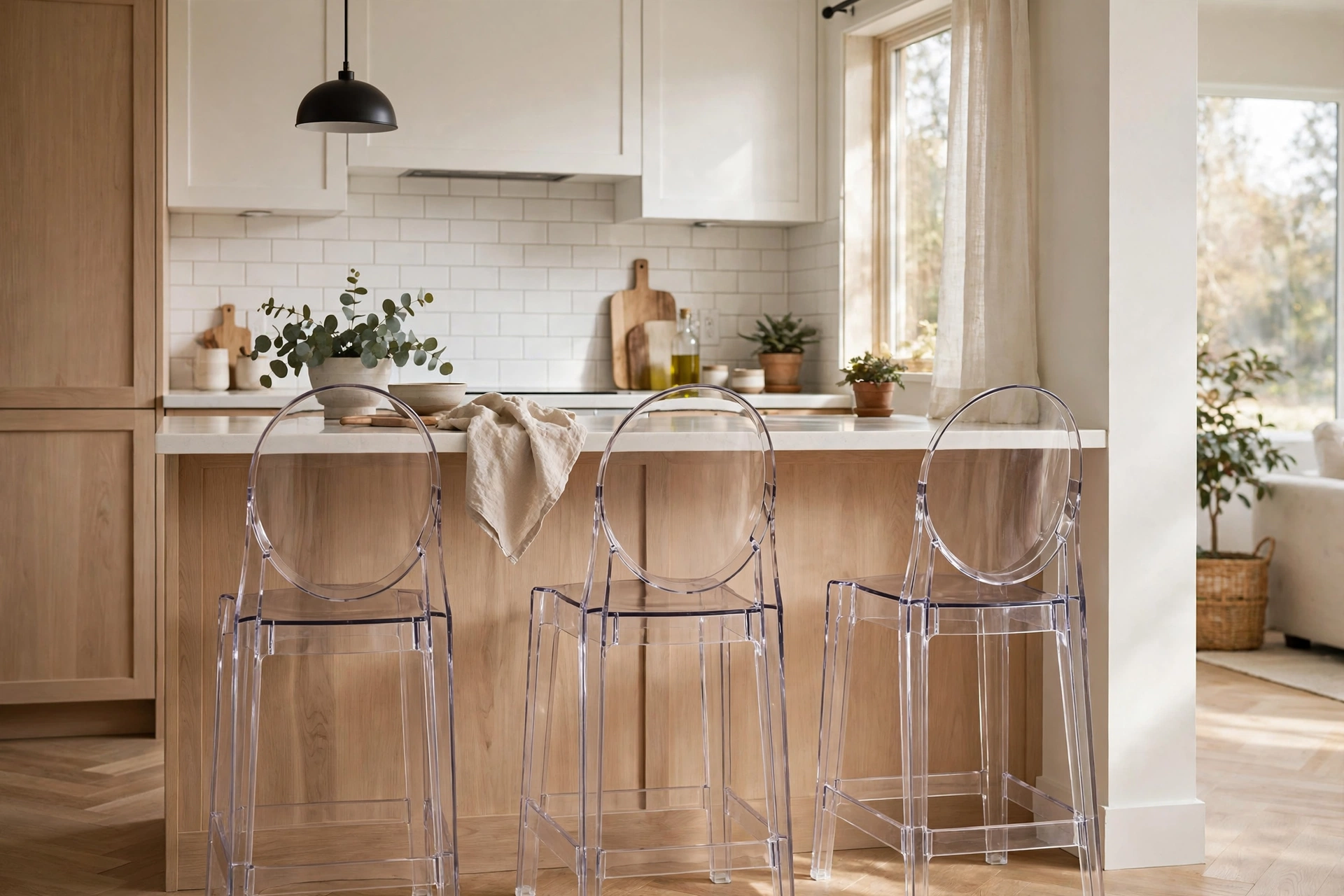
In tiny kitchens, visual weight matters as much as actual footprint — and transparent acrylic stools practically disappear. Ghost-style stools let light pass through, so they never block sightlines or make a compact space feel crowded. They are waterproof, wipeable, and surprisingly sturdy when well made. Pair them with any style, from traditional to ultra-modern, because transparency clashes with nothing. The one catch: acrylic shows every scratch and fingerprint, so look for thicker cast acrylic and keep a microfiber cloth handy. For open-plan apartments where the kitchen must feel like part of the living space, they are unbeatable.
11. Adjustable-Height Stools
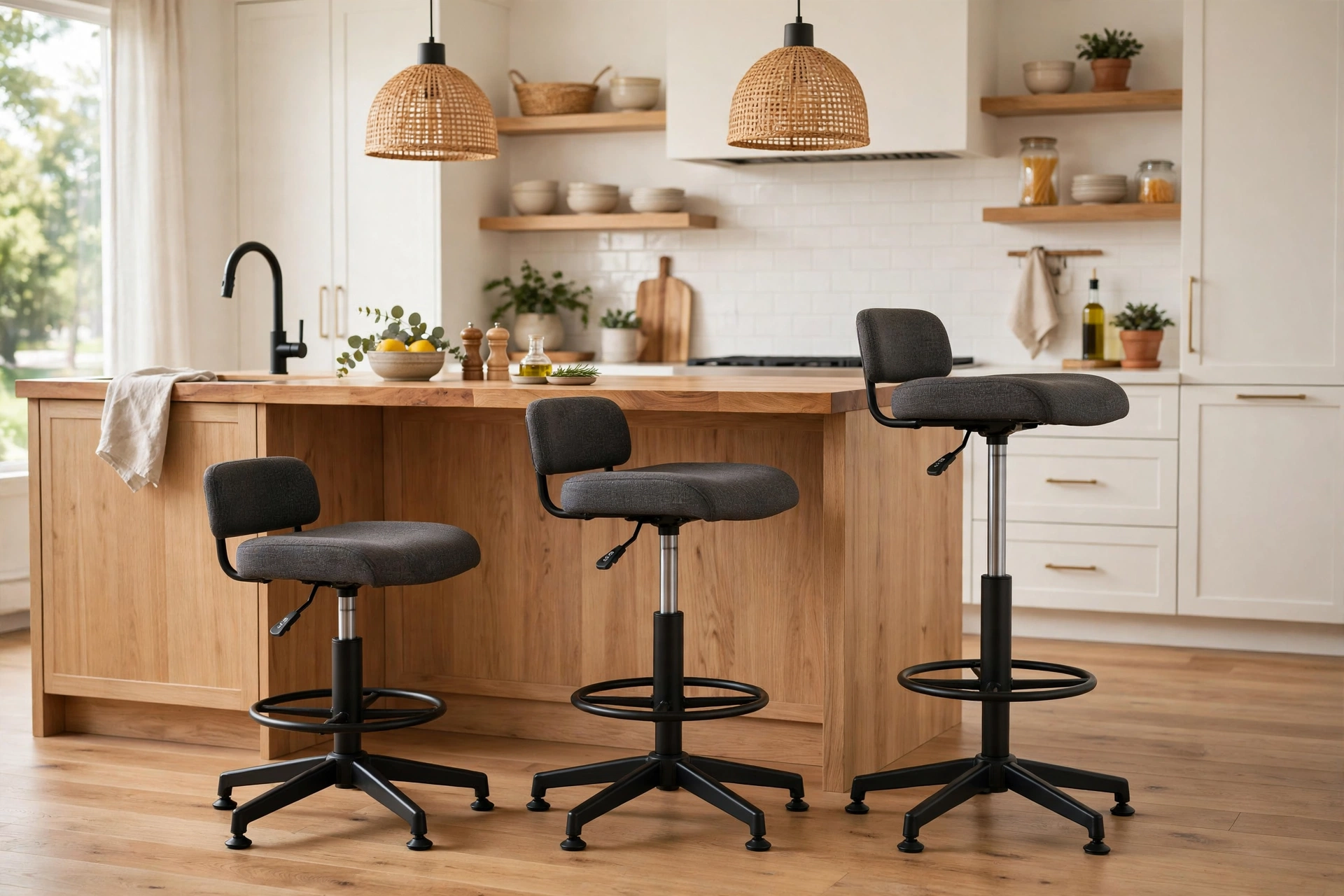
When your household spans kids, tall adults, or counters of different heights, adjustable stools solve the problem in one purchase. A gas-lift mechanism raises or lowers the seat in seconds, adapting from homework height to cocktail height without a second thought. Look for sturdy bases with good weight ratings and a footrest that adjusts with the seat, so short sitters stay comfortable at any height. Hydraulic lifts on cheaper models can leak or stick, so read reviews and favor brands with solid warranties. Adjustable stools are also ideal for multi-use islands that serve as both workspace and gathering spot.
12. Budget-Friendly Dupes and Thrift Finds
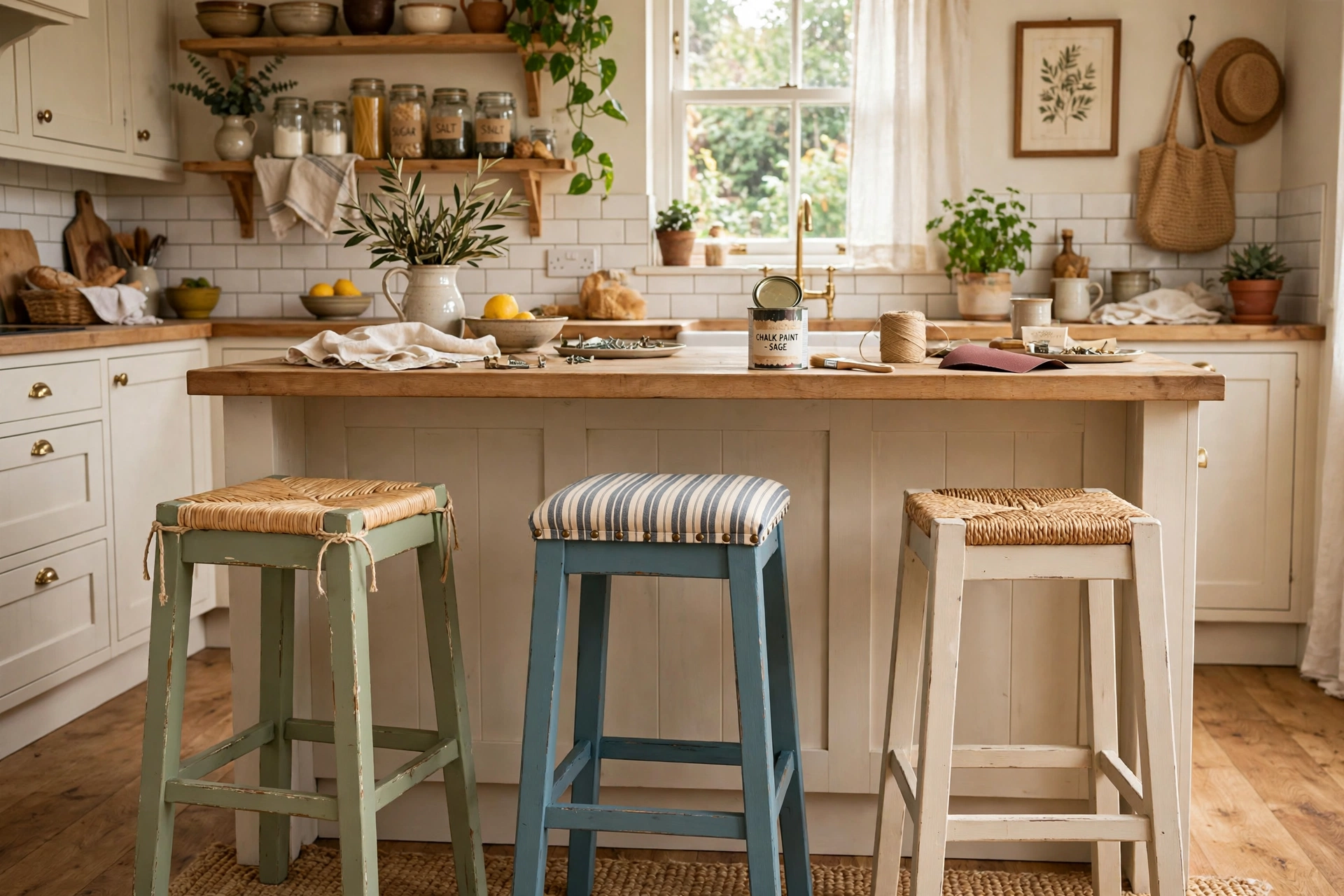
Great-looking bar stools do not require a designer budget. Big-box retailers sell surprisingly convincing dupes of iconic designs — molded plastic wishbone-style stools or bentwood-look counter stools at a fraction of the price. Thrift stores and online marketplaces are treasure troves too: solid wood stools sand down and restain beautifully, and a can of spray paint transforms dated metal frames. Check for wobble, stripped screws, and seat damage before buying secondhand, since structural fixes cost more than they save. For a splurge piece worth saving for, consider handcrafted stools from makers like Schoolhouse — and use budget finds to fill the rest of the row.
13. Mixing and Matching Stool Styles
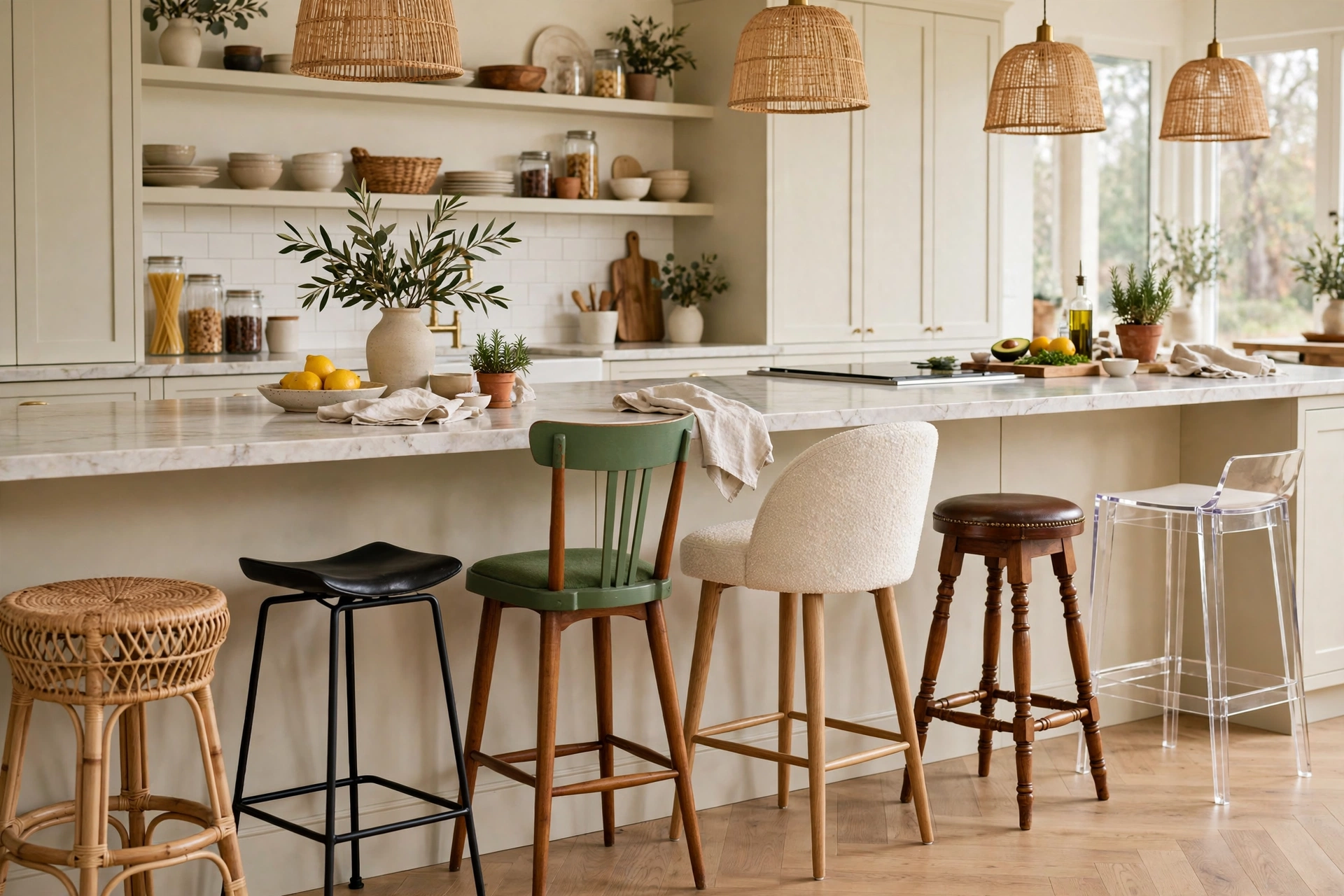
Matching sets are safe, but mixed stools give a kitchen personality and a collected-over-time feel. The trick is sharing at least one unifying element: keep the seat height identical, then vary the material or color. Try two leather stools flanking a pair of woven ones, or alternate black and natural wood along a long island. A common finish — all brass footrests, all oak legs — keeps the mix from looking accidental. Start with three or four stools maximum at one island to avoid visual chaos, and repeat one color from your cabinets or pendants somewhere in the mix to anchor it.
14. Pairing Stools With Pendant Lights
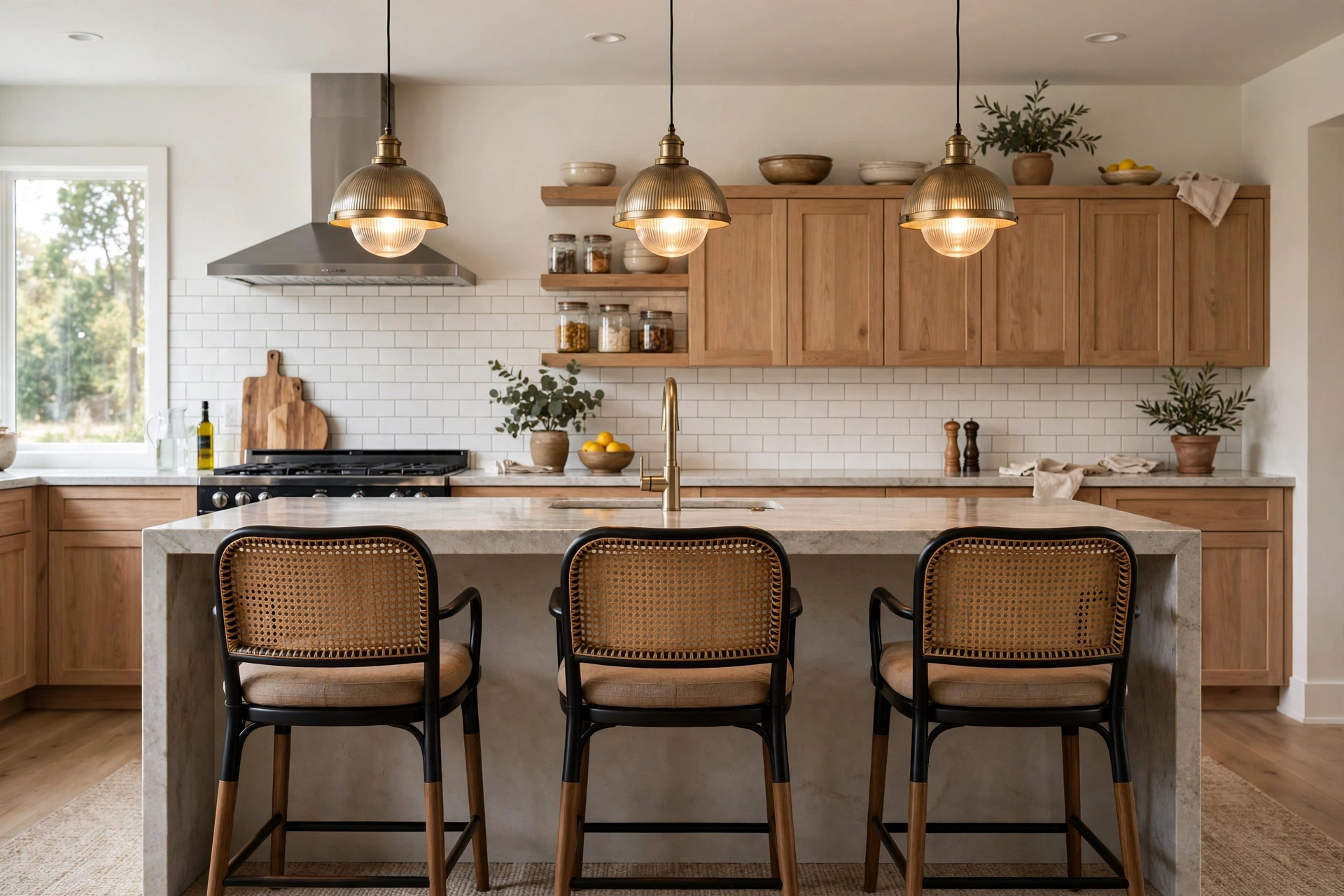
Stools and pendants are seen together every time you look at your island, so coordinating them pays off. A simple rule: let one element star while the other supports. Bold sculptural pendants pair best with simple, quiet stools; statement stools in rich leather or color deserve streamlined pendants. Match finishes thoughtfully — brass stool footrests echoing brass pendants, black metal stools under black dome shades — for a cohesive look. Keep pendant bottoms hung 30 to 36 inches above the counter so sightlines stay open between seated guests. For inspiration on the lighting side, these pendant light pairings run from modern to farmhouse and suit every stool style below.
15. Caring for Your Bar Stools
Bar stools take daily abuse — food spills, shoe scuffs, sliding across hard floors — so a little maintenance goes a long way. Tighten screws and bolts every few months, since wobbly stools loosen fast under daily use. Add felt or silicone pads to every leg to protect floors and cut down on scraping noise. Clean materials correctly: wipe leather with a damp cloth and condition it yearly, dust woven rattan with a soft brush, and avoid harsh chemicals on acrylic, which scratches and clouds. Rotate stools occasionally so wear spreads evenly, and address small stains immediately — kitchens reward the fastidious.
FAQ
What height bar stool do I need for a kitchen island?
Standard kitchen islands and counters are about 36 inches high, so choose counter-height stools with roughly 24-inch seats. Raised bar-height counters of about 42 inches need 30-inch bar stools. The golden rule: leave 10 to 12 inches between the seat top and the underside of the counter so legs fit comfortably. Always measure your own counter before ordering, especially with two-level islands where heights vary.
How many bar stools fit at a kitchen island?
Allow about 24 to 28 inches of width per stool for comfortable elbow room — slightly more for stools with arms. Measure your island’s usable seating length and divide by that number. For a standard 6-foot island, that means three stools fit comfortably; cramming in a fourth leaves everyone squeezed. If seats tuck fully under the counter when not in use, you can push toward the tighter end of that range.
Are backless or backed bar stools better?
It depends on how you use your island. Backless stools tuck away cleanly and keep small kitchens feeling open, but they suit shorter sits. Low-back or full-back stools support longer meals, homework sessions, and evening lingering. Many families mix both: backless stools at a narrow prep side, comfortable backed stools along the main seating side. Comfort always wins where people actually spend time.
What is the most durable bar stool material?
Solid hardwood and powder-coated metal are the toughest everyday choices — both handle spills, kids, and pets for years. Full-grain leather ages beautifully and wipes clean, though it costs more upfront. For woven stools, tightly woven rattan over hardwood frames lasts longest. Whatever you choose, check the weight rating and joinery: solid construction matters more than the material name on the label.
Can I mix different bar stool styles at one island?
Yes, and it often looks better than a matching set. Keep all seat heights identical, then vary color or material while repeating one unifying detail — matching footrests, similar leg finishes, or a shared accent color. Limit the mix to two or three distinct styles at a single island so it reads as intentional rather than random. Echo one finish from your pendants or cabinets to tie everything together.
Keep Exploring
The right bar stools turn a kitchen island from a work surface into the room’s favorite gathering spot — measure carefully, choose materials you will love living with, and do not be afraid to mix styles for a collected look. Once your seating is sorted, finish the scene around it: clutter-free styled countertops keep the island behind your beautiful new stools looking intentional, not chaotic.