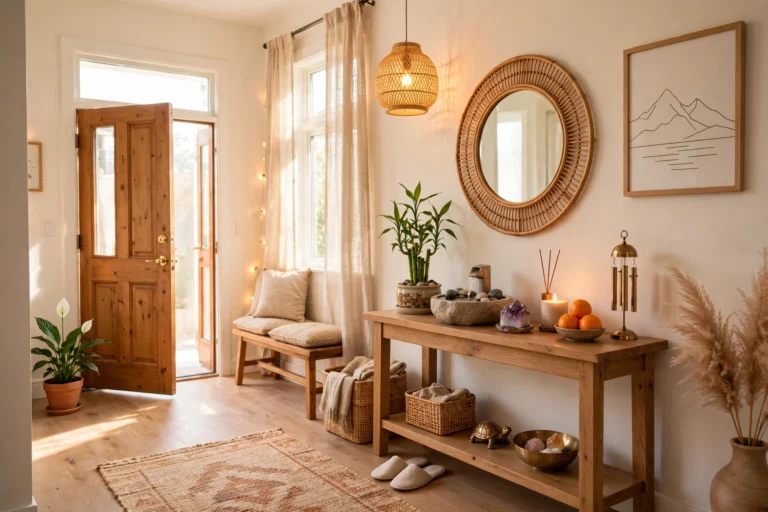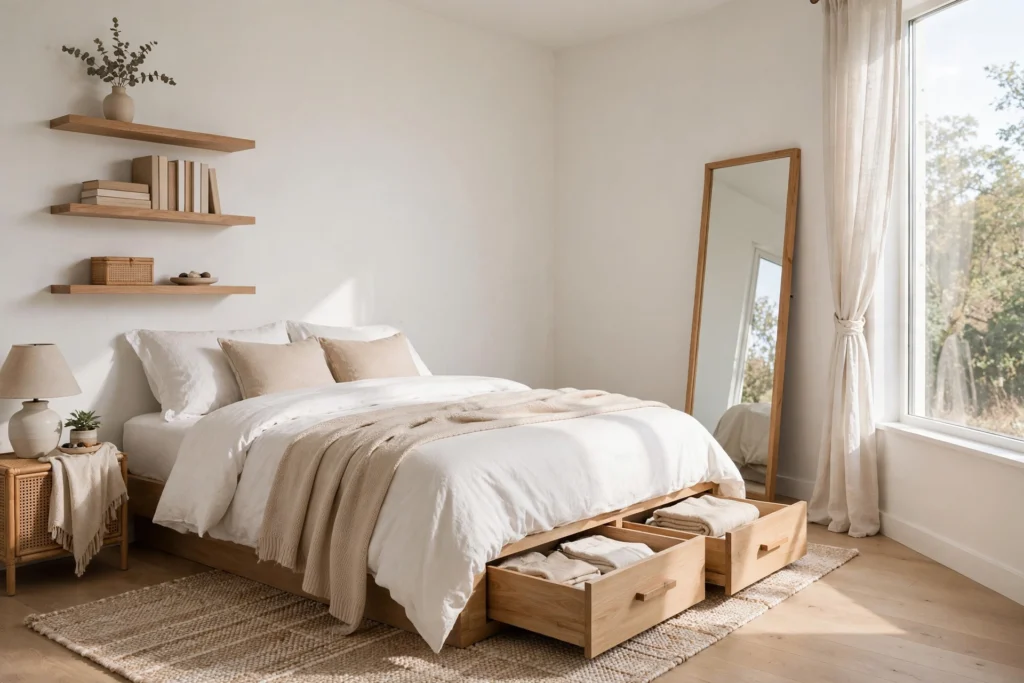

Your entryway takes more punishment than any other floor in the house: wet boots, muddy paws, gritty soles, and the daily drag of coming and going. The right tile turns that hardworking surface into a genuine design moment. These entryway floor tile ideas balance durability with beauty, so your first impression stays stunning even through messy seasons.
Start with the practical side before falling in love with a pattern. Entryways need flooring that resists water, shrugs off scratches, and cleans up with a quick mop. Measure your foyer carefully, decide whether the tile runs wall to wall or sits as a defined “rug” of tile within wood flooring, and then pick the look that makes you smile every time you walk in. A soft runner can warm things further, and these entryway rug ideas for a warm, welcoming entrance pair beautifully with every tile option below.
1. Lean on Durable Porcelain

Porcelain is the workhorse of entryway flooring for good reason: it is fired denser than ceramic, resists water, shrugs off scratches from boots and pet claws, and rarely needs sealing. Choose a textured or matte finish for extra grip on rainy days. It handles road salt, dripping umbrellas, and muddy shoes without flinching. Look for a PEI wear rating of 4 or 5 for the toughest residential performance, and consider a rectified edge for tight, modern grout lines. For busy households, porcelain remains the safest, lowest-maintenance investment under your guests’ feet.
2. Make a Statement With Patterned Cement
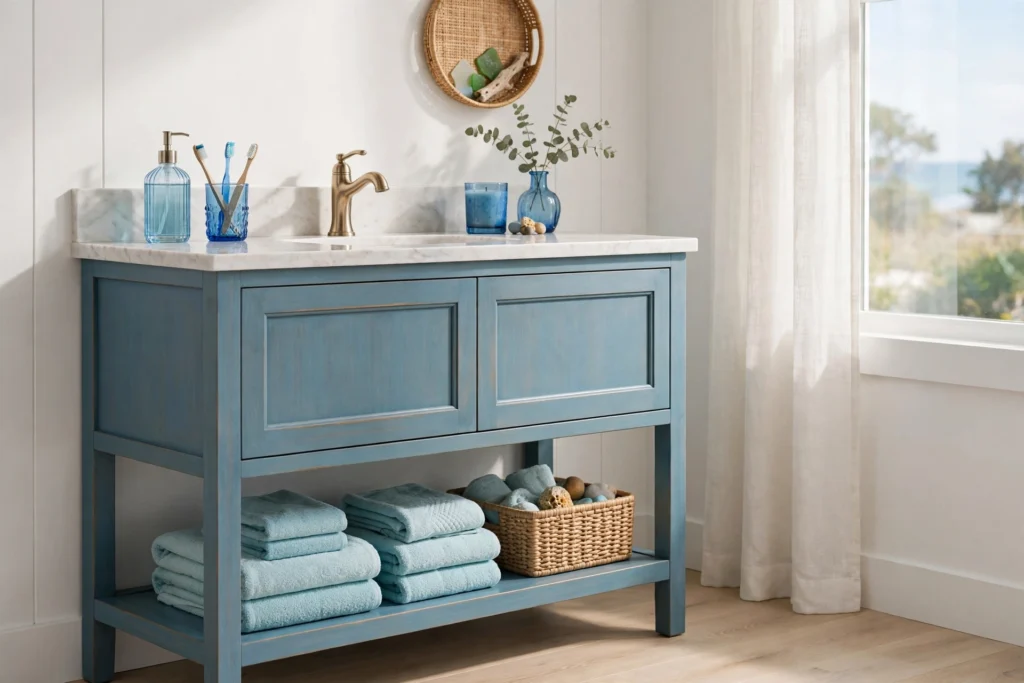
Patterned cement and encaustic-look tiles turn an ordinary foyer into the most photographed corner of the house. Bold geometric motifs, vintage starbursts, or hand-drawn-looking florals create instant personality, especially in a small entry where a little drama goes a long way. Balance the busy pattern with simple walls and minimal furniture so the floor stays the star. Seal real cement tiles well, since they are porous, or choose porcelain replicas for the encaustic look with porcelain’s easy care. These tiles shine brightest when the foyer is its own defined zone.
3. Refresh the Classic Checkerboard
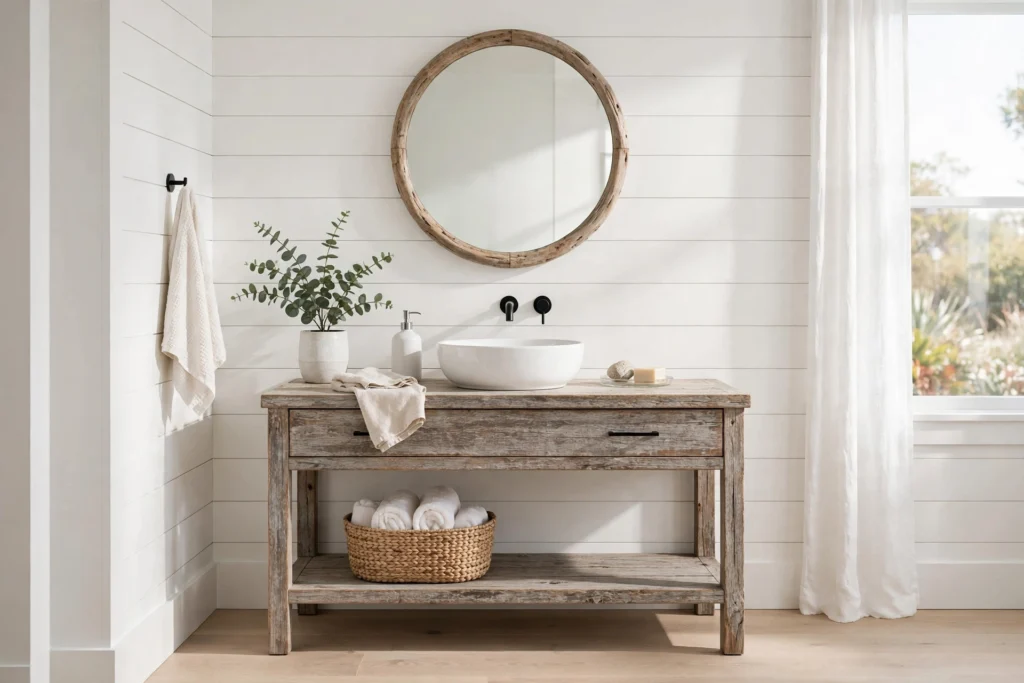
Checkerboard floors have welcomed guests for centuries, but today’s versions feel fresh rather than fussy. Muted modern pairings — cream and soft gray, charcoal and warm white, or sage and ivory — update the classic contrast into something calm and sophisticated. Smaller squares read traditional, while larger formats feel contemporary. Grout in a tone close to the lighter tile keeps maintenance easy, since grime shows less. For a softer take, try tone-on-tone squares in two shades of the same color for subtle pattern without high contrast. It is a timeless pattern suiting nearly any home style.
4. Warm Things Up With Terracotta
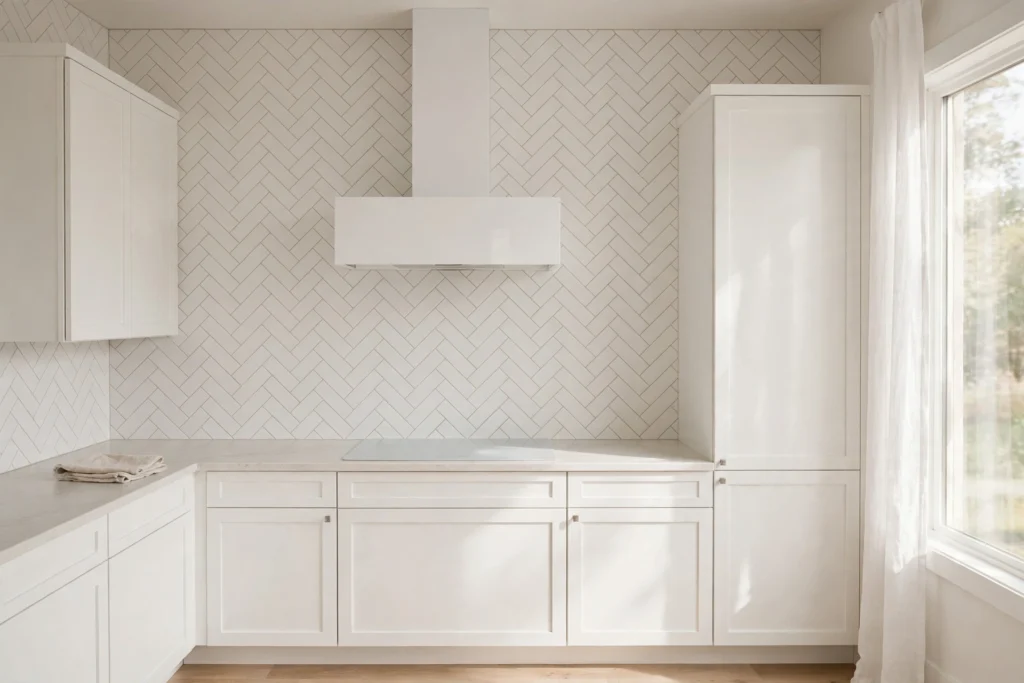
Terracotta brings an instant sense of warmth and history to an entryway, with rich earthy tones that make guests feel at ease the moment they step in. Its hand-made character and slight color variation add soul that mass-produced tiles cannot match. Sealed terracotta handles daily wear well, though plan on resealing every few years to keep stains from settling in. In colder climates, it pairs beautifully with radiant heating underneath for a floor warm in every sense. Pair it with woven baskets, a wooden bench, and greenery for a Mediterranean welcome.
5. Go Elegant With Natural Stone
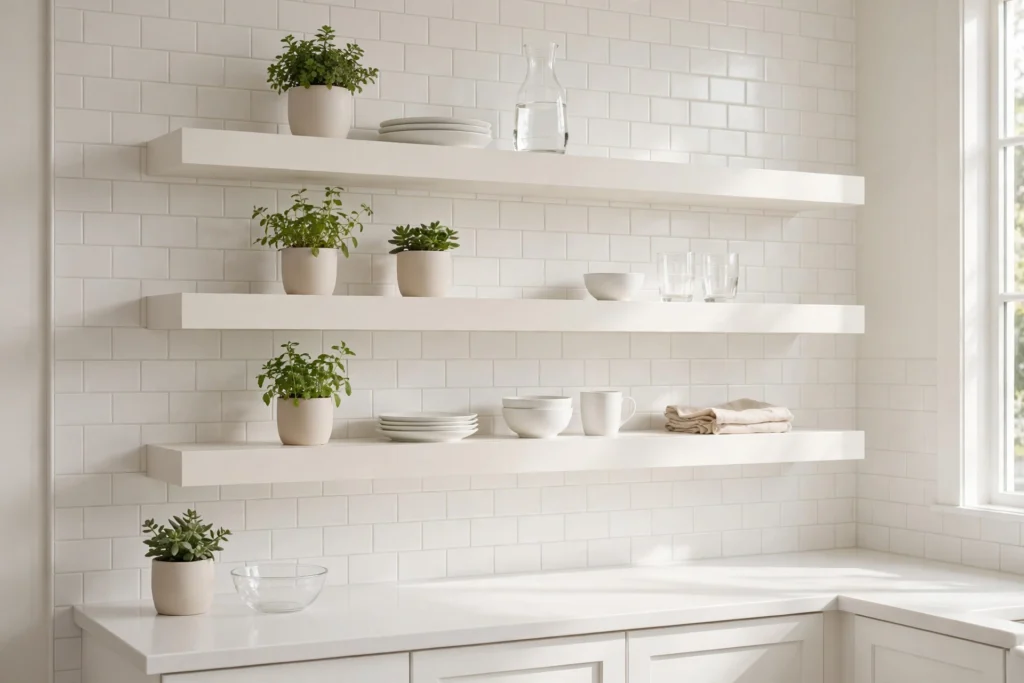
Slate, marble, travertine, and limestone each bring natural depth that printed tiles can only imitate. Slate’s varied tones hide dirt remarkably well, making it a forgiving choice for high-traffic entries, while honed marble delivers quiet luxury in a formal foyer. Natural stone must be sealed, and softer stones like marble can etch, so this route suits households willing to do a little upkeep. The payoff is a floor with genuine character that ages gracefully — a worthwhile trade. Keep the finish honed rather than polished for better traction and a more relaxed feel.
6. Expand Small Foyers With Large-Format Tile
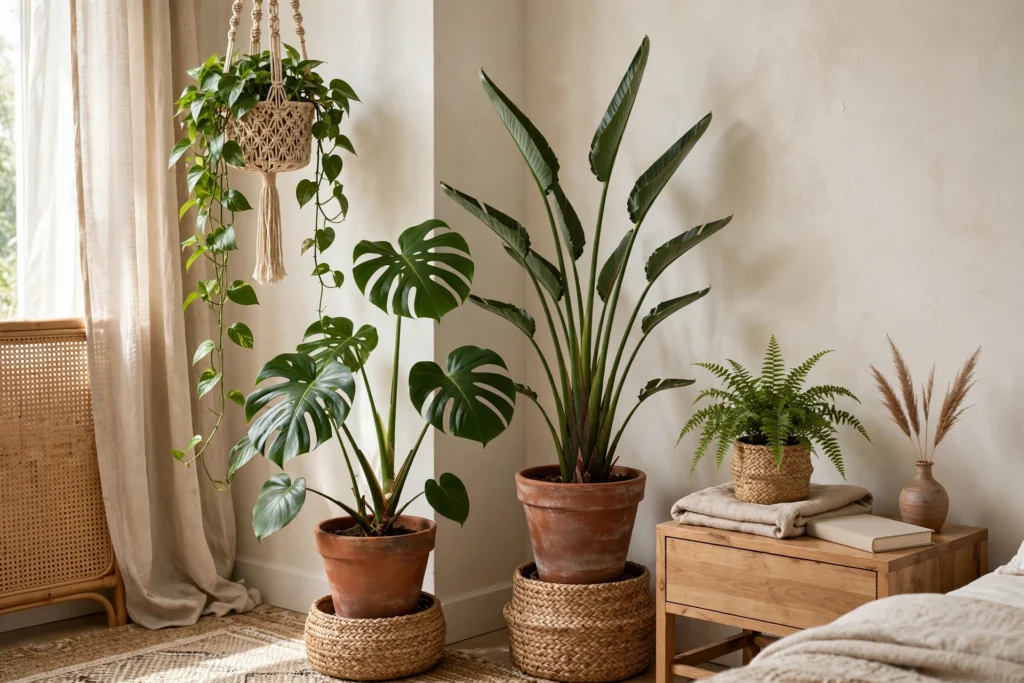
A tiny entryway feels bigger under large-format tiles, because fewer grout lines mean less visual interruption. A 24-by-24-inch tile can make a cramped foyer read surprisingly generous, especially in a light color that reflects daylight from the door. Stick to simple, calm patterns in small spaces — the format itself is the design move. Lighter grout colors blend with pale tiles to make the surface read as one continuous, generous plane. This is one of the simplest tricks for apartment entries, where every square foot must work visually as hard as it does functionally.
7. Add Movement With Herringbone
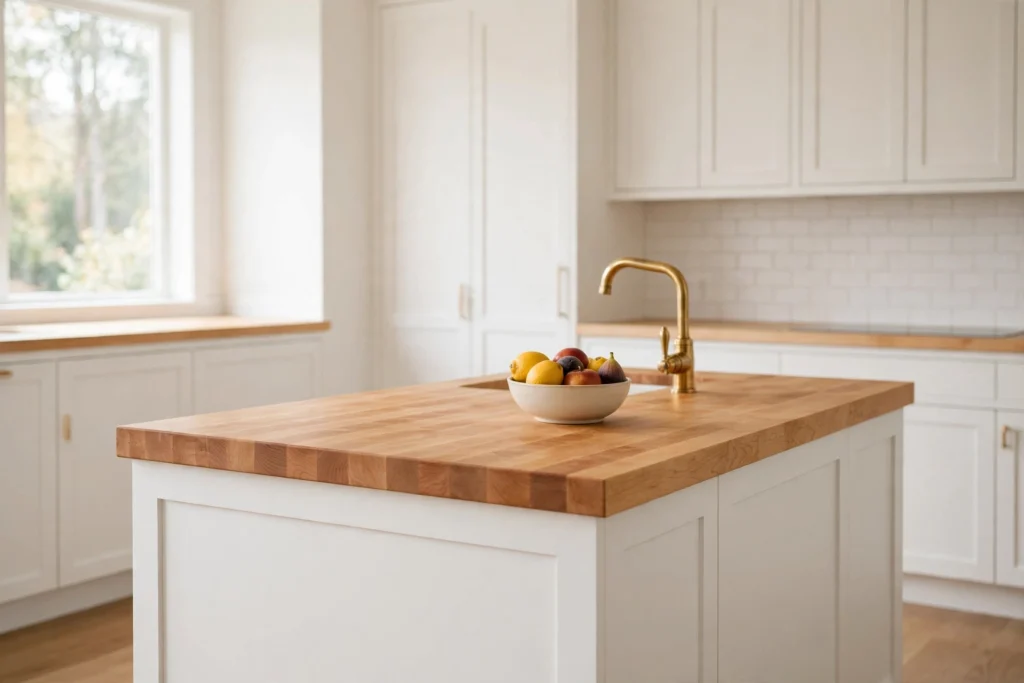
Herringbone layouts add tailored energy to an entryway, zigzagging the eye forward and giving plain rectangular tiles a custom, high-end feel. Wood-look porcelain in a herringbone pattern is a favorite for foyers, offering rustic warmth with none of wood’s vulnerability to water. Keep surrounding decor simple so the floor pattern shines. The pattern does demand precise installation, so budget for a skilled tile setter — this is not the layout for a first DIY attempt, but the extra labor pays off in a floor that looks custom. The angled lines add welcome dynamism to long, narrow entries.
8. Try a Diagonal Layout
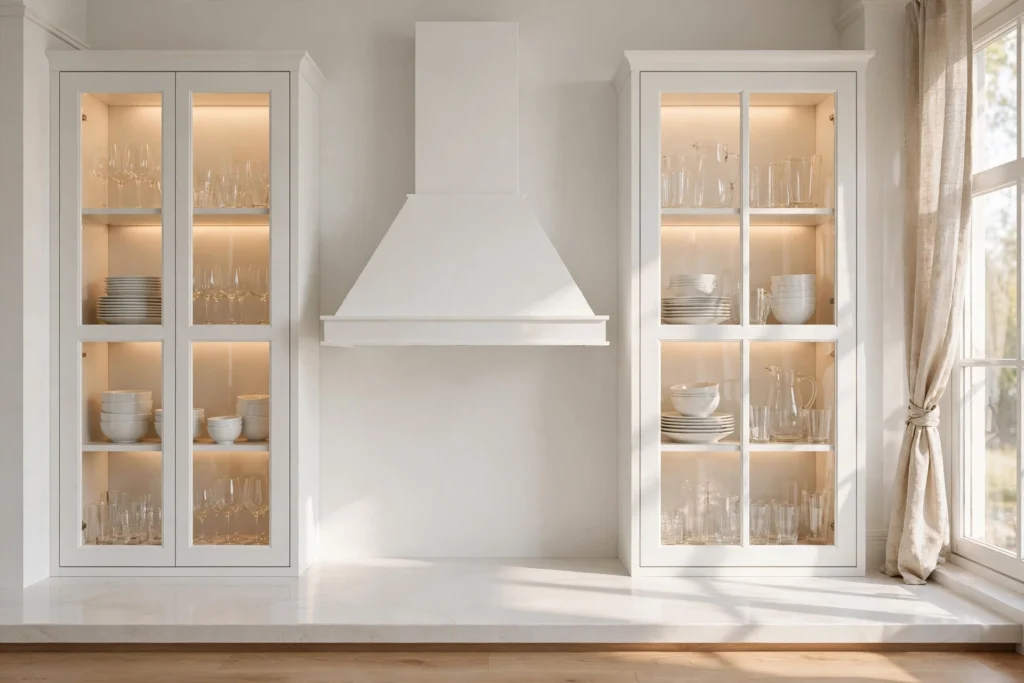
Setting square tiles on the diagonal is a classic designer trick for making an entryway feel wider and more generous. The 45-degree angle draws the eye outward toward the walls, expanding the perceived footprint of even the smallest foyer. It also breaks up boxy room proportions and adds subtle sophistication without introducing a new pattern or color. Expect slightly more tile waste and labor than a straight grid, but the visual payoff far exceeds the extra cost and effort involved. Diagonal layouts flatter both simple solid tiles and gentle tone-on-tone patterns.
9. Frame the Foyer With a Tile Border
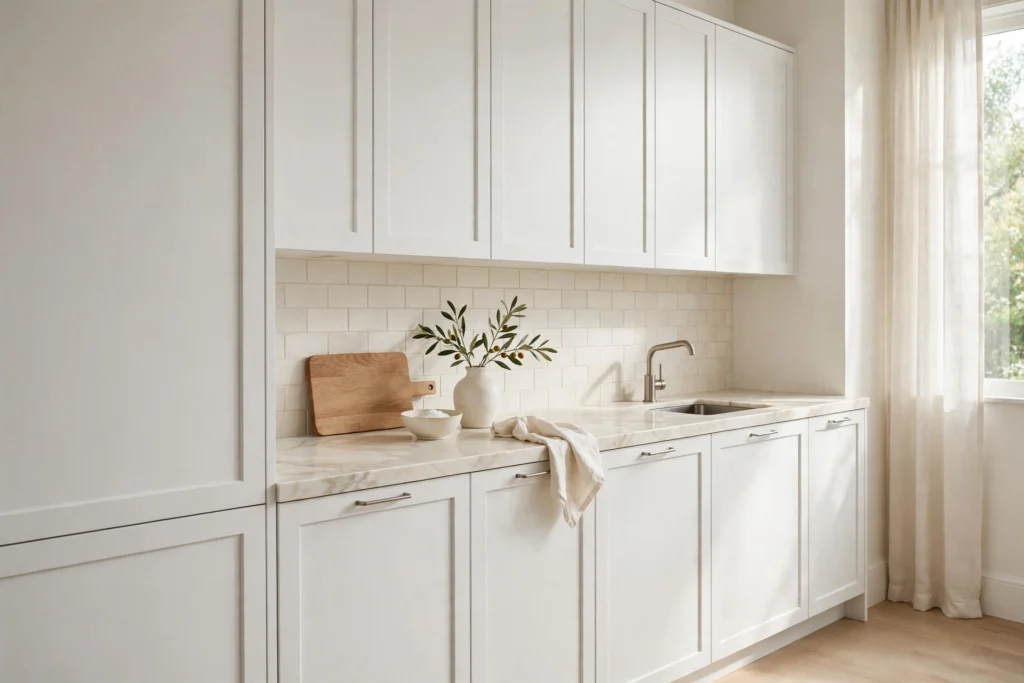
A border of contrasting tile frames your entry like a built-in rug, defining the foyer zone within an open floor plan. Run a band of darker stone, patterned accent tile, or mosaic around the perimeter of a field of simpler tiles for a tailored, intentional look. Borders work beautifully at transitions too, marking where the tiled entry meets wood flooring beyond. Keep the border proportional — a wide foyer can carry a bolder band, while a narrow entry needs a slimmer line. It is an elegant way to make the entry feel like its own distinct room.
10. Mix Tile With Wood Floors
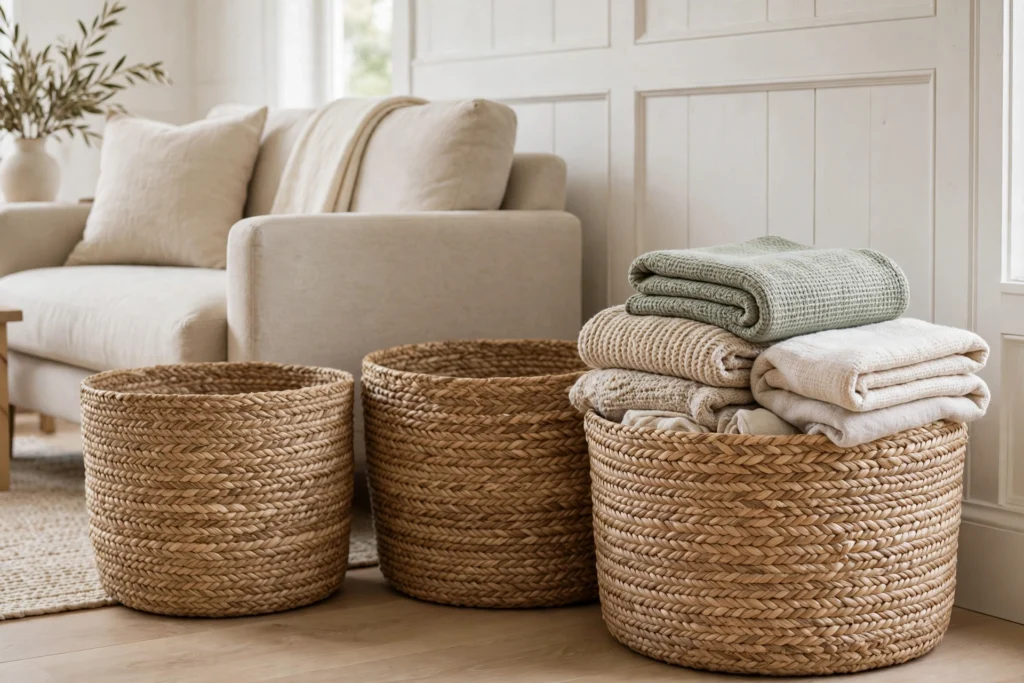
Tiling just the entry zone and meeting the wood floors with a clean transition gives you durability where you need it and warmth everywhere else. Use a slim metal or stone threshold strip for a crisp line, or butt the tile directly against the wood for a seamless modern edge. Repeat a tone from the wood in the tile choice so the two materials feel related rather than random. For more hardworking-entry planning, these mudroom design ideas that make every entryway work harder show how to zone busy entrances with smart material choices.
11. Choose Matte and Textured Finishes
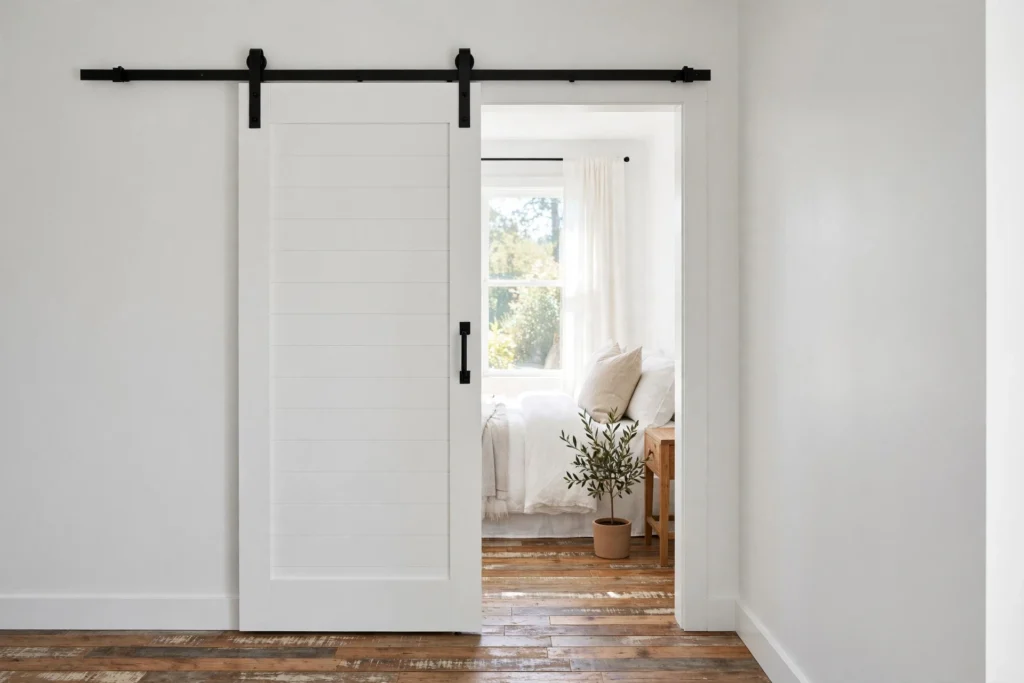
Glossy tiles show every footprint and scuff, so matte and lightly textured finishes are the smarter entryway pick. A honed or matte surface hides everyday dirt between cleanings and offers better traction when shoes are wet. Textured porcelain mimicking linen, stone, or raw concrete adds tactile richness while staying easy to mop. If you love the look of polished marble, consider a honed version for the entry — the same veining with a softer, more practical glow. Finish choice is one of the quietest ways to make an entryway both prettier and more forgiving.
12. Get the Grout Right and Seal It
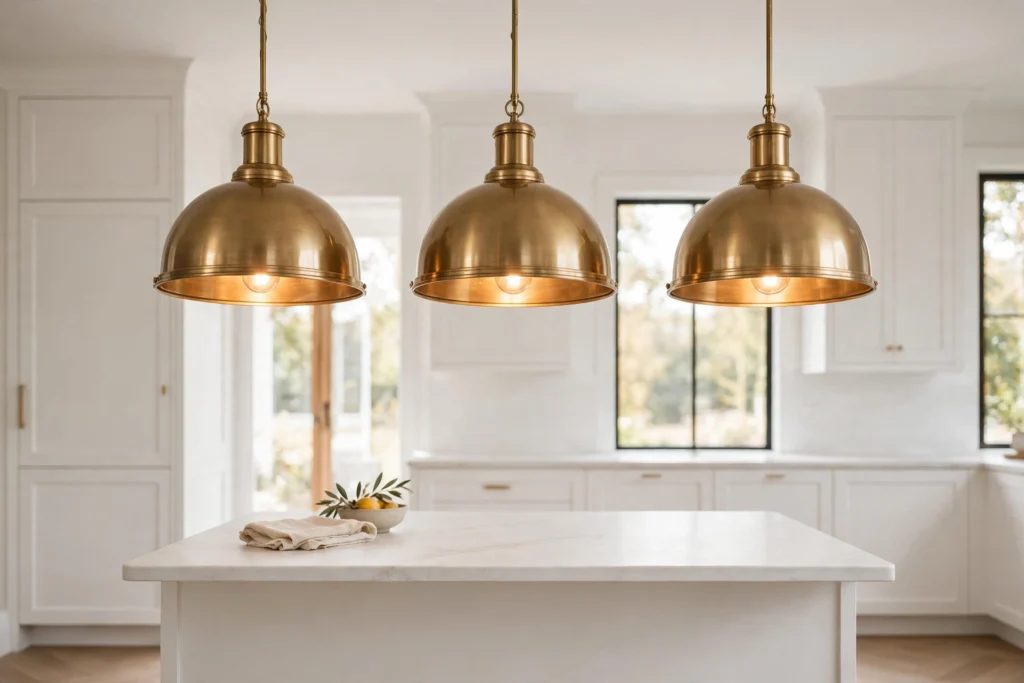
Grout can make or break an entryway tile installation, since foyer grout lines collect dirt faster than anywhere else. Choose a grout color close to mid-tone — stark white shows everything, while very dark grout can look harsh with light tiles. Epoxy grout resists staining far better than standard cement grout and is worth the upgrade in a busy entry. Always seal cement-based grout after installation and reseal natural stone tiles too. If old grout looks tired, a professional steam clean or a grout colorant refreshes the whole floor for a fraction of replacement cost.
13. Add an Inlay Medallion
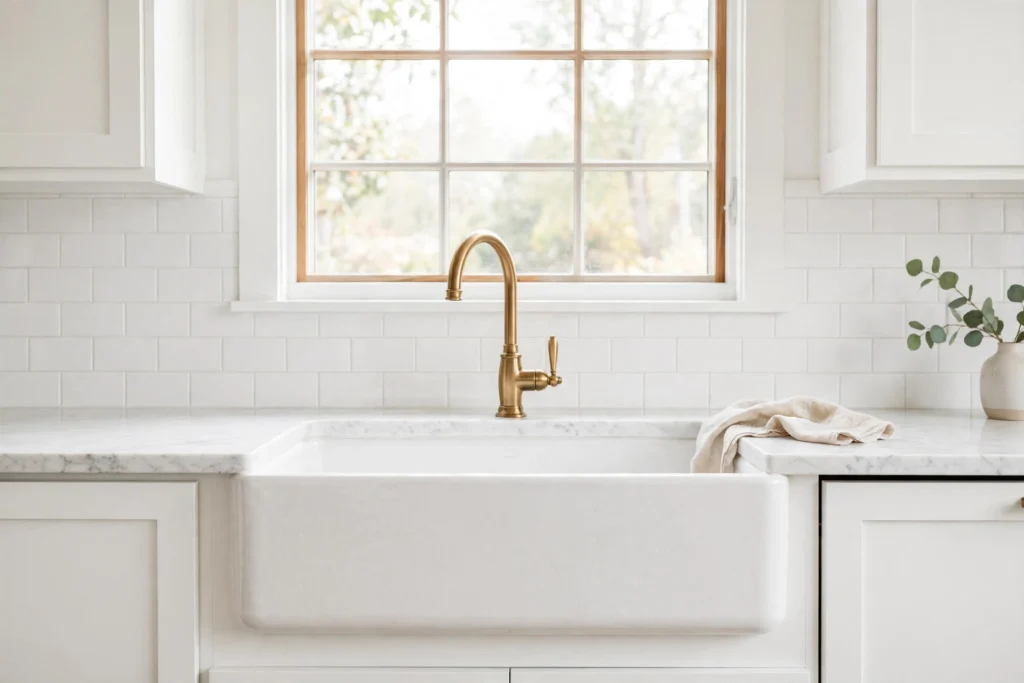
A tile medallion set into the center of the foyer is a grand gesture that suits formal entries and larger homes. Compass roses, starbursts, or concentric geometric inlays create a focal point that anchors furniture and rugs around it. Waterjet-cut medallions from natural stone deliver the most refined results, but printed porcelain medallion tiles offer the look at a friendlier price. Keep the surrounding field tile quiet so the medallion reads clearly, and plan its placement before ordering field tile. Center it on the door’s sightline for maximum impact when it swings open.
14. Embrace Zellige’s Handmade Variation
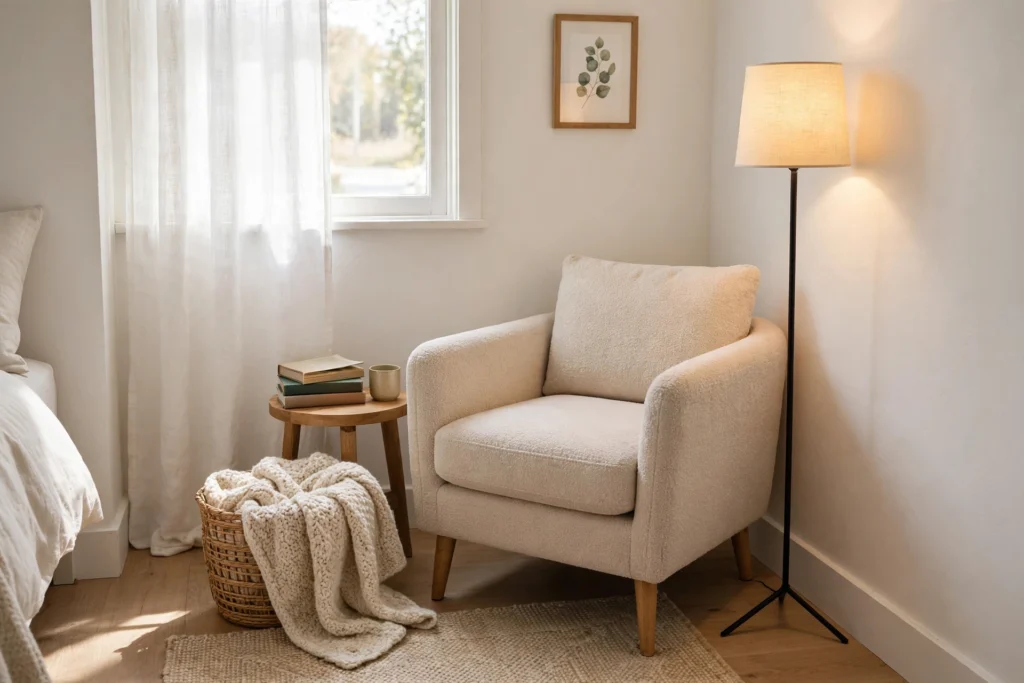
Zellige tiles bring artisanal character to an entryway with their undulating surfaces and hand-mixed color variation. No two tiles are identical, so the floor shimmers with subtle movement as light shifts across it — a living surface that feels crafted rather than manufactured. Traditional zellige is porous and needs sealing, making it best for lower-traffic foyers, though glazed ceramic lookalikes offer similar charm with easier care. Stick to soft, luminous tones like ivory, pale blue, or sage for an entry that glows. For pattern inspiration, this guide on how patterning transforms an entryway shows how layout choices change the whole mood.
15. Consider Budget Peel-and-Stick Tiles
Renters and budget renovators can still get the entryway tile look with high-quality peel-and-stick tiles. Modern versions convincingly mimic cement patterns, checkerboard, and marble at a fraction of the cost, and they install in an afternoon with no special tools. They will not match real tile for durability or water resistance, so use them in low-moisture entries and avoid standing water. Prep the subfloor carefully — clean, smooth, and dry — for the best adhesion. It is a smart interim upgrade that delivers real style while you save for the permanent renovation.
Frequently Asked Questions
What is the best tile for an entryway floor?
Porcelain is the top all-around pick: dense, water-resistant, scratch-tough, and available in every style from marble-look to wood-look. Sealed natural stone like slate also performs beautifully. Whatever you choose, pick a matte or textured finish for grip, and confirm the tile’s slip rating suits a wet-shoe zone. For layout inspiration, this roundup of tile ideas for your entryway covers popular patterns and materials worth considering.
Are patterned tiles too busy for a small entryway?
Not at all — a bold pattern can make a small foyer feel intentional rather than cramped. The key is scale: choose a motif sized to the space, keep walls and furniture simple, and let the floor be the single statement. If you are nervous, start with a tone-on-tone pattern or use the bold tile as a bordered inset.
How do I keep entryway tile grout clean?
Start with stain-resistant epoxy grout or a well-sealed cement grout in a mid-tone color that hides soil. Mop weekly with a pH-neutral cleaner — harsh acids and bleach degrade grout over time. For dingy existing grout, a steam cleaner or oxygen-bleach paste restores brightness without a full regrout.
Can I install tile over my existing entryway floor?
Often yes, provided the current floor is stable, level, and well-adhered — tile can go over existing tile or vinyl with proper preparation and the right primer or membrane. Never tile directly over cushioned vinyl, carpet, or damaged subfloor. Check door clearances too, since the added height can interfere with the front door swing.
Is heated tile worth it in an entryway?
For cold climates, radiant heat under entryway tile dries wet footprints faster and feels wonderful on winter mornings. Electric mat systems suit small foyers and retrofit well under tile. The running cost is modest for a small zone, and the comfort upgrade is immediate.
Keep Exploring
Whether you chose bold patterned cement, a quiet large-format porcelain, or warm terracotta, finish the space with good lighting and a place to drop your keys. The best entryway floor greets you happily every single day — tough enough for real life, beautiful enough to make you pause at the door.
If your foyer is compact, these small entryway ideas for a welcoming first impression show how to make every square foot work harder — the perfect companion to your new tile floor.