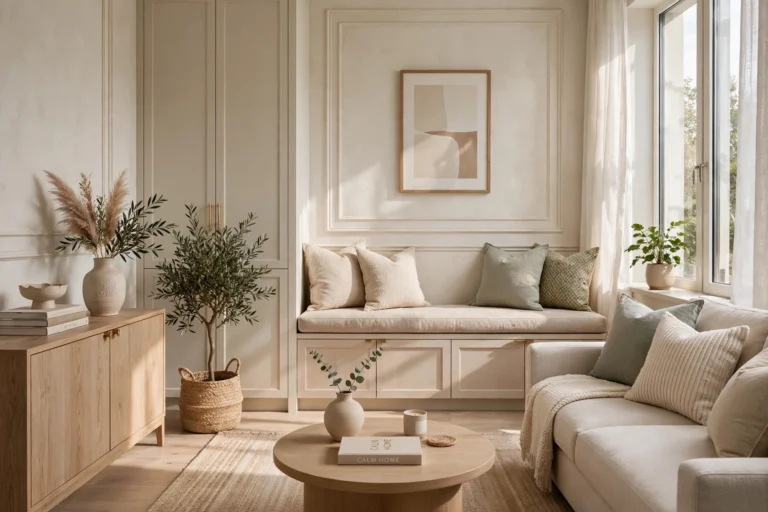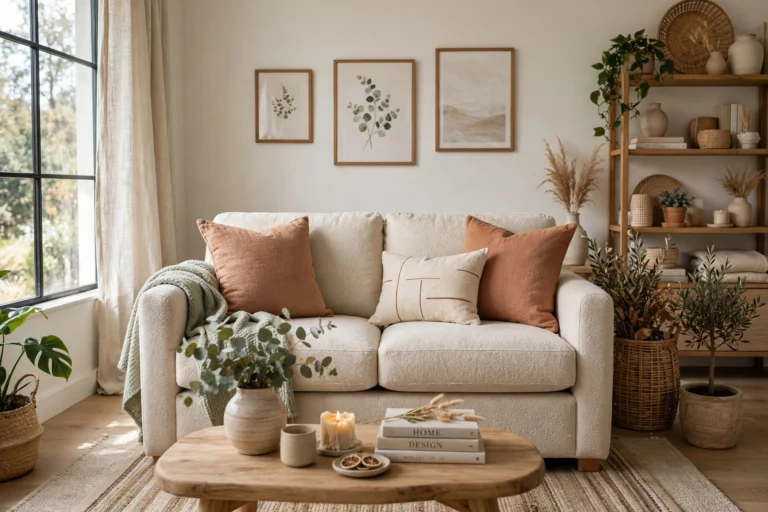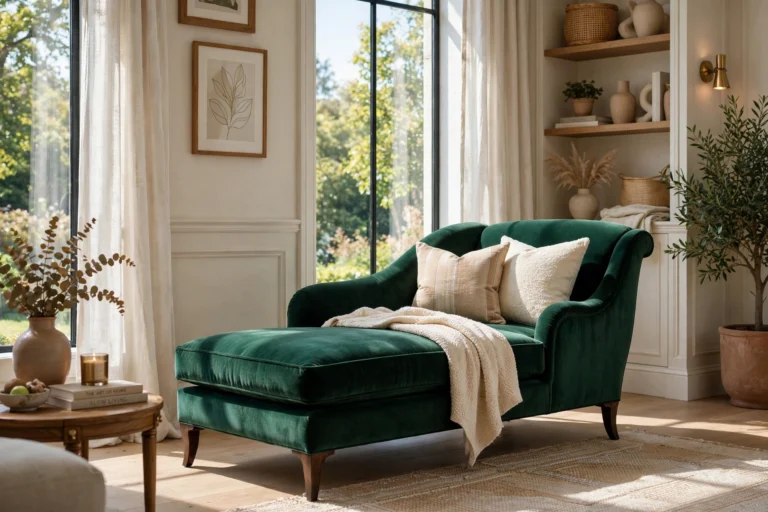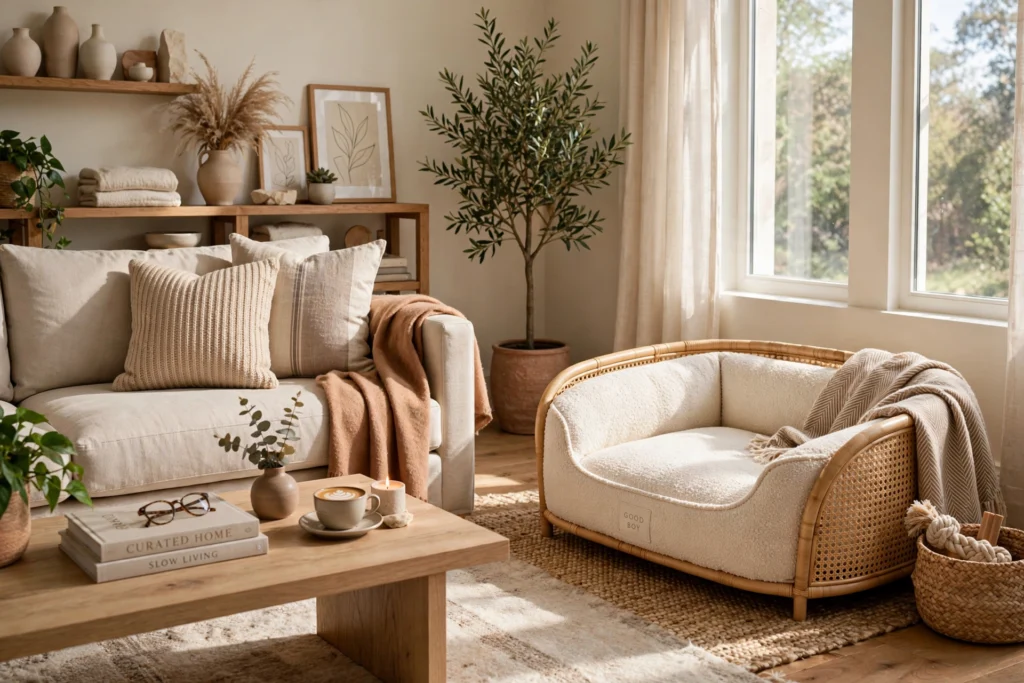

Dogs spend most of their indoor life exactly where we do — the living room — so their bed deserves the same design thought as our own furniture. The best living room dog bed ideas treat the bed as decor first and pet gear second: matching fabrics, intentional placement, and washable covers that keep everything looking (and smelling) fresh. Your dog gets a cozy spot, and you get a room that still feels like yours.
Start with size and habit. Measure your dog from nose to tail while sleeping stretched out, then add 15–30cm — most dogs prefer a bed slightly larger than their curled-up footprint. Note how they sleep: sprawlers need flat mattress styles, curlers love bolstered nests, and burrowers want blankets. Match the bed to the dog, then match the bed to the room.
1. Match the Bed Fabric to Your Sofa
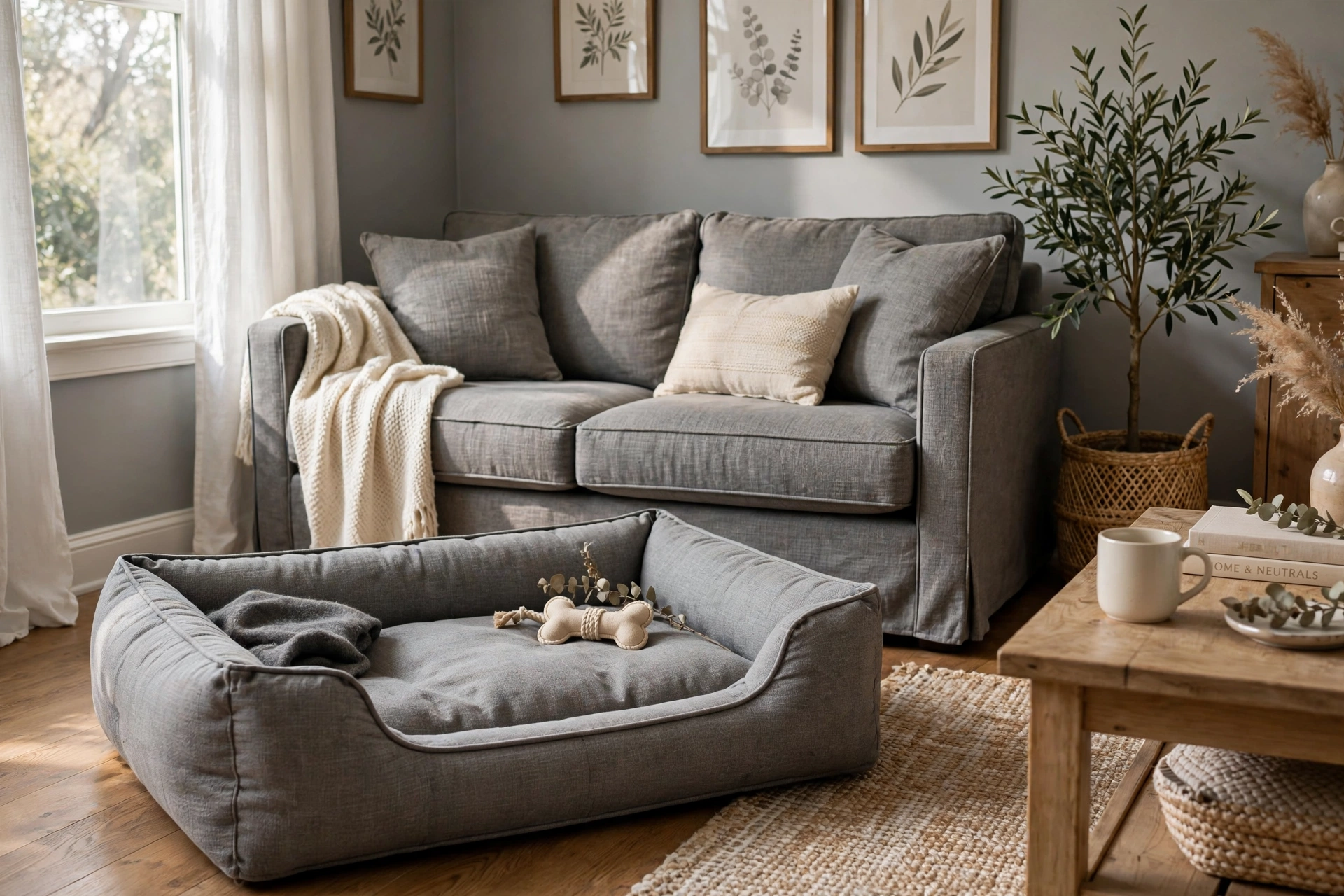
The single fastest way to make a dog bed disappear into your decor is fabric matching. Choose a bed in the same color family — or the same actual fabric, if you can source it — as your sofa or accent chairs. A charcoal bed beside a charcoal sofa reads as a coordinated pouf, not pet equipment. Many bed makers offer dozens of upholstery-weight fabrics, including performance weaves that resist claws.
If an exact match is impossible, go tonal: a warm gray bed with a greige sofa, navy with denim blue. Avoid high-contrast novelty prints unless your room is already playful. This trick works because the eye groups similar colors together, so the bed registers as part of the furniture arrangement. Pet beds now come in furniture-grade styles precisely because owners got tired of the clash.
2. Washable Slipcover Beds
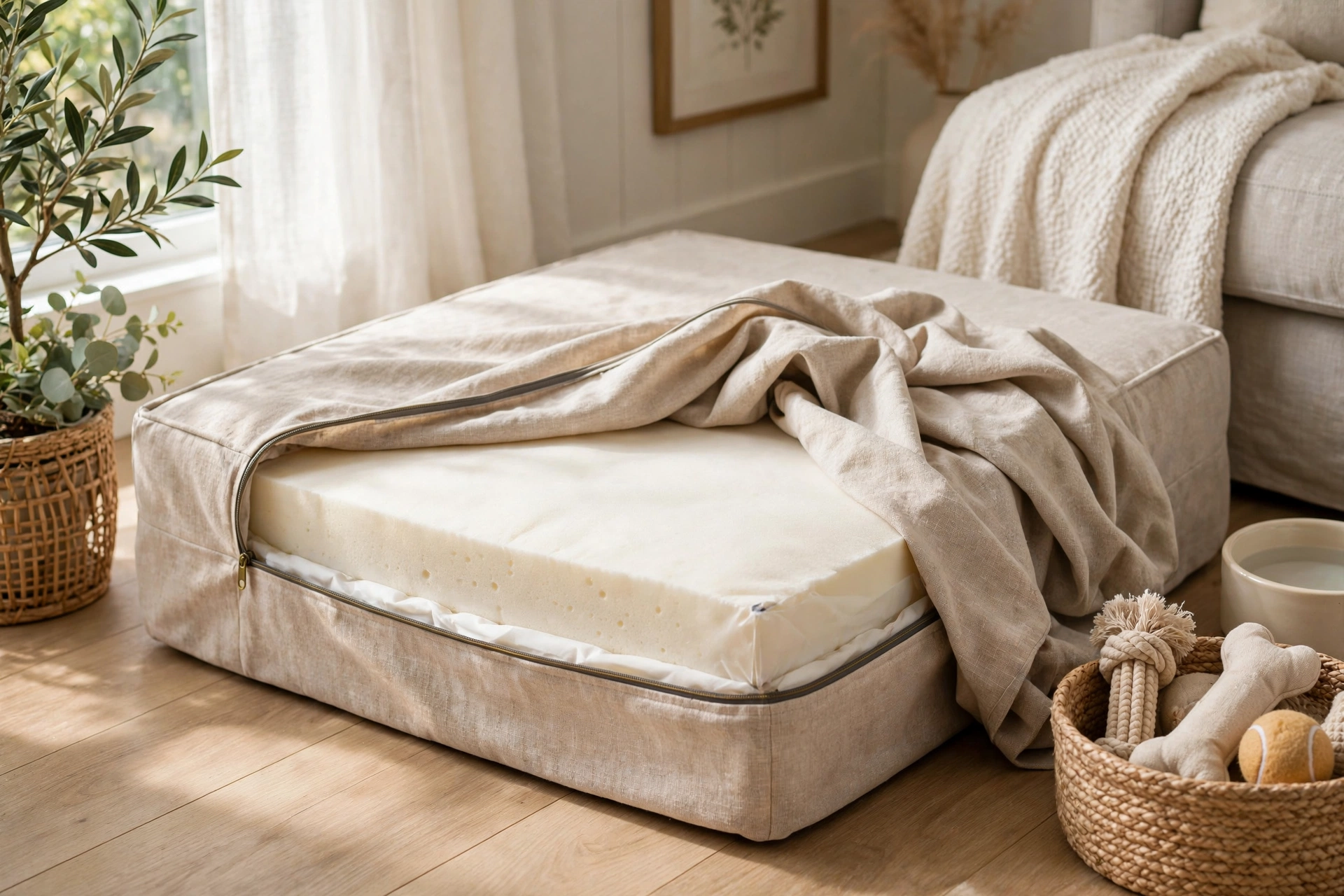
A beautiful dog bed that cannot be washed is a ticking time bomb of odor. Prioritize beds with fully removable, machine-washable covers — zippers, not sewn-shut seams. Wash the cover every 1–2 weeks in warm water with a pet-safe detergent, and tumble dry low or line dry to protect waterproof liners.
Buy a second cover if your budget allows; one on the bed, one in the wash, zero downtime. Look for covers with hidden zippers (exposed metal zippers irritate bellies) and double-stitched seams that survive repeated laundering. Darker or patterned covers hide the inevitable between-wash wear, while white covers — though chic — demand weekly washing in most households.
3. Bolster Bed in Your Room’s Palette
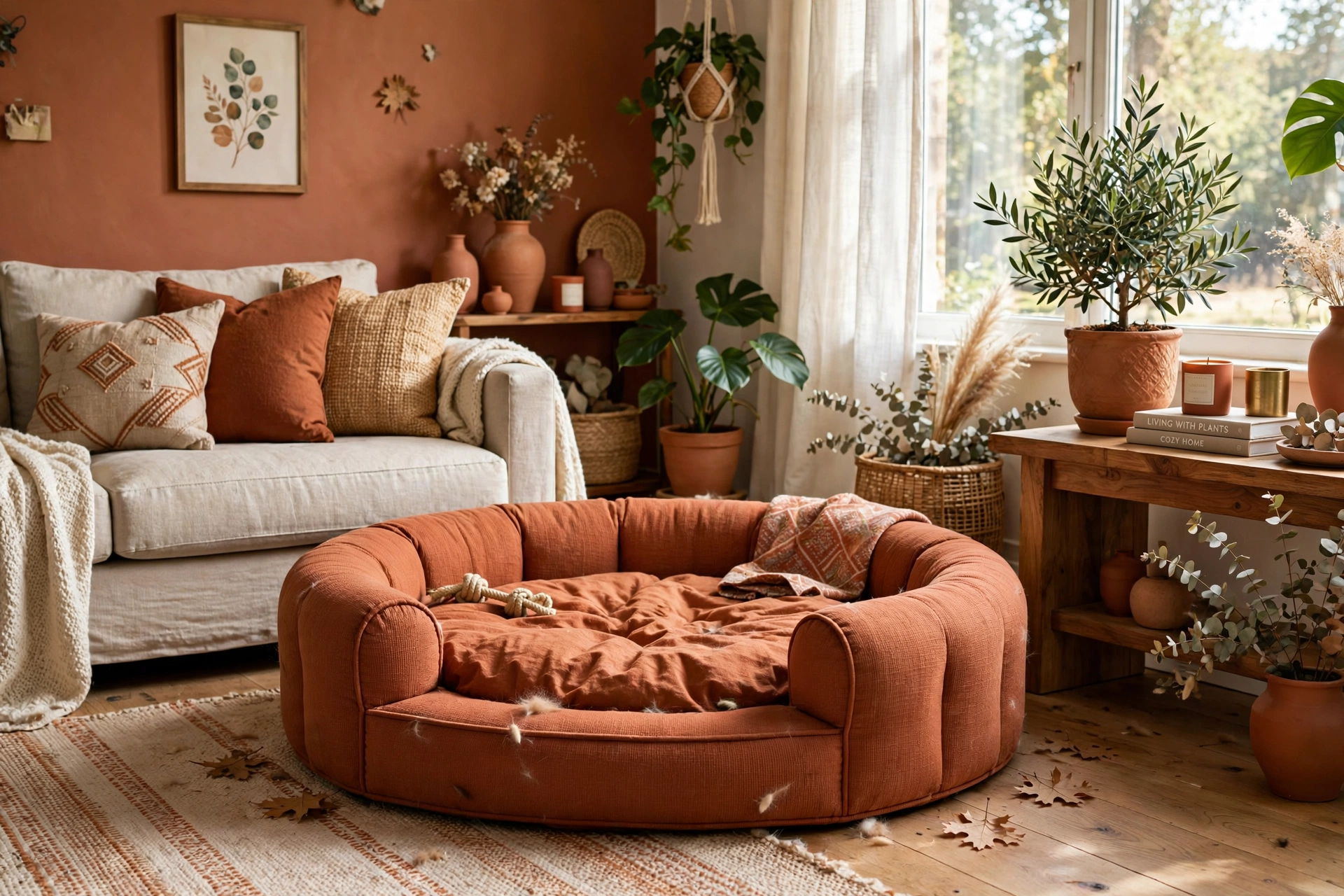
Bolster beds — rectangular with raised edges on three or four sides — are the most popular style for a reason: dogs lean against the bolsters like pillows, and the shape looks like a miniature sofa. Choose one in your room’s accent color so it ties into the throw pillows or rug rather than screaming “dog zone.”
The bolsters should be firmly stuffed; flat, sad bolsters mean the fill has shifted or compressed. Look for beds with separate bolster chambers or removable bolster inserts you can fluff. For chewers, skip beds with exposed piping or buttons — smooth, tight upholstery gives teeth nothing to grab.
4. Dog Bed Tucked Under a Console Table
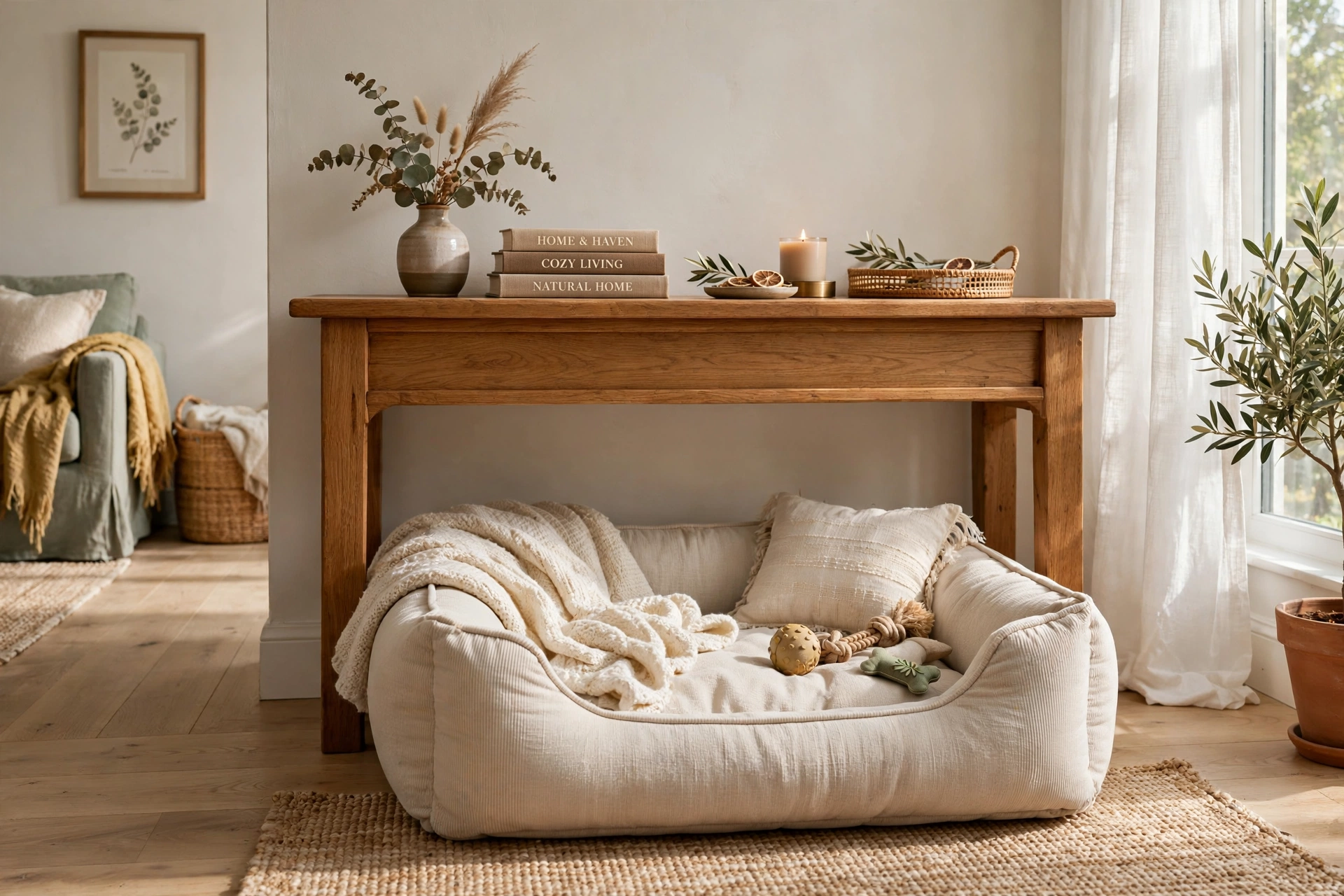
Dead space under a console table or entry-style table in the living room makes a perfect dog den. Dogs instinctively like sheltered, den-like spots, and the table above keeps the bed visually contained. Measure the clearance — most consoles offer 70–80cm of height, which suits small to medium dogs — and choose a low-profile mattress bed that slides in neatly.
Line the underside of the table with nothing dangly: no tablecloths that trap heat or tempt chewing. This placement keeps the bed out of walkways while keeping the dog near the family action, which is exactly where most dogs want to be. Add a washable runner under the bed to protect floors from drool and dirt.
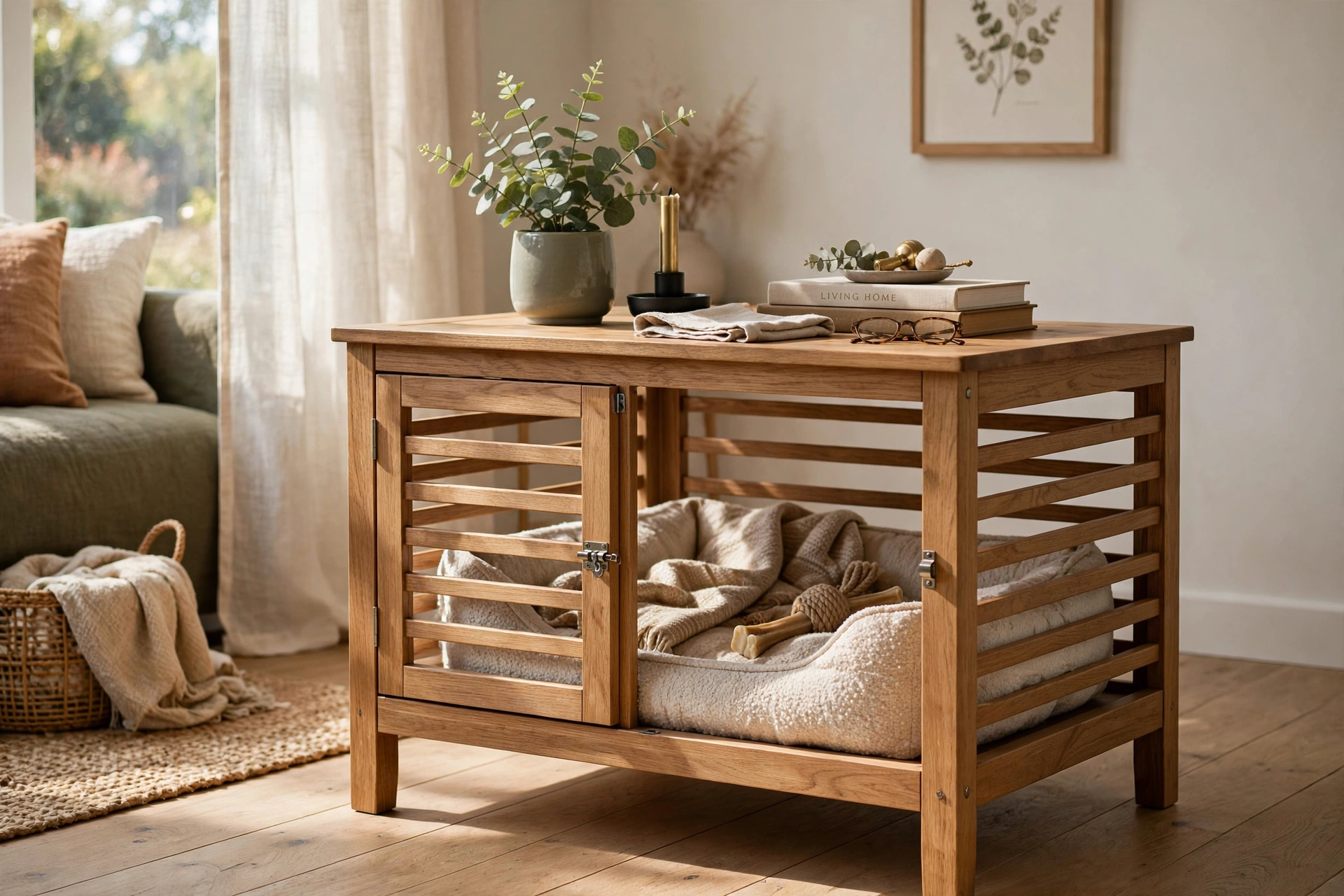
5. Crate Disguised as a Side Table
If your dog is crate-trained, a furniture-style crate — wood or rattan panels with a solid top — doubles as a side table and looks like intentional furniture. The enclosed crate satisfies den instincts better than an open bed, and the top surface holds a lamp or books. Size it to the dog: they should stand, turn, and lie down comfortably.
Never use the crate as punishment, and always leave the door open when you are home so it reads as a bedroom, not a cell. Ventilation matters — choose designs with slatted or barred sides, not solid panels. Style the top exactly like any side table, and guests will never guess the “cabinet” has a occupant. For more furniture that pulls double duty, see these living room basket storage ideas (https://gallaxyindoors.com/living-room-basket-storage-ideas-for-tidy-natural-style/).
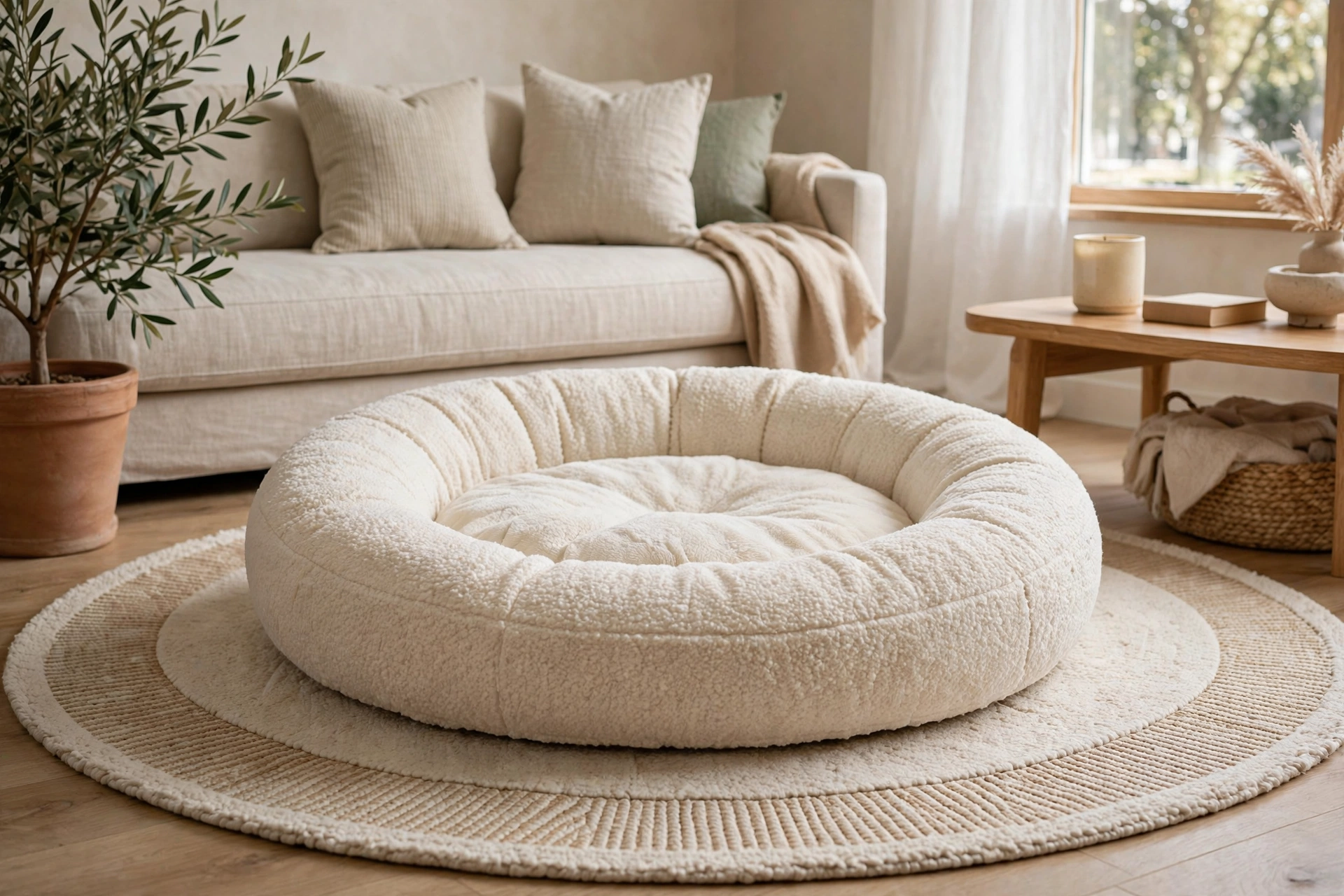
6. Round Donut Bed That Echoes Your Rug
Round cuddler or “donut” beds suit dogs who sleep curled nose-to-tail, and their soft circular form echoes round rugs, poufs, and curved furniture. Pick a donut in a texture that repeats something in the room — a chunky knit that matches your throw, or a faux fur that picks up the rug’s cream tones.
Donuts with raised rims support heads and spines, which older dogs appreciate. The downside: the circular shape wastes floor space compared to rectangular beds, so it suits rooms with a free corner. Shake the bed out weekly and wash the whole thing (many donuts are fully machine washable) monthly to keep the fill lofty.
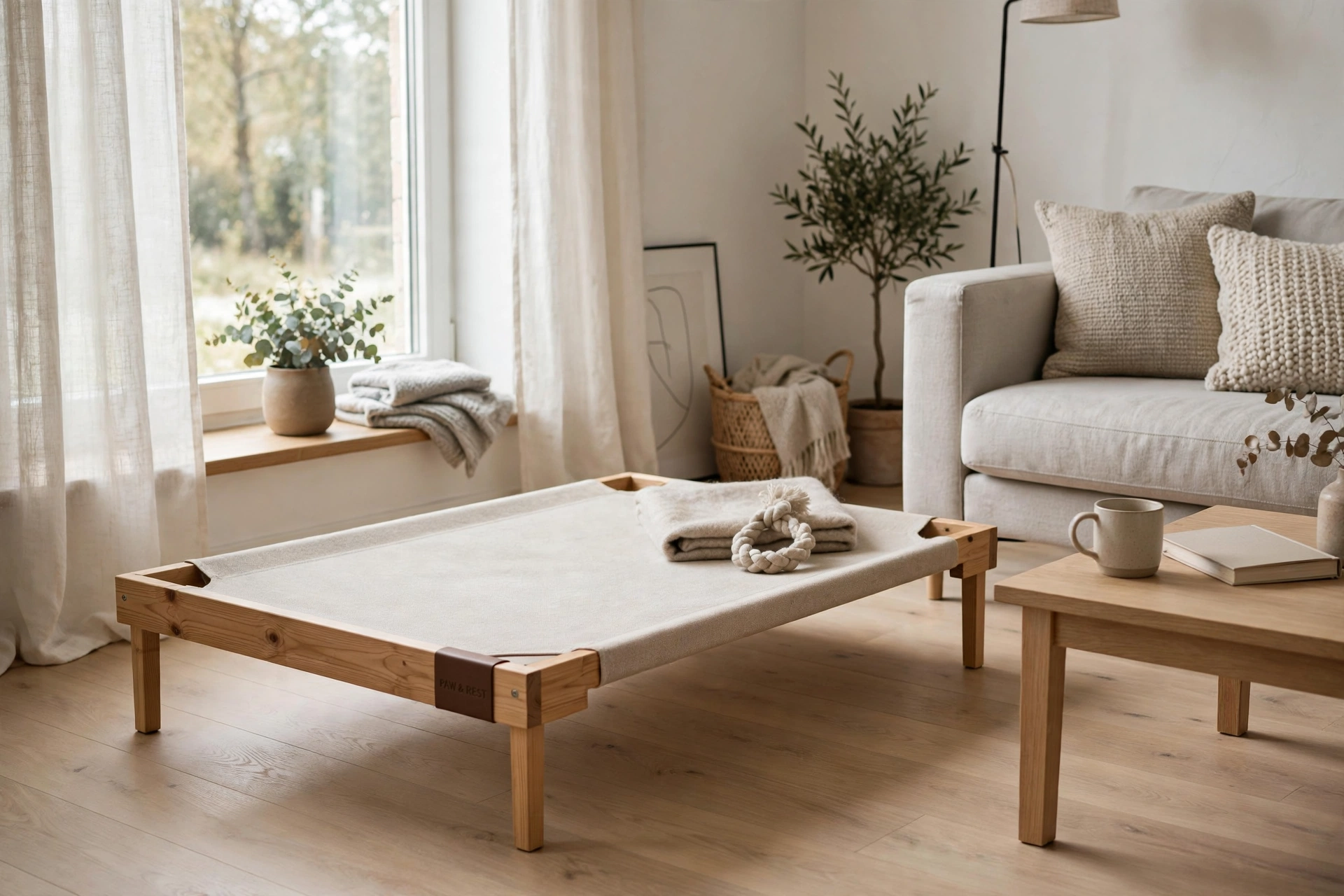
7. Elevated Cot-Style Bed
Elevated cots — fabric stretched on a metal or wood frame, a few inches off the floor — look modern and minimal, keep dogs cool in summer, and stay cleaner than floor beds since air circulates underneath. The taut fabric supports joints without the pressure points of thin floor pads, which large breeds appreciate.
Choose a cot with a replaceable cover; the mesh or canvas wears faster than the frame. Rubber feet protect hard floors and stop sliding. Style-wise, cots suit contemporary and Scandinavian rooms where a plush bed would look fussy. In winter, layer a folded blanket on top for warmth — the elevation that cools in summer can feel drafty in January.
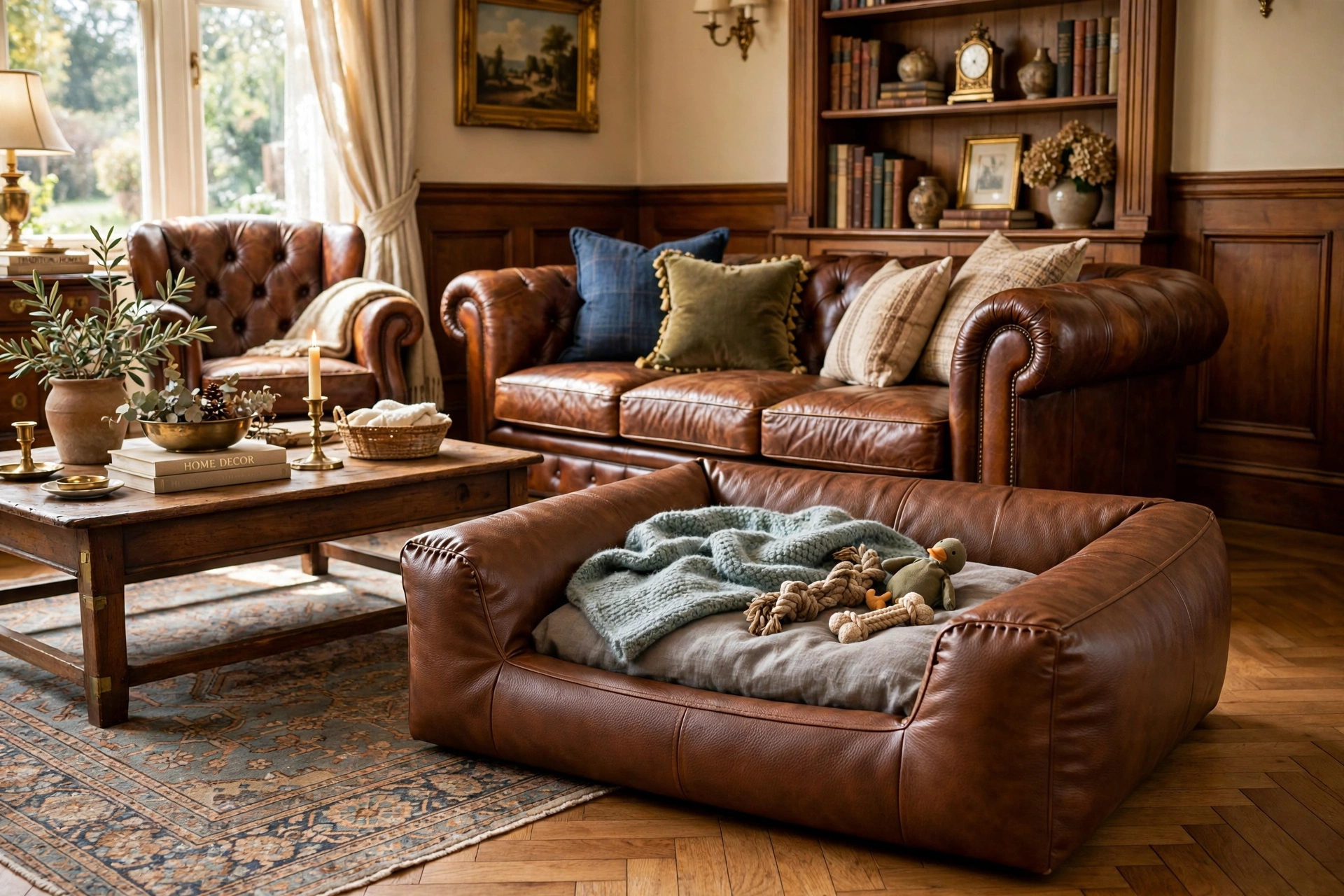
8. Leather-Look Bed for Traditional Rooms
In leather-heavy traditional or rustic living rooms, a plush bed can look out of place — a leather or faux-leather-look bed fits right in. Real leather is durable but pricey and needs conditioning; high-quality faux leather wipes clean in seconds, which is the real selling point for muddy-paw households.
Check that the faux leather is phthalate-free and not prone to cracking; cheap vinyl splits within a year. Leather-look beds pair naturally with wood furniture and wool rugs. Add a washable blanket on top for the dog’s comfort — most dogs prefer something soft against the slick surface — and the blanket becomes the washable layer.
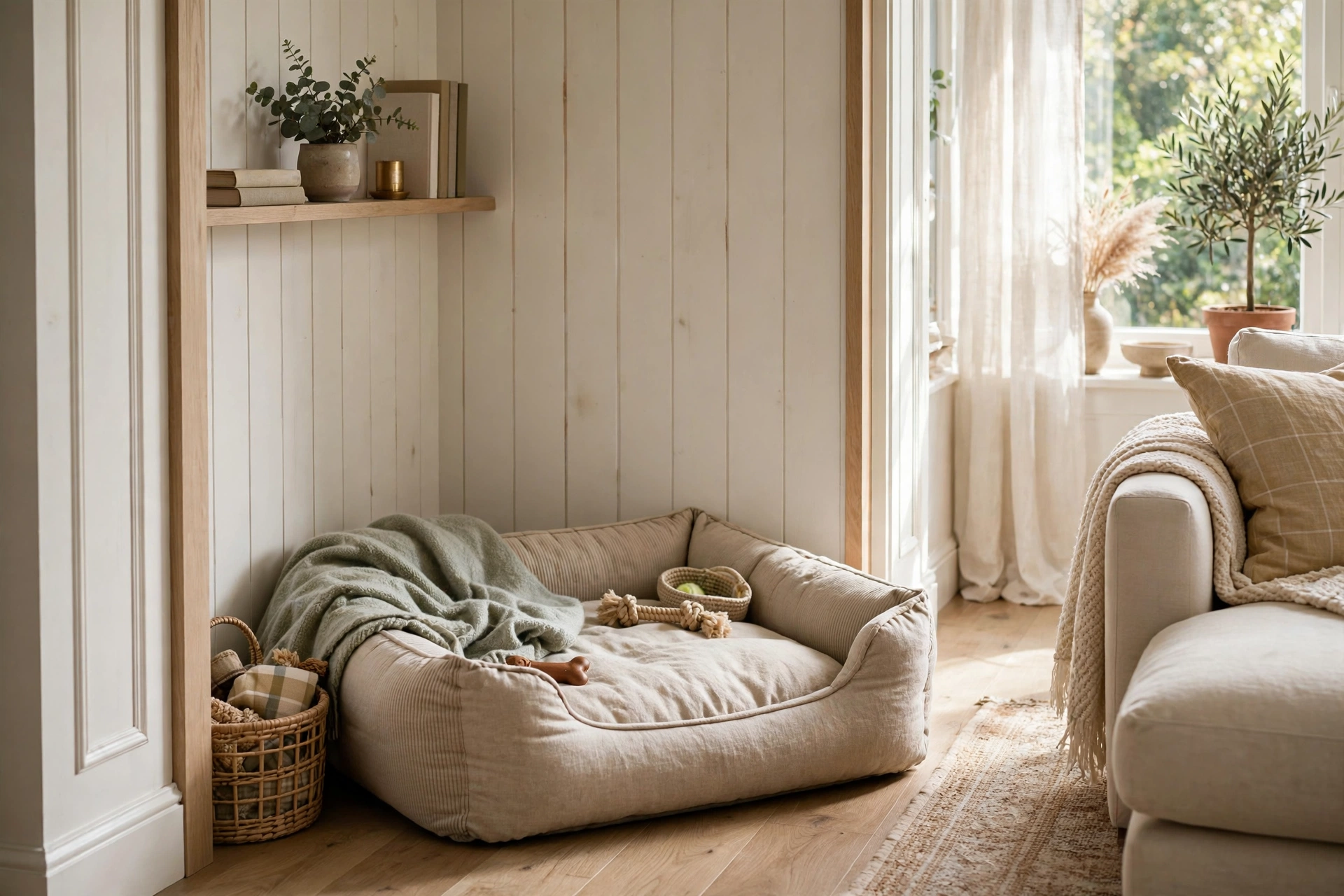
9. Bed in a Dead Corner Nook
Every living room has a dead corner — beside the media unit, behind the armchair, the awkward angle by the patio door. A dog bed turns that wasted triangle into the dog’s private nook. Dogs often prefer these slightly enclosed spots anyway; it feels safe, and they can survey the room from cover.
Measure the nook and buy the bed to fit it, not the dog to fit a bed you already own — a 5cm-too-wide bed in a tight corner looks stuffed. Keep the nook draft-free but not heat-trapped; avoid wedging beds directly against radiators. A small washable rug under the bed defines the zone and catches the dirt dogs track in. The American Kennel Club’s lifestyle advice is full of reminders that dogs thrive on having a consistent, calm resting spot.
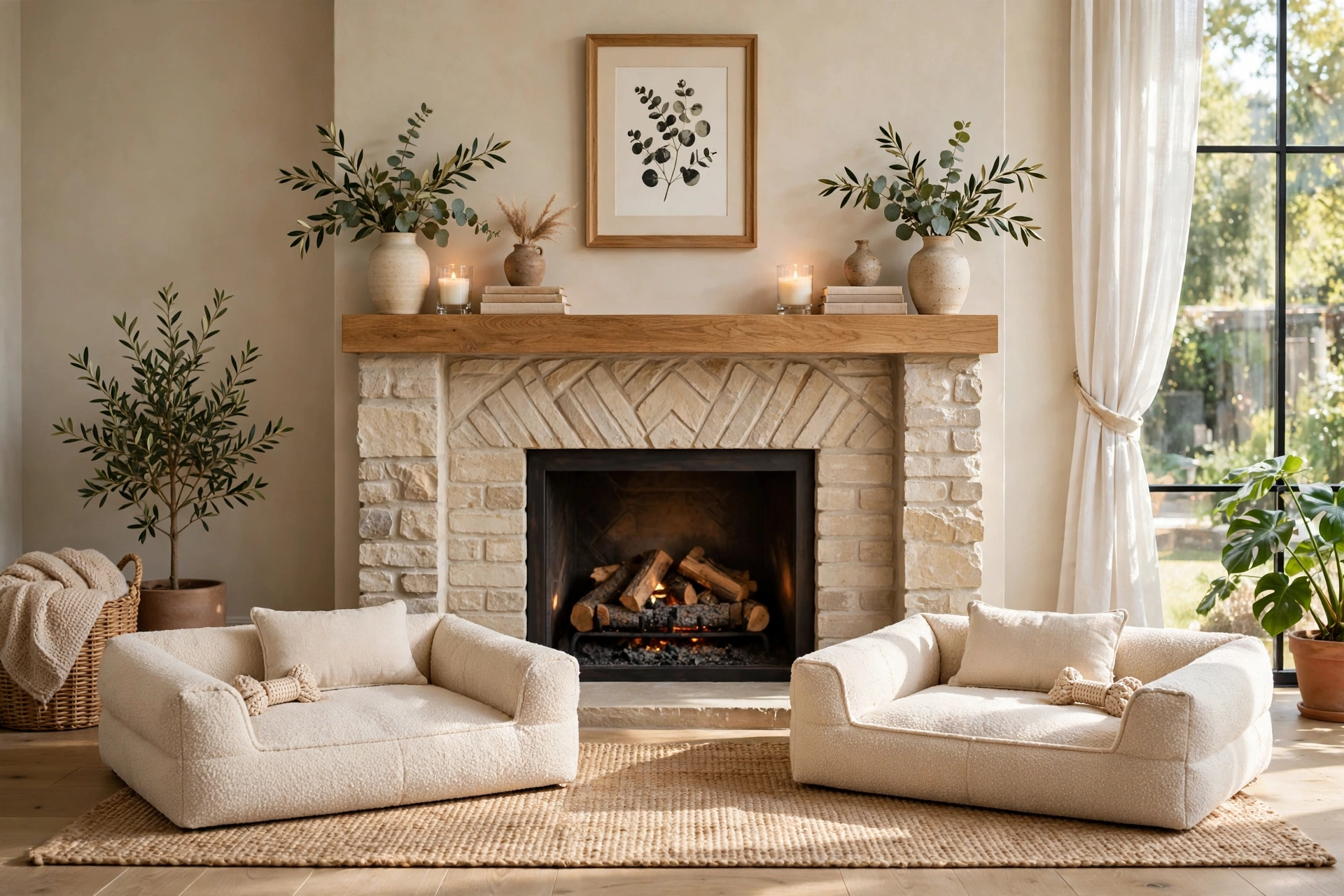
10. Matching Pair for Two Dogs
Two dogs, two beds — and making them match is both practical and handsome. Identical beds in your room’s palette create symmetry, especially flanking a fireplace or sofa like a pair of ottomans. It also prevents the resource-guarding squabbles that erupt when one bed is clearly nicer.
Place the beds with at least 30cm between them so each dog has personal space, or in separate zones if one dog is a light sleeper. Wash both covers on the same schedule so neither bed smells like the favorite. If your dogs insist on sharing one bed, size up to a bed rated for their combined weight rather than cramming two dogs onto one small cushion.
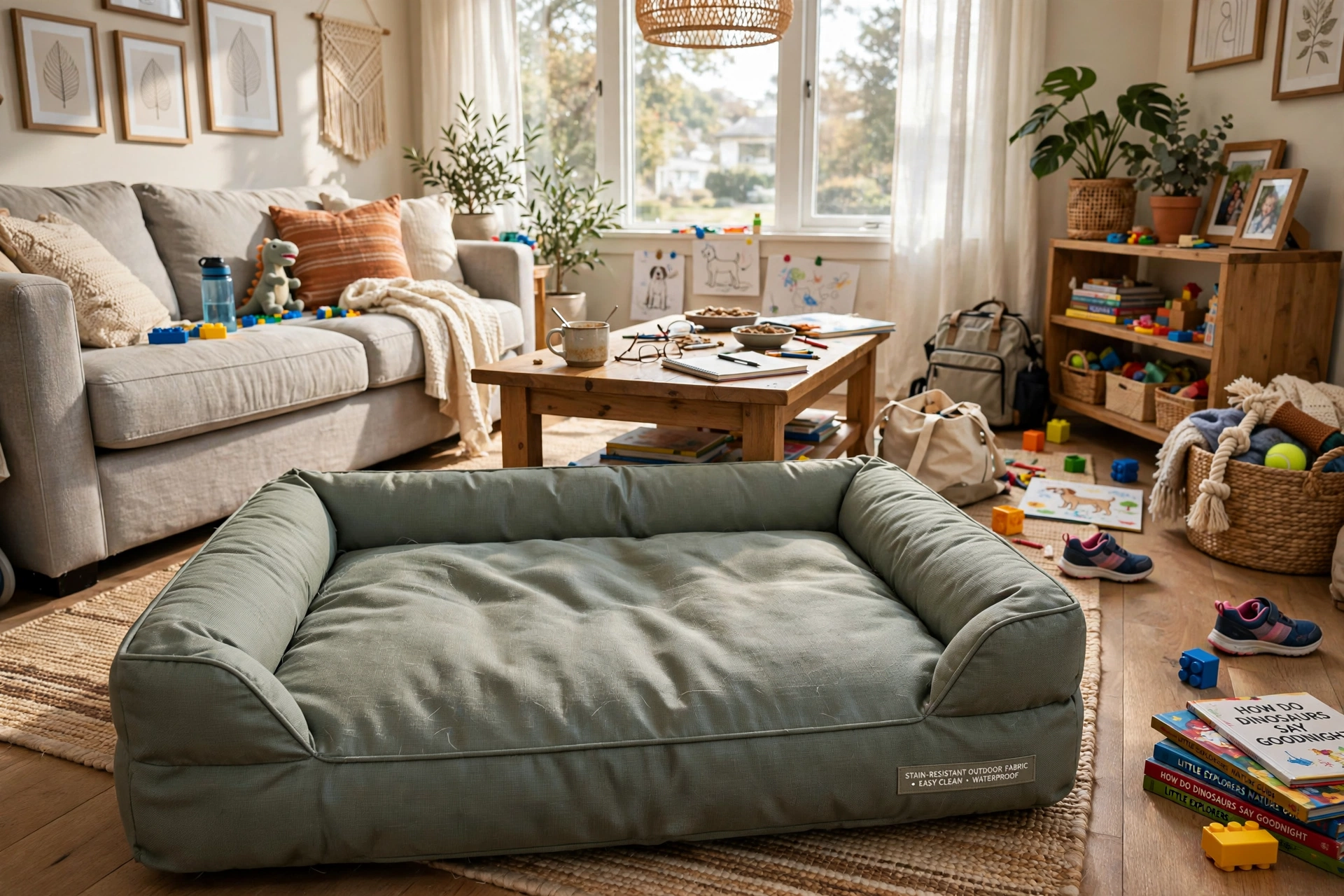
11. Outdoor-Fabric Bed for Maximum Stain Resistance
Solution-dyed acrylic and other outdoor-rated fabrics — the stuff of patio cushions — make extraordinary indoor dog beds. They shrug off mud, drool, and the occasional accident, resist fading in sunny spots, and hose or wipe clean. In a busy family living room, this is the lowest-maintenance bed you can buy.
The trade-off is texture: outdoor fabrics feel less plush than velvets or faux furs. Fix it with a soft washable blanket on top — the blanket takes the beating and the bed stays pristine underneath. Choose indoor-friendly colors rather than patio brights so the bed blends with your interior palette.
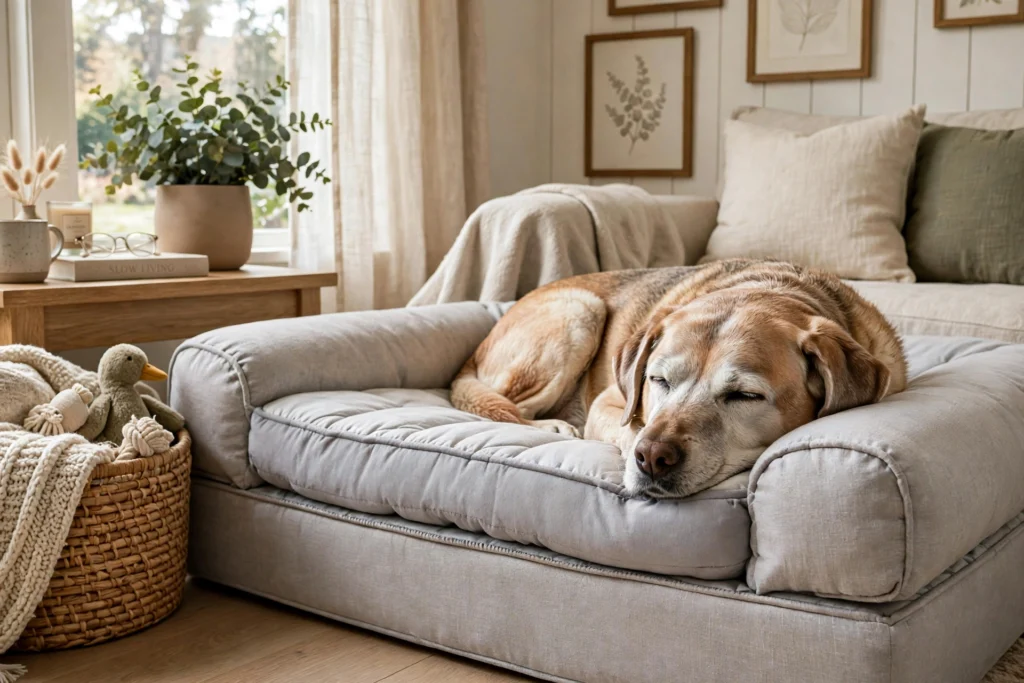
12. Orthopedic Memory-Foam Bed for Senior Dogs
Older dogs with arthritis or joint issues need real support, not just softness. A 10cm+ thick solid memory-foam base (not shredded foam, which shifts) distributes weight and cushions pressure points. Look for CertiPUR-certified foam and a waterproof liner between the foam and the cover — senior dogs have more accidents, and foam that absorbs urine is ruined.
Low-profile designs with one dropped side help stiff dogs climb in without jumping. Place the bed where the senior dog already rests — near you, away from slippery floors and cold drafts. An
orthopedic bed in a tailored, furniture-like cover looks like a chic floor cushion, so there is no decor penalty for prioritizing comfort.
13. Bed Styled With a Coordinating Throw
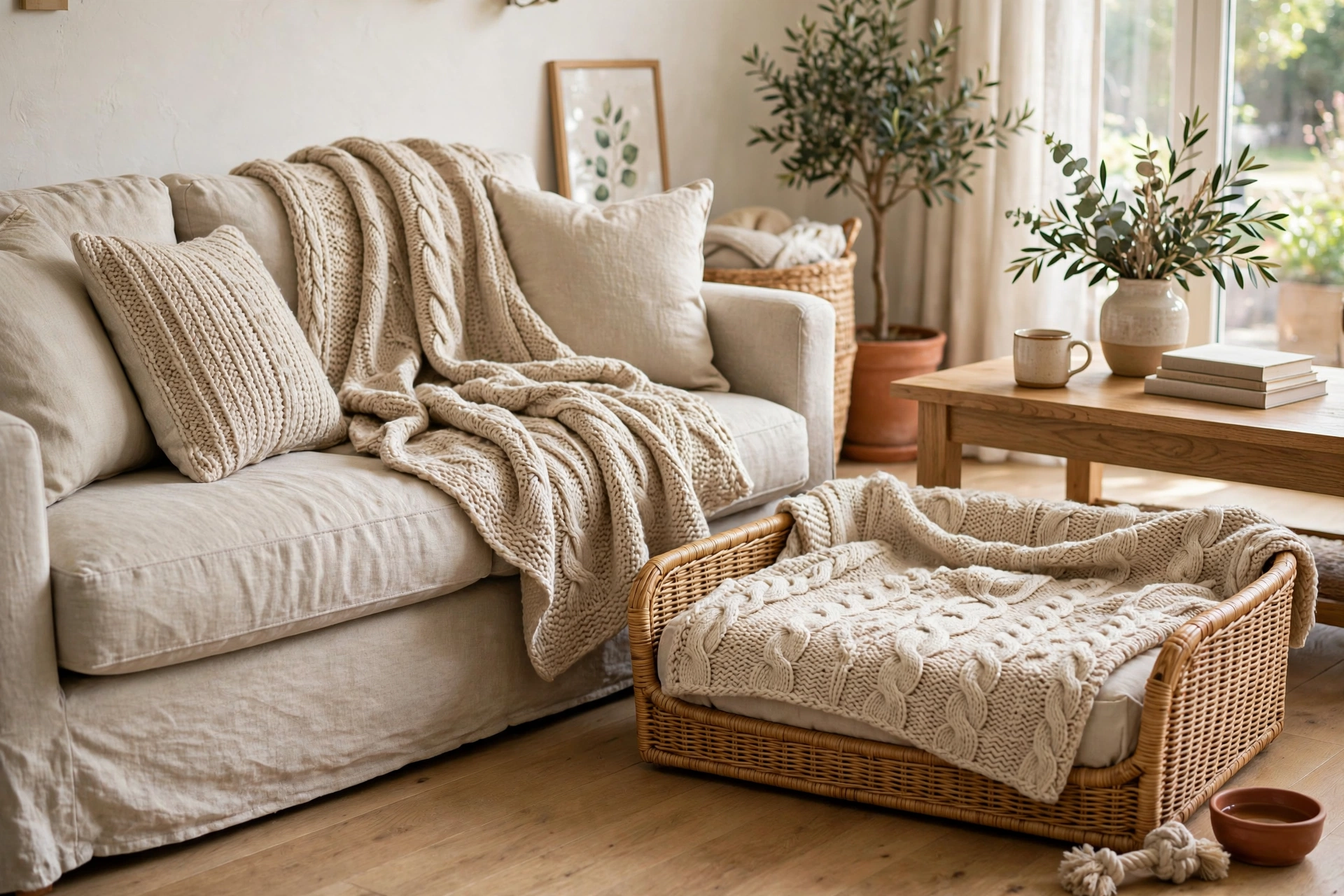
A simple styling trick elevates any dog bed: drape a throw blanket that matches your sofa’s textiles over one corner of the bed. It ties the bed into the room’s color story, adds a washable top layer, and gives burrowing dogs something to nest in. Choose a throw you already own in the room’s palette — no new purchases needed.
Use lightweight, washable throws (cotton or acrylic knits) rather than heavy wool, which traps heat and dog odor. Swap the throw weekly with the bed’s wash cycle. This is also the easiest way to seasonalize the bed: linen throws in summer, chunky knits in winter, without changing the bed itself.
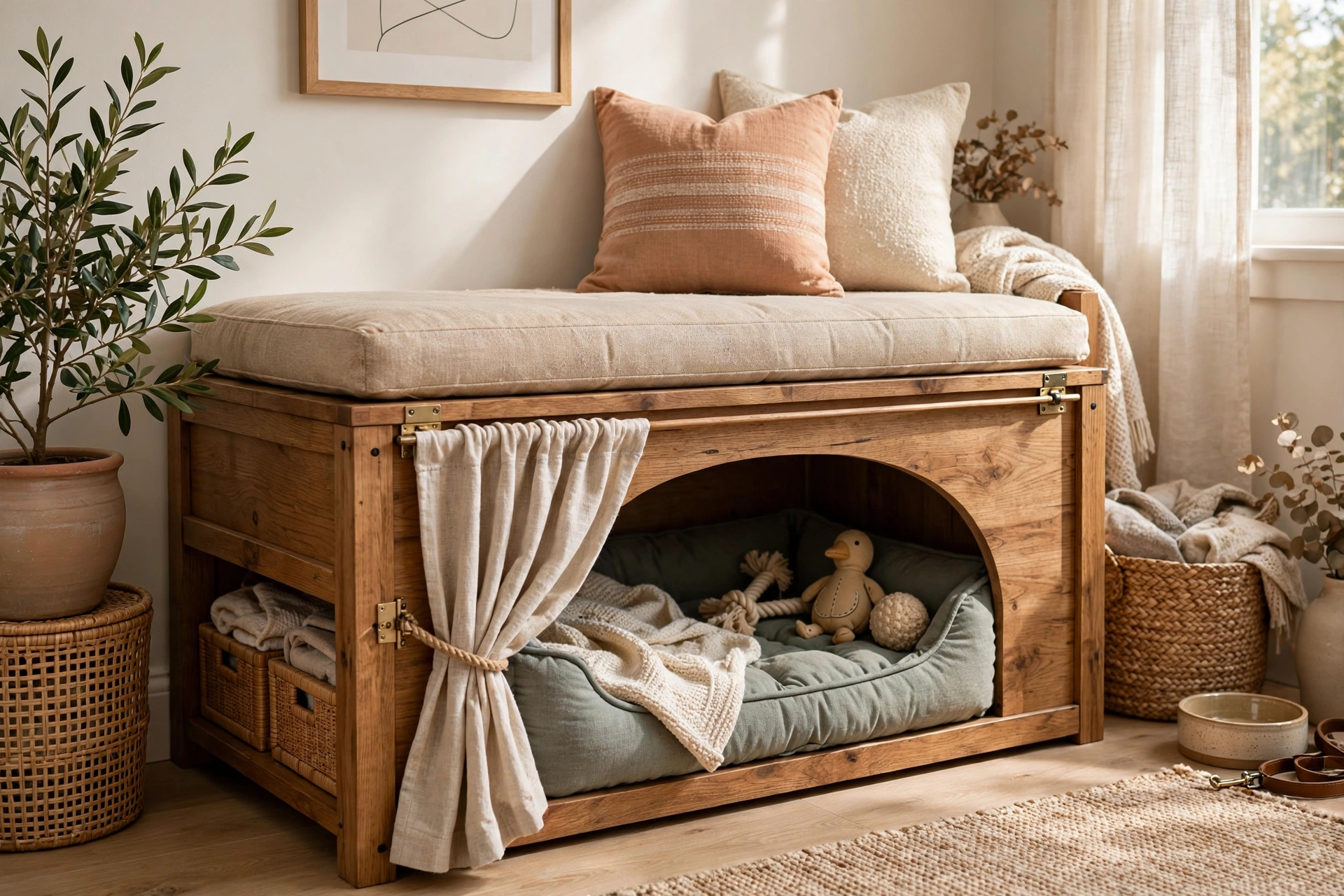
14. Hidden Bed Inside a Storage Bench
For the ultimate in disguise, convert a storage bench or ottoman into a dog bed station: remove the lid or cut an entry arch in one end, add a cushion inside, and the bench becomes a den with a styled top. This works best with benches 90cm+ long for small to medium dogs.
Ensure ventilation — drill discreet air holes or leave the back panel partially open — and never latch a dog inside. The entry should be generous and the interior easy to vacuum. The bench top stays styled with books or a tray, and the whole piece reads as furniture. Our living room bench ideas (https://gallaxyindoors.com/living-room-bench-ideas-for-style-and-function/) include bench styles that convert beautifully.
15. Seasonal Cover Rotation
Treat the dog bed like your bedding: rotate covers with the seasons. Light, breathable cotton or cooling fabrics for summer; plush faux fur or quilted covers for winter. Dogs regulate temperature through their beds more than we realize, and a season-appropriate surface keeps them comfortable year-round.
Store off-season covers clean and dry, and inspect the foam base twice a year — flip it, air it in the sun, and replace it when it no longer springs back. A fresh cover on a tired base fools no one (dog or human). This rotation habit also means you always have a clean spare, which halves laundry emergencies. To keep the surrounding textiles coordinated year-round, our living room slipcover ideas (https://gallaxyindoors.com/living-room-slipcover-ideas-for-an-effortless-relaxed-look/) show how washable layers work across the whole room.

Frequently Asked Questions
How often should I wash my dog’s bed?
Wash the removable cover every 1–2 weeks, and the inner cushion or foam base every 1–2 months (or as needed). Households with allergy sufferers should wash weekly. Always use a pet-safe, fragrance-free detergent and dry thoroughly — damp bedding grows mildew fast. Keeping a spare cover in rotation makes the schedule painless.
What size dog bed should I buy?
Measure your dog sleeping in their favorite position, nose to tail, and add 15–30cm. Sprawlers need rectangular mattress beds at least as long as their stretched length; curlers do well in round beds roughly equal to their curled diameter plus 15cm. When in doubt, size up — dogs rarely complain about extra room, but a too-small bed goes unused.
How do I stop the dog bed from smelling?
Washable covers on a strict schedule are 90% of the solution. Add a waterproof liner to protect the foam, sprinkle baking soda on the bed between washes (vacuum after 15 minutes), and ensure the bed dries fully after washing. Wash the dog’s bedding and your own throws on the same day so odors do not migrate back.
Where is the best place for a dog bed in the living room?
Dogs want to be near the family but slightly out of traffic — beside the sofa, under a console table, or in a quiet corner with a view of the room. Avoid drafty spots by doors, direct heat from radiators, and main walkways where the bed becomes a trip hazard. Once you find the spot they choose themselves, put the nice bed there instead of fighting instinct.
My dog chews beds — what should I do?
Choose a chew-resistant bed: tightly woven ballistic nylon or canvas, no exposed zippers, buttons, or piping, and minimal loose seams. Elevated cots remove the tempting corners entirely. Address the underlying cause too — chewing often signals boredom or anxiety, so increase exercise and provide appropriate chew toys. No bed is truly chew-proof against a determined dog.
Keep Exploring
A dog bed that blends with your decor is not about hiding your dog — it is about honoring the fact that they live here too. Match the fabric, wash the cover, place it with intention, and the bed becomes just another well-chosen piece in a room that works for every member of the household, two-legged and four-legged alike.