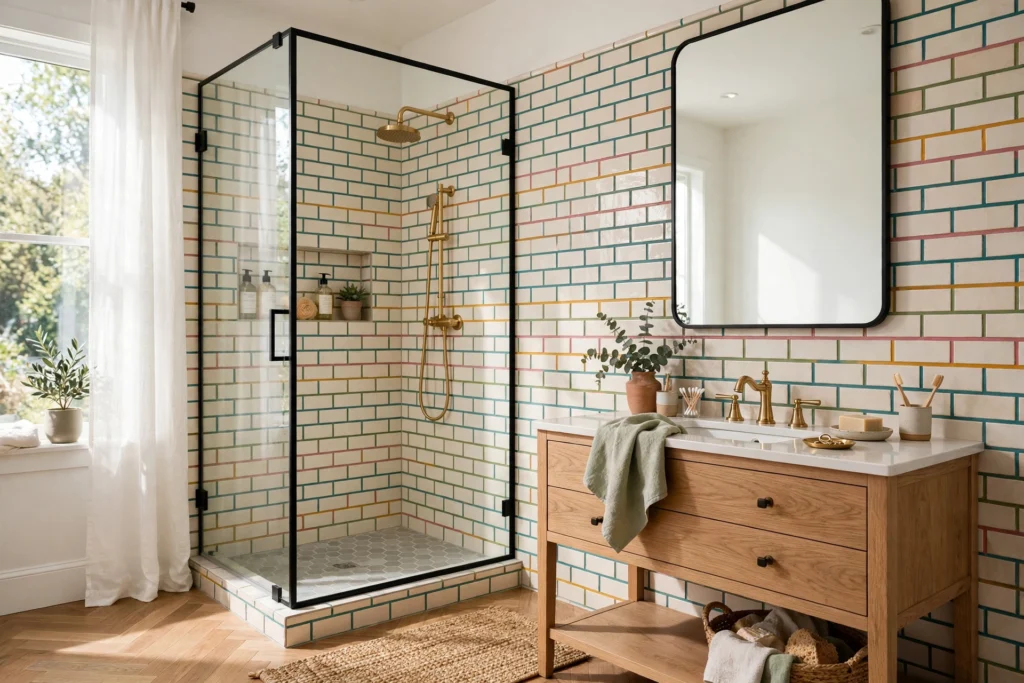

Grout color quietly decides whether your bathroom tile looks classic, modern, or completely unforgettable. The same white subway tile can read crisp and traditional with soft gray lines, or graphic and contemporary with charcoal ones — the grout does that much heavy lifting. These bathroom grout color ideas will help you match or contrast your grout with intention instead of defaulting to whatever the installer has in the truck. And if you are still choosing the tile itself, start with our bathroom tile design ideas to build the full picture first.
Before you commit, remember that grout is nearly permanent once it cures, so test a color in your actual bathroom light before the full job begins. Fluorescent vanity lighting, warm sconces, and natural window light can make the same grout look three different shades across a single day. This Old House’s grout guide is a solid primer on the basics, and it echoes the key rule below: always view grout samples against your tile, not alone on a stick. A small test board costs you an afternoon and saves you from years of second-guessing.
1. Classic Light Gray with White Subway Tile
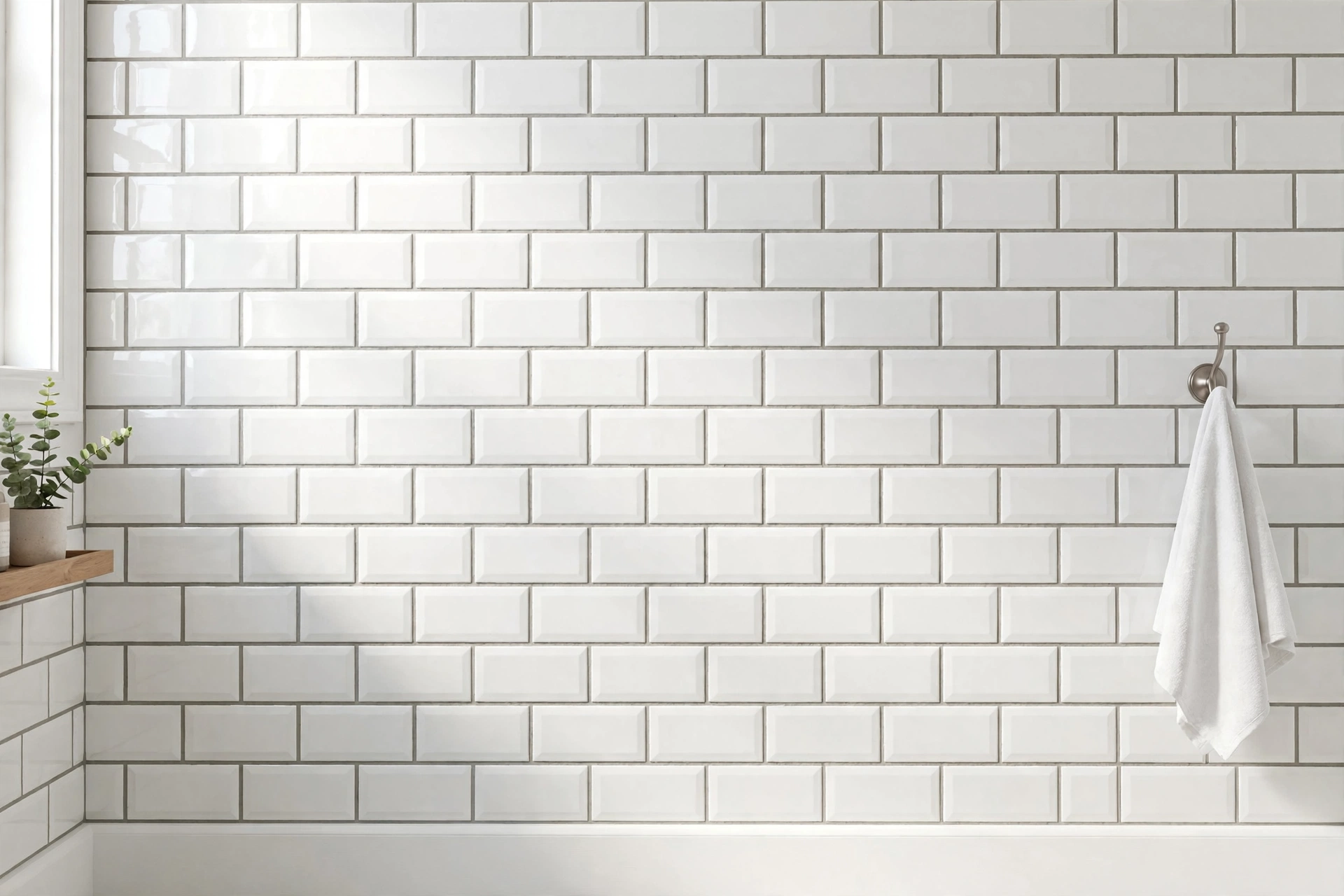
Light gray grout with white subway tile is the combination that never goes out of style. The soft contrast defines each tile’s shape without shouting, giving walls that timeless craftsman or farmhouse feel that works in nearly any bathroom. It also forgives real life better than white grout — light gray hides soap scum and light discoloration far longer. Choose a warm-leaning gray if your fixtures are brass or the tile has warm undertones, and a cool gray if chrome and bright whites dominate. This is the safe choice that somehow never looks boring.
2. Crisp White Grout for a Seamless Look
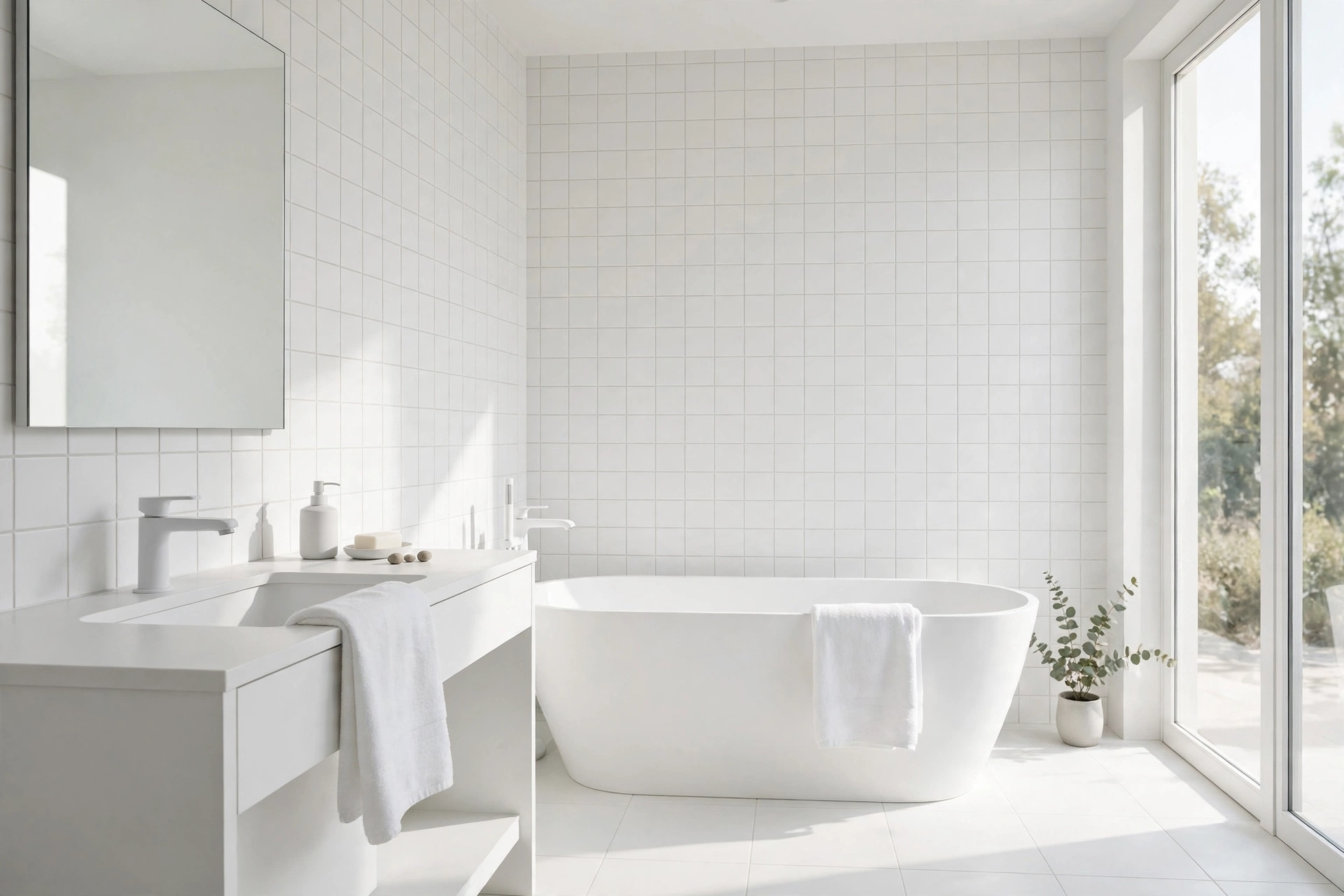
White grout disappears into white or pale tile, creating one continuous, seamless surface that reads clean and spa-like. It is a favorite for all-white bathrooms because it blurs grout lines and makes walls feel like a single slab of tile. The tradeoff is maintenance: white grout shows every drop of hard-water staining and soap buildup, so it demands regular sealing and a good cleaner. Pair it with epoxy grout in showers if you want this look with less upkeep. Done right, it is the airiest of all the bathroom grout color ideas.
3. Bold Black Grout with White Tile
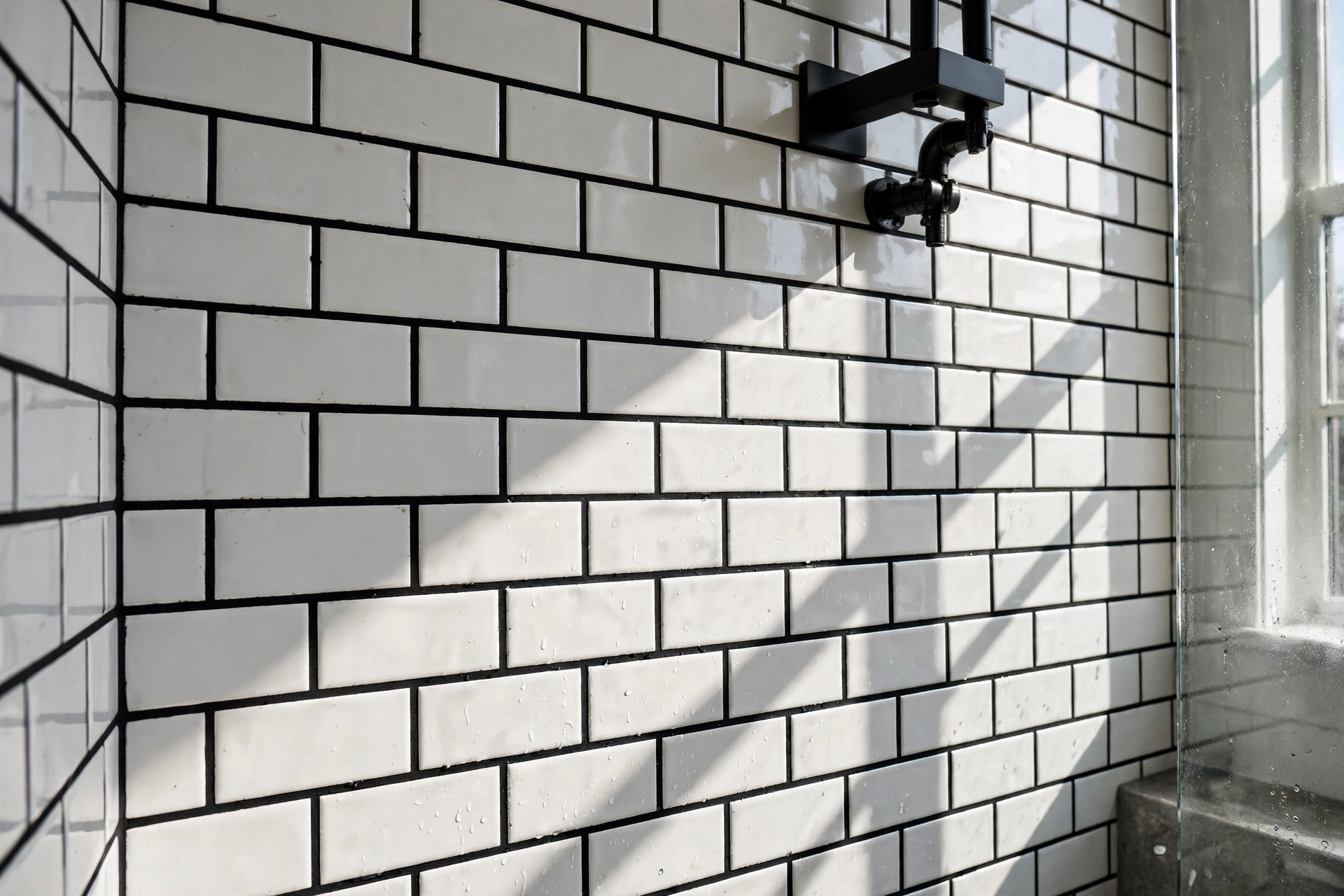
Black grout against white tile is pure graphic drama — the grid of dark lines turns an ordinary subway tile into a bold design statement. It suits modern, industrial, and art-deco-inspired bathrooms, and it photographs beautifully. Practically, dark grout hides staining better than any light color, a real plus on shower floors. Be aware that black grout can look busy in a tiny powder room and shows light-colored soap residue if you skip cleaning. Keep the surrounding palette simple — white fixtures, minimal hardware — and let the grout lines be the star.
4. Warm Beige Grout for Natural Stone Tile
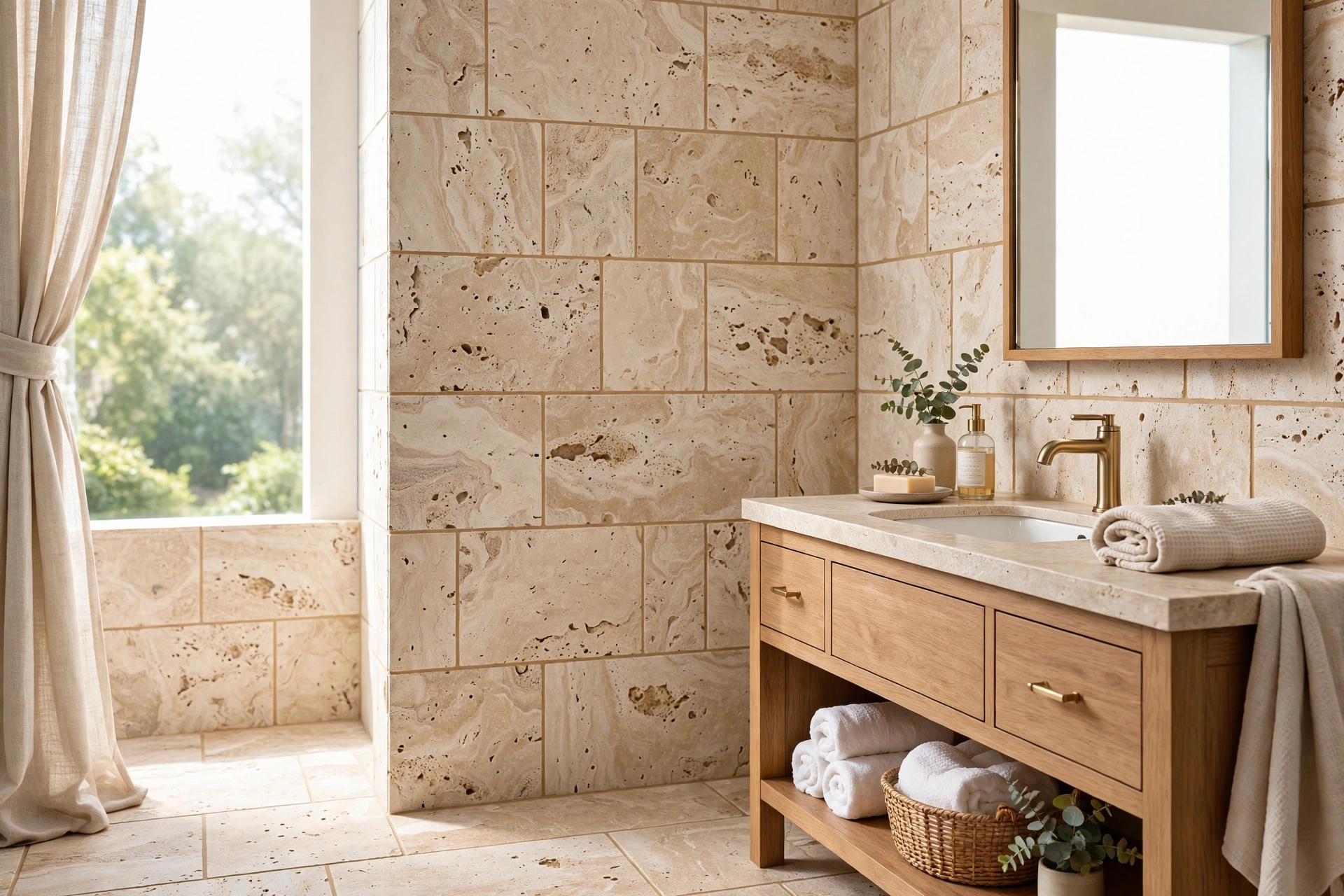
Beige and warm taupe grout belong with travertine, limestone, and warm-toned ceramic tiles. A cool gray line against a honey-toned stone looks like a mistake; a beige grout line looks like it grew there. These warm neutrals create a cozy, Mediterranean or rustic feel that works beautifully in earthy bathrooms. Match the grout to the lightest tone in the stone for a calm look, or to a mid-tone for subtle definition. Beige grout is also forgiving about dirt in a way pure white never is, which keeps floors looking fresh longer.
5. Navy Blue Grout for a Coastal Twist
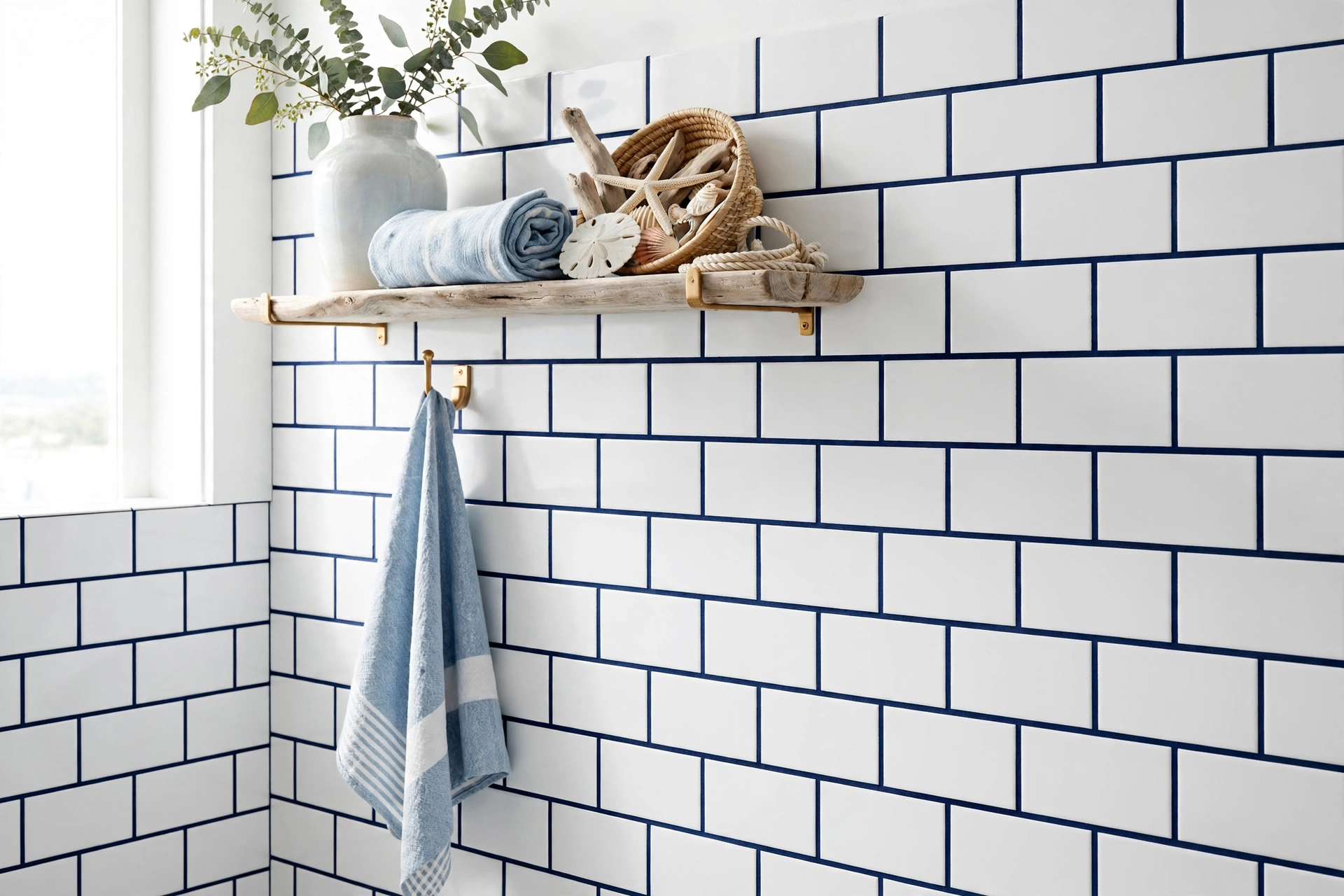
Navy grout with white or soft gray tile brings an instant coastal-meets-classic energy — think stripes on a Breton shirt, translated to your shower wall. The deep blue defines the tile pattern with confidence while still reading as a neutral in the room. It works especially well with hexagonal or penny tiles, where the colored lines trace the shape of every piece. Balance it with brushed nickel or chrome fixtures and keep wall paint light so the bathroom stays bright. This is one of the most playful bathroom grout color ideas that still feels grown-up.
6. Sage or Emerald Green Grout
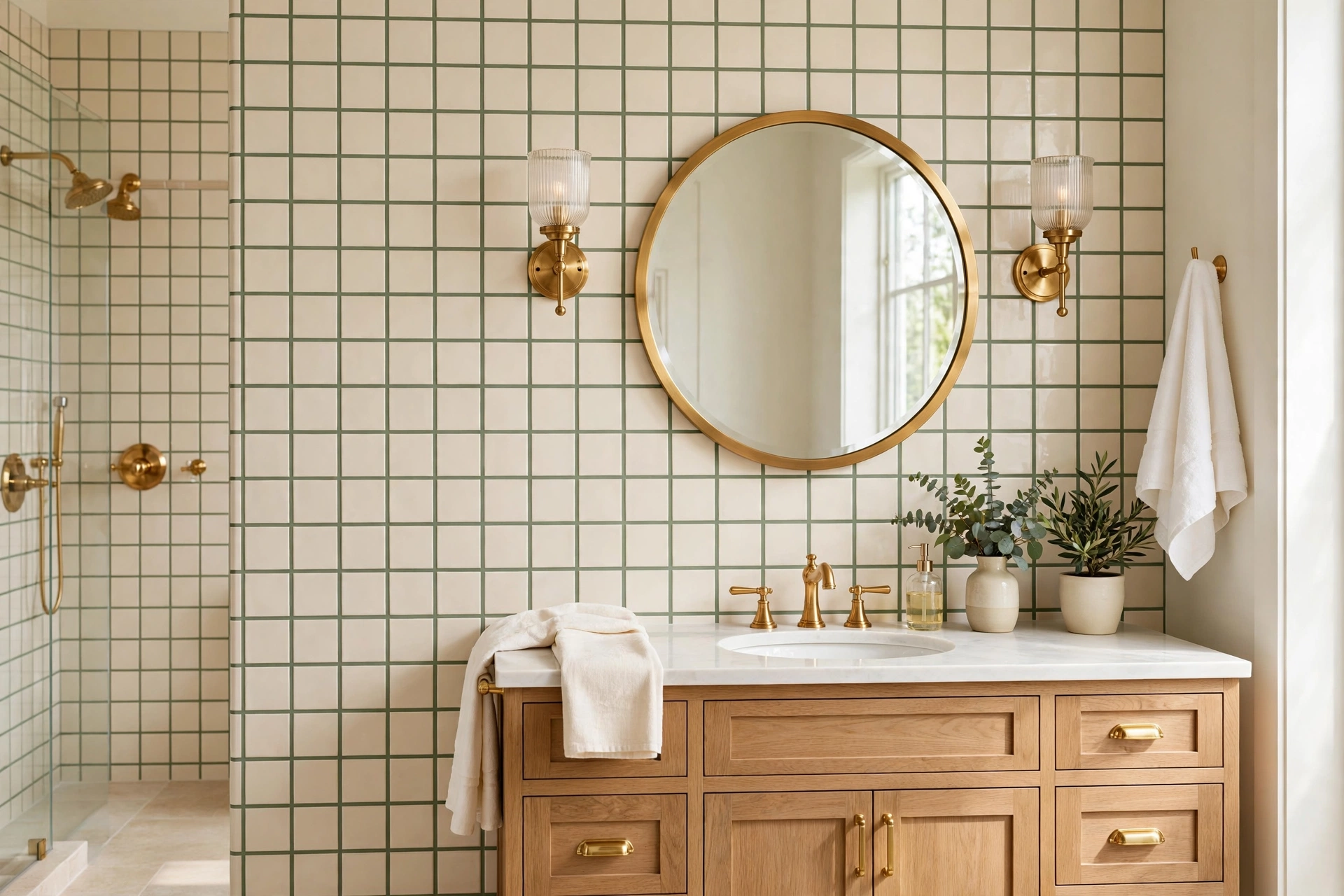
Green grout is having a moment, and for good reason. Sage green grout with cream or white tile feels organic and calm — a botanical bathroom without a single plant. Push to emerald or forest green with white subway tile and you get jewel-box richness that suits moody, dramatic bathrooms. Green pairs naturally with brass fixtures and warm woods, so it is an easy fit if your bathroom already leans that way. As with any colored grout, seal it well and buy from a reputable brand so the color stays true over the years.
7. Terracotta and Rust Tones
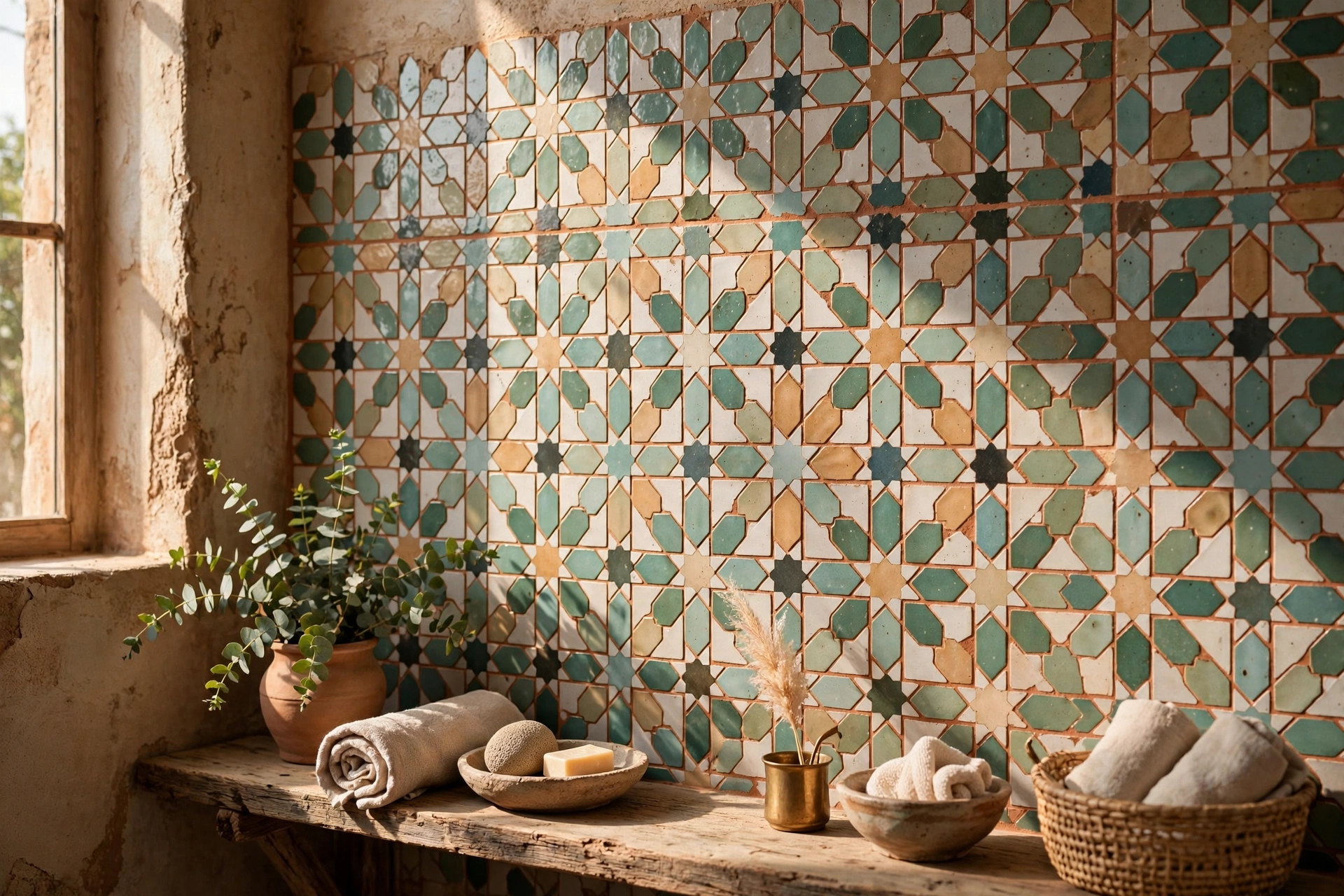
Terracotta grout brings sunbaked warmth that plain gray simply cannot. Against cream, ivory, or handmade-look zellige tiles, a rust or terracotta grout line glows like desert clay — perfect for Spanish, Mediterranean, or boho bathrooms. The handmade variation in zellige tiles already celebrates imperfection, so a colored grout that shares that spirit feels completely natural. Keep the rest of the room grounded: natural wood vanities, matte black or aged-brass hardware, and simple white fixtures let the warm grout lines carry the personality.
8. Match the Tile for a Tonal Effect
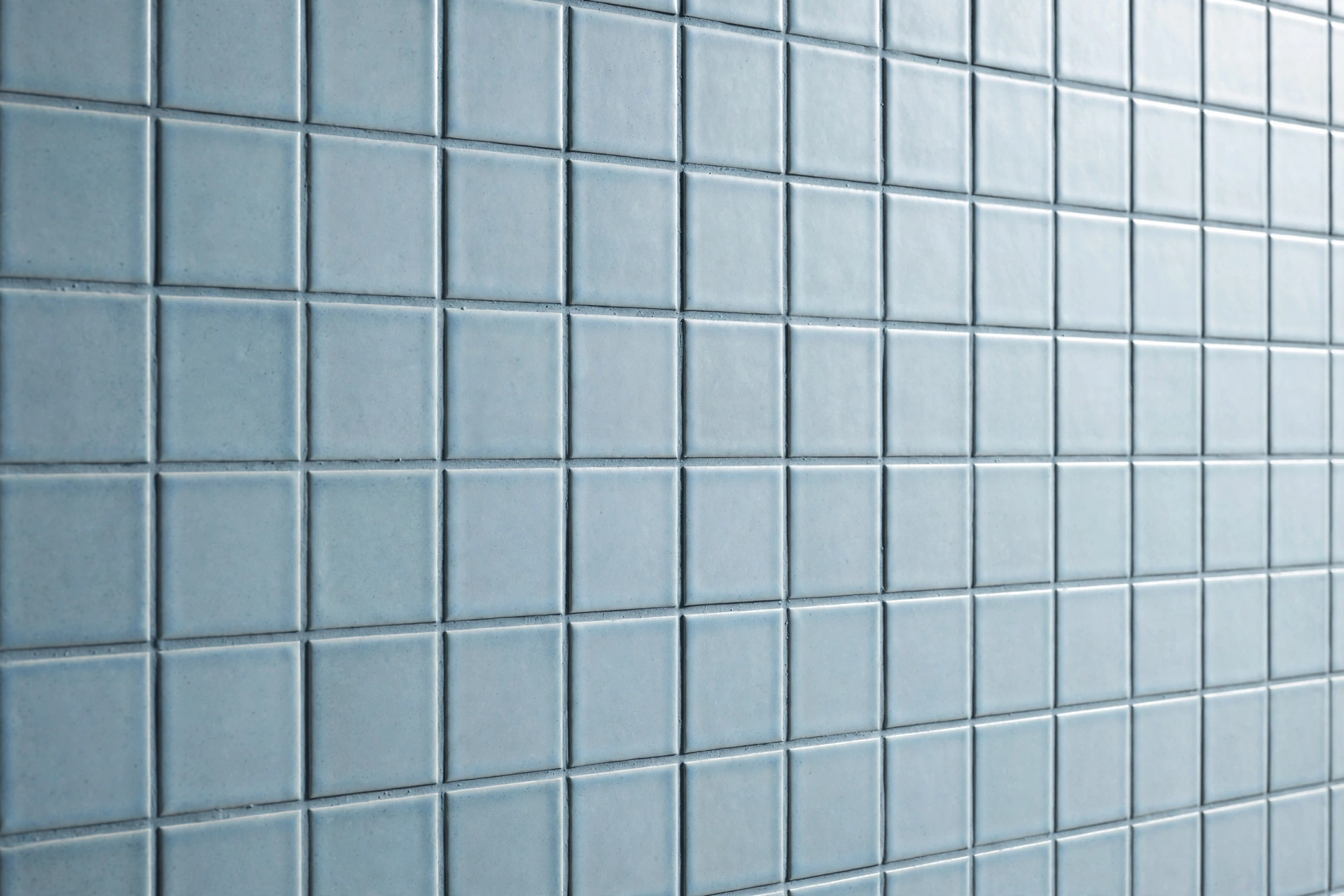
Matching grout to the tile color — tone on tone — is the designer’s trick for making small bathrooms feel bigger. When grout lines vanish, walls read as one continuous surface and the eye glides without interruption, which visually expands the room. This works with colored tile too, not just white: a soft blue tile with matching blue-gray grout feels custom and calm. Ask your tile supplier for grout color cards and hold them directly against your tile in the bathroom light. Slight mismatch is worse than deliberate contrast, so match precisely or go bold instead.
9. Charcoal Grout with Gray Tile
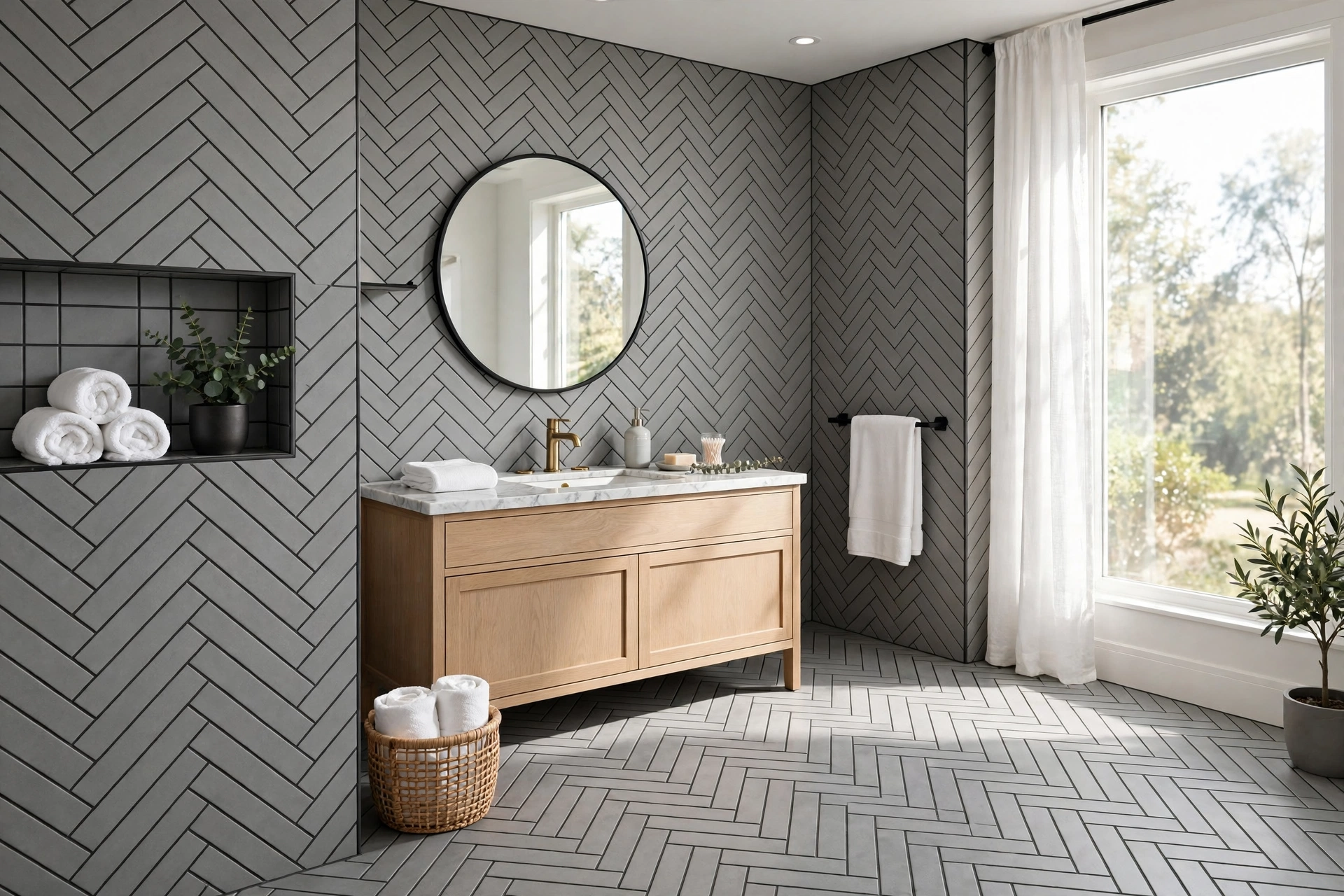
Charcoal grout on mid-gray tile is the sophisticated middle ground between soft gray and black. The contrast is strong enough to show off the tile pattern — subway, stacked, or herringbone — but softer than true black, so it suits bathrooms that want edge without drama. It hides dirt and staining nearly as well as black, making it a smart pick for family bathrooms and shower floors. Pair it with matte black fixtures for a cohesive modern look, or warm wood accents to keep it from feeling cold.
10. Darker Grout on the Shower Floor
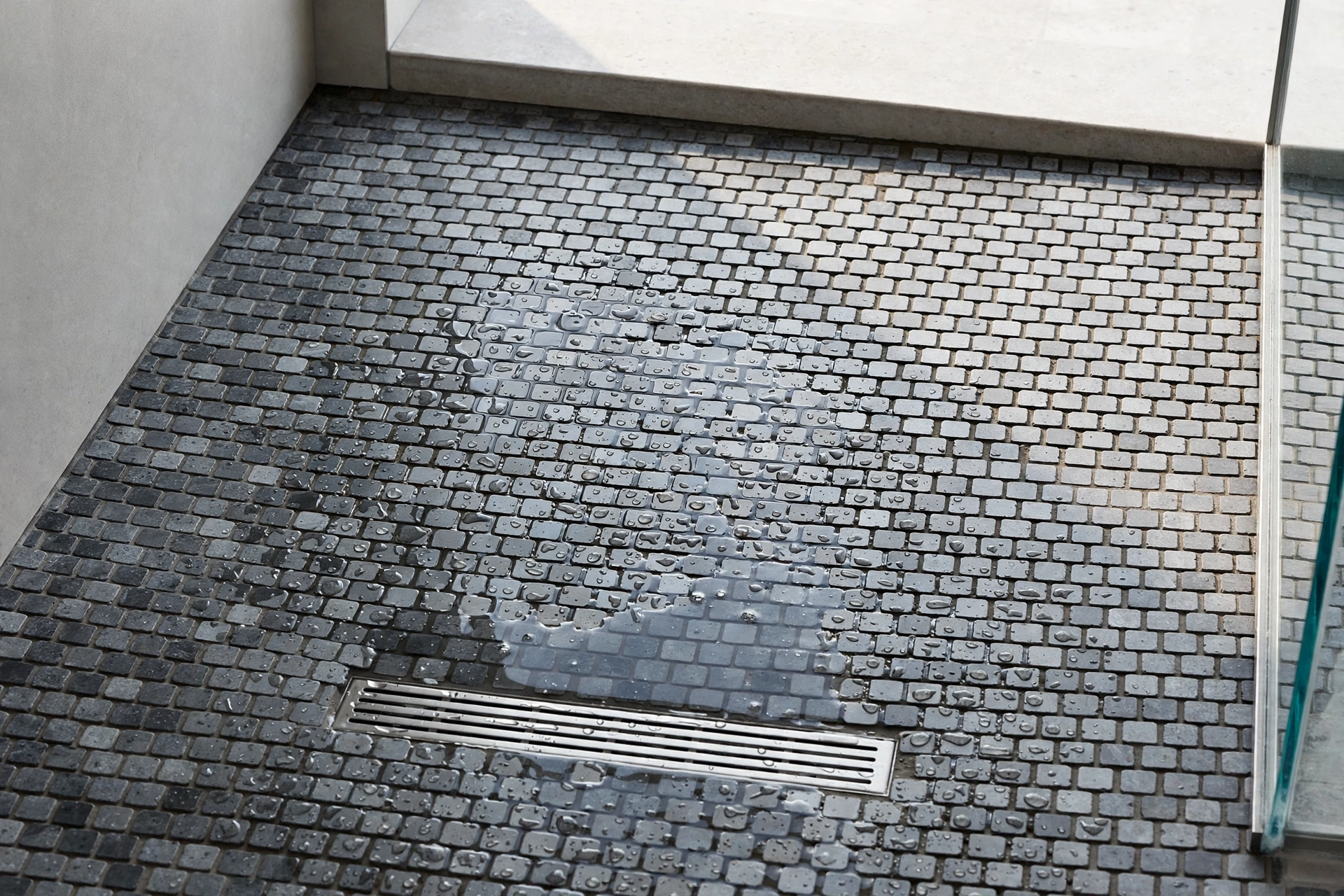
The shower floor works harder than any surface in the bathroom, so give it a grout color that works hard too. Medium to dark gray grout on shower floors hides shampoo residue, hard-water spots, and the general grime that no amount of rinsing fully prevents. A darker floor grout also anchors the room visually, which can make a floating vanity or glass shower feel more grounded. Just keep the wall grout a shade or two lighter — a fully dark shower can feel cave-like in a bathroom without a window.
11. Epoxy vs. Cement Grout: What to Know
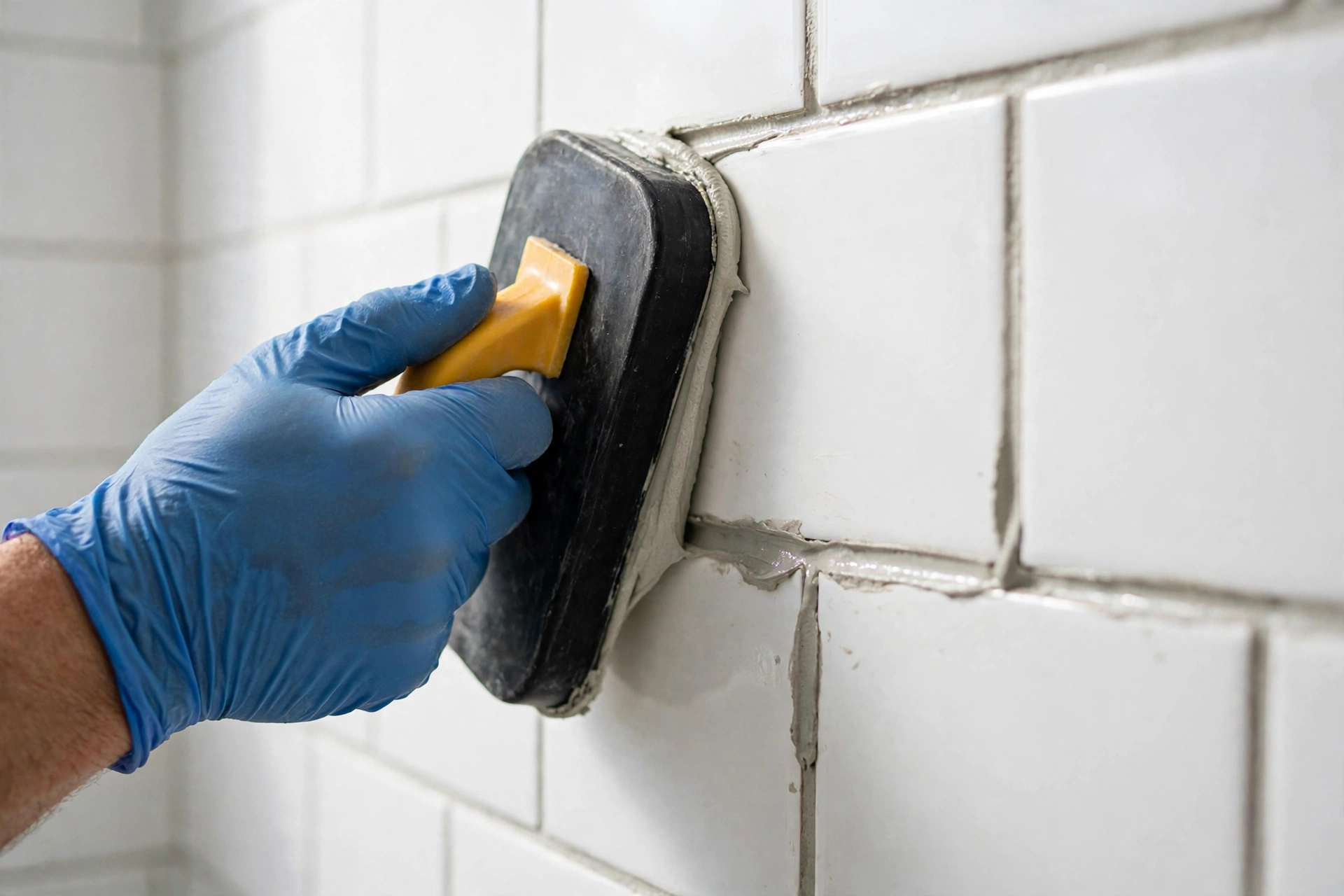
Grout type matters as much as grout color, especially in a wet bathroom. Traditional cement grout is affordable and comes in the widest color range, but it is porous and needs sealing to resist stains and mildew. Epoxy grout is non-porous, stain-proof, and never needs sealing — ideal for showers and floors — but it costs more and demands a skilled installer because it sets fast. For colored grout, epoxy holds its hue longer. Whichever you choose, seal cement grout annually and re-caulk the corners where tile meets the tub.
12. Grout Choices for Marble Tile
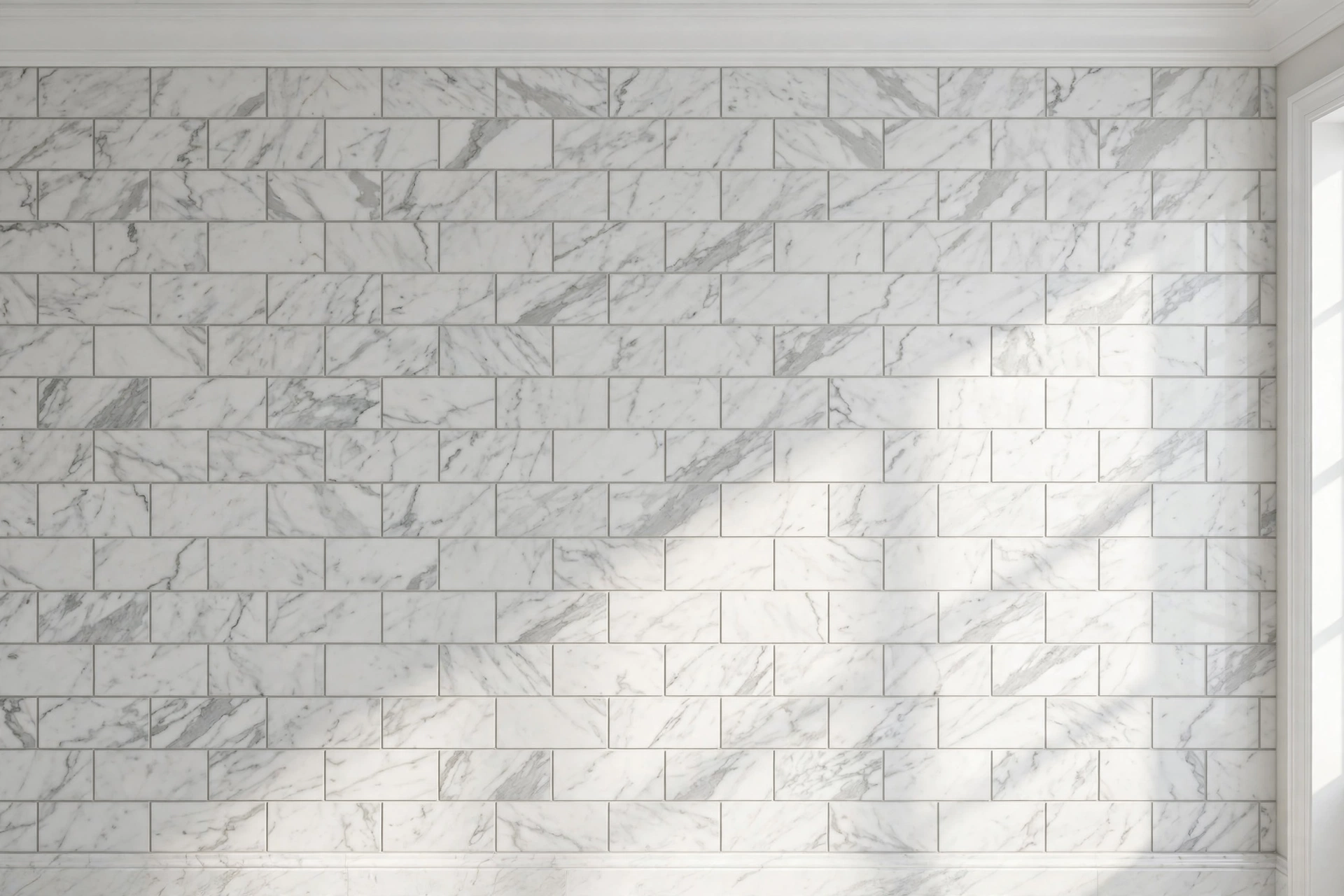
Marble demands a gentle touch. White or very light gray grout is the classic pairing because it lets the stone’s veining be the artwork — anything darker competes with the natural pattern. Because marble is sensitive to acids, your installer should use a non-sanded grout and avoid harsh cleaners that could etch the surface. If you are going through a full renovation, our bathroom remodel design ideas cover how marble fits into the bigger design plan. One more caution: unsanded, light grout stains easily, so sealing marble installations is non-negotiable.
13. Grout Color for Mosaic Tile
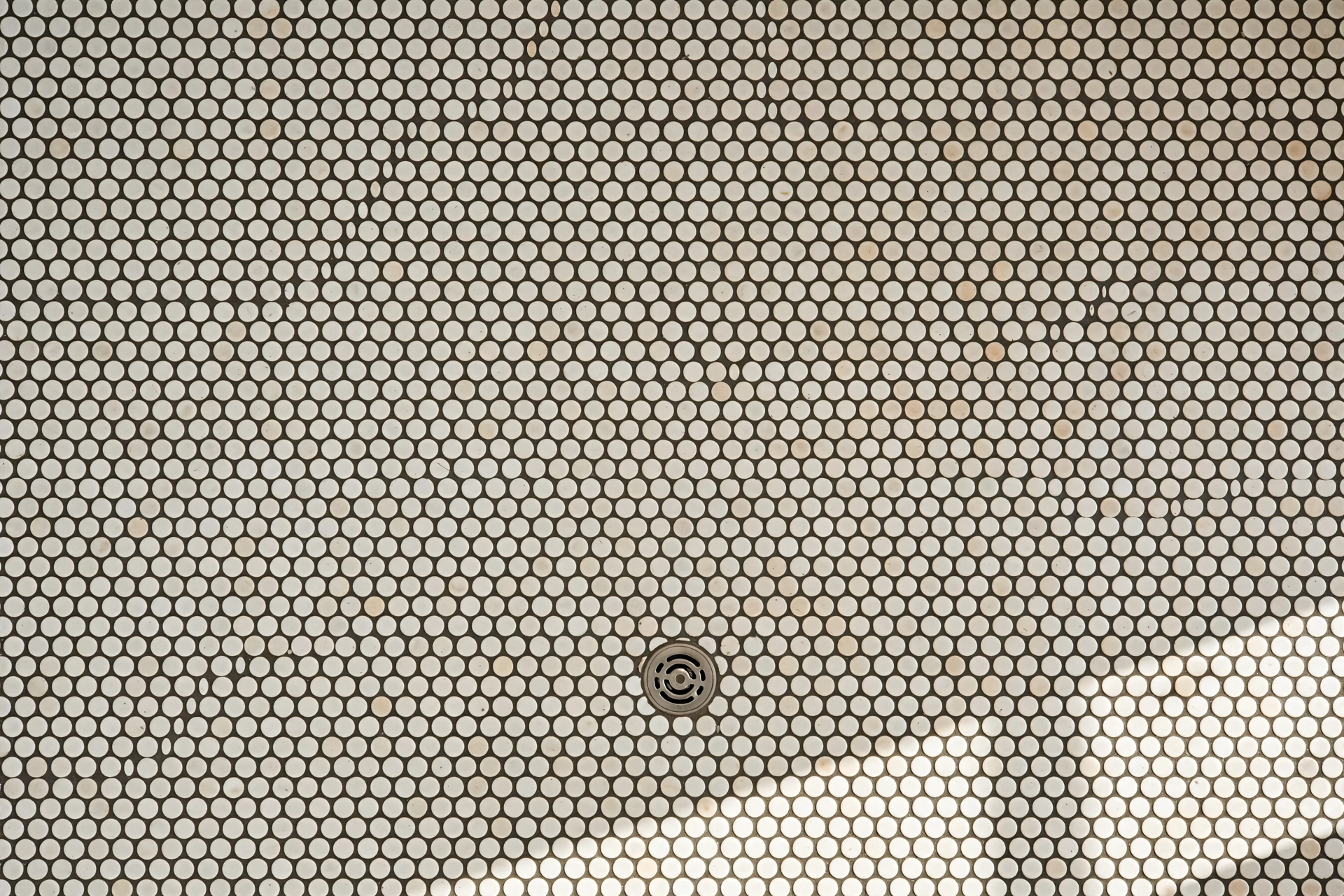
Mosaics — penny rounds, mini hexes, glass blends — have far more grout per square foot than large tiles, so grout color dominates the final look. A contrasting grout turns the mosaic pattern into a bold graphic statement, while a matching grout lets the tile color and texture take over. On mosaic floors, lean darker for practicality, since all that grout collects grime. Test your choice on a full sheet of the mosaic rather than a loose chip, because the grout-to-tile ratio at full scale changes everything about how the color reads.
14. Mind Warm and Cool Undertones
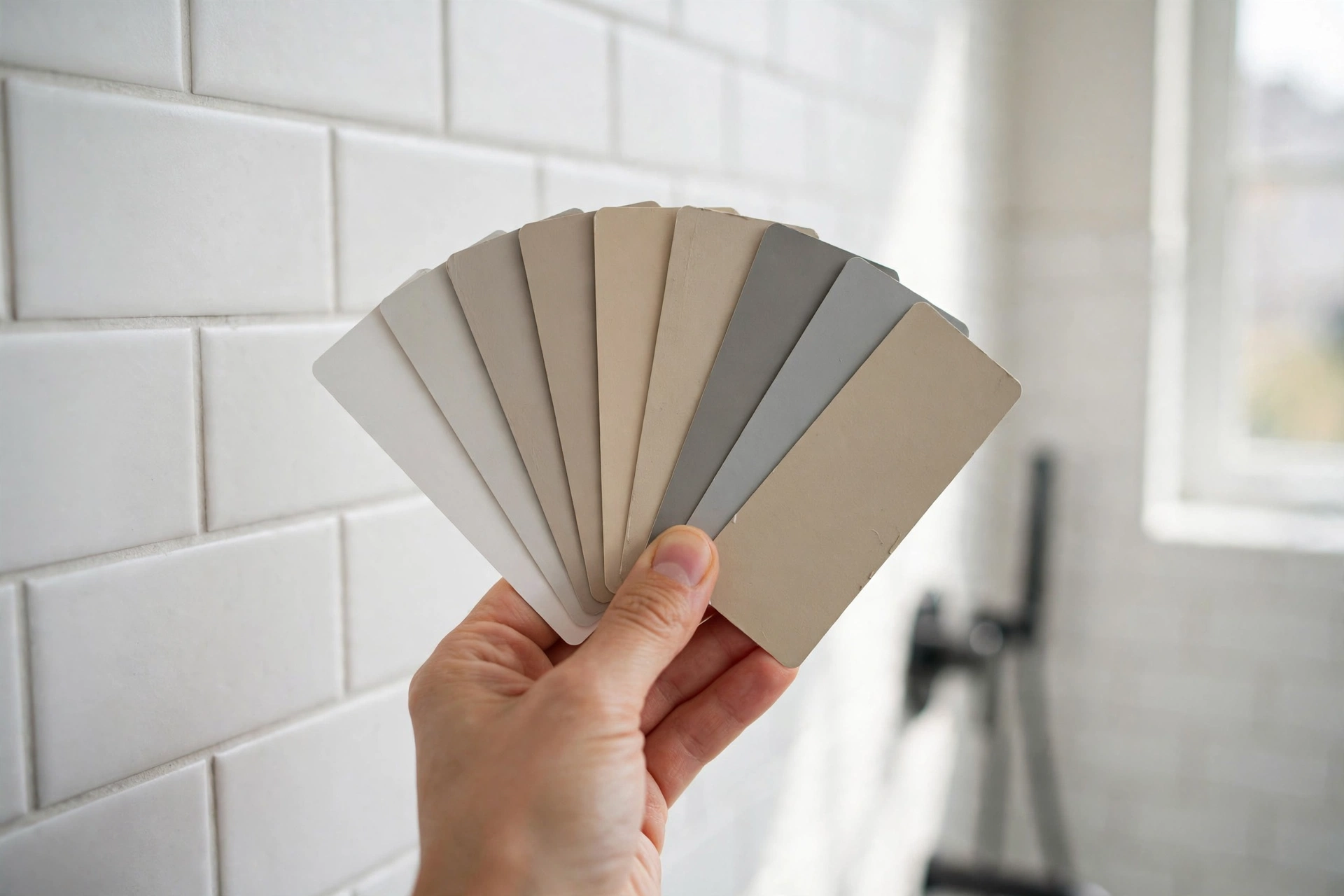
Undertone matching is the detail that separates a polished bathroom from an almost-there one. Warm grays carry beige or brown undertones and pair with cream tile, brass fixtures, and wood tones. Cool grays lean blue and belong with bright white tile, chrome, and black accents. A warm grout against cool tile — or vice versa — creates a subtle visual clash that is hard to name but easy to feel. Hold grout samples next to your tile and fixtures together in daylight before deciding; the right pairing looks effortless.
15. Small-Bathroom Grout Tricks
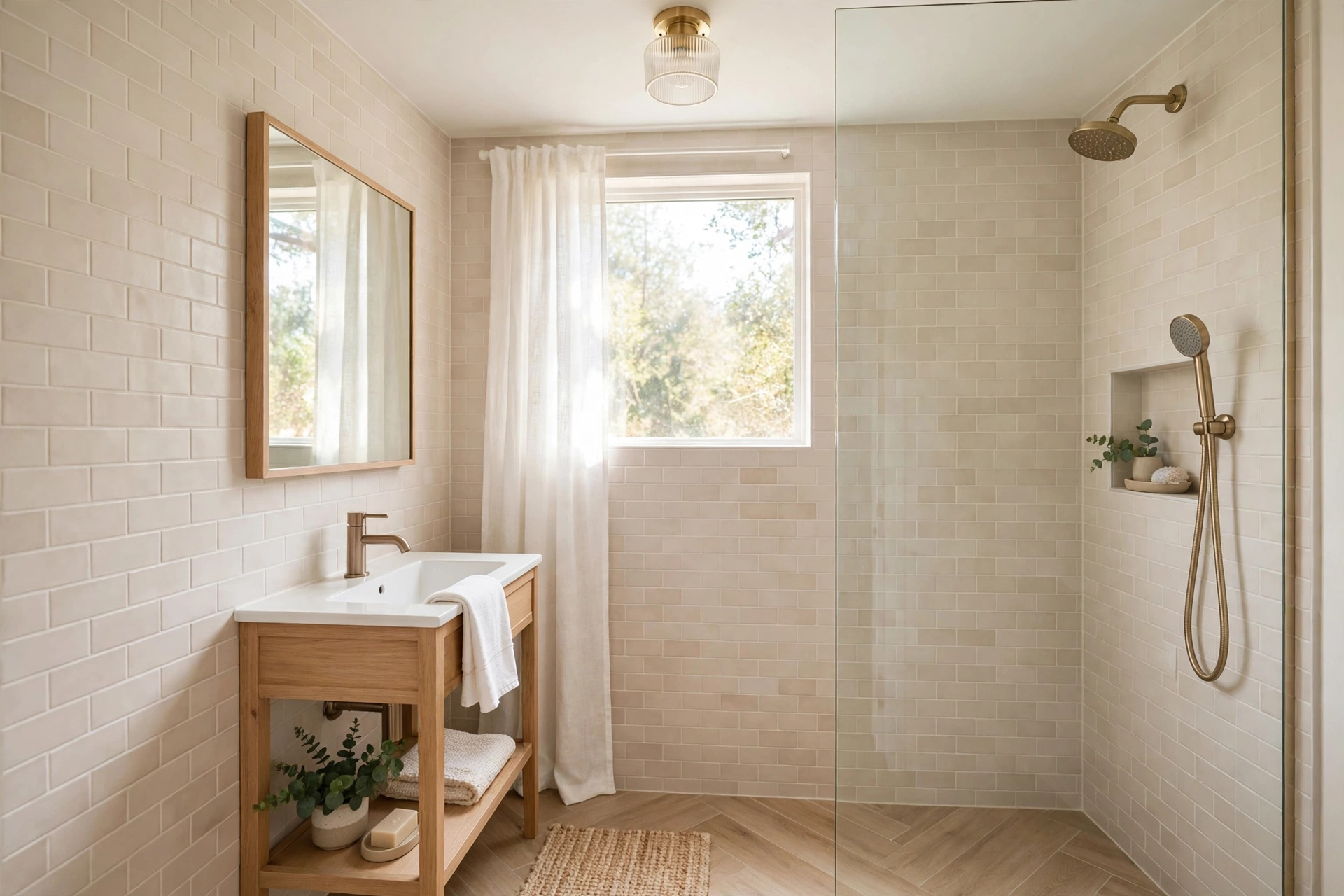
In a tiny bathroom, grout strategy can visually add square footage. Light grout matched closely to the tile blurs the grid and makes walls recede, which opens up the space. Larger tiles with fewer grout lines help too, since every line is a visual interruption. If you love the look of contrast, keep it on one feature wall and go tonal everywhere else — you get the drama without shrinking the room. Whatever you choose, carry the same grout color from floor to wall for an unbroken flow that tricks the eye into seeing one bigger space.
FAQ
What is the most popular grout color for bathroom tile?
Light gray remains the most popular choice because it suits nearly every tile and hides everyday grime better than white. It defines white subway tile with soft contrast, pairs with both warm and cool fixtures, and ages gracefully without obvious discoloration. If you want one safe answer that works in almost any bathroom, light gray is it.
Should bathroom grout be lighter or darker than the tile?
There is no single rule — it depends on the effect you want. Grout close to the tile color creates a seamless, spacious feel that suits small bathrooms. Darker grout adds drama and defines the tile pattern, but shows soap residue more readily on light tile. Many designers split the difference: slightly darker than the tile on floors for practicality, closely matched on walls for calm.
Does dark grout make a bathroom look smaller?
It can, because high-contrast grout lines chop the wall into a visible grid that reads as busy in tight spaces. In small bathrooms, a tonal grout that closely matches the tile keeps sight lines clean and makes the room feel larger. If you love dark grout, confine it to a feature wall or the shower floor and keep the main walls light.
How do I keep colored grout from fading or staining?
Seal cement-based grout before first use and re-seal it once a year, and choose epoxy grout in showers where fading and staining are worst. Clean with pH-neutral cleaners rather than bleach or acidic products, which can bleach colored grout over time. Good ventilation matters too — a fan that runs during and after showers keeps mildew from dulling the color.
Can I change my grout color without retiling?
Yes. Grout colorant pens and epoxy-based grout stains let you recolor existing grout without removing tile, and a full regrout is possible if the old grout is failing. Deep-clean the grout first so the new color bonds evenly, and seal afterward to lock it in. For a quick refresh of dingy lines, colorant is the cheapest bathroom upgrade you can buy.
Keep Exploring
Grout is the finishing detail that ties your whole bathroom together, so give it the same thought you gave the tile — test samples in your real light, match undertones, and pick a color you will still love in ten years. A thoughtful grout choice makes even budget tile look intentional and high-end. When you are ready to make a bigger statement with tile, our bathroom accent wall ideas show how a feature wall can carry the whole room, grout lines and all.