
Bedding is the largest textile surface in the bedroom, so it sets the room’s entire mood. Great bedroom bedding ideas aren’t about one perfect duvet — they’re about layers that work together: sheets that feel good, a duvet with the right warmth, a quilt for texture, and the seasonal swaps that keep the bed comfortable year-round.
These fifteen bedroom bedding ideas cover the full bed, from choosing sheet fabrics to styling pillows like a designer, with the practical details — thread counts, washing routines, and layer formulas — that make the difference between a bed that looks good and one you can’t wait to climb into.
1. Follow the four-layer formula
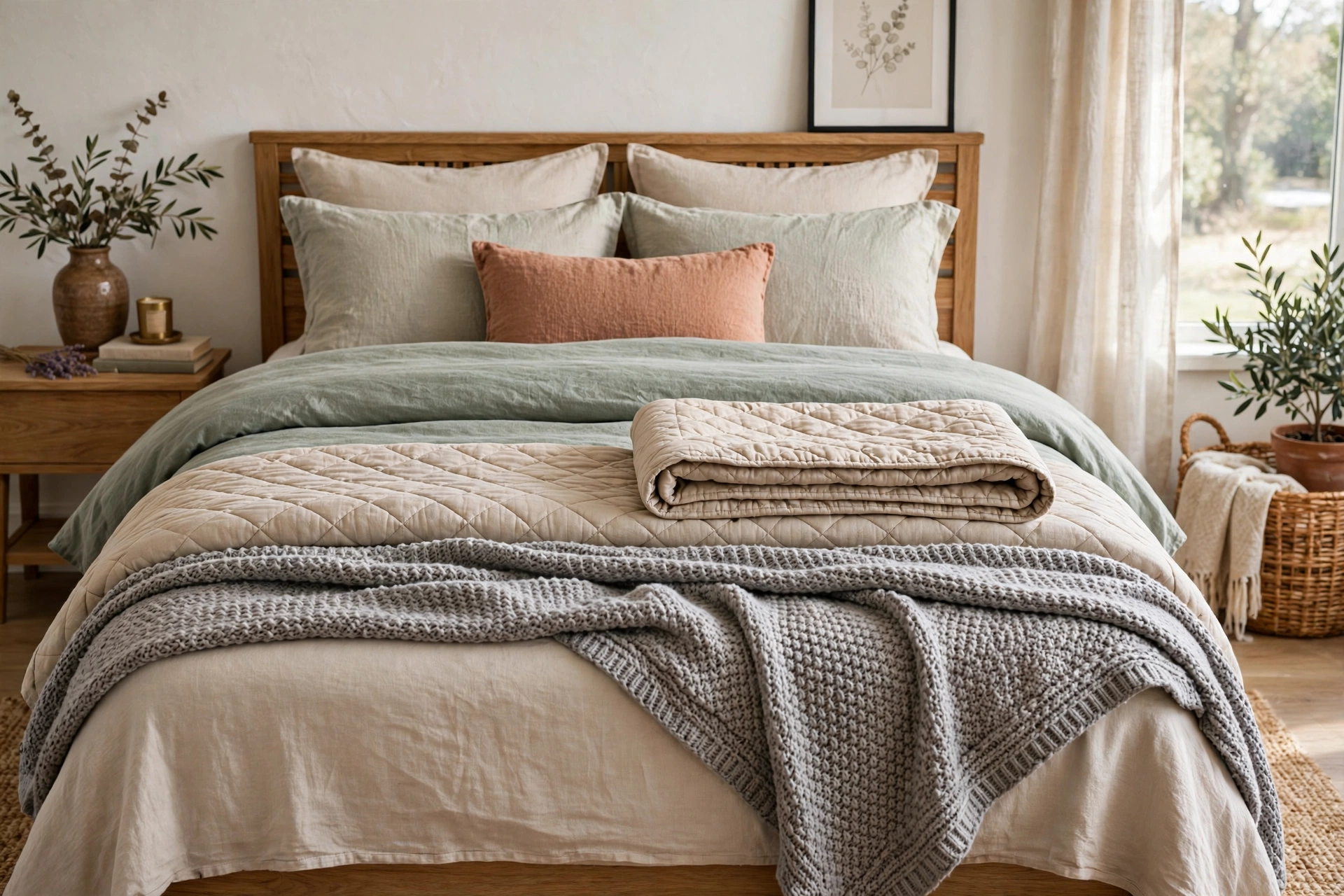
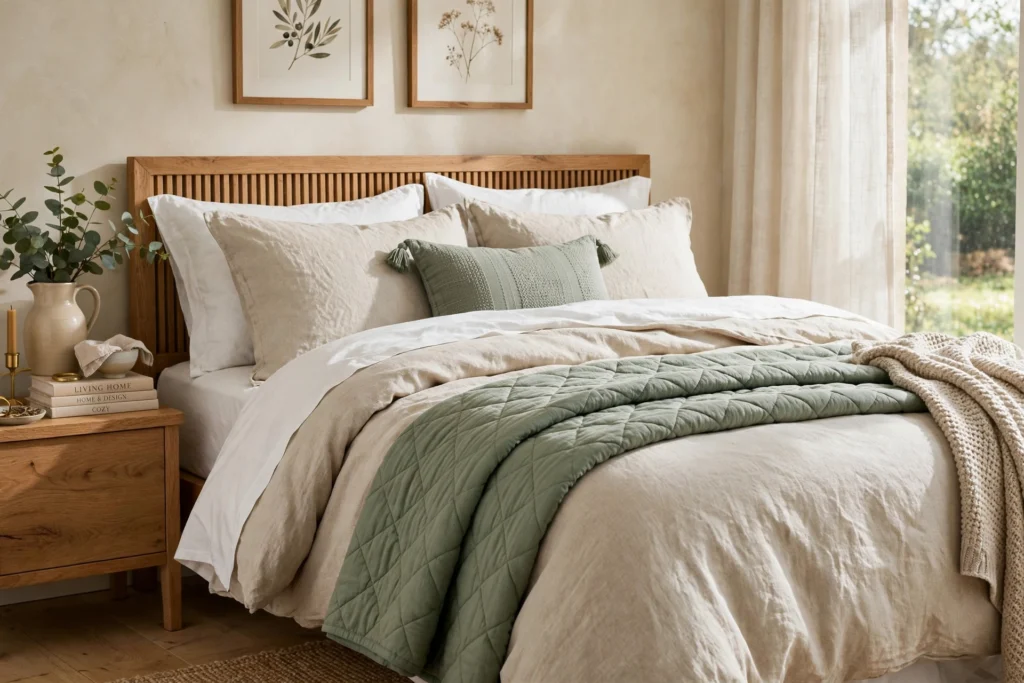
Designers build beds in four layers, and the formula never fails: fitted sheet, top sheet (optional but classic), duvet or comforter, then a quilt or coverlet folded across the foot, finished with a throw. Each layer adds both warmth and visual depth. Start with the duvet as your warmth layer — choose its fill weight for your climate — then treat the quilt and throw as style layers you can peel back or pile on. The beauty of the formula is flexibility: on a warm night, sleep under just the top sheet and quilt; in deep winter, use all four. Buy the layers in coordinating but not identical tones — white sheets, an oatmeal duvet cover, a sage quilt — so the bed looks collected rather than matchy.
2. Pick sheet fabric for how you sleep, not the thread count
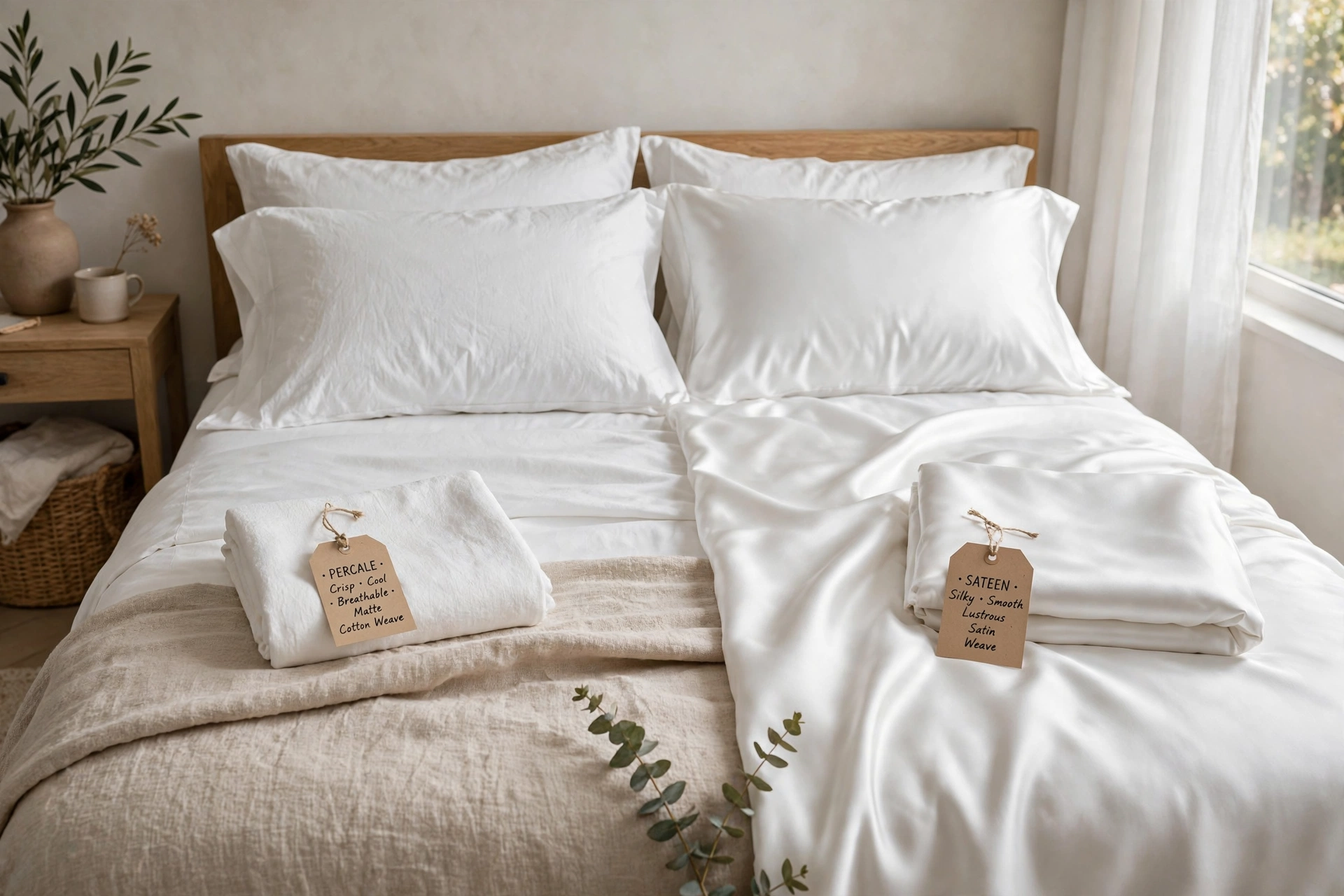
Percale and sateen are the two weaves that matter most. Percale is a plain, matte weave that feels crisp and cool — ideal for hot sleepers. Sateen has a satin-like sheen and a silky hand — better for cool sleepers who want warmth. Both are usually 100% cotton; long-staple cotton (often labeled Egyptian or Pima) resists pilling longer. Thread count is wildly overrated past about 400 — manufacturers inflate numbers with multi-ply yarns, and a 300-thread-count percale from long-staple cotton will outlast and out-feel a cheap 800-count set. If you sleep hot, also consider linen sheets: they feel textured at first but soften beautifully and breathe better than any cotton. Wash new sheets before first use to remove sizing and soften the fibers.
3. Decide between a duvet and a comforter honestly
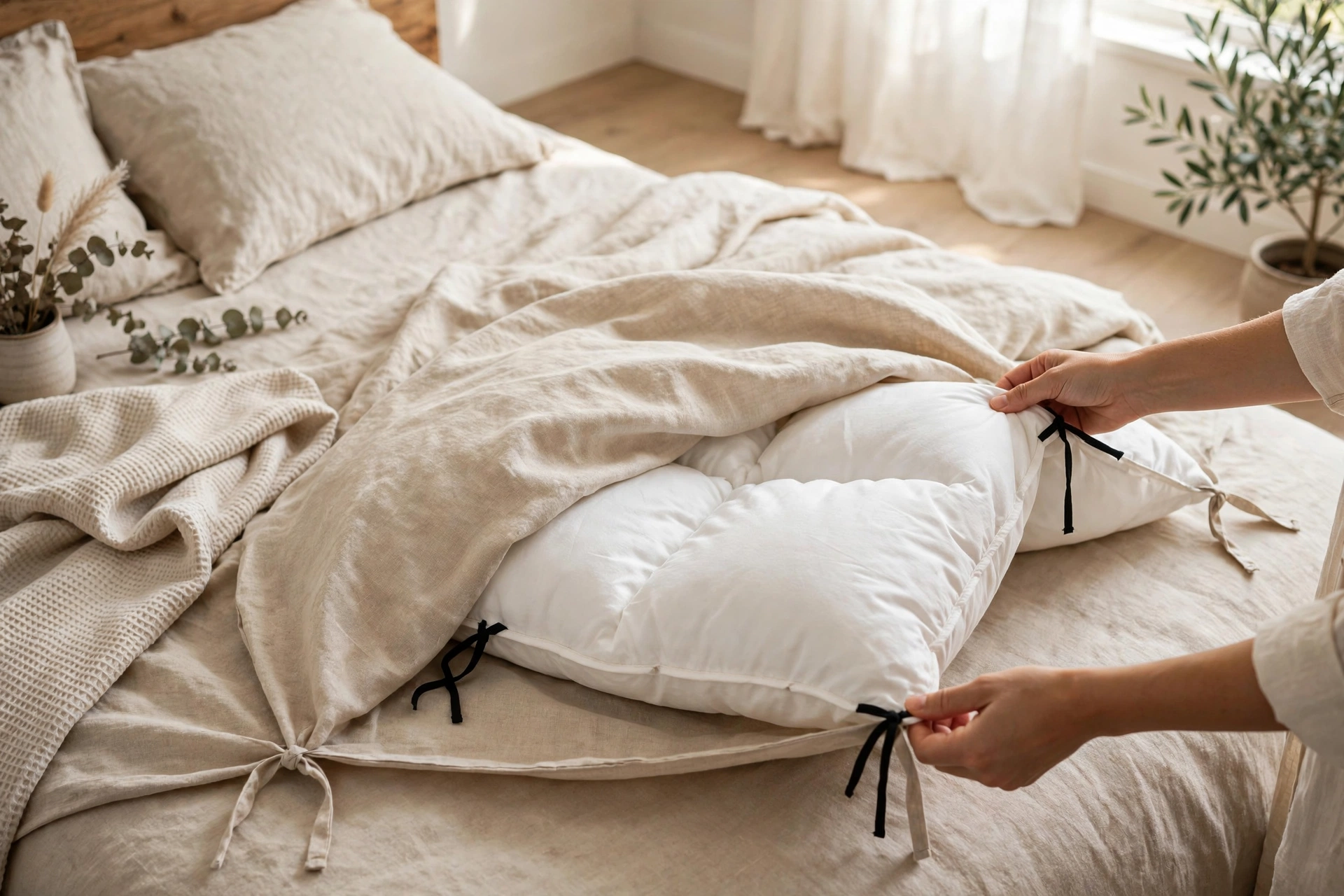
A duvet is a plain insert that goes inside a removable cover; a comforter is a finished, decorative piece used as-is. Duvets win on practicality: the cover washes easily in a home machine while the insert rarely needs washing, and swapping covers is the cheapest way to change your bedroom’s look seasonally. Comforters win on simplicity — no cover to wrestle on — but they’re bulky to wash and you need a whole new one to change styles. If you choose a duvet, look for corner ties inside the cover and loops on the insert; they keep everything from bunching into a lump by morning. For warmth, check the fill power (for down) or GSM (for alternatives) rather than just thickness — a high-loft 600-fill-power down duvet can be lighter and warmer than a flat heavy one.
4. Add a quilt as the middle style layer
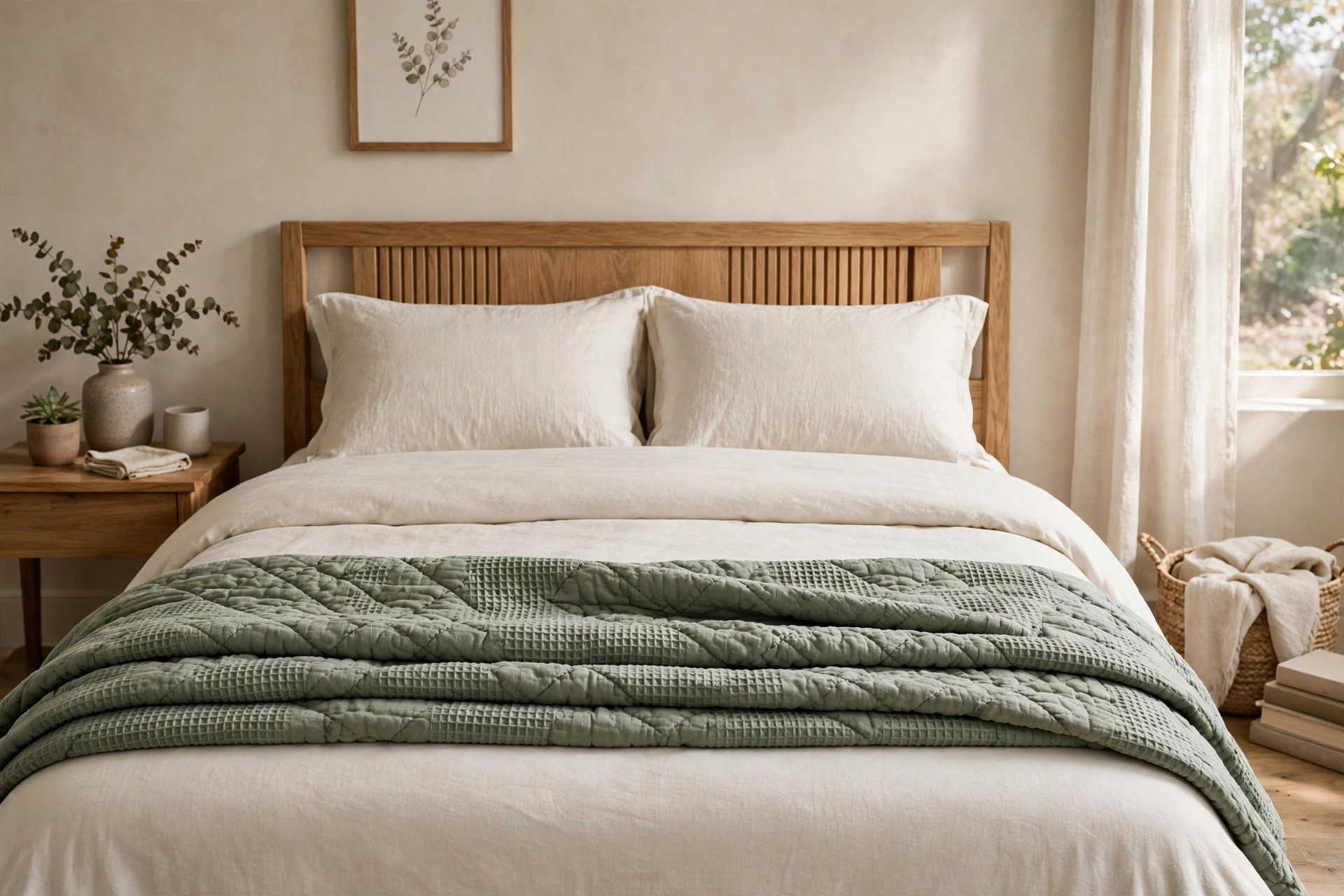
A quilt or coverlet folded across the lower third of the bed is the layer that makes a bed look styled rather than just made. It adds pattern or texture without the bulk of a second duvet, and it’s the perfect weight for summer nights or for sleepers who run warm. Fold it in thirds lengthwise and lay it across the foot, or fold it once and let it drape about 18 inches down each side. Quilts in matelassé, kantha stitch, or simple diamond quilting bring handmade texture that contrasts beautifully with smooth sateen sheets. Choose a quilt that’s washable — this is the layer that gets sat on, folded by pets, and dragged around, so it needs to survive the machine.
5. Swap bedding with the seasons
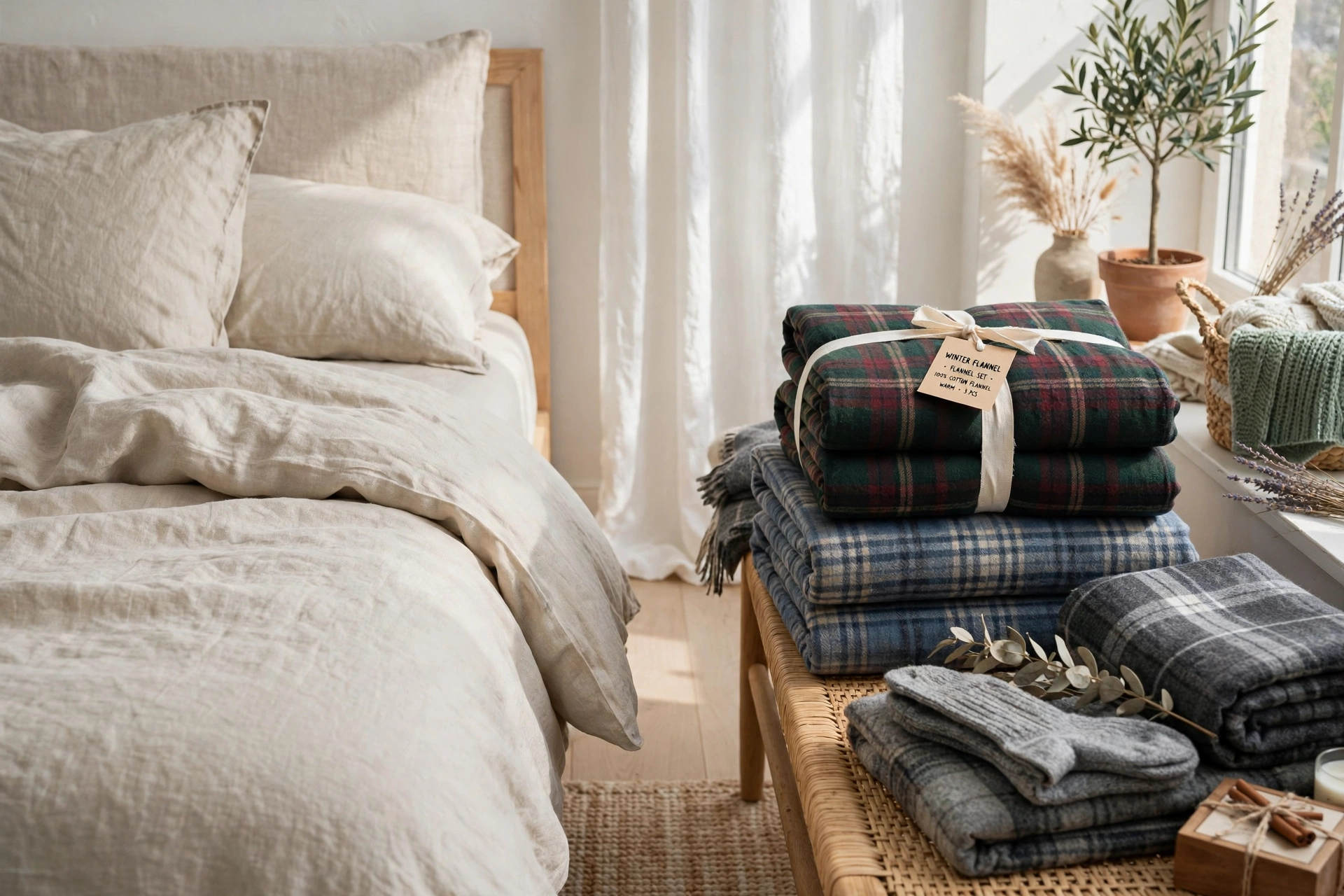
No single bedding setup works year-round, and seasonal swaps are one of the most impactful bedroom bedding ideas. Summer calls for breathable layers: linen or percale sheets, a lightweight quilt instead of a duvet, and no top blanket during heat waves. Winter wants flannel or sateen sheets, a higher-fill duvet, and a wool throw at the foot. Store off-season bedding in breathable cotton bags (not plastic, which traps moisture) in a closet or under the bed. The swap itself is a good moment to wash everything, including the duvet insert and mattress protector, and to check pillows — most need replacing every one to two years. Mark the swap on your calendar and it becomes a satisfying ritual rather than a chore.
6. Build on a white base, add color in the layers
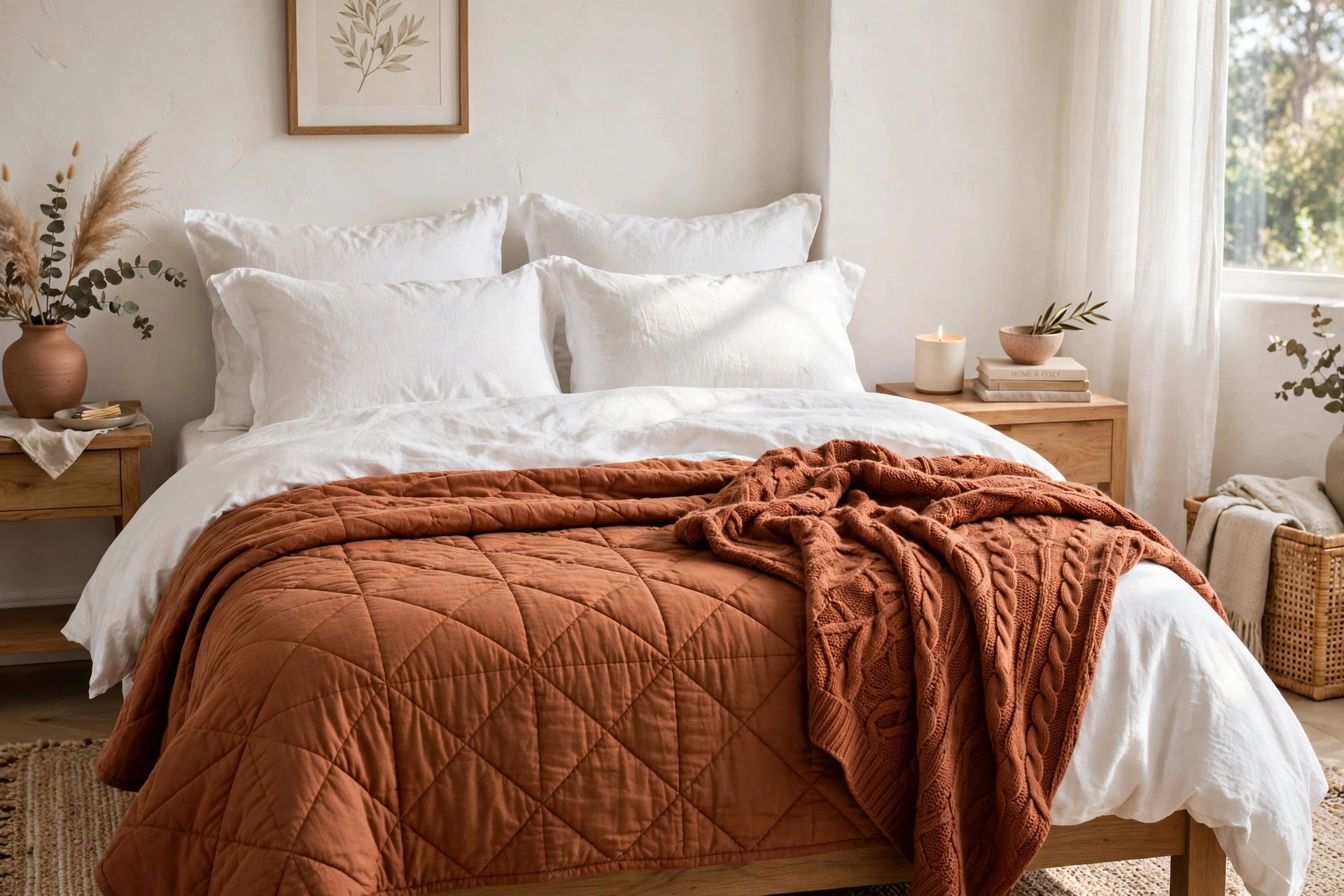
White sheets and a white or ivory duvet cover are the designer’s secret: they make the bed look crisp and hotel-like, they bleach clean, and they let you change the room’s color story with just the quilt and throw. A white base also makes the bed feel larger and brighter, which matters in small or dark bedrooms. Add color in the removable layers — a terracotta quilt in autumn, a sage throw in spring — and the whole room transforms for the price of one textile. Keep at least two duvet cover sets in rotation so one can be in the wash. If pure white feels stark, warm it with ivory, oatmeal, or natural linen tones rather than jumping to color.
7. Mix patterns with the 60-30-10 rule
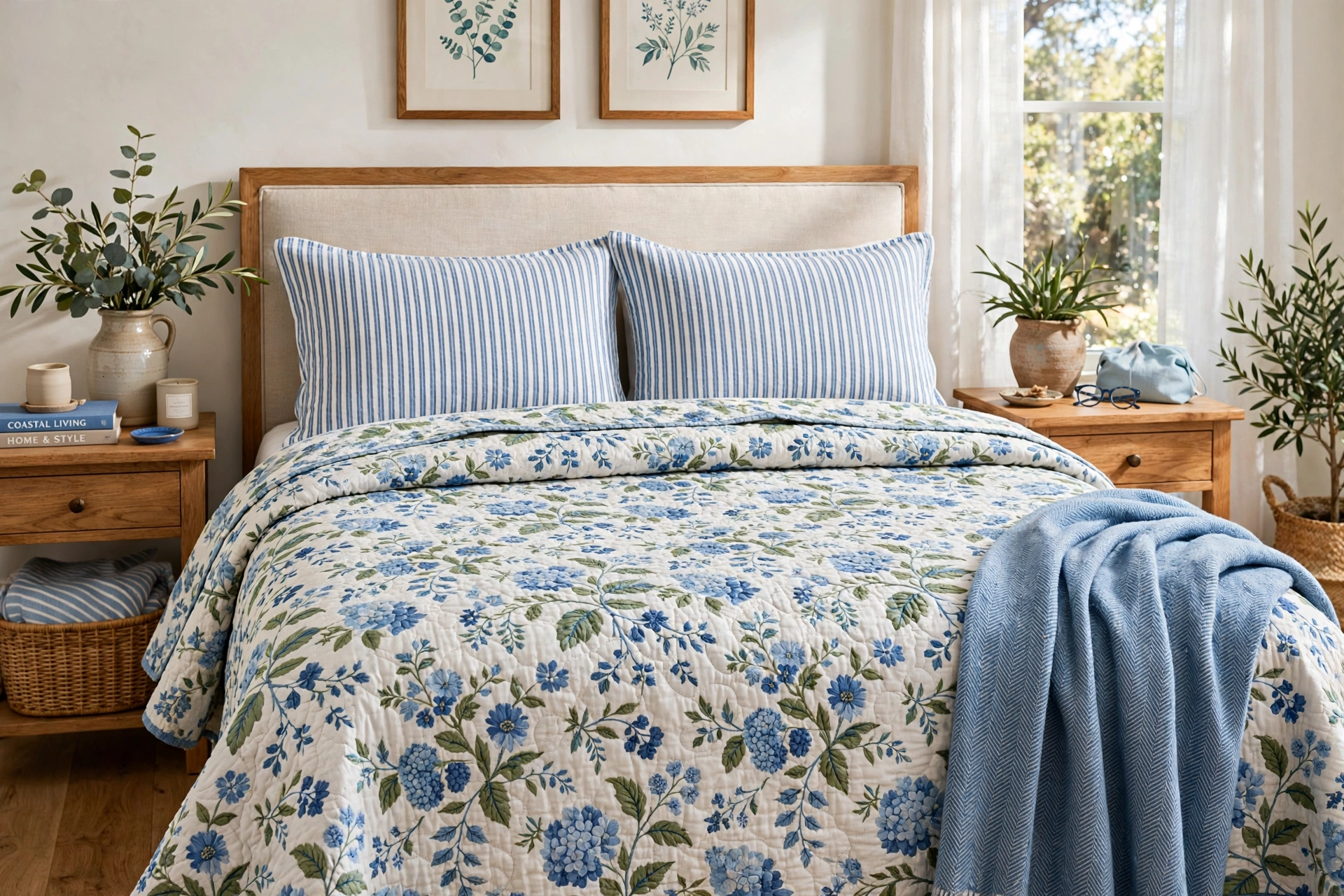
Pattern mixing looks effortless when you follow a ratio: 60 percent solid (your sheets and duvet cover), 30 percent a medium-scale pattern (the quilt), and 10 percent a small-scale or bold accent (pillow shams or a throw). Keep all patterns in the same color family — blues with blues, warm neutrals with warm neutrals — and vary the scale so they don’t compete: a large floral with a small stripe works; two large florals fight. Stripes, by the way, are the easiest pattern to mix because they read almost as a solid from across the room. If you’re nervous, start with texture instead of pattern — a waffle quilt and a chunky knit throw give the same visual richness with zero clash risk. For help choosing the palette itself, these bedroom color palette ideas for a calming restful room are a great starting point.
8. Style pillows with the sleeping-to-decorative ratio
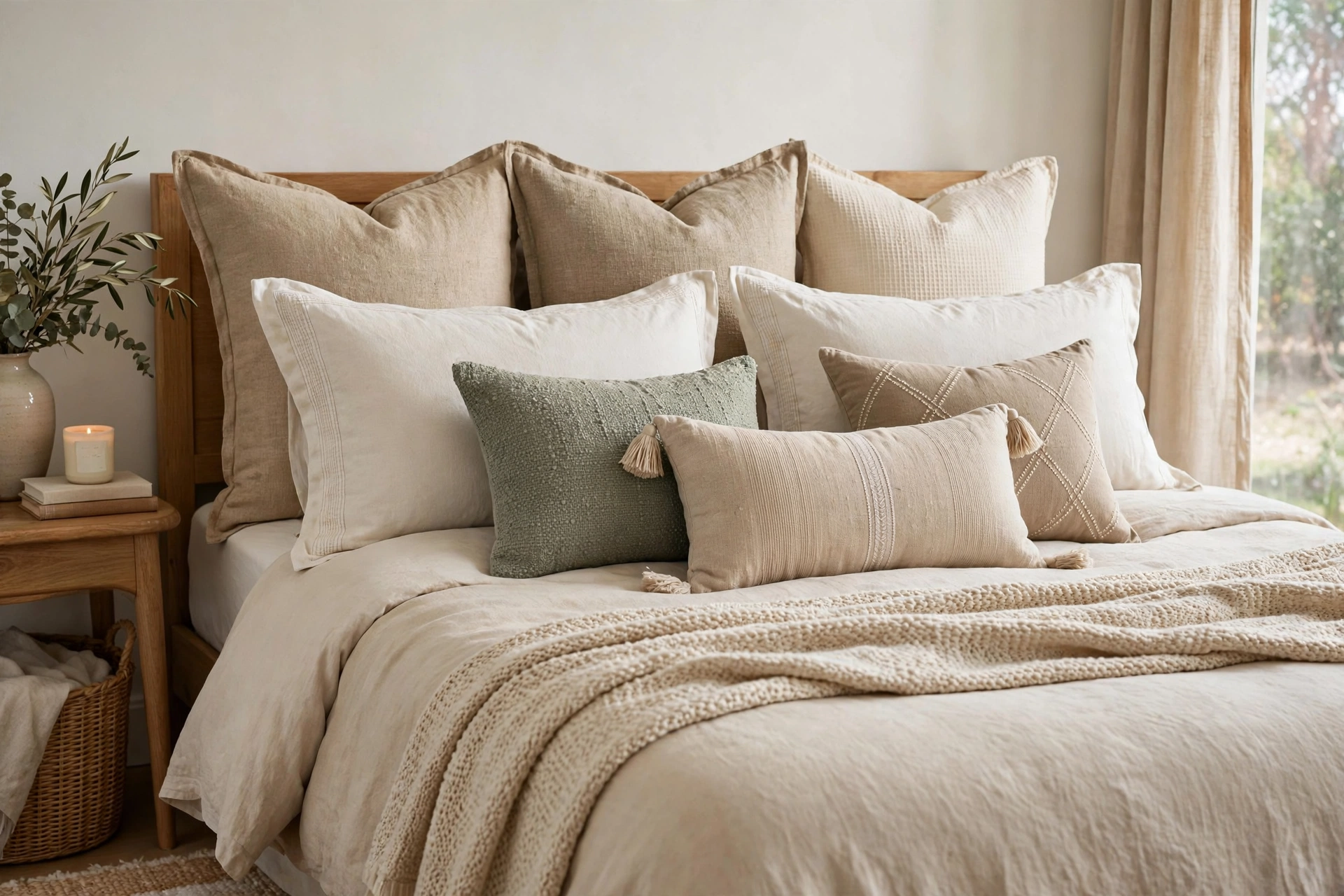
The classic designer pillow formula: start with your sleeping pillows (usually two for a queen, in simple cases), add two Euro shams (26-inch squares) standing against the headboard, then two standard shams in front, and finish with one or two small accent pillows. That’s the full look — and you can stop at any stage. Each row should be slightly smaller than the one behind it so every layer peeks out. For a relaxed modern look, skip the shams and do sleeping pillows plus two lumbar pillows; for traditional, go full formula. Whatever you choose, the pillows you actually sleep on should be easy to remove at night — if taking the bed apart feels like a chore, simplify. And replace sleeping pillows every one to two years; they lose support long before they look worn.
9. Stop overpaying for thread count
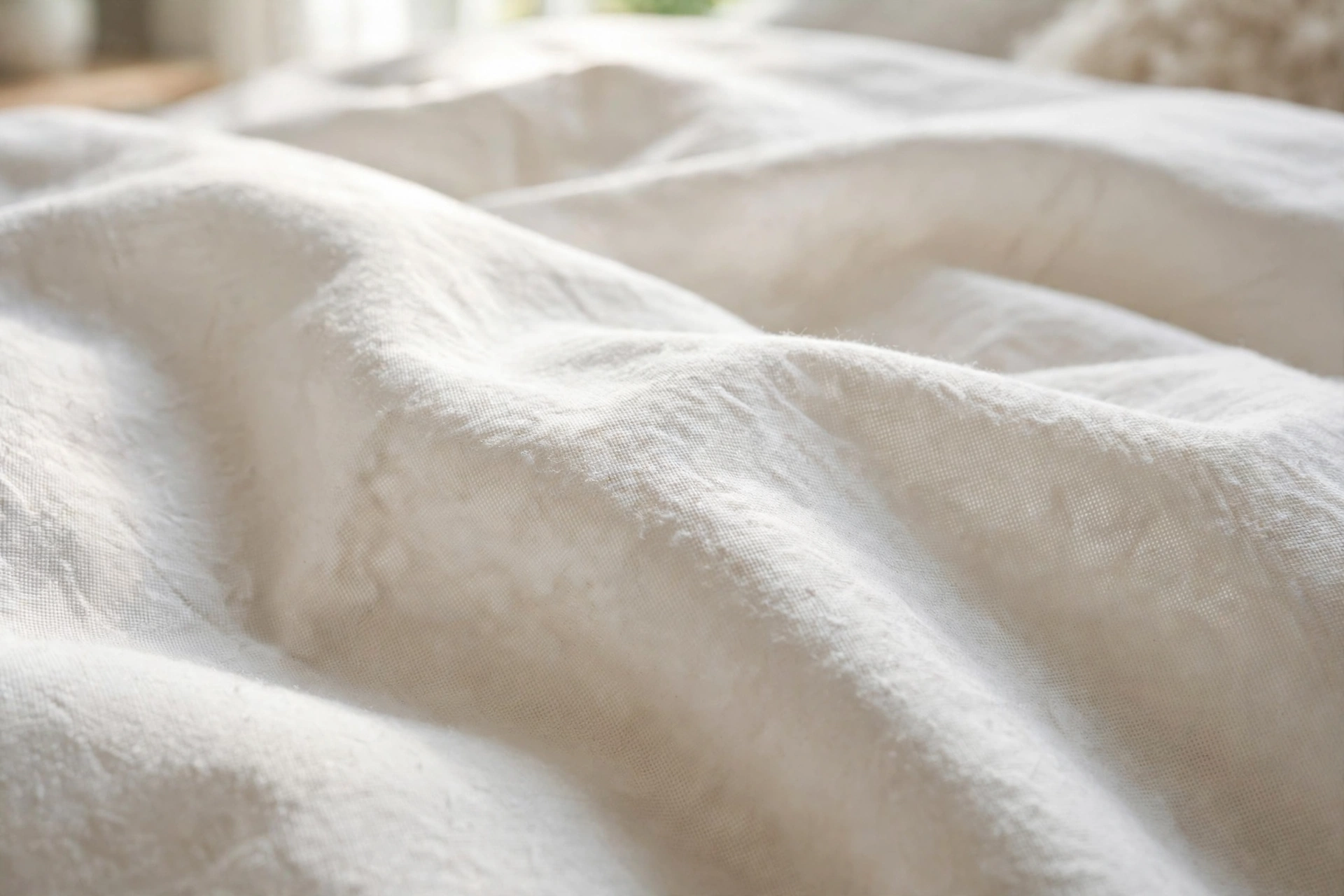
Thread count marketing has trained everyone to chase 1000-count sheets, but the number is largely meaningless above 400. What actually determines quality is fiber length (long-staple cotton pills less), weave (percale vs. sateen), and finishing. A 300-thread-count percale made from long-staple cotton will feel crisper and last longer than an 800-count set made from short fibers with a chemical softener that washes out in months. Instead of the count, check the fiber content — 100% long-staple cotton, linen, or a cotton-linen blend — and read reviews about pilling and softness after washing. Spend the money you save on a second set so you can rotate; two mid-range sets outlast one luxury set because each gets half the wear.
10. Try the European top-sheet-free style
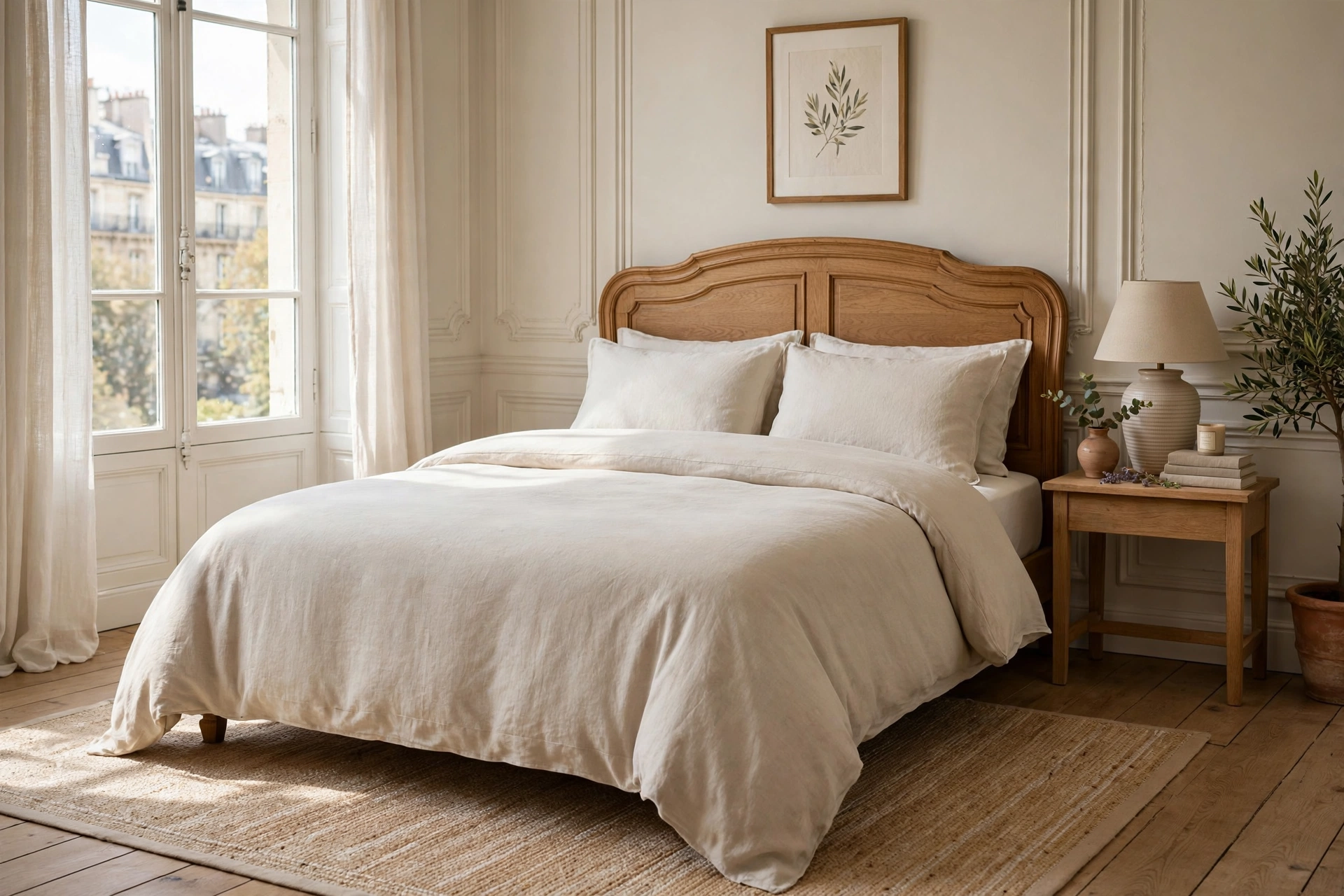
Much of Europe skips the top sheet entirely: sleepers lie directly under the duvet, inside its washable cover. The advantage is simplicity — one less layer to straighten — and many people find it more comfortable without a sheet tangling around their legs. The trade-off is laundry: the duvet cover needs washing as often as sheets, roughly weekly, since it touches skin directly. If you try this style, own at least two duvet covers and choose a cover fabric you love against your skin — this is where sateen or washed linen earns its keep. Couples who disagree on warmth can use two separate twin duvets on one bed (the Scandinavian sleep method), which ends blanket tug-of-wars permanently.
11. Add texture with waffle, matelassé, and knit layers
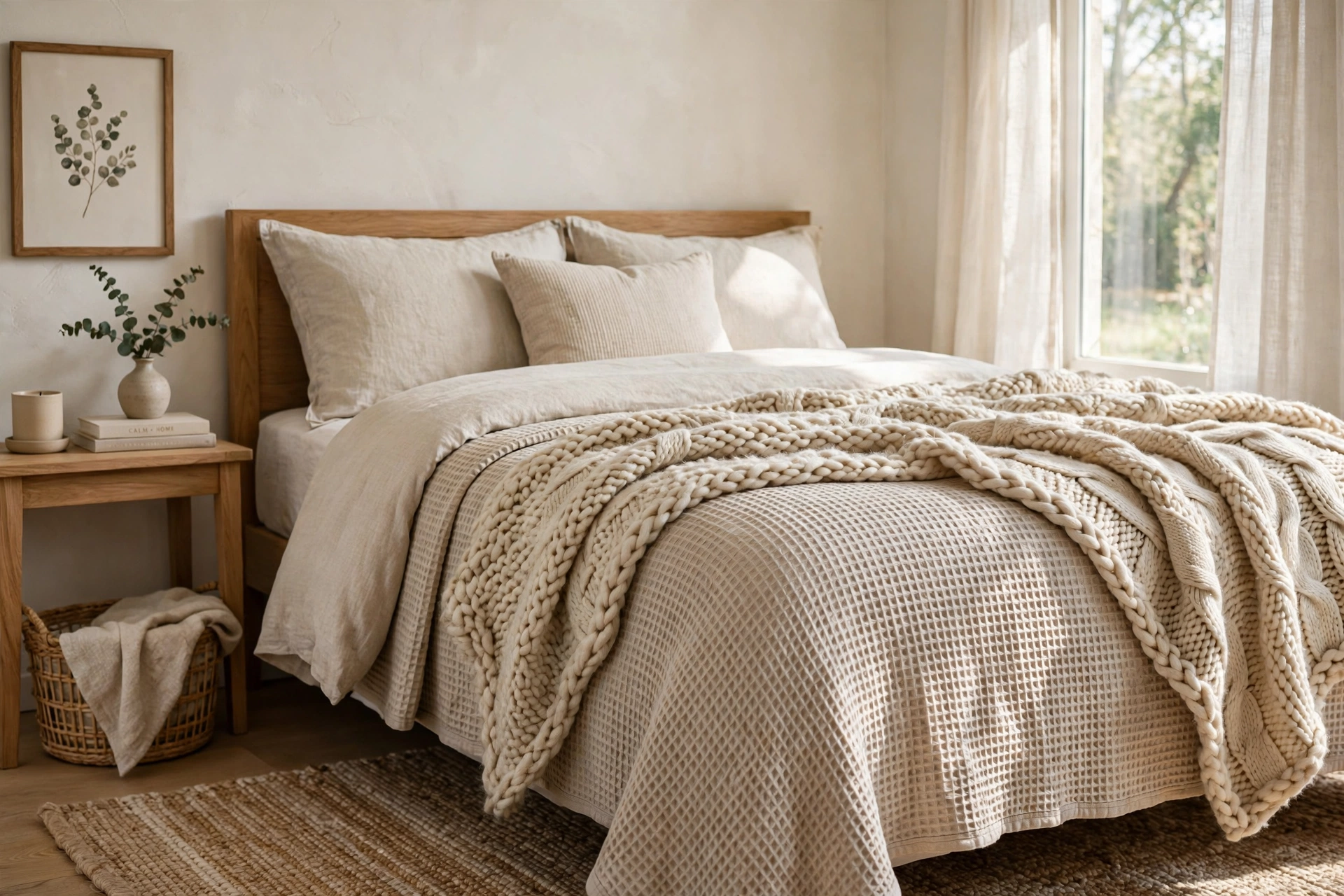
Texture is what makes a neutral bed interesting. A waffle-weave coverlet, a matelassé quilt with its raised pattern, or a chunky knit throw each catch light differently and give the eye something to explore. Layer two or three textures together — smooth sateen sheets, a waffle duvet cover, a knit throw — and even an all-white bed looks rich. Blankets in textured weaves also tend to breathe better than flat ones, since the raised surface creates tiny air pockets. When shopping, touch everything: texture you love in the store is texture you’ll love at 6 a.m. And keep textured layers washable — the throw at the foot of the bed is the first thing pets claim.
12. Decide on the bed skirt question
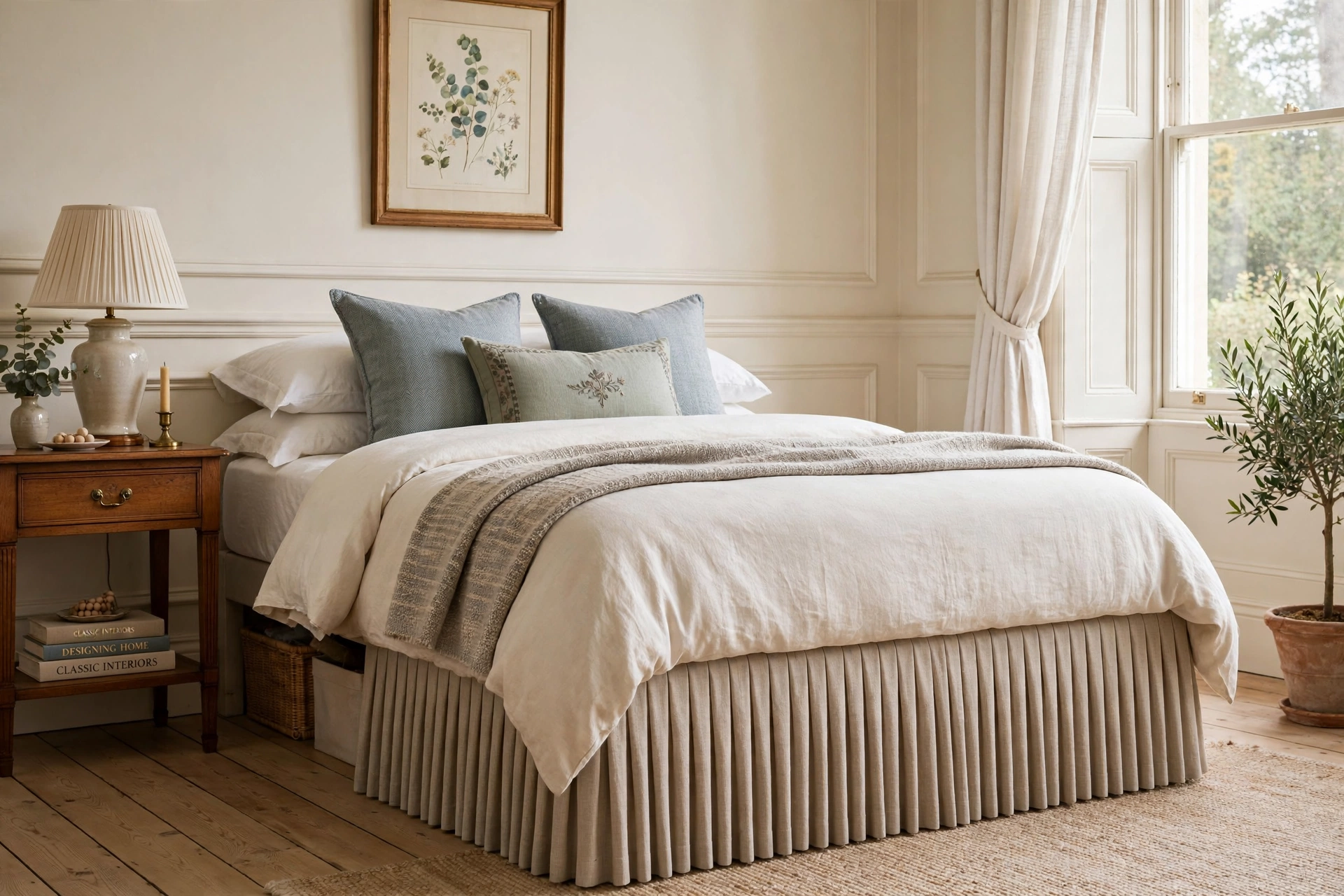
Bed skirts hide under-bed storage and give a tailored, traditional finish — but they also collect dust and complicate making the bed. If you use under-bed storage, a skirt (or a duvet cover long enough to drape) keeps it invisible; choose a tailored pleated style over ruffled for a cleaner look. If you have a beautiful bed frame or platform base, skip the skirt and show it off — modern platform beds look better with the base visible. A middle path: a fitted “wrap” style skirt that hugs the box spring without the fabric pooling on the floor. Whatever you choose, wash or vacuum the skirt’s bottom edge regularly — it’s a dust magnet.
13. Wash bedding on a schedule that protects it
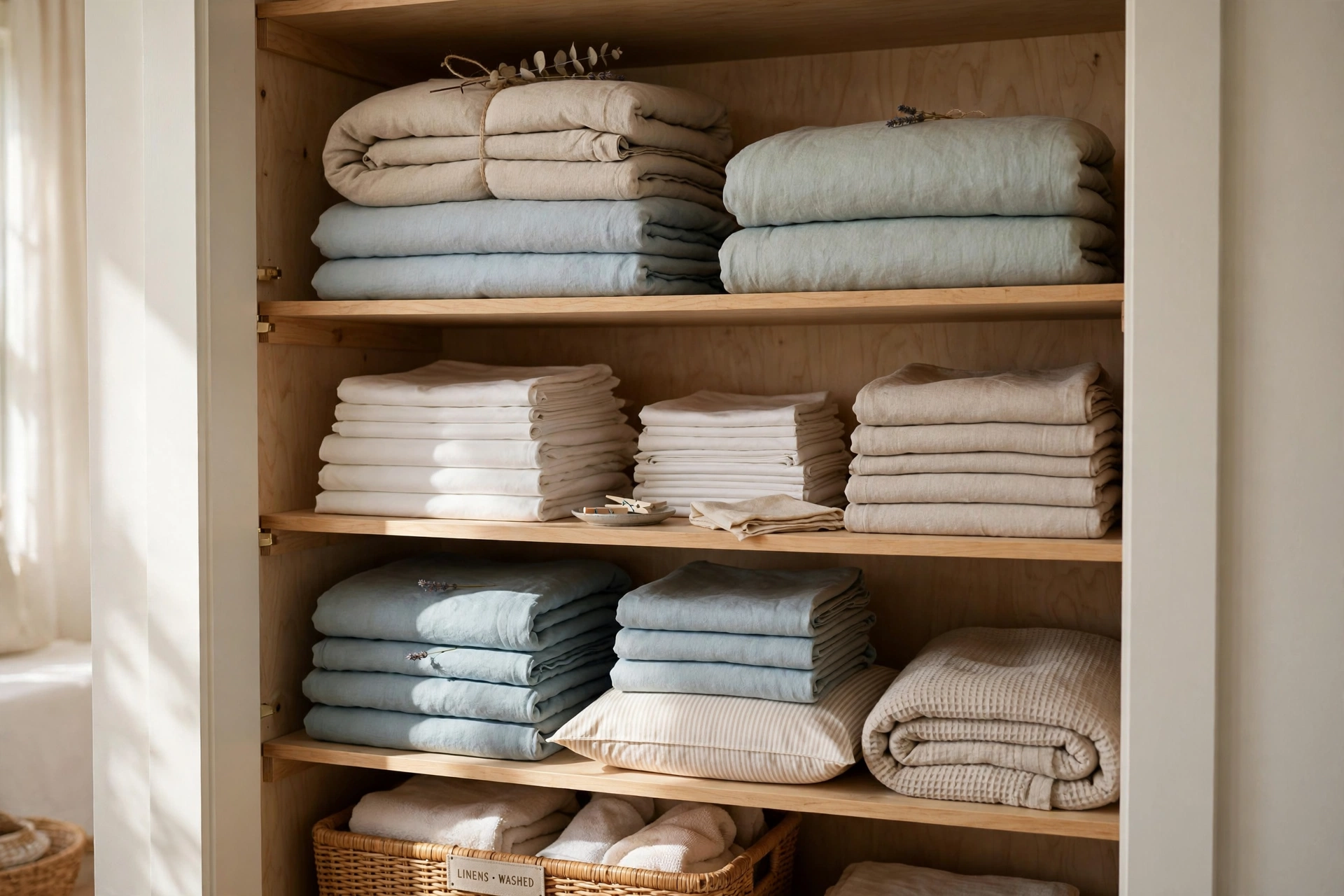
Sheets: weekly, in warm water — body oils break down fibers if left too long. Duvet covers: every one to two weeks, or weekly if you skip the top sheet. Quilts and coverlets: monthly, or whenever visibly soiled. Duvet inserts and comforters: two to four times a year; use a large-capacity machine or a laundromat’s oversized washer, and dry thoroughly with dryer balls to refluff the fill — damp fill clumps and mildews. Pillows: every three to six months; most synthetic and down pillows are machine washable, two at a time to balance the load. Always wash bedding in its own load with a gentle detergent, skip the fabric softener on performance fabrics (it coats fibers and reduces absorbency), and shake everything out before it goes in — twisted sheets wash unevenly and come out wrinkled.
14. Set up a guest-ready bedding kit
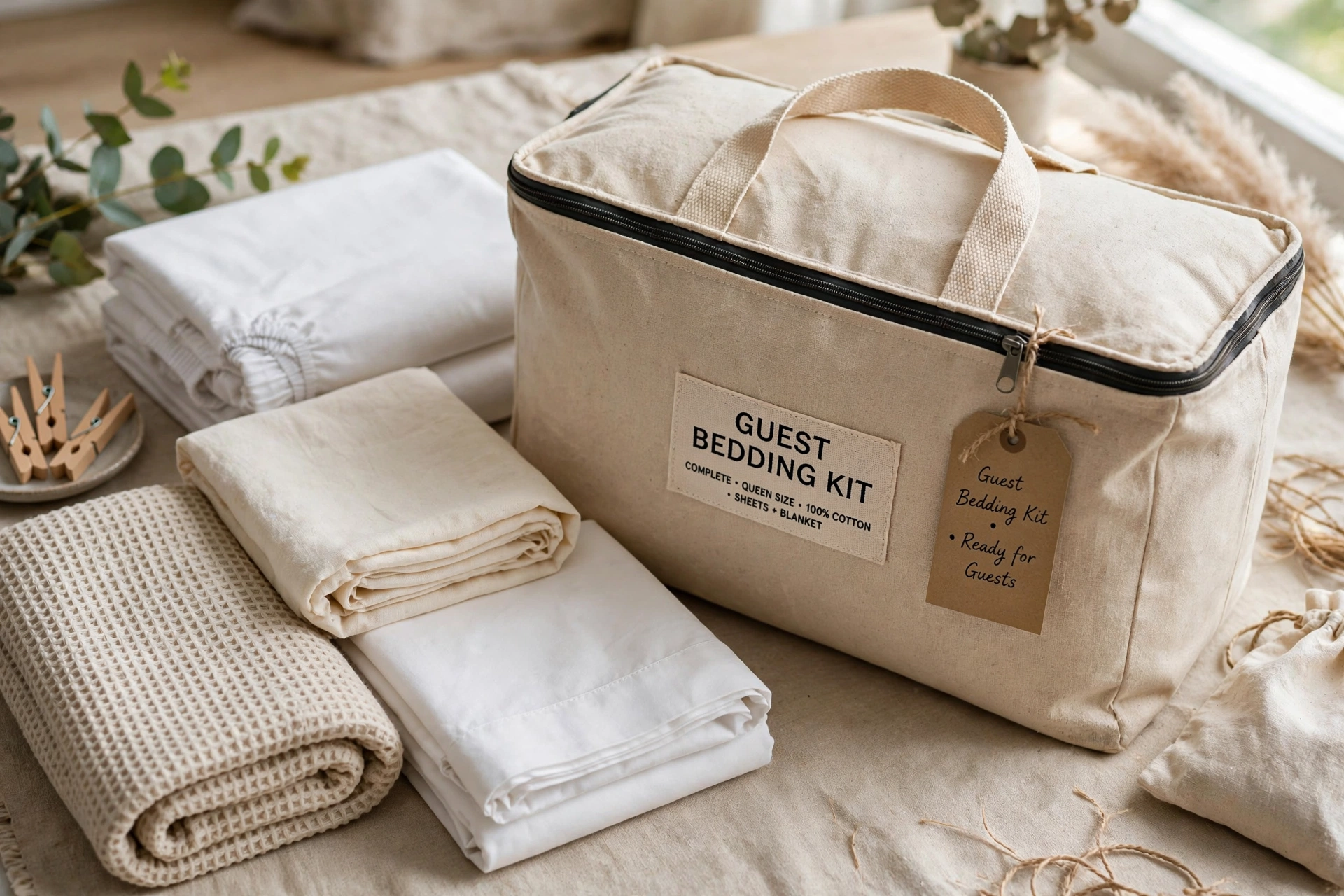
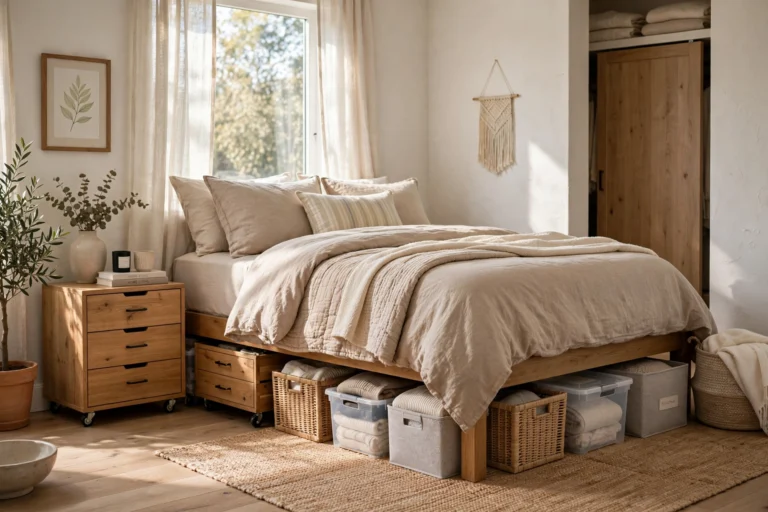
Keep one complete guest bedding set — sheets, duvet cover, pillowcases, and a spare blanket — washed, folded, and stored together in a labeled bag or bin, ready to deploy in five minutes. Include two sleeping pillows (not just decorative ones) and a spare blanket one warmth level up from your own, since guests’ temperature preferences are unknowable. A small card with the Wi-Fi password tucked into the kit is a thoughtful touch. Store the kit where it’s grabbable — a linen closet shelf or under the guest bed — not buried behind seasonal storage. Refresh the kit every few months even if unused, because stored linens develop a musty smell. This single kit eliminates the pre-guest scramble entirely.
15. Splurge and save strategically
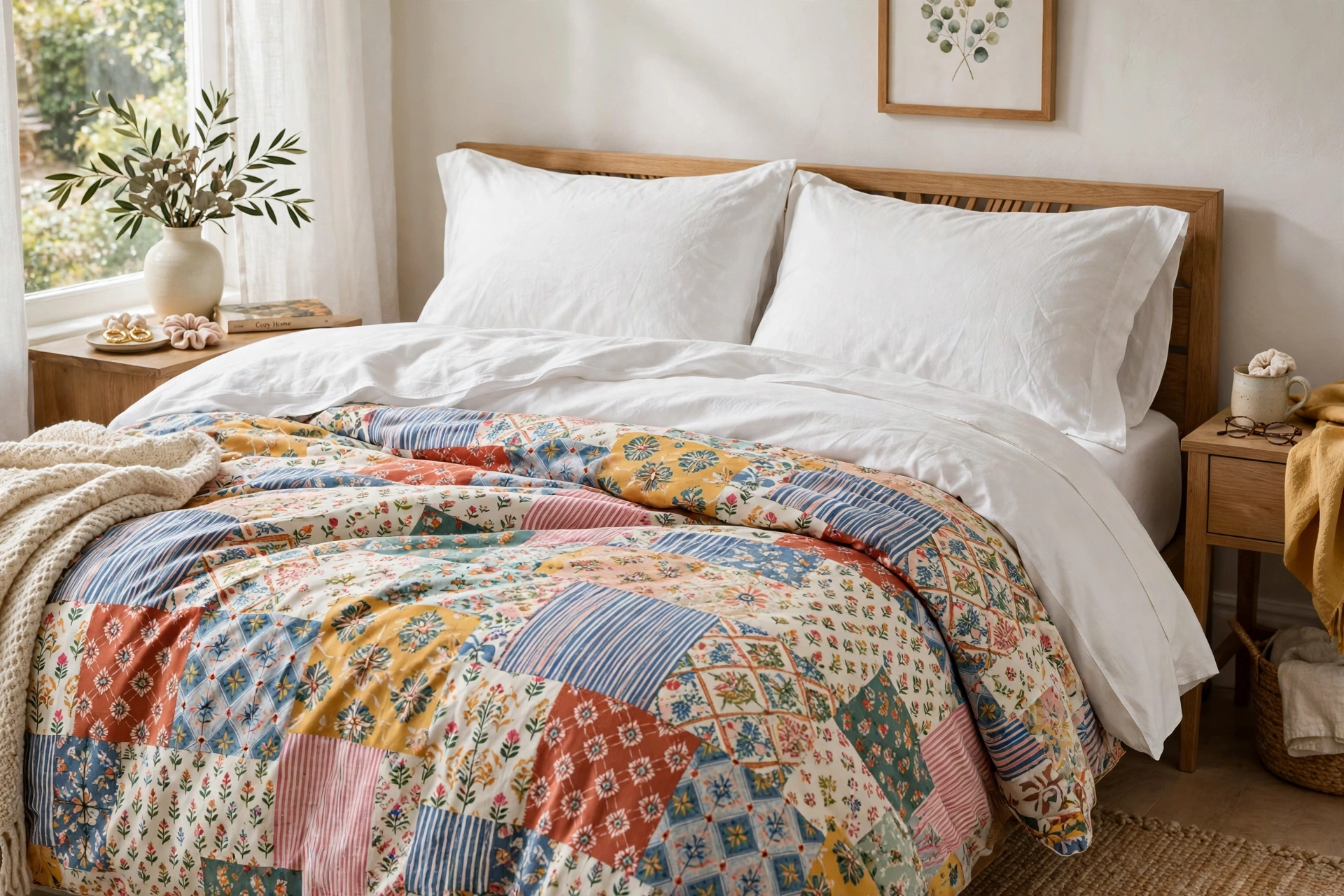
Not every layer deserves the same budget. Splurge on what touches your skin: sheets and pillowcases, where fabric quality directly affects sleep — this is where long-staple cotton or linen pays off. Save on the duvet cover, which is mostly visual; mid-range covers in good colors look identical to luxury ones once on the bed. Splurge on the duvet insert’s fill quality (good down or a quality alternative lasts a decade), save on the throw blanket — it’s decorative and replaceable. And always buy the best mattress protector you can afford; it protects the most expensive item in the room and good ones are silent and breathable. For the finishing layer that ties the whole bed together, browse these bedroom throw blanket ideas for cozy layered beds — and ground the bed in the room with these bedroom rug ideas for warmth and style.
Frequently Asked Questions
How many layers should a bed have?
Four is the classic formula: fitted sheet, top sheet (optional), duvet or comforter, and a quilt or coverlet at the foot, finished with a throw. Adjust for climate — drop to two layers in summer, pile on all four plus a wool throw in winter. The point is flexibility, not a fixed number.
What is the best bedding material for hot sleepers?
Linen is the best choice for hot sleepers — it breathes better than cotton and wicks moisture. Runner-up: cotton percale in a light color, which feels crisp and cool. Avoid sateen, flannel, and high-thread-count sheets if you sleep hot, since they trap warmth.
How often should I replace my bedding?
Sheets last two to three years with weekly washing and rotation; pillowcases wear faster. Duvet inserts last five to ten years depending on fill quality. Sleeping pillows need replacing every one to two years — they lose support long before they look bad. Quilts and throws last until they’re visibly worn or no longer suit your style.
Should the duvet cover match the sheets?
It doesn’t have to, and contrast usually looks better. A white or ivory duvet cover with patterned or colored sheets peeking at the fold looks intentional and layered. Keep the palette coordinated — same color family, varied scale — rather than perfectly matched, which can read flat.
What size duvet should I buy for my bed?
Size up: buy a duvet one size larger than your mattress (a king duvet on a queen bed) for generous drape that covers the sides fully. Check the actual dimensions, not just the label — “queen” varies by brand. For couples who want separate warmth levels, two twin duvets on one bed (the Scandinavian method) works beautifully.
Keep Exploring
Layered bedding is a skill, not a shopping list — start with the four-layer formula, choose fabrics for how you sleep, and let color live in the easy-to-swap layers. Make the bed with intention each morning and you’ll feel the difference every night.