
A homeschool room that actually works is less about square footage and more about smart zones. These homeschool room ideas help you build flexible learning spaces with clever storage, defined zones, and kid-friendly setups that grow with your children — whether you have a spare room or just a corner of the living room.
1. Start with the Dining Table
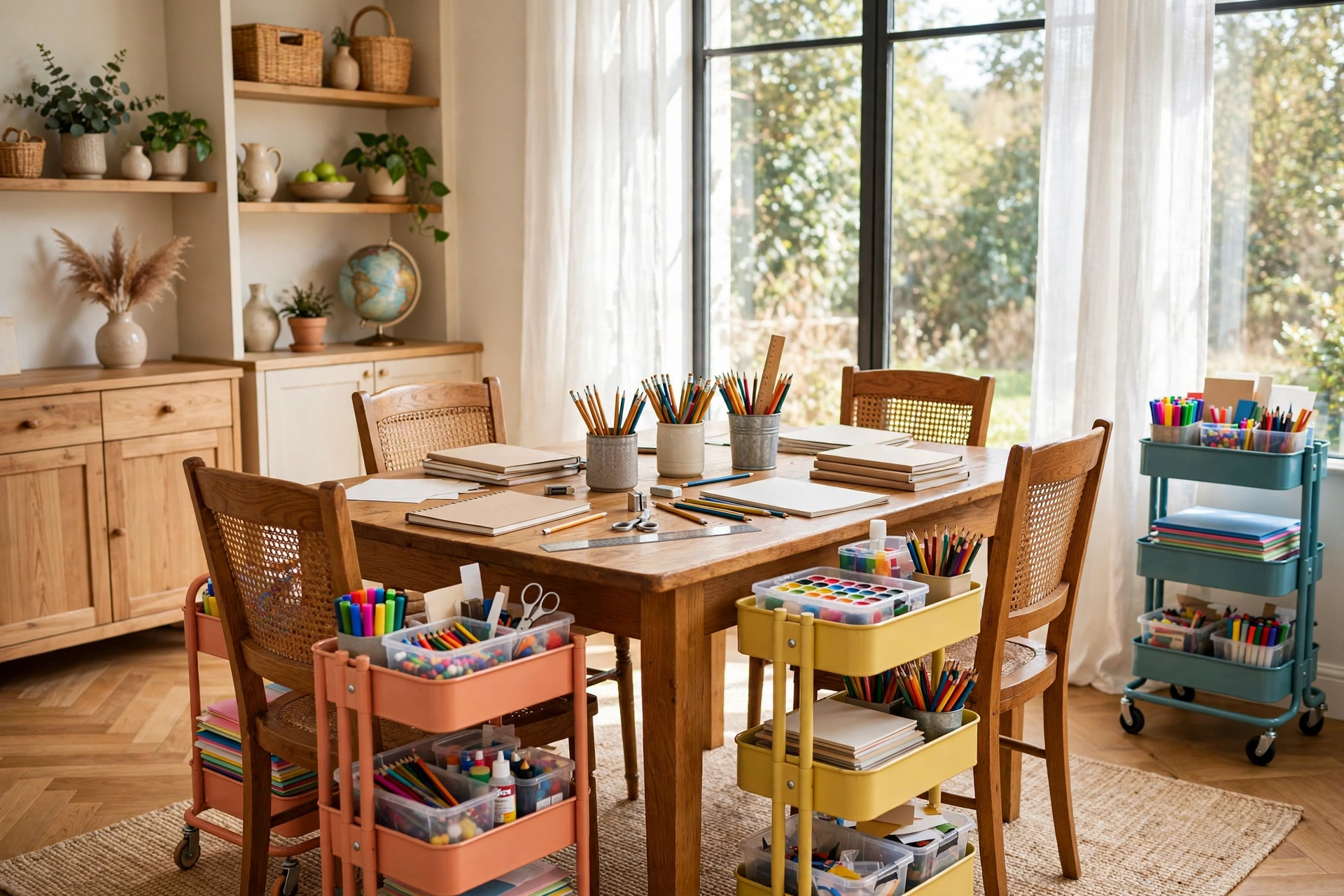
You do not need a dedicated room to begin. A dining table with rolling carts of supplies tucked beside each chair is the classic homeschool setup. Each child gets a cart stocked with their books and materials; at the end of the day, carts roll into a closet and the table is a table again. This flexible approach suits families who are just starting out.
2. Install Drop-Leaf Wall Desks
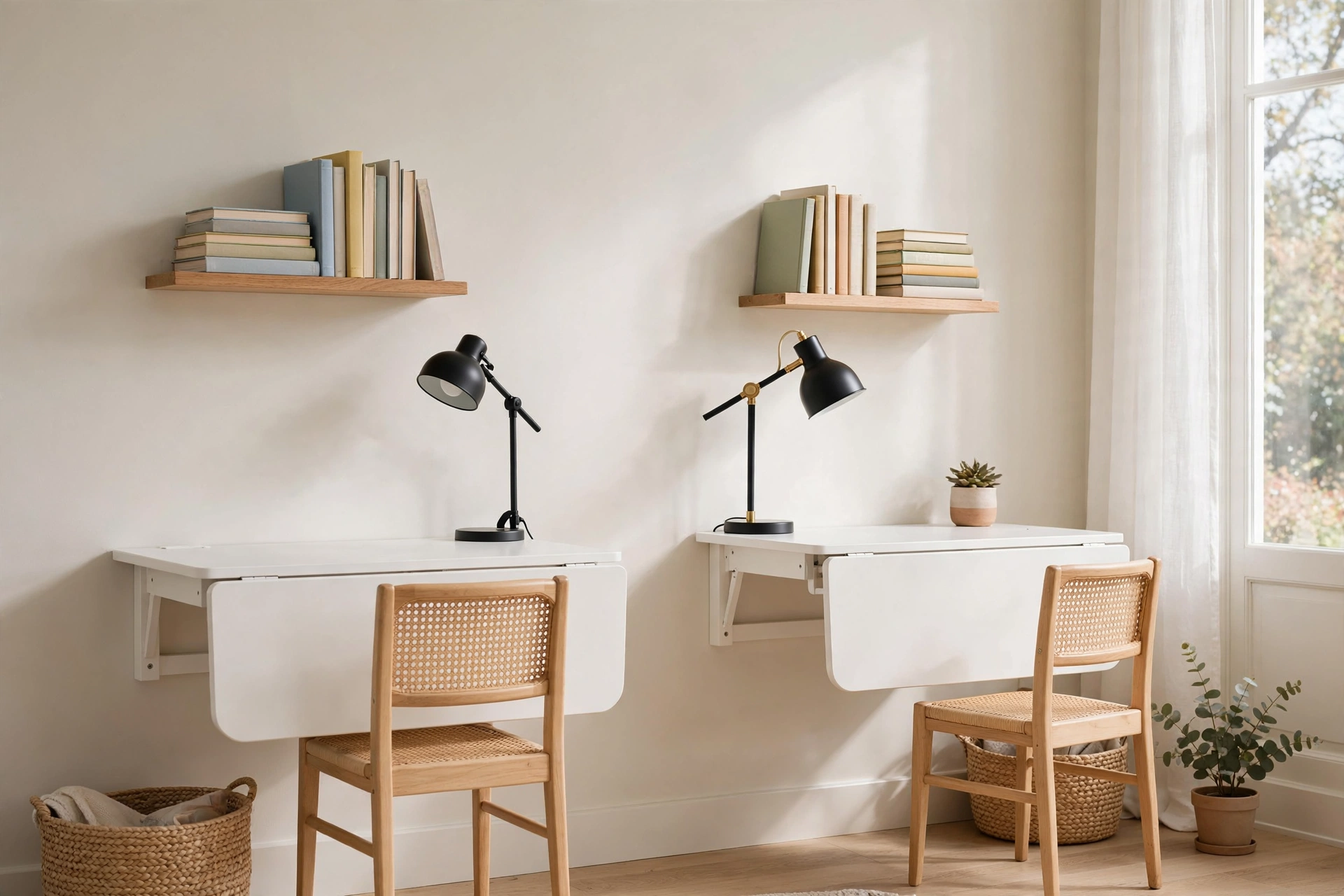
Wall-mounted drop-leaf desks fold open for lessons and fold flat when the school day ends. Mount one per child, each with a small lamp and a shelf above for their current books. When closed, the room reverts to a living space. This is the ultimate small-space homeschool solution.
3. Roll In Supply Carts
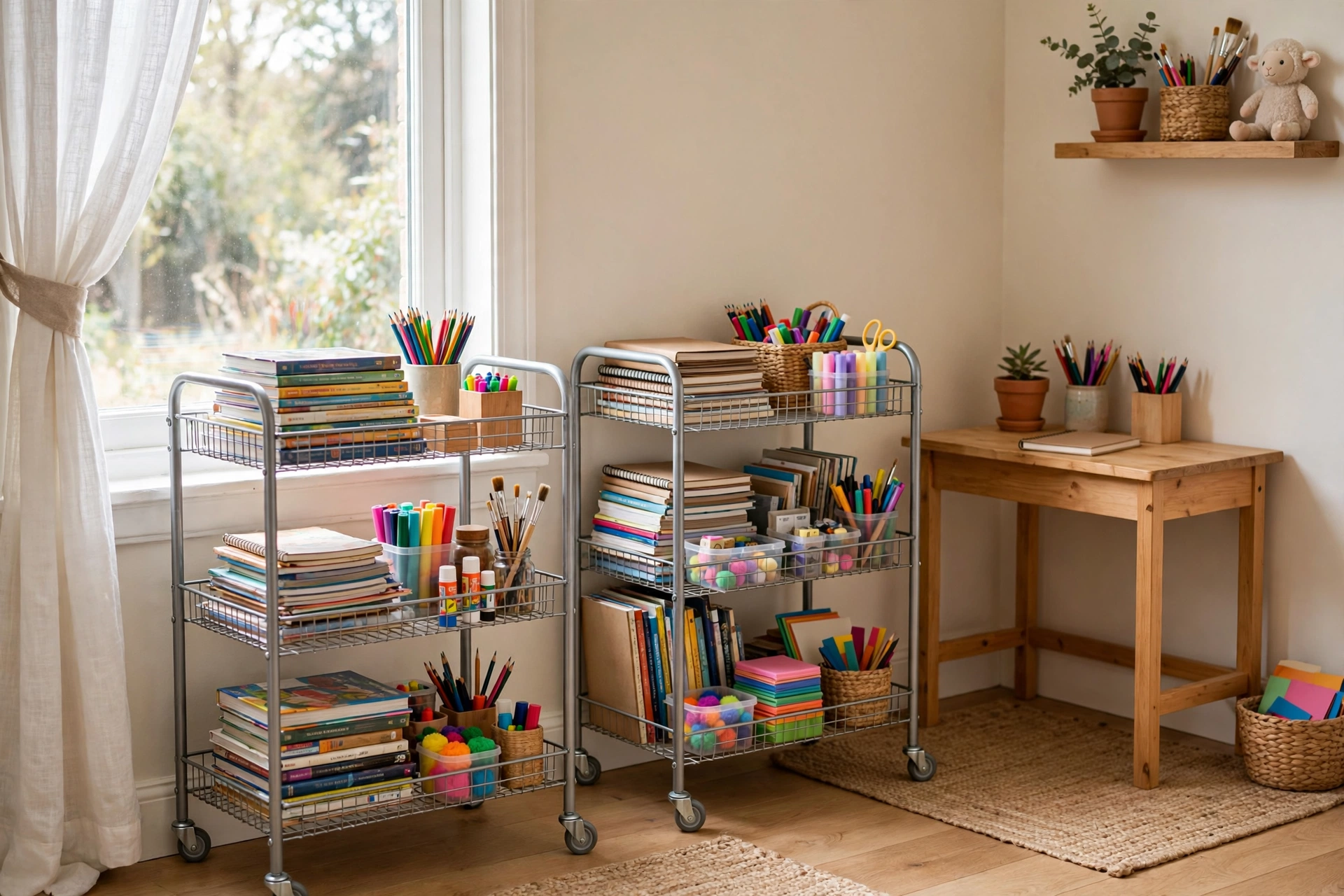
Three-tier rolling carts are the workhorses of flexible learning spaces. Stock each with books, notebooks, and art supplies, and wheel them to wherever learning happens. Color-code carts per child or per subject. Apartment Therapy’s IKEA desk hacks pair perfectly with cart-based organization.
4. Create a Reading Nook
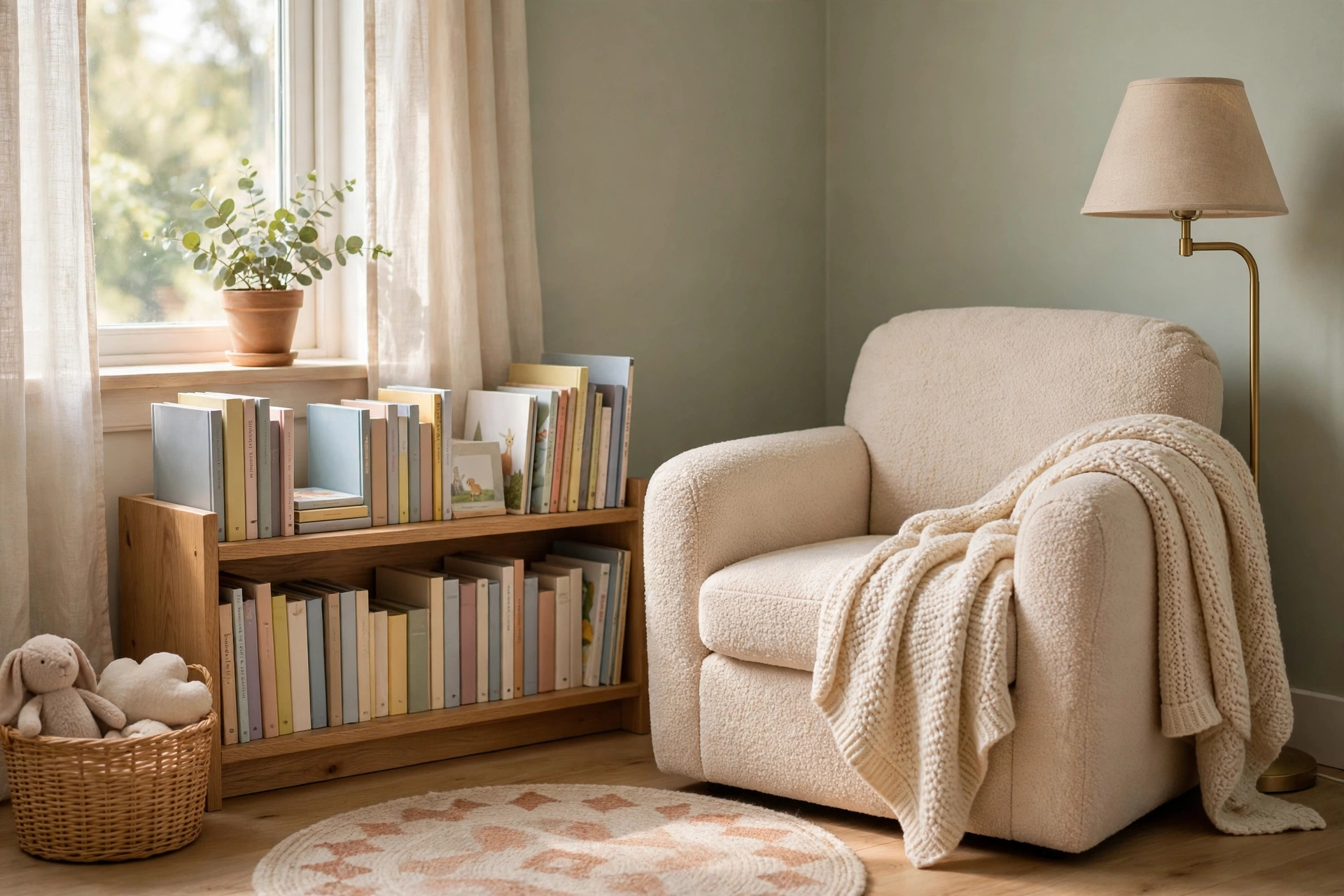
Every homeschool room needs a cozy reading corner — a cushioned armchair, a floor lamp, and a low bookshelf within reach. It is where independent reading happens and where kids decompress between subjects. Keep it separate from the desk zone so it feels like a retreat, not a classroom.
5. Paint a Chalkboard Feature Wall
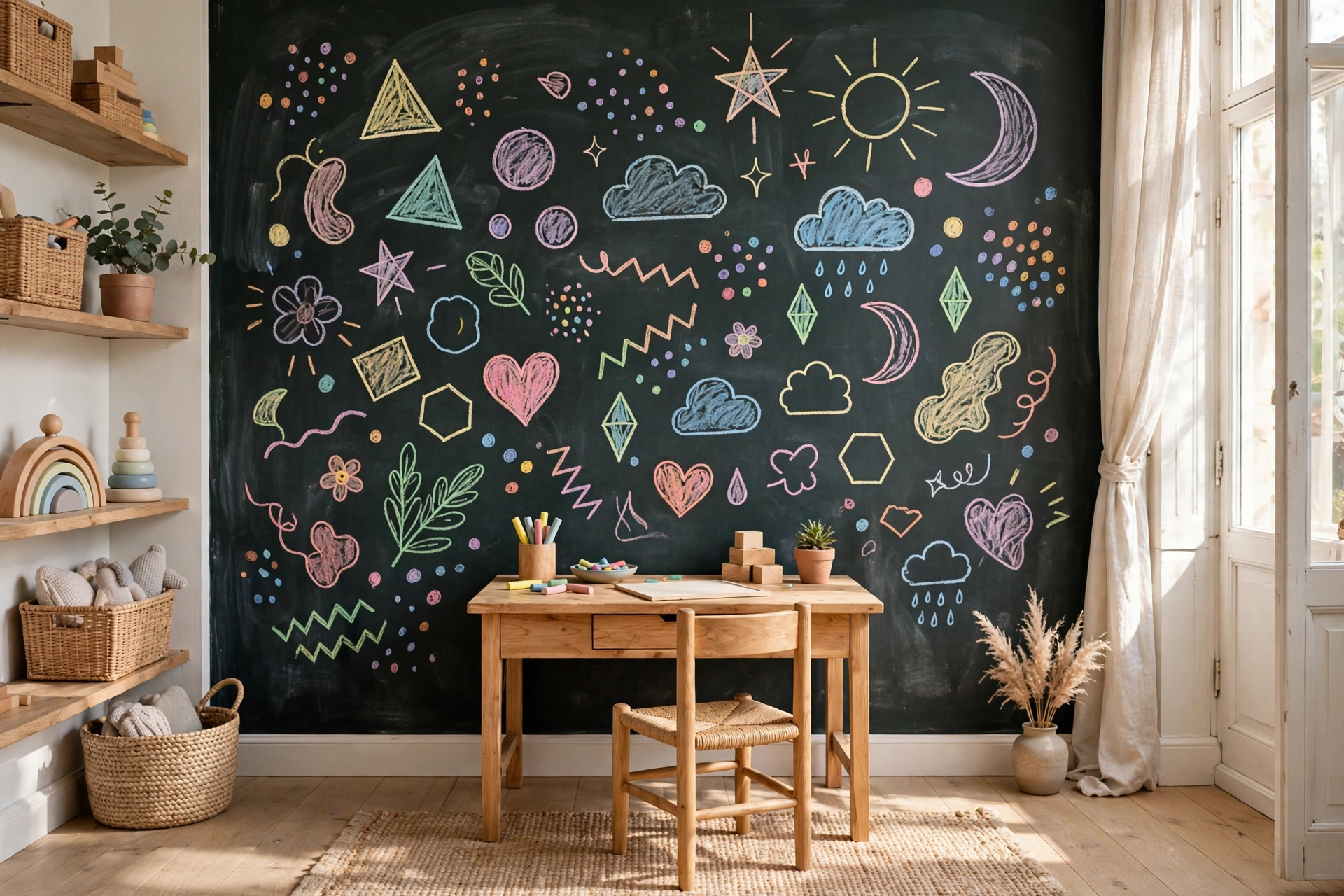
A chalkboard wall turns planning into decor. Use it for the weekly schedule, spelling practice, or art. Chalkboard paint on one wall is inexpensive and endlessly reusable. Frame the edges with simple trim for a finished look that suits the rest of your home.
6. Divide Desks with a Bookcase
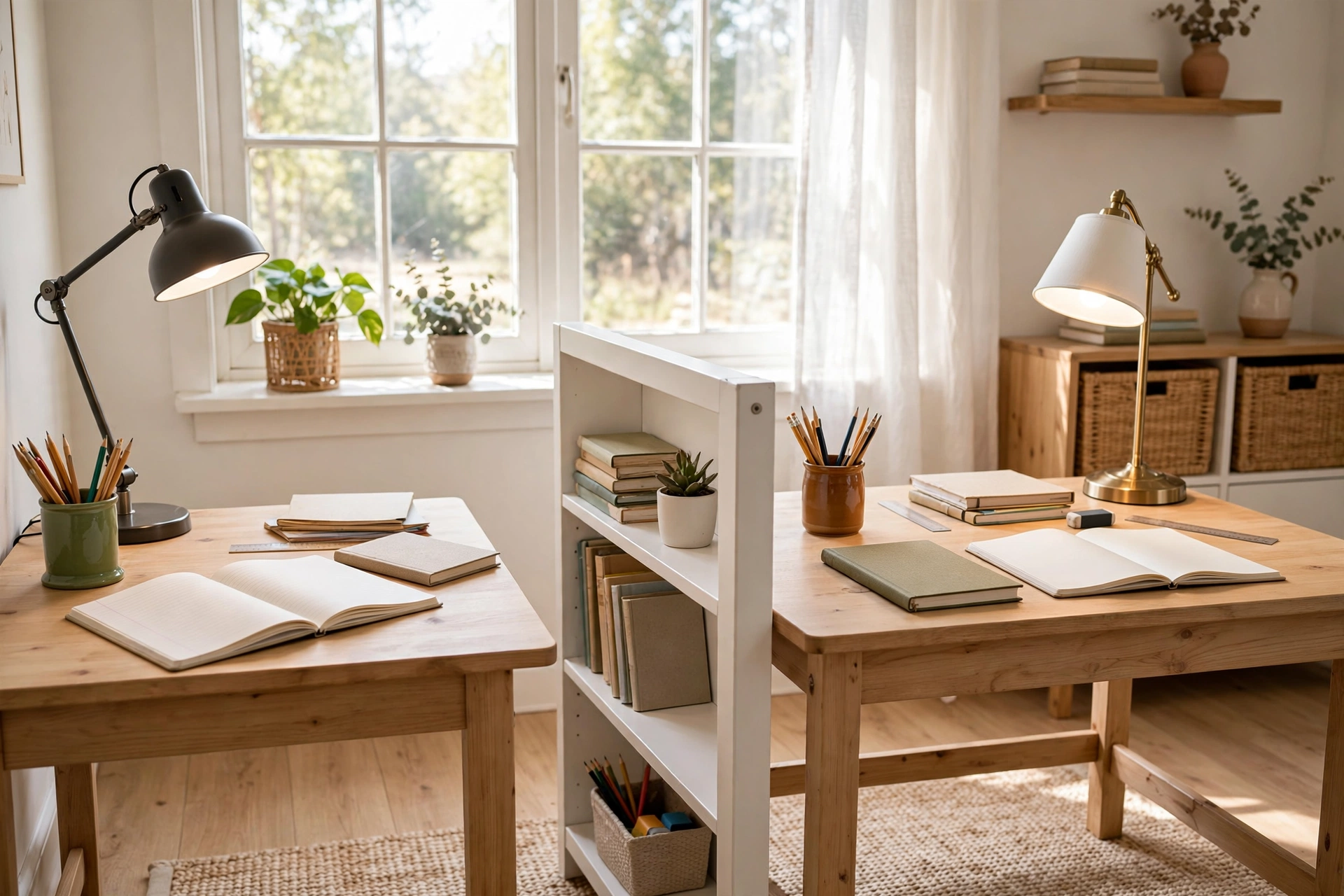
Two side-by-side desks separated by a low bookcase give siblings togetherness without distraction. Each child gets their own surface and storage; the bookcase holds shared reference materials. This divider trick works in bedrooms too — for bedroom-based setups, see our 15 kids bedroom design ideas.
7. Use Low Open Shelving
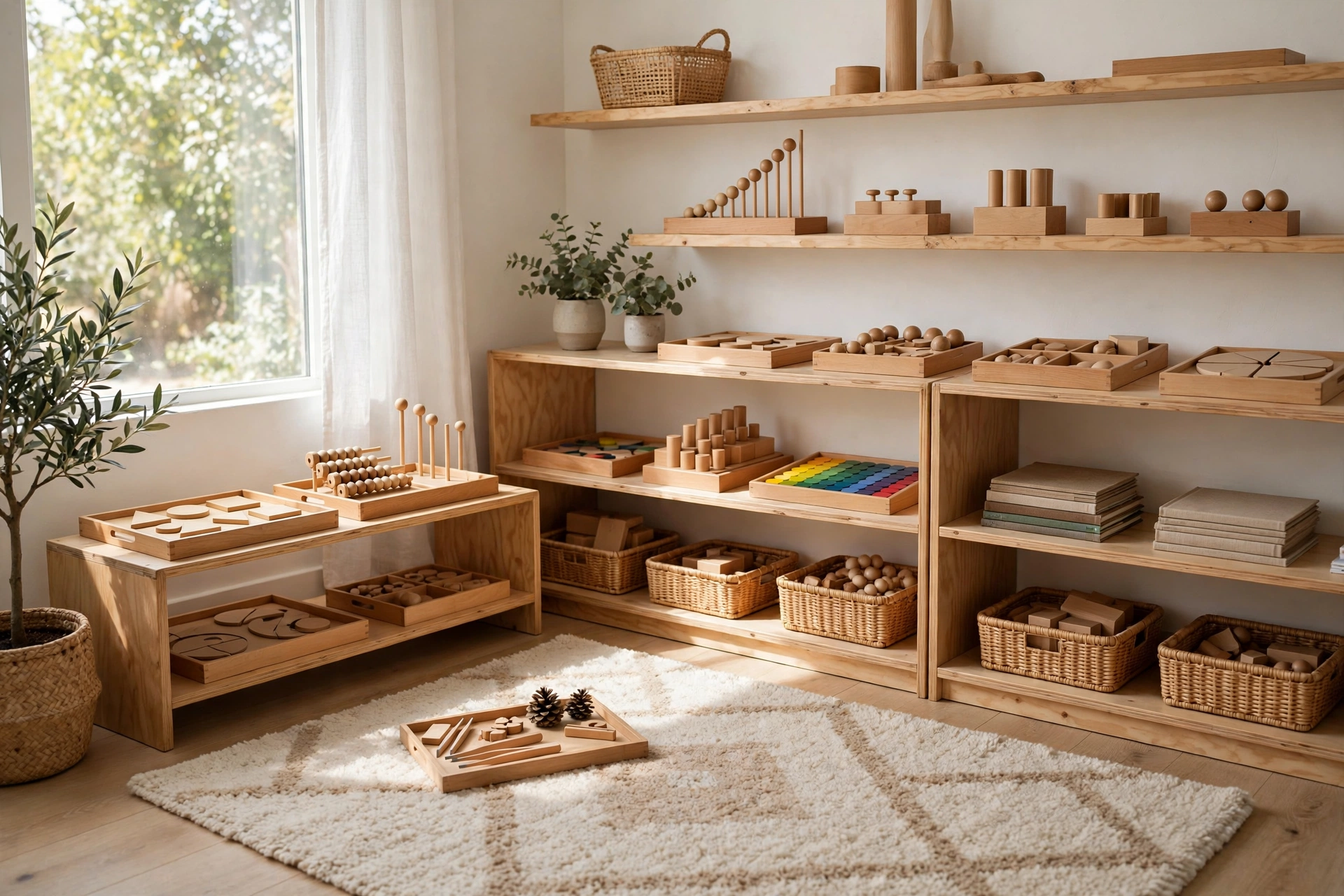
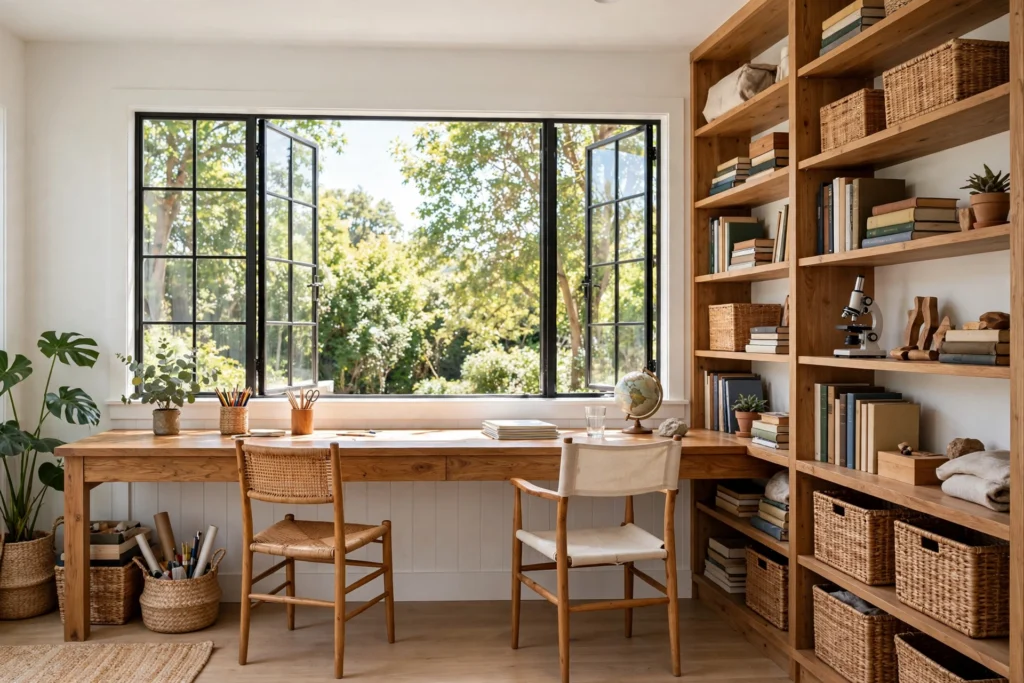
Low open wooden shelves with labeled trays let kids find and return learning activities independently. Organize trays by subject or by day of the week. The Montessori-style accessibility builds independence and cuts down on “where is my math book?” interruptions.
8. Add a Fold-Down Wall Desk
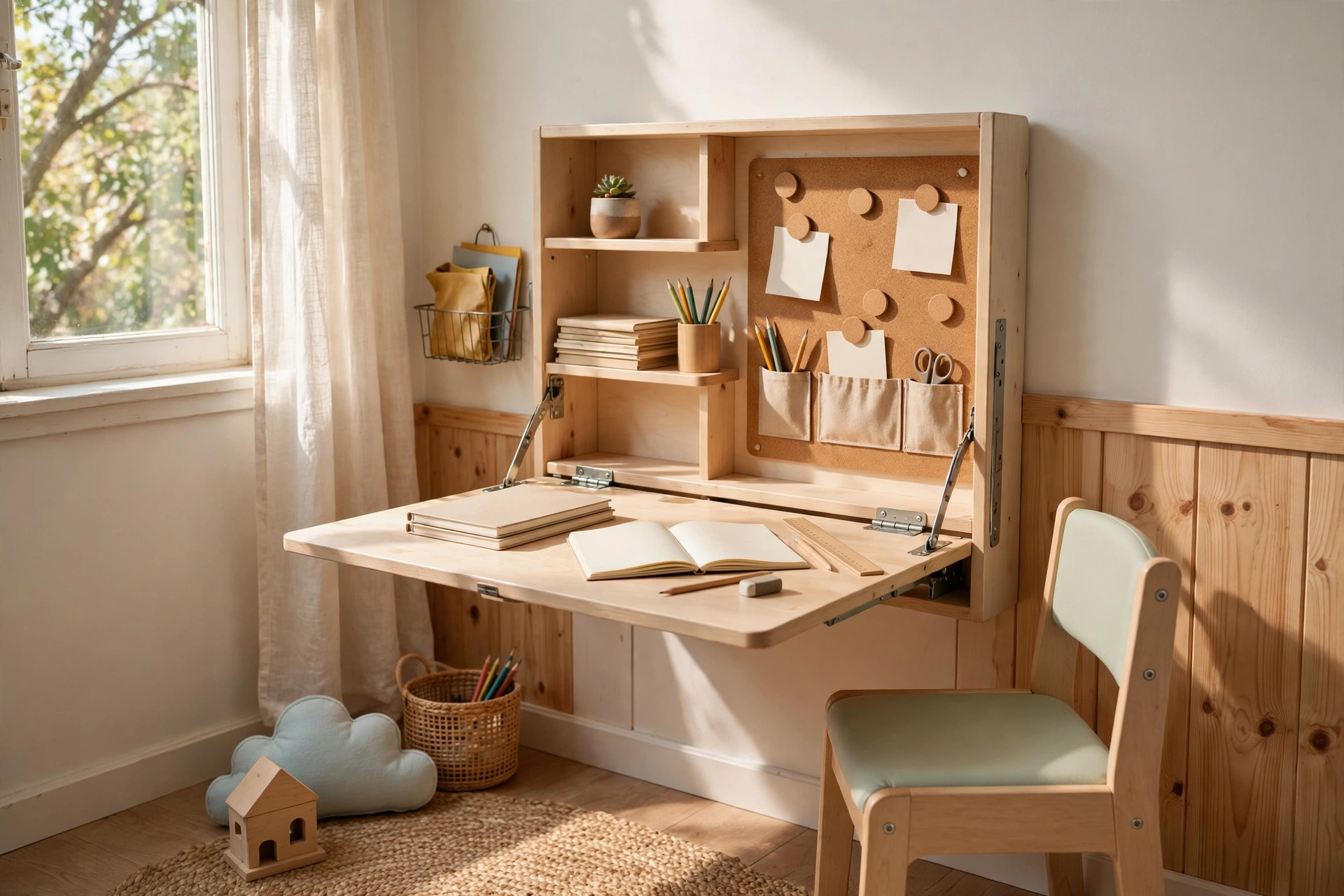
A fold-down wall desk opens to reveal shelves, a corkboard, and a writing surface — a complete workstation in 2 feet of wall. It is perfect for apartments or shared rooms. For more small-space workspace ideas, see our 15 closet office design ideas.
9. Build an Art Station
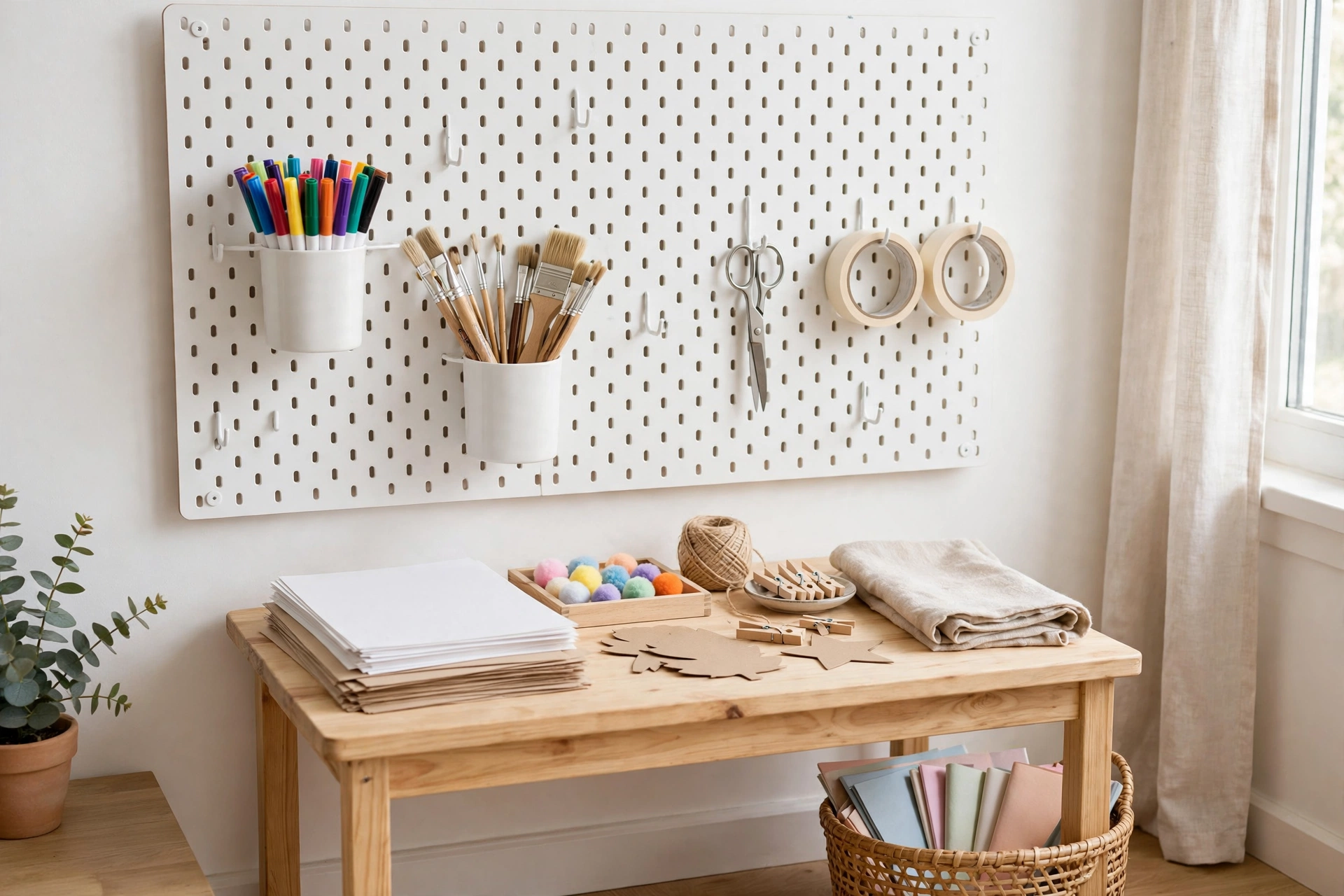
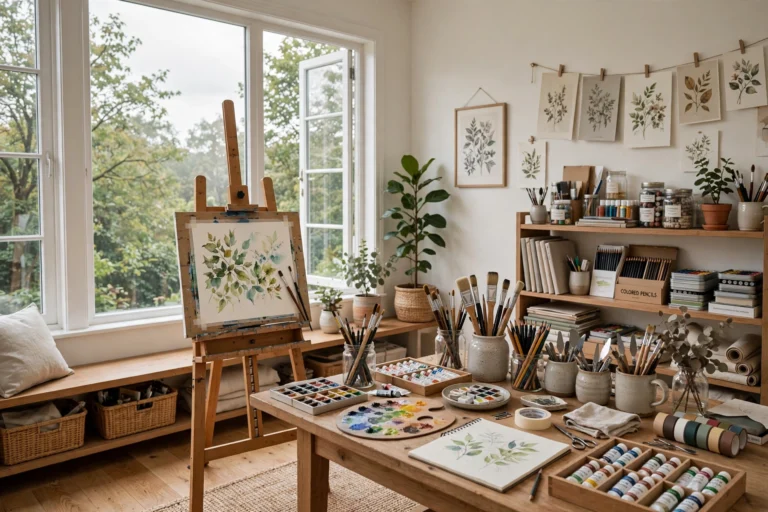
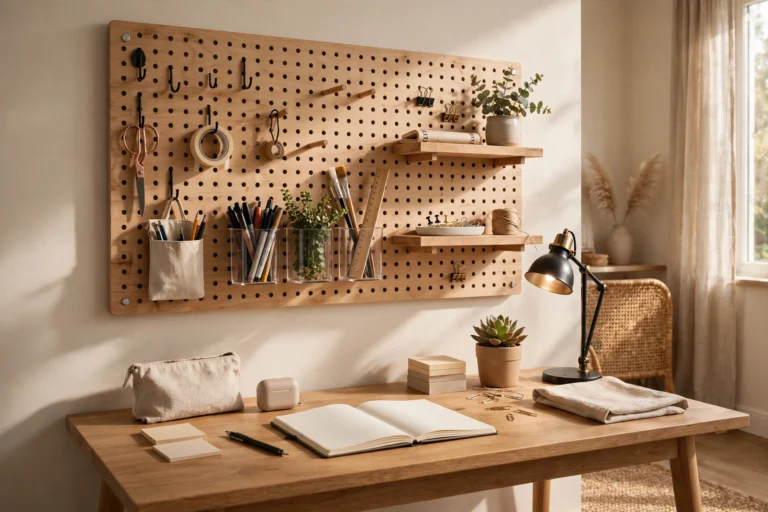
An art station with a pegboard wall of organized craft supplies above a small table keeps creativity contained. Stock it with washable paints, paper, and recyclables. A wipeable tablecloth or mat protects the surface. Art time stays fun when cleanup is built into the setup.
10. Make a Window Seat Classroom
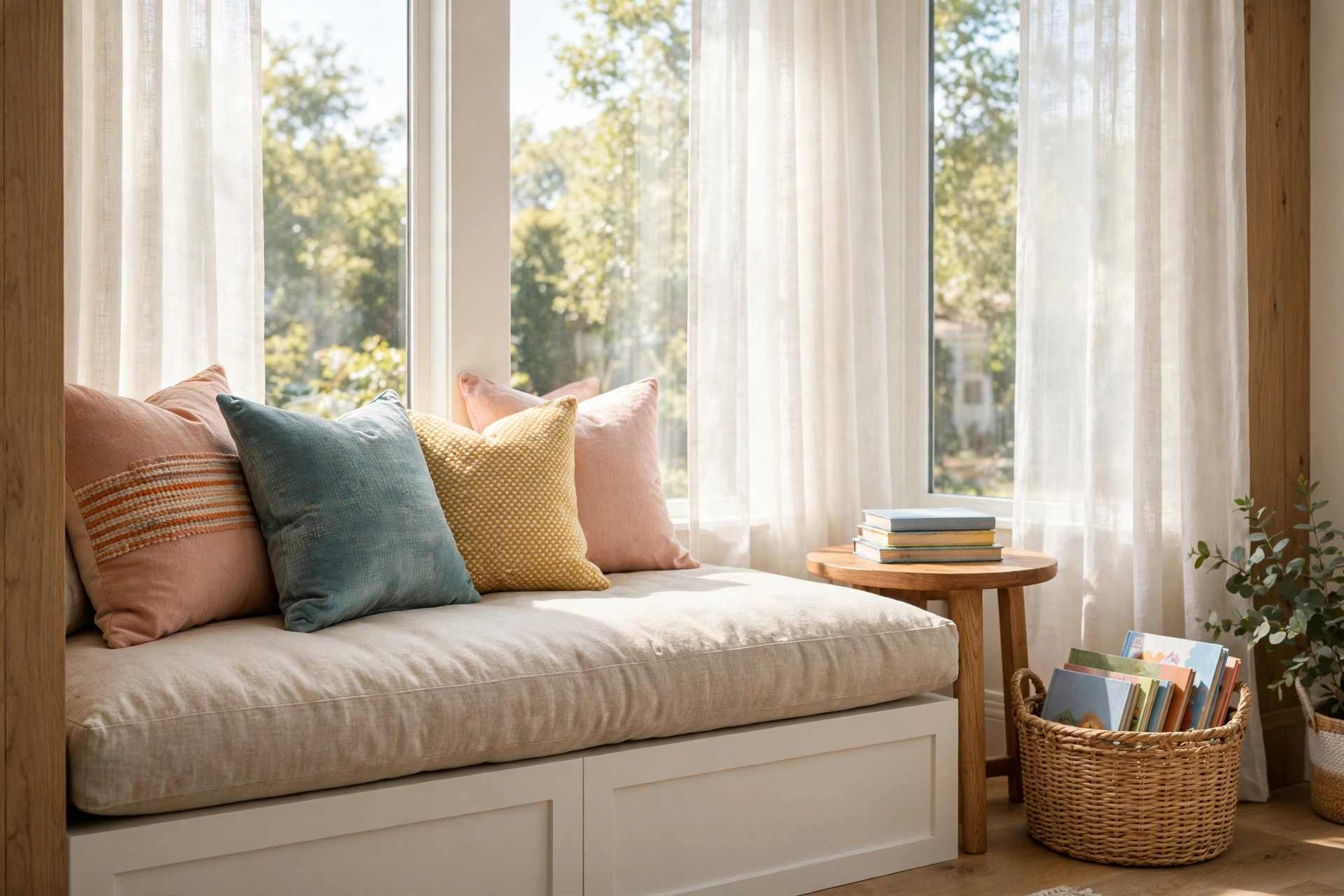
A window seat with thick cushions, pillows, and a basket of books beside it doubles as a reading spot and a sunny lesson space. Natural light boosts focus and mood. Add a small lap desk for writing work. The Spruce’s playroom storage ideas include window-seat storage worth copying.
11. Label Cubbies per Subject
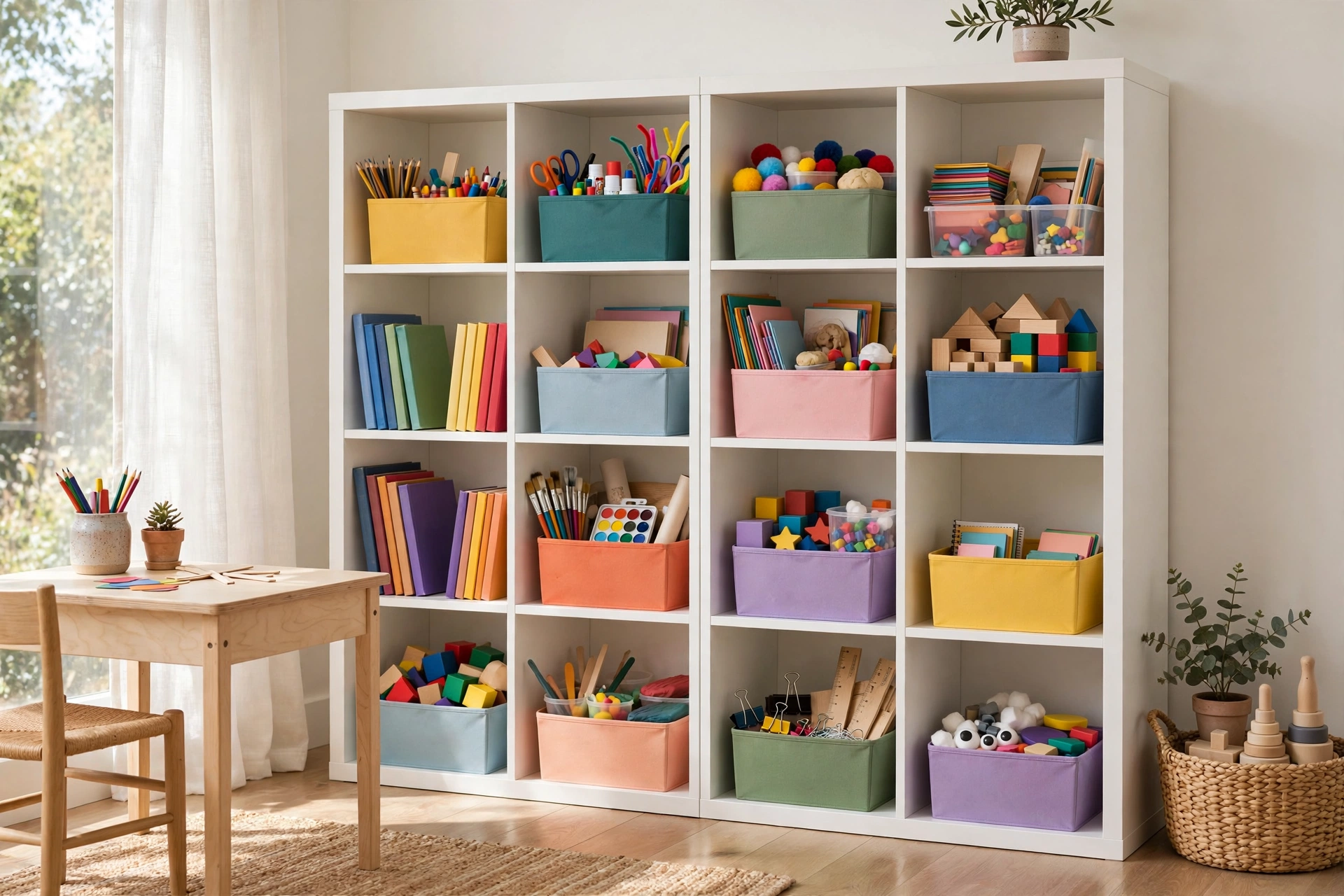
A wall of labeled cubbies with subject bins for each child ends the lost-worksheet era. Each cubby holds the week’s materials for one subject; kids grab what they need and return it when done. This system scales beautifully from one child to five.
12. Add a Standing Desk Corner
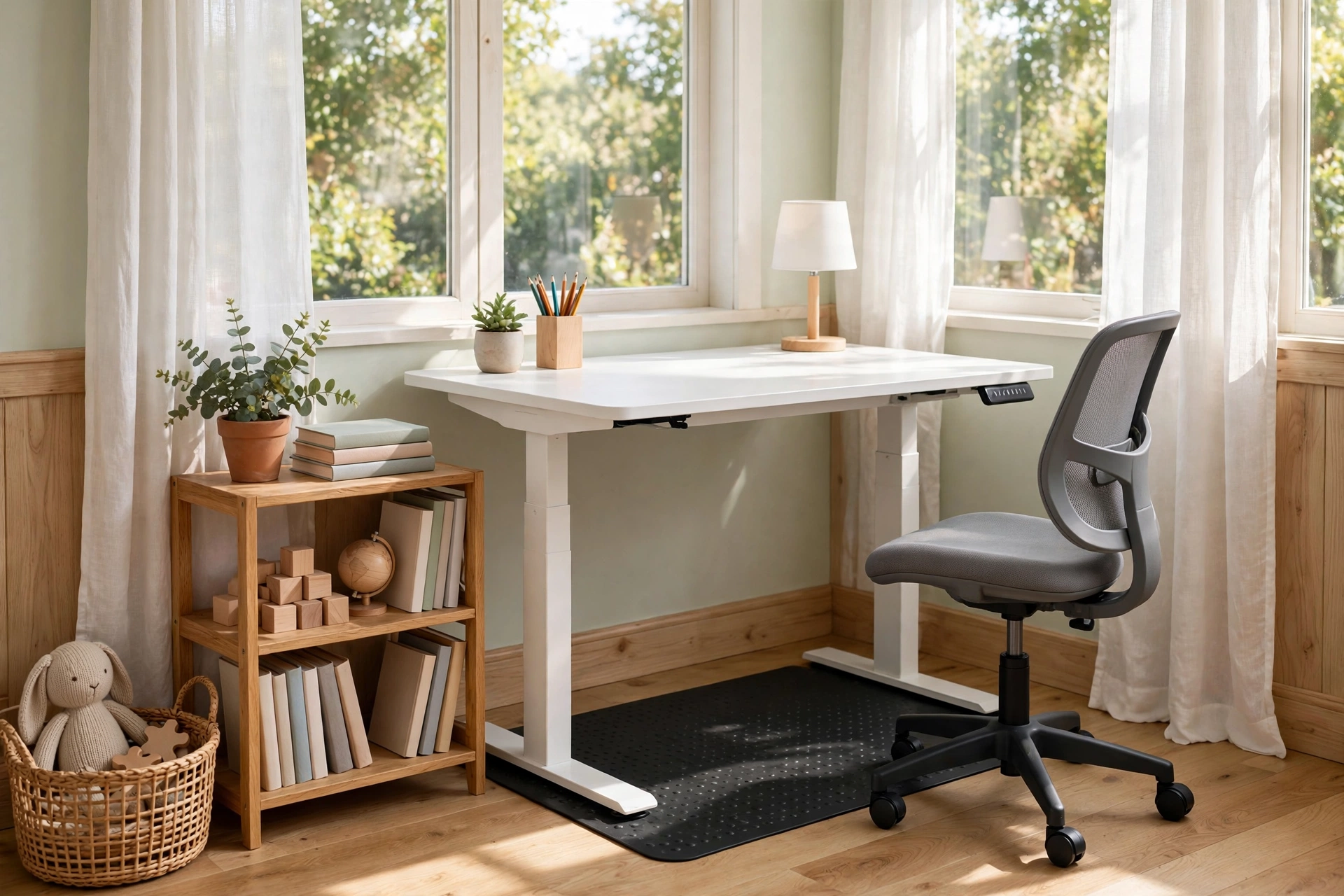
A height-adjustable standing desk with an anti-fatigue mat gives wiggly learners a movement-friendly option. Alternate sitting and standing through the day to keep energy up. Even a countertop-height table works as a standing station for older kids.
13. Convert a Closet
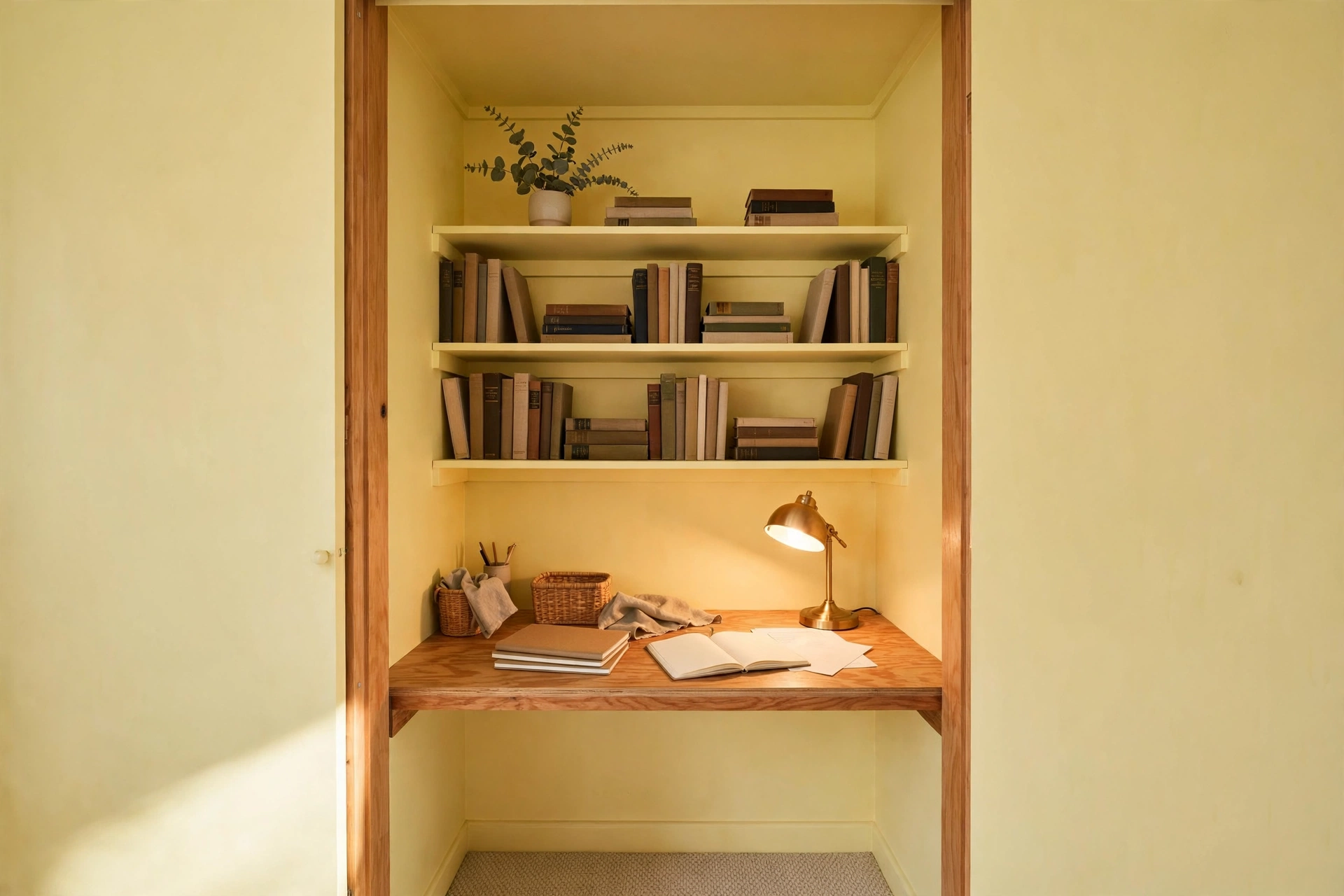
A closet with a desk shelf, cheerful paint, and a task light becomes a surprisingly complete homeschool nook. Close the doors to hide the mess at day’s end. Add pegboard inside the doors for extra supply storage. This is the go-to move for one-bedroom homes.
14. Define Zones with Rugs
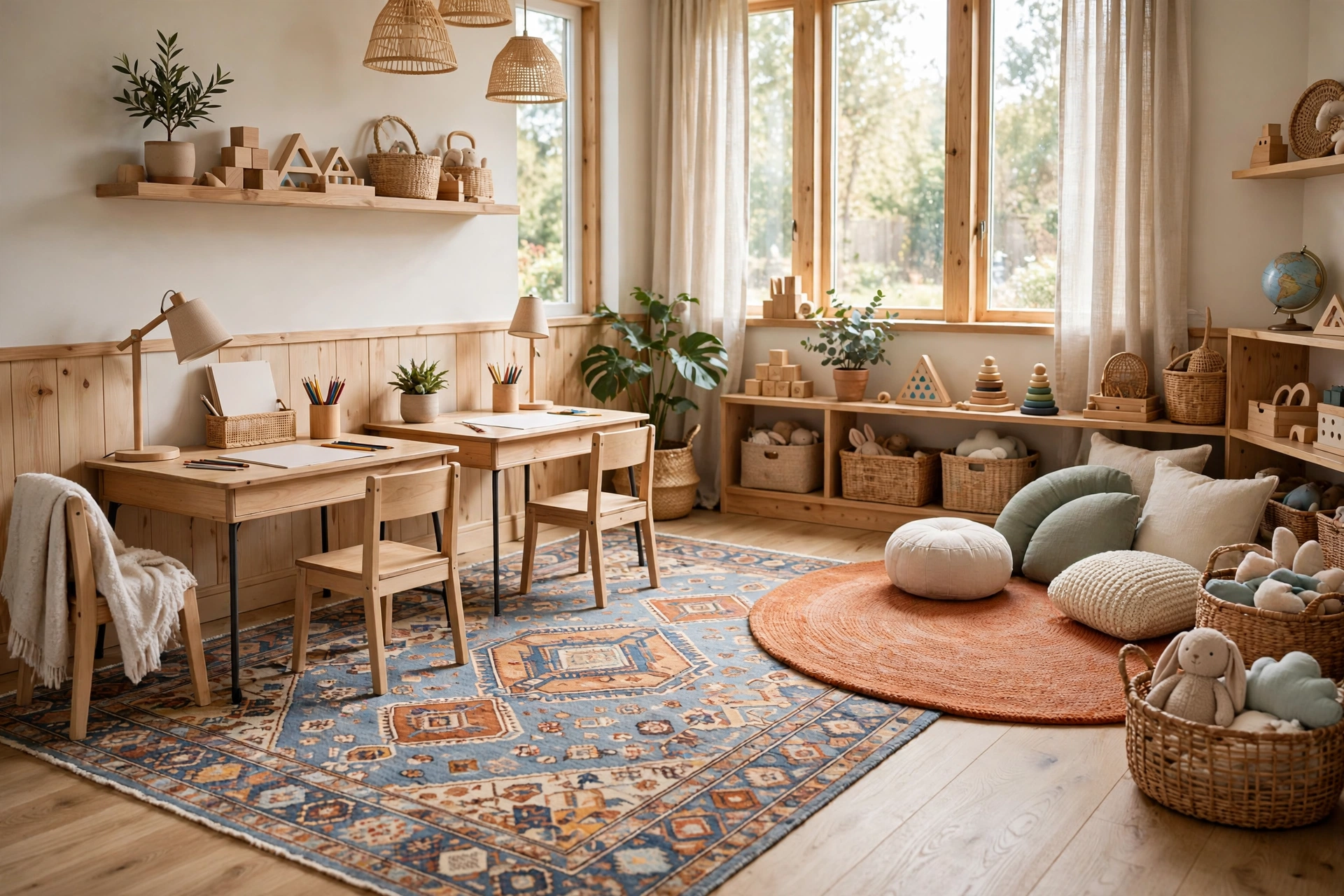
Large area rugs define learning zones without walls — one rug under the desks for focused work, a smaller rug marking the reading corner. Zones help kids mentally switch between subjects. Choose washable rugs; homeschool floors take a beating.
15. Create a Floor Lounge
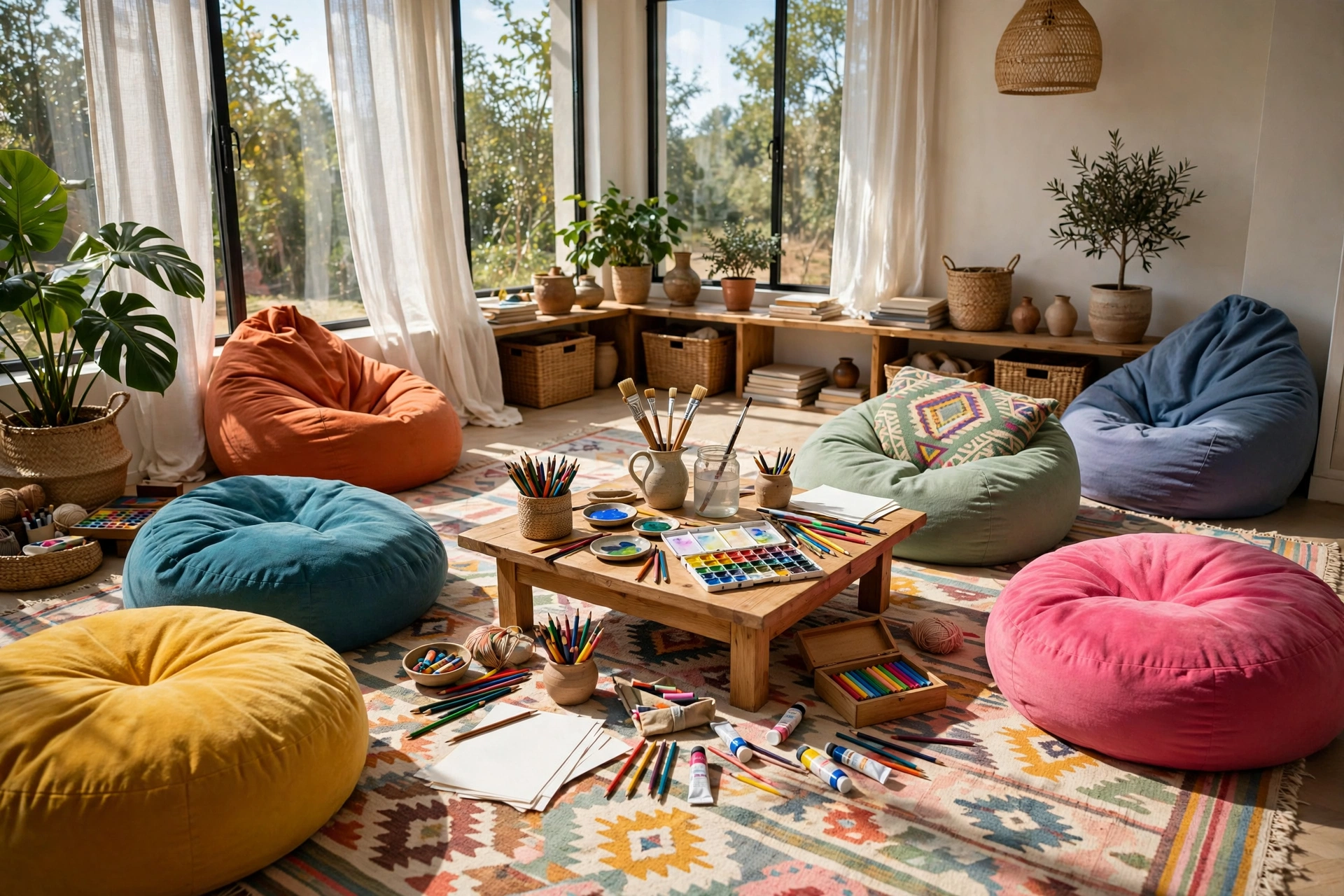
Oversized cushions, bean bags, and a low table on a washable rug make a relaxed floor lounge for read-alouds, puzzles, and sprawling projects. Kids think and create differently when they are comfortable. For more playful learning-adjacent spaces, see our 15 playroom design ideas.
Frequently Asked Questions
How much space do I need for a homeschool room?
A corner of a room is enough to start — a desk or table plus supply storage. A dedicated 8×10 room comfortably fits two learners with zones. Focus on defined zones and good storage rather than square footage.
How do I organize homeschool supplies for multiple kids?
Give each child a color-coded cart or cubby with their week’s materials. Shared supplies live in labeled bins on open shelves. A weekly reset — restocking carts and filing completed work — keeps the system running.
What furniture is essential for a homeschool room?
A work surface per child (desk, table, or drop-leaf), comfortable seating, open shelving or carts for supplies, and a reading spot. Add a whiteboard or chalkboard wall and good lighting. Everything else is a bonus.
How do I keep a homeschool room from taking over the house?
Use mobile storage (carts, bins) that packs away, fold-down desks, and defined zones with rugs. End each day with a 10-minute reset. A closet or cabinet that swallows the supplies keeps living spaces feeling like home.
Can I homeschool without a dedicated room?
Absolutely — most families start at the dining table. Rolling carts, fold-down desks, and a closet stash make any corner work. The key is a consistent setup ritual so kids know when and where learning happens.
Keep Exploring
The best homeschool room is the one your family will actually use — flexible, organized, and welcoming. Start with zones and storage, then let the space evolve with your kids’ ages and interests.
For more family-friendly spaces, keep exploring our home office and kids’ room collections.