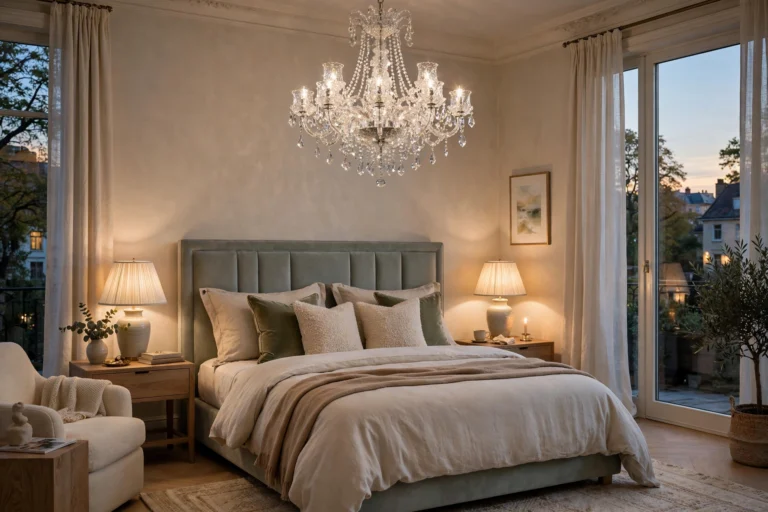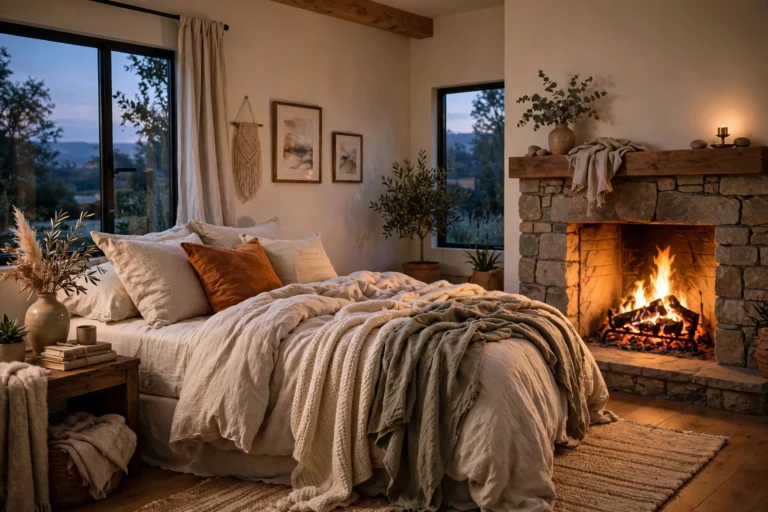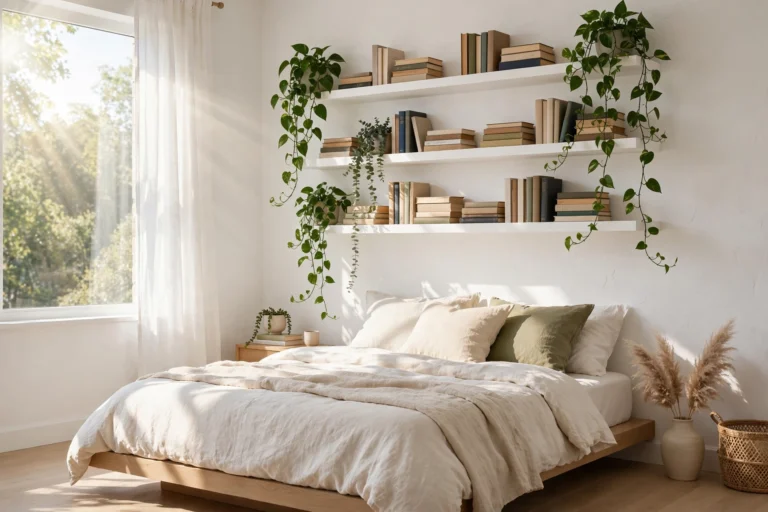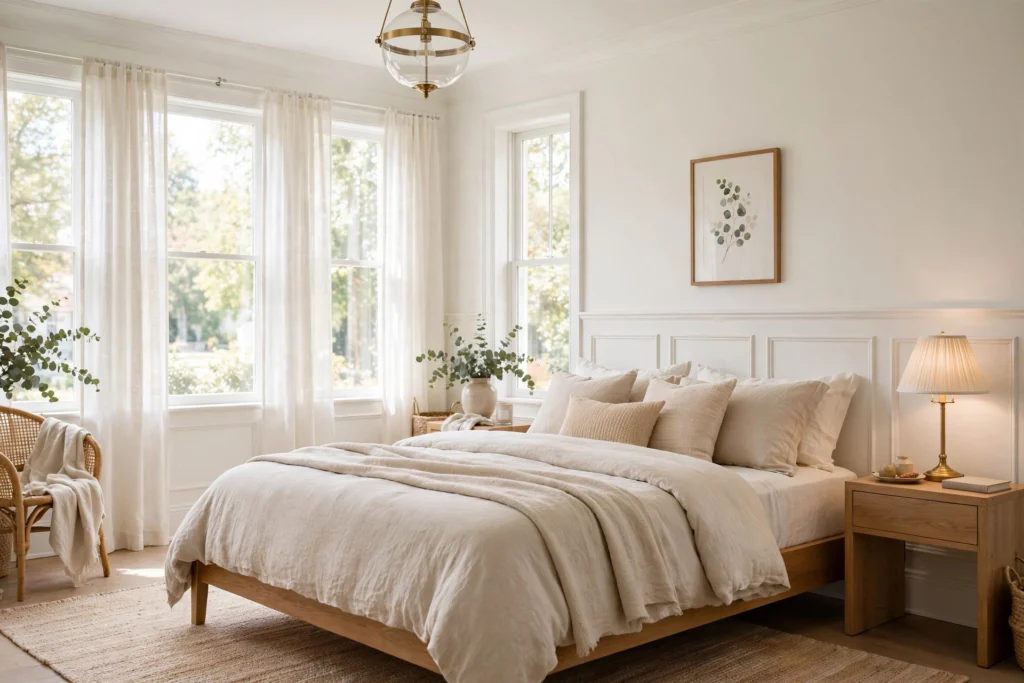

Flat, blank walls are the reason so many bedrooms feel unfinished even after the furniture is perfect. Wainscoting — the classic wall treatment of boards, panels, and molding running partway up the wall — adds the architectural texture that makes a bedroom feel custom, layered, and quietly luxurious. It also pairs beautifully with pattern above the chair rail, as our bedroom wallpaper ideas for a dreamy backdrop show with wallpaper-and-panel combinations.
Wainscoting began as a practical wood lining that insulated stone walls and protected them from damage; today it is primarily decorative, a millwork treatment that gives rooms depth and craftsmanship. These bedroom wainscoting ideas span classic beadboard to full-height paneling, with paint colors and budget approaches for every style of sleeper.
1. Start Classic With Beadboard
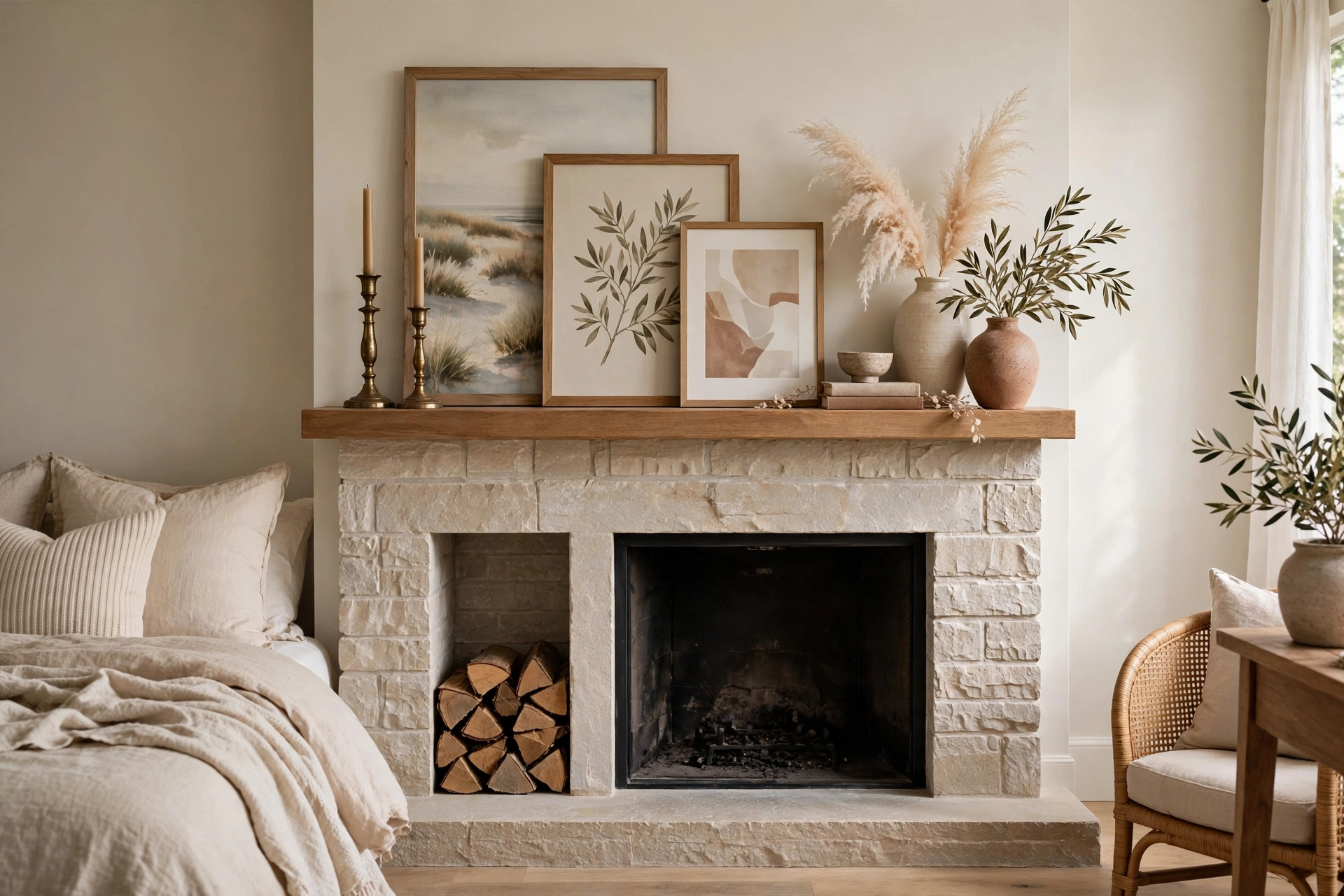
Beadboard — narrow vertical boards with a distinctive beaded groove — is the friendliest entry point to wainscoting and a natural fit for cottage, coastal, and farmhouse bedrooms. Run it to chair-rail height (about 36 inches) around the room, painted crisp white or soft cream, and the bedroom instantly gains a tailored, finished feel. Beadboard panels are affordable, widely available, and forgiving for first-time DIYers. It also hides imperfect drywall beautifully, which older bedrooms often need.
2. Go Bold With Board and Batten
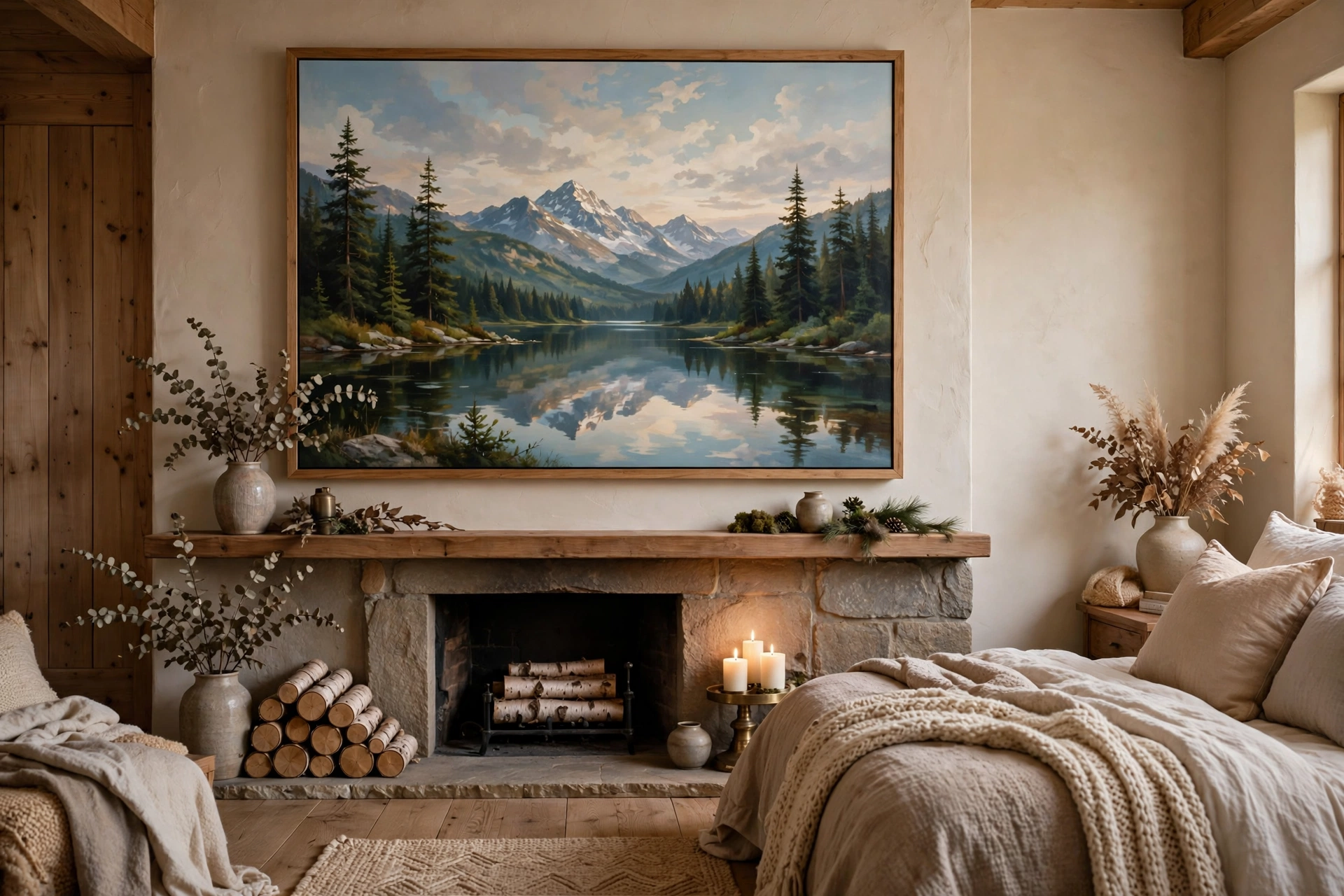
Board and batten’s graphic grid of vertical boards over flat panels delivers strong architectural rhythm with simple lumber and paint. In a bedroom, a full board-and-batten accent wall behind the bed acts as a built-in headboard backdrop — no upholstered headboard required. Paint it a deep, moody color like forest green or navy for drama, or keep it white for crisp definition. The geometric shadows it casts add texture that changes through the day as light moves across the wall.
3. Choose Raised Panels for Traditional Elegance
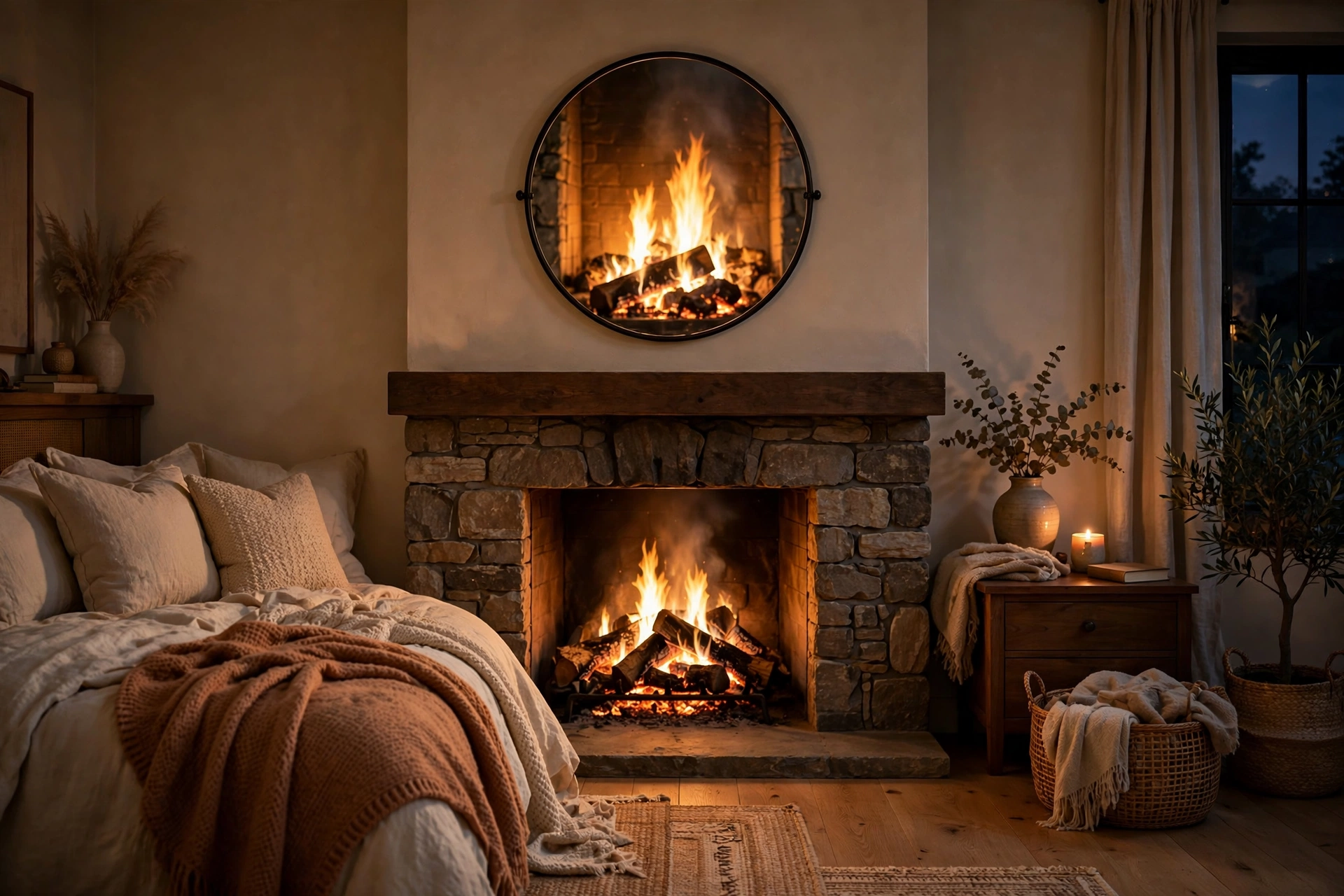
Raised-panel wainscoting, with its beveled center panels and substantial molding, brings old-world formality that suits traditional and transitional bedrooms. It looks most at home in rooms with other classic details — crown molding, tall baseboards, paneled doors — where it completes the architectural story. Paint it the same white as the trim for timelessness, or try a soft greige for warmth. This is the most labor-intensive style, so it is worth getting the proportions right: panels should be evenly spaced and consistently sized.
4. Take Paneling Floor to Ceiling
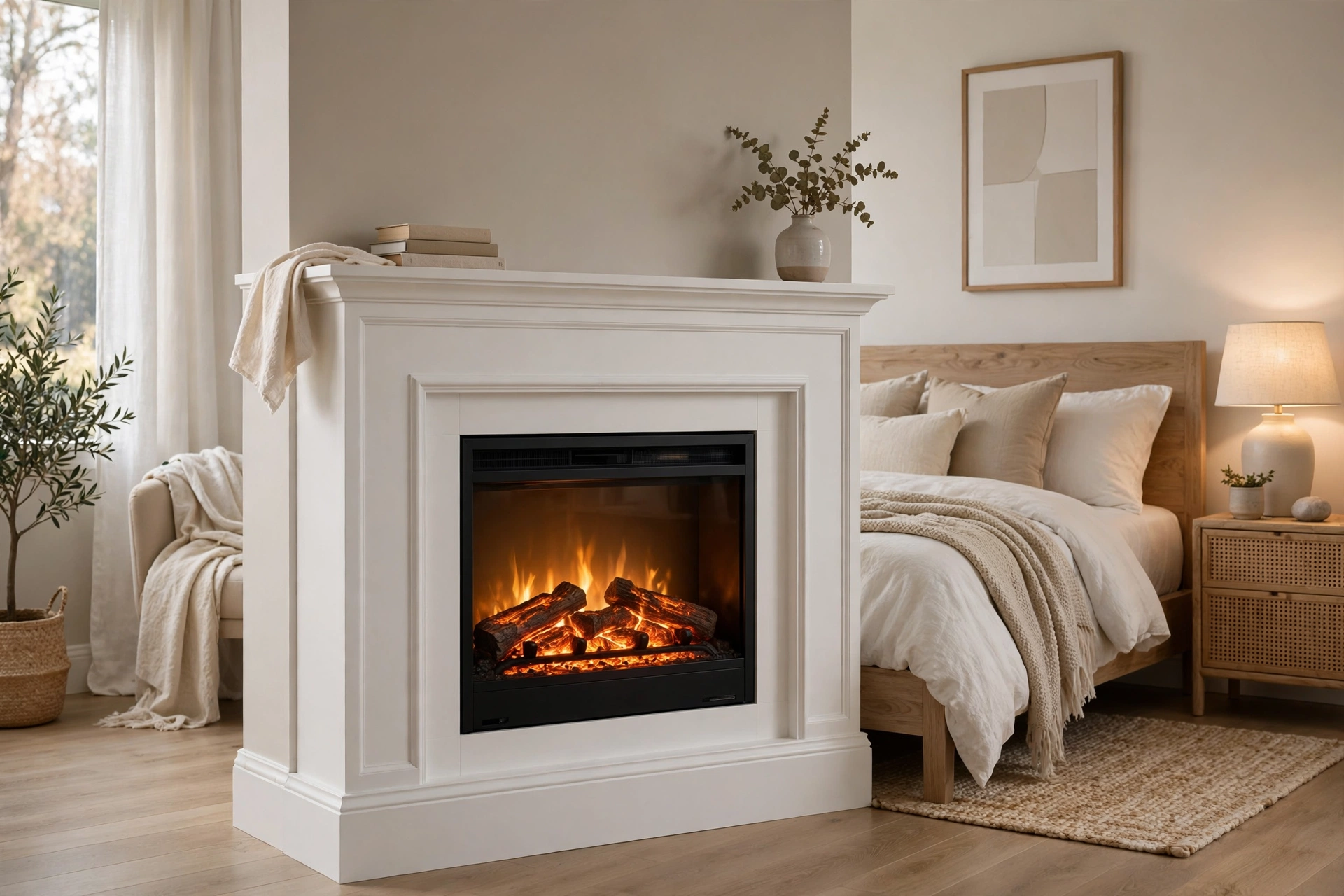
Who says wainscoting must stop at chair-rail height? Full-height paneling — flat panels or slats running from baseboard to crown — wraps a bedroom in cocooning texture that feels both modern and enveloping. It works especially well on the wall behind the bed, turning the headboard wall into a full architectural feature. Keep bedding and art simple against full-height paneling; the wall is already doing the visual work. Paint it a single enveloping color for a color-drenched, designer look.
5. Try Two-Tone Paint for Definition
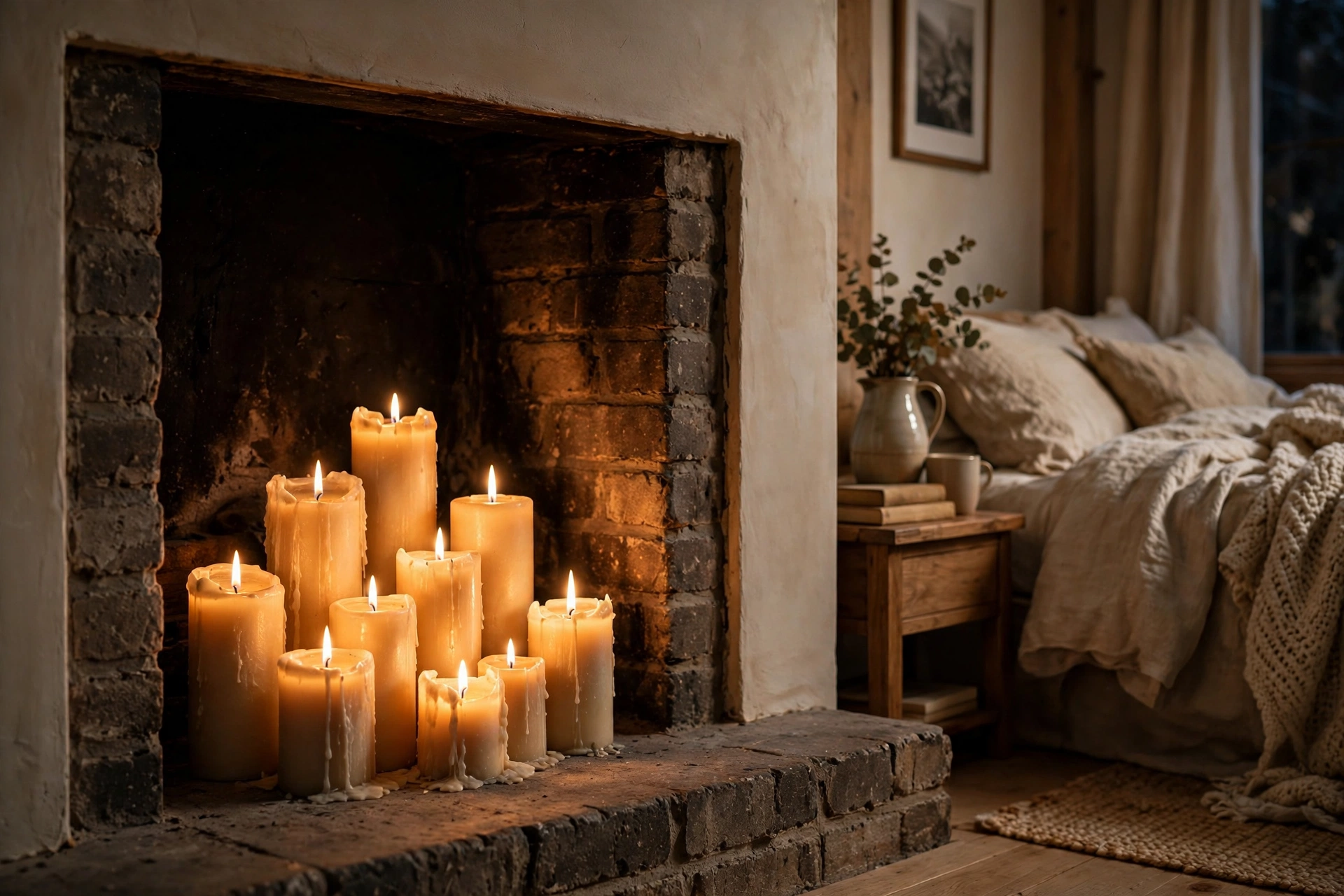
Painting the wainscoting a different color than the wall above is the classic move, and it never fails: white panels below with a soft colored wall above feels fresh and tailored, while dark panels below a light wall add grounding drama. The chair rail creates a natural color break, so the two-tone effect looks intentional rather than choppy. For a softer take, use two tones of the same color family — a deeper shade below, a lighter one above.
6. Color-Drench Walls and Trim as One
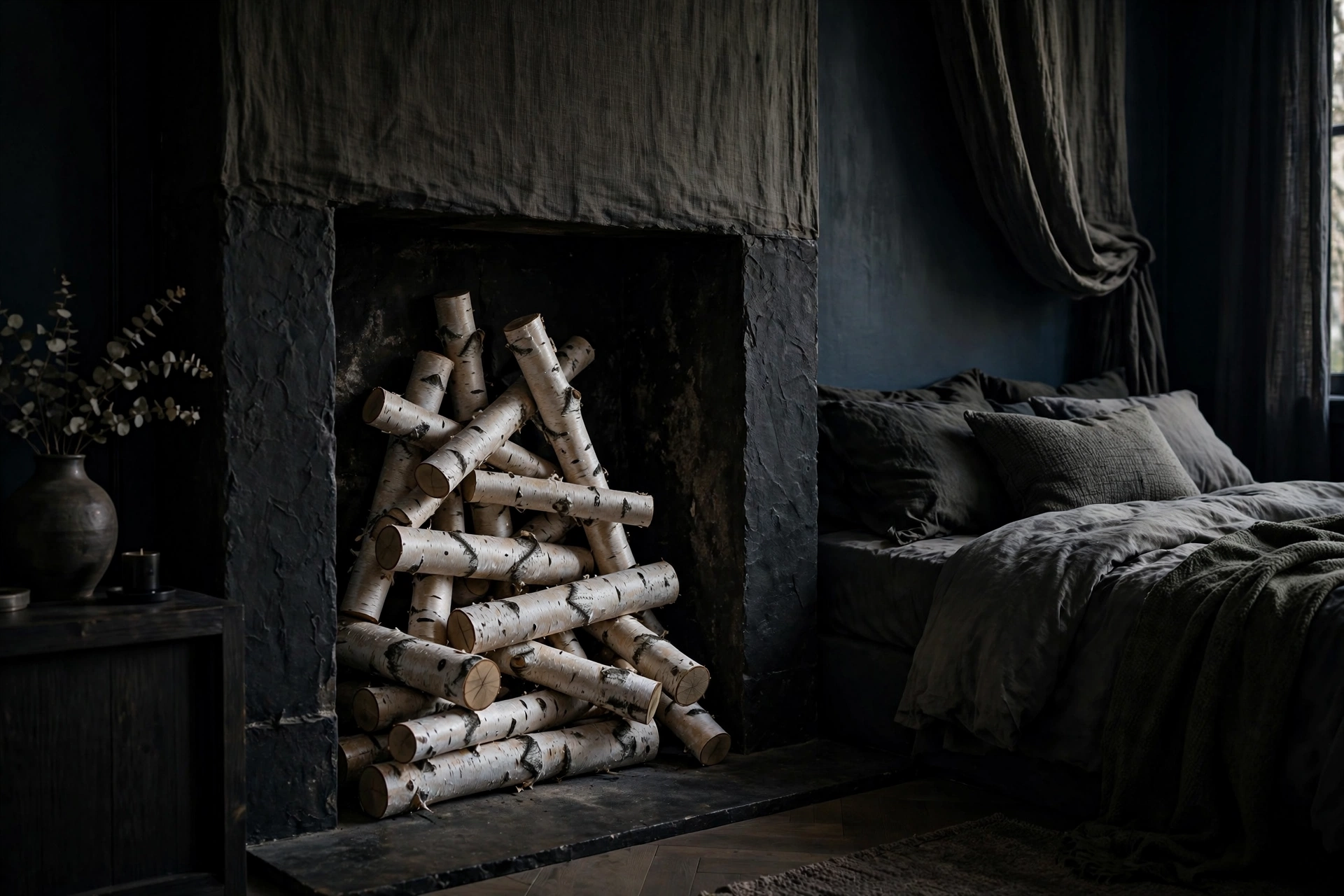
Color-drenching — painting the wainscoting, walls, trim, and even ceiling the same rich color — is the boldest way to use paneling in a bedroom, and the payoff is a cocooning, high-design feel. Deep greens, inky blues, and warm chocolates all work; the paneling’s shadows keep the monochrome from feeling flat. This approach erases visual clutter, which makes it ideal for small bedrooms. Commit fully — half measures with color-drenching look accidental.
7. Keep It Serene With White on White
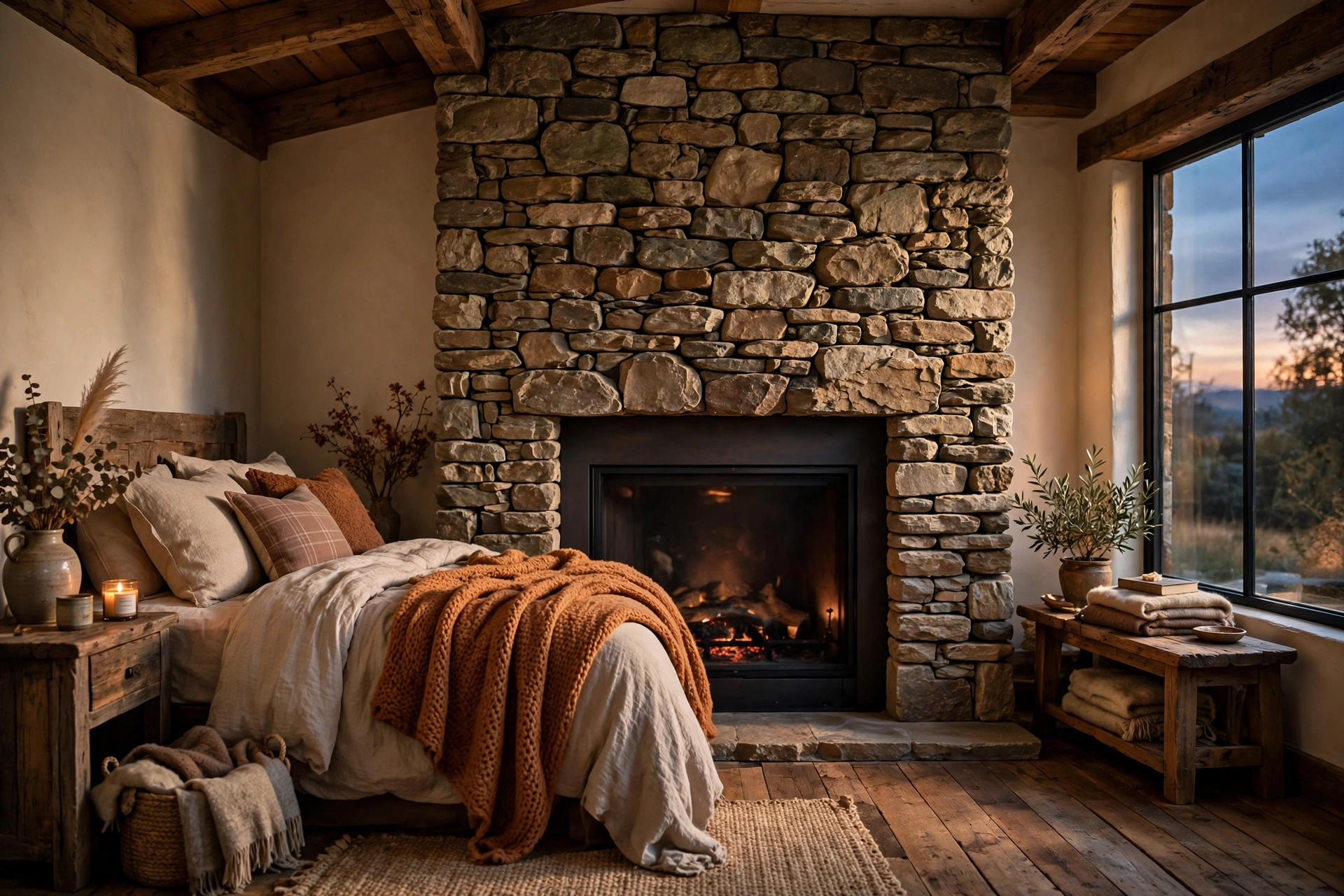
An all-white bedroom with white wainscoting is the definition of serene: the paneling adds texture and shadow without adding a single drop of color. Layer in texture elsewhere — linen bedding, a nubby rug, a woven throw — so the room feels rich rather than stark. White-on-white paneling also bounces light beautifully, making small or north-facing bedrooms feel brighter. Use a satin or semi-gloss finish on the woodwork so it wipes clean and catches the light.
8. Go Moody With Dark, Saturated Color
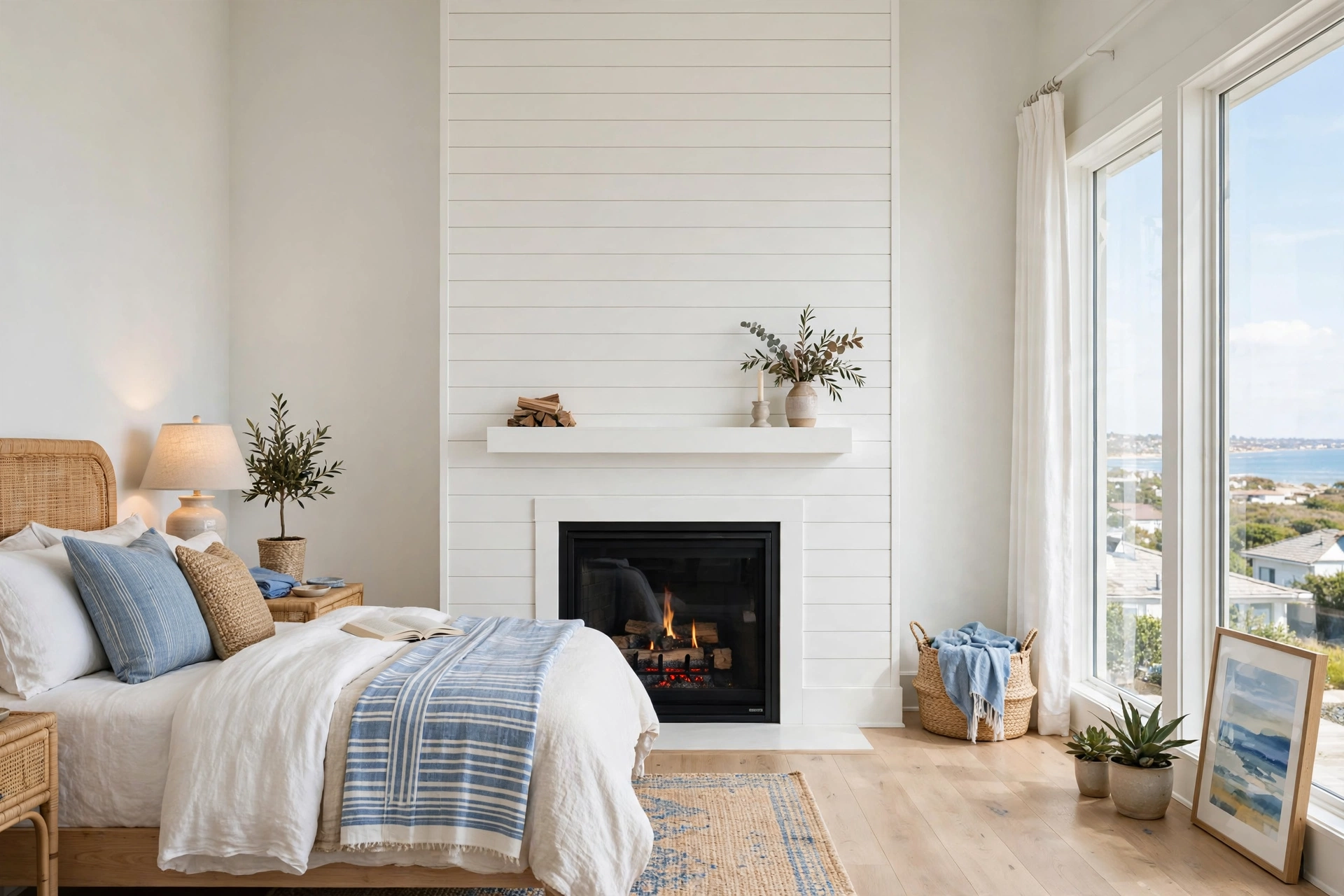
Dark wainscoting — deep green, charcoal, navy, espresso — turns a bedroom into an intimate retreat that practically begs for lamps and layered bedding. The dark lower wall grounds the room while a lighter wall above keeps it from feeling cave-like. This look photographs beautifully and hides scuffs far better than white. Pair dark paneling with warm wood tones and brass accents to keep it inviting rather than severe.
9. Panel the Wall Behind the Headboard
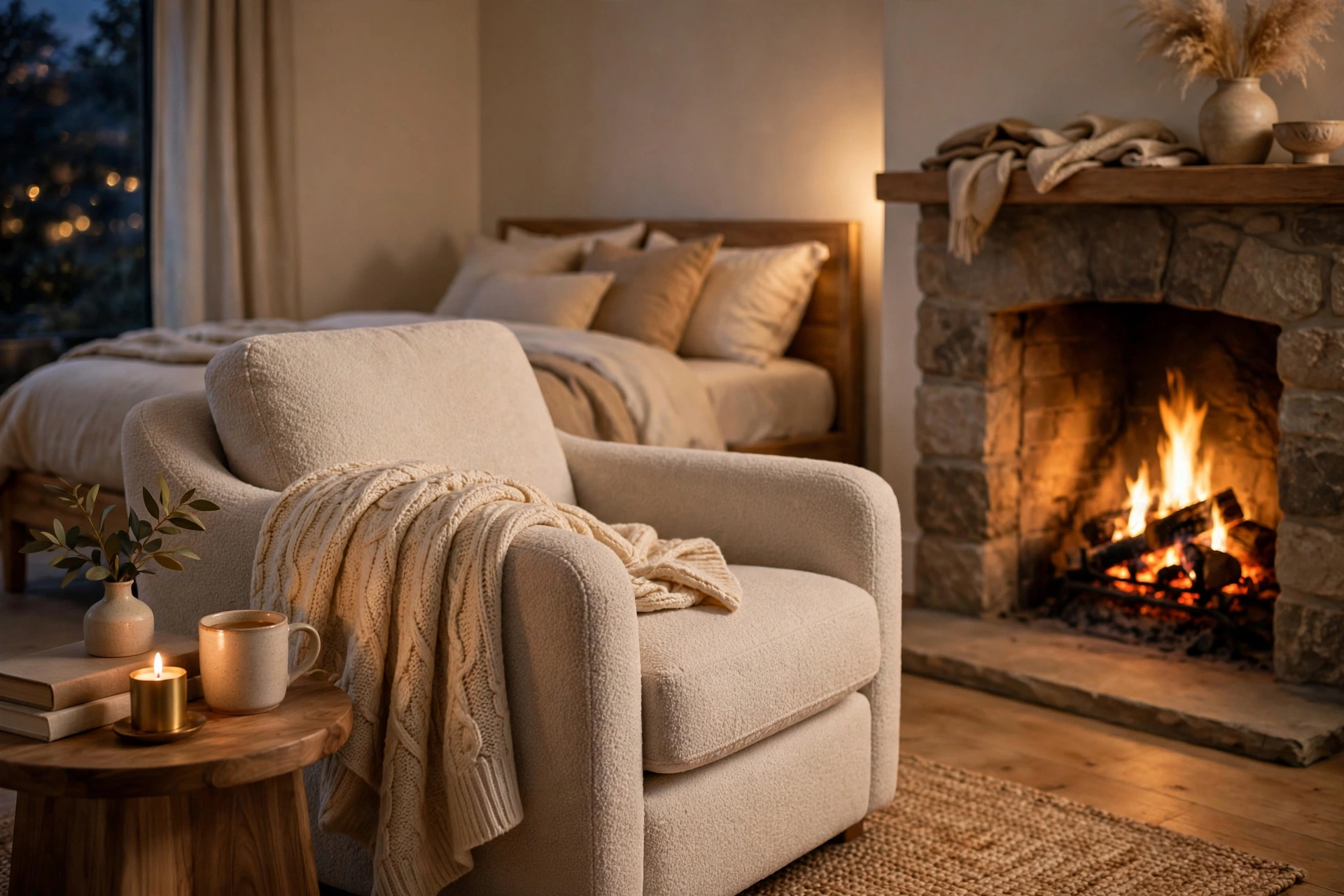
If full-room wainscoting feels like too much, panel just the headboard wall. A board-and-batten or slat treatment behind the bed creates a focal point with the presence of an oversized headboard at a fraction of the cost. Center the bed on the paneled section and keep nightstand styling simple so the wall stays the star. This single-wall approach also suits renters using removable panel molding or peel-and-stick slats.
10. Soften It With Pastel Tones
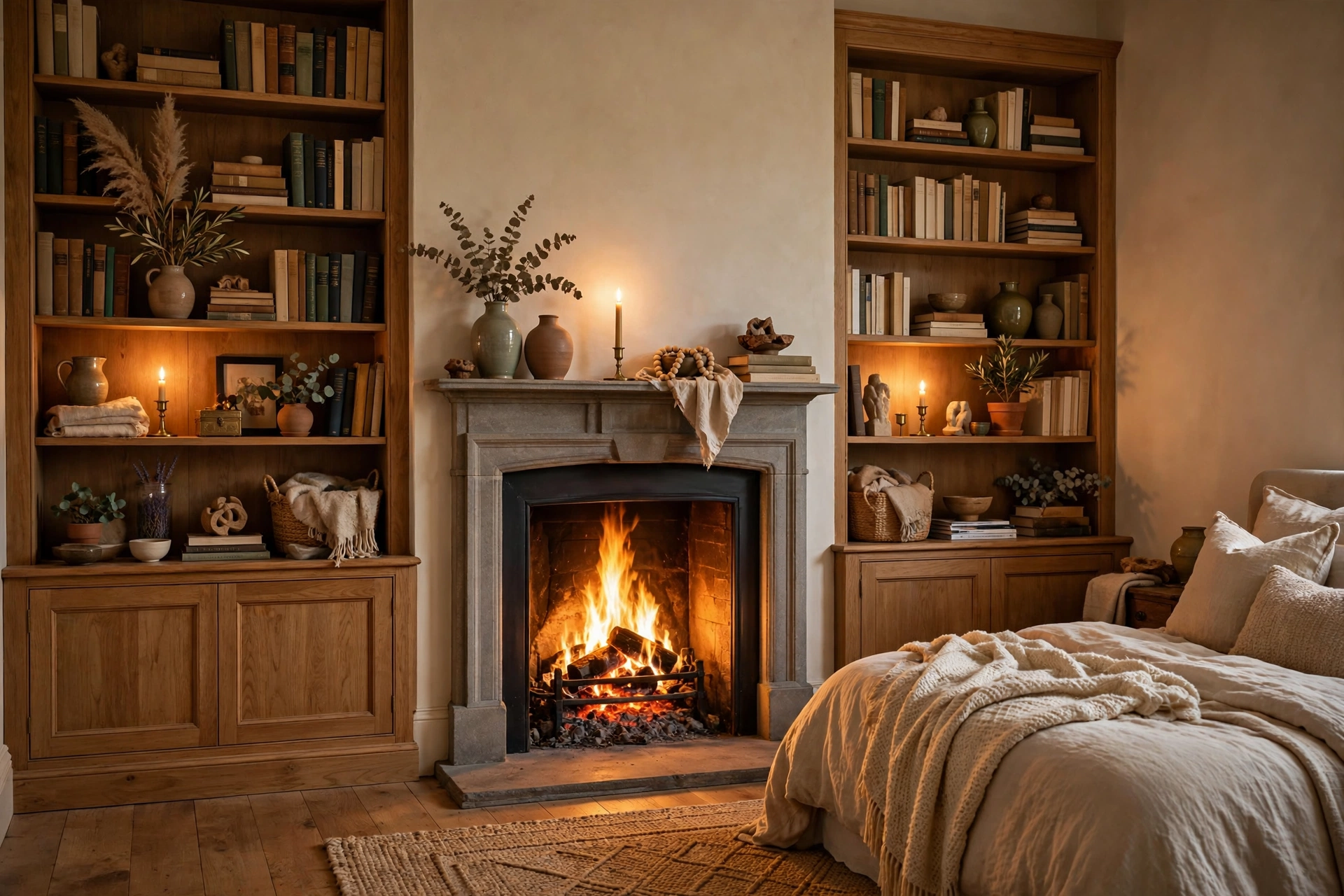
Wainscoting does not have to be white or dramatic — pale sage, dusty blue, blush, or soft lilac panels bring gentle color that suits romantic, nursery-adjacent, and cottage bedrooms. Pastel paneling below a crisp white wall feels fresh and pretty without veering juvenile. This is a lovely choice for guest bedrooms, where you want warmth and personality that appeals to everyone. Keep bedding in the same soft family for a harmonious, restful palette.
11. Fake It With Picture-Frame Molding
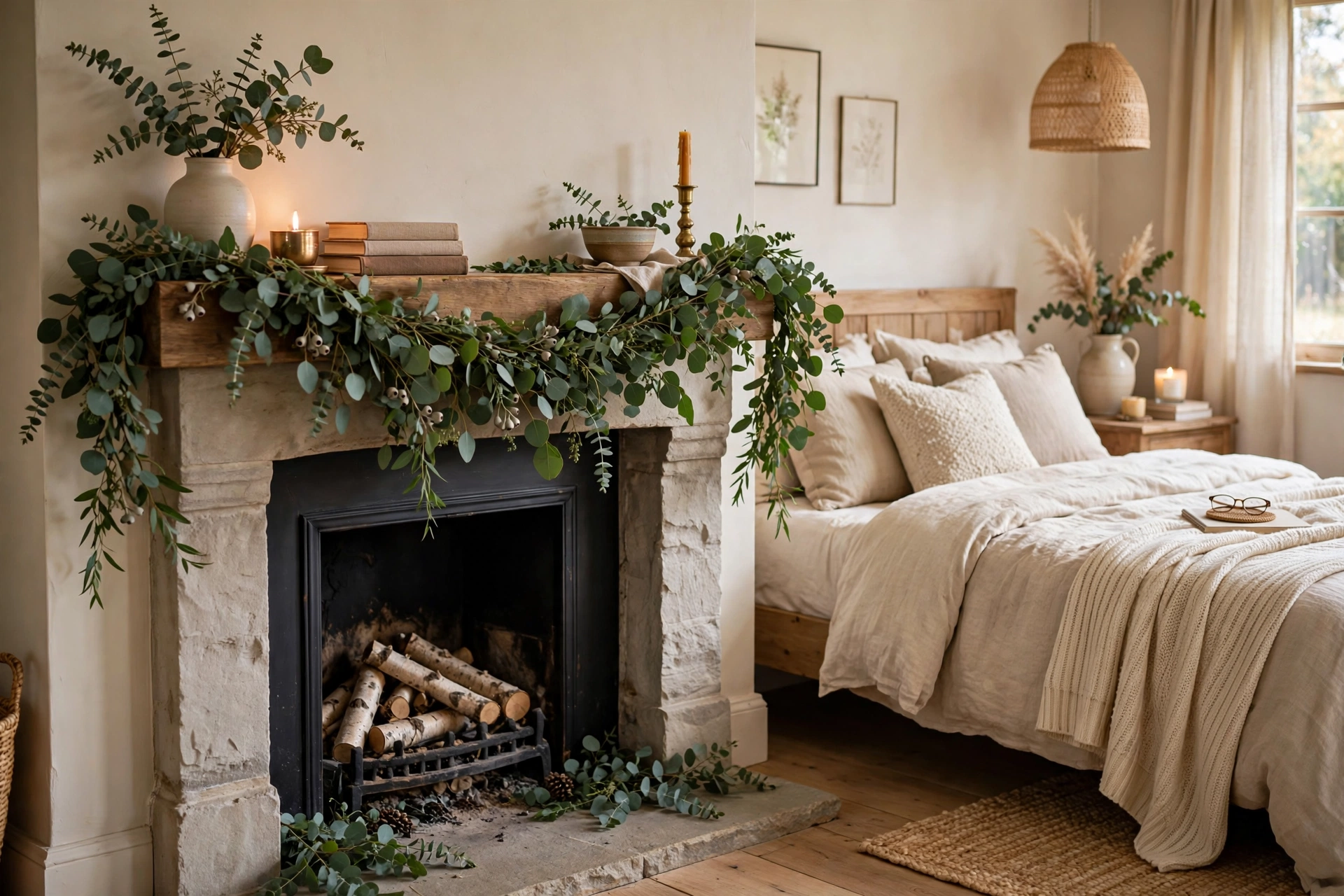
The budget hero of wainscoting looks is picture-frame molding: thin trim boxes glued and nailed directly to the wall below a chair rail, painted wall-color or white. From a few feet away, it reads as classic panel molding for a fraction of the cost and effort — no panels, no demolition. Measure carefully so every frame is identical; uneven boxes ruin the illusion. This weekend project transforms a plain bedroom wall for the price of trim, paint, and patience.
12. Run Shiplap Horizontally for Calm
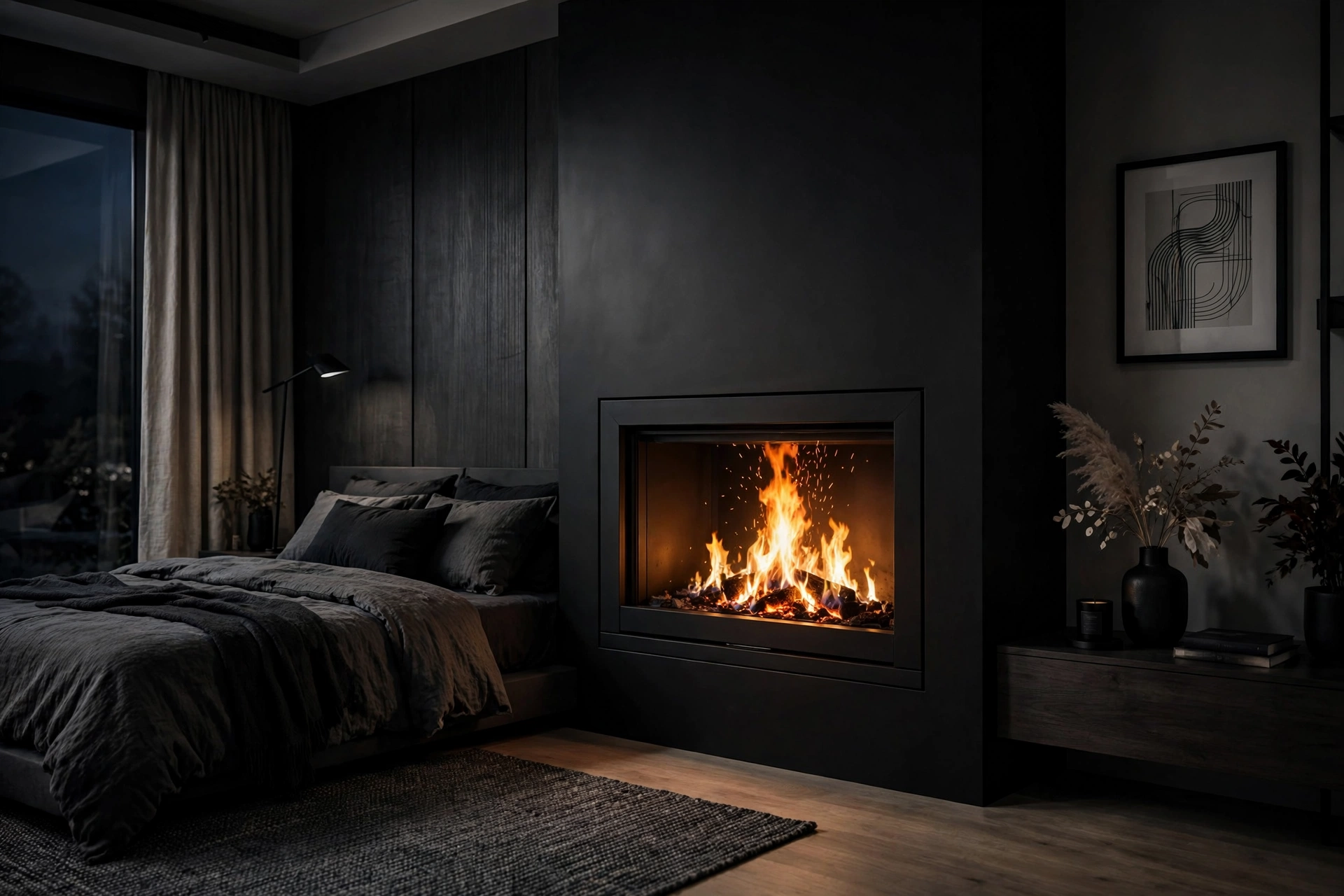
Horizontal shiplap brings a relaxed, coastal-calm rhythm to bedroom walls, and its long lines make narrow rooms feel wider. Run it to chair-rail height for the classic look, or take it full-height behind the bed for a modern cabin feel. Paint it white or a pale neutral; the shadow lines between boards provide all the texture you need. Leave a small reveal gap between boards for the authentic shiplap shadow line — tight-butted boards lose the effect.
13. Pair Wainscoting With Wallpaper Above
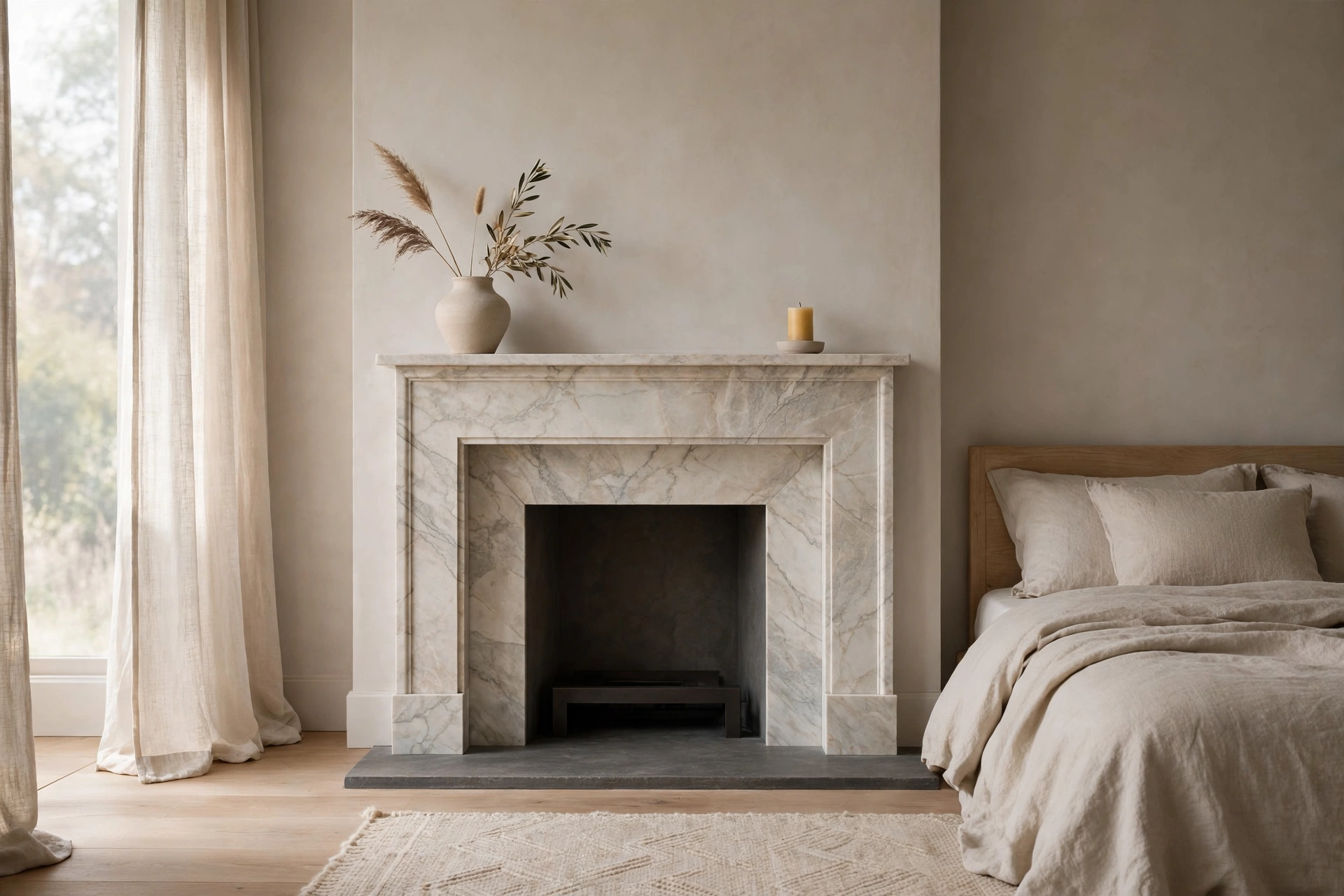
The most designer-looking combination in this list: paneled wainscoting below, patterned wallpaper above the chair rail. The paneling grounds the pattern, the wallpaper adds personality, and the chair rail makes the transition crisp. Try a botanical or subtle stripe above white beadboard, or a moody mural above dark panels. Keep the wallpaper’s scale in proportion to the room — large prints suit large walls, small prints suit cozy rooms. The same trim vocabulary flows beautifully into hallways, as our entryway wainscoting ideas for elegant first impressions demonstrate in another part of the house.
14. Try Reclaimed Wood for Rustic Warmth
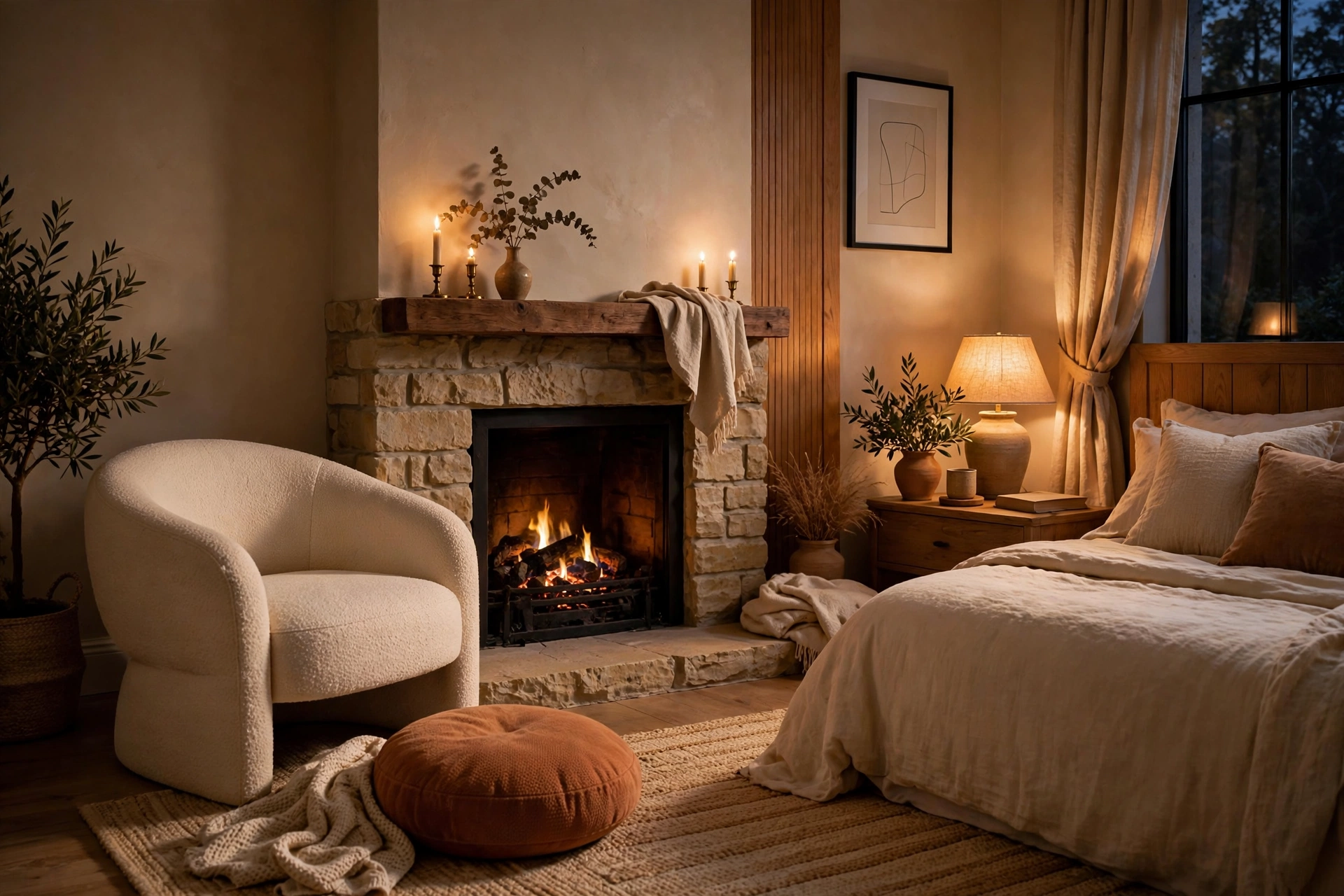
Reclaimed or new rough-sawn boards run as wainscoting bring instant rustic warmth and one-of-a-kind character — no two walls look alike. The varied tones add depth that paint cannot replicate, and the texture begs to be touched. Seal the wood with matte polyurethane to tame splinters and dust. This look anchors rustic, cabin, and modern-farmhouse bedrooms; balance it with soft modern bedding so the room feels curated rather than themed.
15. Know the Costs Before You Commit
Wainscoting costs swing wildly by material and method: DIY shiplap or beadboard paneling can run as little as two dollars per square foot, while custom hardwood raised panels climb toward forty. MDF offers a smooth, paint-perfect middle ground that will not warp, and ready-to-assemble kits split the difference on price and effort. For a thorough breakdown of materials, costs, and where each type works best, This Old House’s complete wainscoting guide is the most authoritative primer available. Get the material right for your budget and the room, and the installation becomes the easy part.
FAQ
What height should bedroom wainscoting be?
The classic rule is about one-third of the wall height — typically 32 to 42 inches in a standard 8- or 9-foot room. Chair-rail height around 36 inches suits most bedrooms. For a bolder look, take paneling two-thirds up the wall, or go floor-to-ceiling on a single accent wall. Keep it consistent around the room for a tailored finish.
Is wainscoting outdated in bedrooms?
Not at all — wainscoting is one of the most enduring wall treatments in interior design, and current trends favor it strongly, from color-drenched full paneling to minimalist slat walls. What dates a room is the wrong style for the house: match the paneling’s formality to your home’s architecture and it will look timeless, not trendy.
Can I install wainscoting myself?
Yes — beadboard panels, shiplap, board and batten, and picture-frame molding are all approachable DIY projects requiring basic tools: a miter saw, level, nail gun, and caulk. Raised-panel and full stile-and-rail systems are more advanced and often worth hiring out. Start on the least visible wall to build skill and confidence.
What paint finish is best for wainscoting?
Satin or semi-gloss: both wipe clean easily, resist scuffs better than flat paint, and catch light in a way that highlights the molding profiles. Use the same sheen on all the trim in the room for consistency. Always prime raw wood and MDF before painting for a smooth, durable finish.
Does wainscoting make a small bedroom look smaller?
Done right, it does the opposite. Light-colored wainscoting with vertical elements draws the eye up and adds architectural interest that makes small rooms feel finished rather than cramped. Avoid very dark colors in tiny rooms unless you color-drench deliberately, and keep the paneling height at classic chair-rail level rather than full-height.
Keep Exploring
Wainscoting is the architectural upgrade that makes a bedroom feel custom-built rather than decorated — texture, shadow, and craftsmanship in every panel. Choose the style that matches your home, pick a paint approach that suits your light, and do not skimp on the caulk and prep work. When you are ready to carry the paneled look into the wet zones, our bathroom wainscoting ideas for timeless style adapt the same millwork principles for tile-adjacent walls.