
There is a reason coastal bathrooms never go out of style. The palette of sun-bleached whites, soft sand tones, and sea-glass blues instantly makes a room feel calmer, brighter, and more open — even a windowless powder room can borrow that breezy, beach-house energy with the right choices.
The good news is that you do not need to live near the ocean, or gut your bathroom, to get the look. These coastal bathroom design ideas range from simple weekend updates like swapping in linen curtains and woven baskets to bigger moves like beadboard walls and pebble-tile floors. Pick the ones that fit your space and budget, and layer them gradually — coastal style is at its best when it feels collected and effortless rather than themed.
1. Start with an Airy White Base
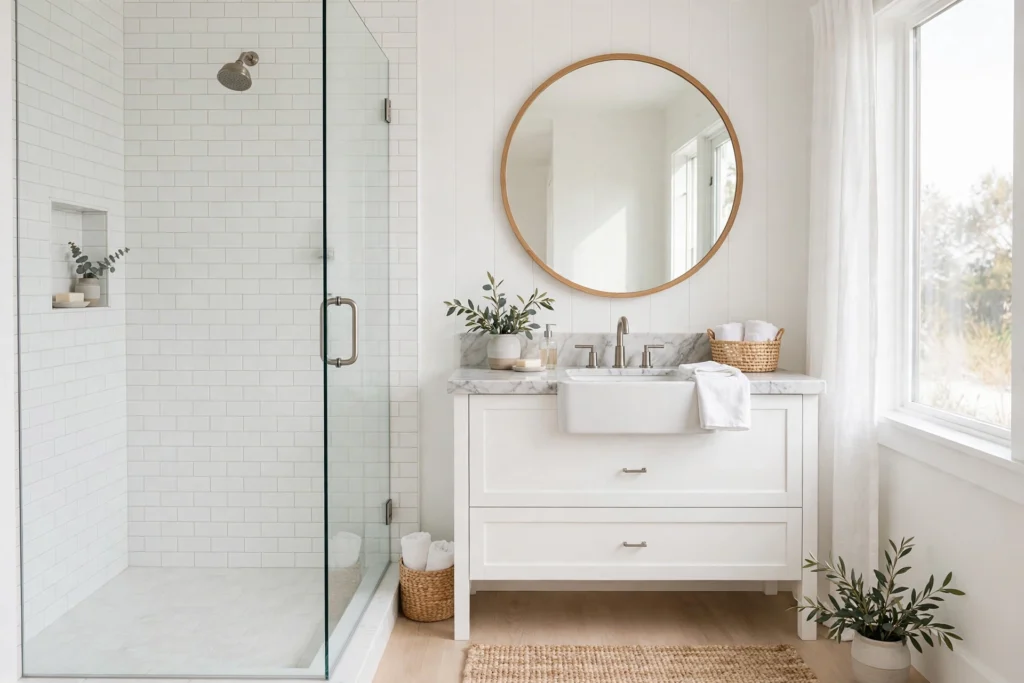
Nearly every great coastal bathroom begins with white — white walls, white tile, white trim. A bright base bounces natural light around the room and gives every blue accent and wood texture something clean to sit against. If a full retile is out of reach, a coat of moisture-resistant satin paint in a warm white (think Benjamin Moore Simply White or Behr Beach House) transforms builder-grade walls in a single weekend. Keep the ceiling bright white too; it lifts the whole room. This airy foundation is the single most impactful of all coastal bathroom design ideas because everything else you add will read fresher against it.
2. Layer In Sea-Glass Blue Accents
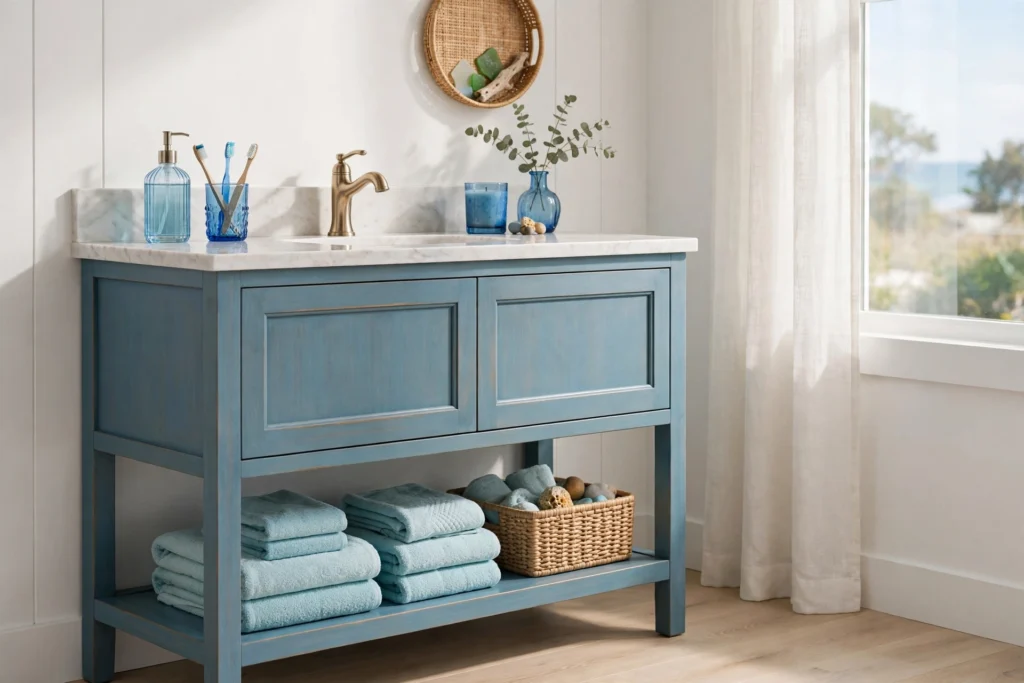
Once the white base is set, introduce the color of the sea. Sea-glass blue — that soft, slightly grayed aqua — works on a vanity, a painted stool, or even just towels and soap dispensers. For a bolder move, paint the lower half of the walls (below a chair rail) in a shade like Sherwin-Williams Sea Salt. Limit the blue to roughly a third of the room’s visual weight; too much saturated color tips the look from coastal to nautical-theme-park. Pair it with warm whites and natural wood so the blue feels like an accent, not a uniform.
3. Choose a Weathered Wood Vanity
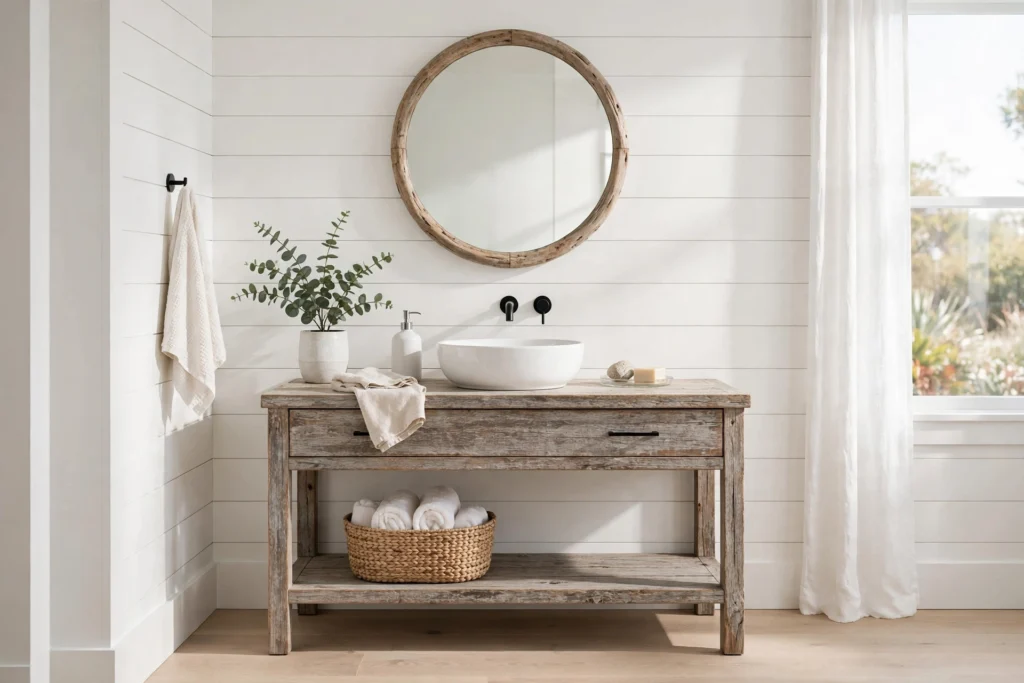
A vanity in weathered or whitewashed wood brings instant beach-house character. Look for oak or teak with a driftwood finish — the gray-beige patina hides water spots far better than a dark stain, which is a practical win in a bathroom. If replacing the vanity is too big a project, refinish what you have: sand lightly, apply a whitewash (one part white paint to three parts water, wiped back), and seal with a marine-grade polyurethane so the finish survives daily splashes. Open-bottom vanities also keep the floor visible, which makes small bathrooms feel larger.
4. Add Beadboard Walls
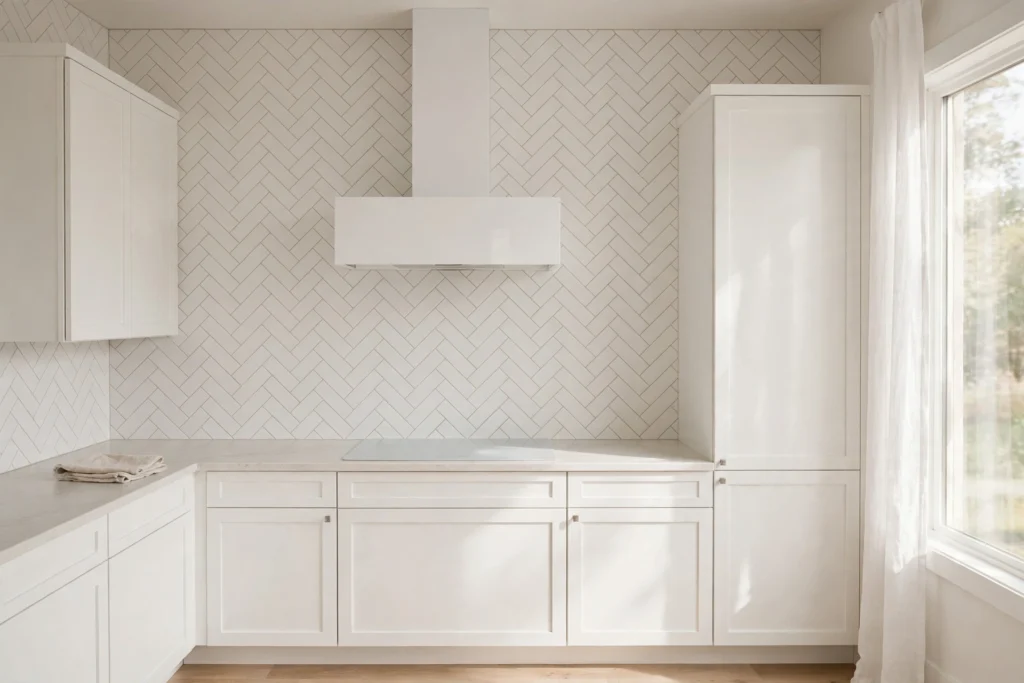
Beadboard is the architectural shortcut to cottage-coast charm. Vertical beadboard panels on the lower half of the walls (with a simple cap rail on top) add texture and a handmade feel for a modest material cost — primed MDF beadboard sheets are widely available and easy to cut. Paint it the same white as the trim for a seamless look, or try a pale blue-gray for subtle color. Use PVC or moisture-rated beadboard inside the shower-adjacent zones rather than raw MDF, and always caulk the top and bottom edges so steam cannot creep behind the panels.
5. Lay a Pebble or Natural Stone Tile Floor
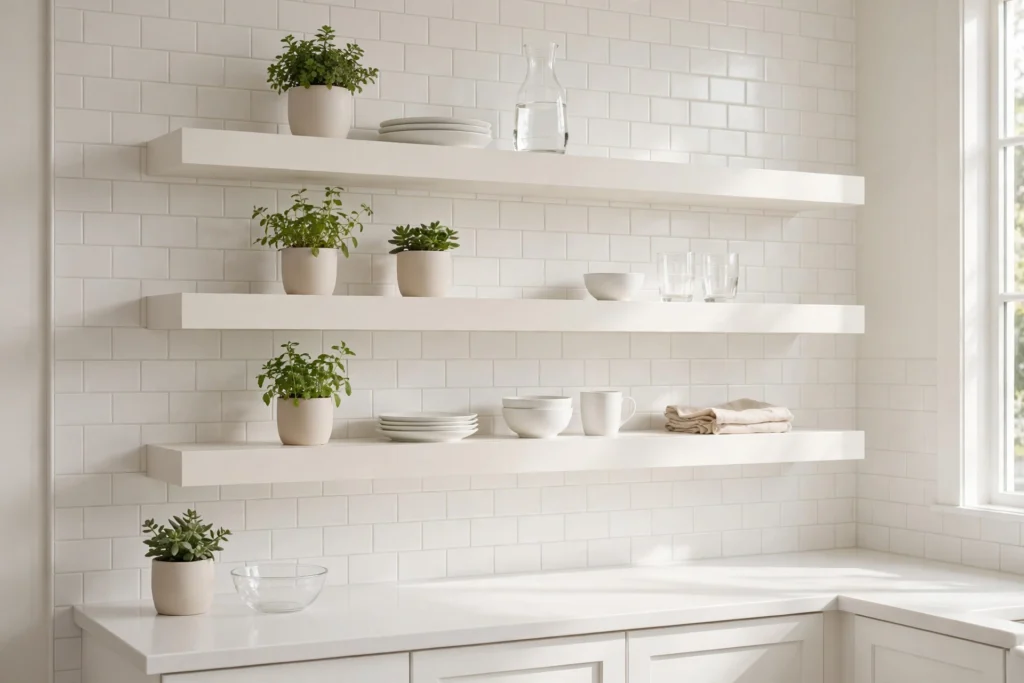
Nothing says “steps from the sand” like a pebble-tile shower floor or a bathroom floor in tumbled travertine. Pebble mosaic sheets (usually 12×12 inch mesh-mounted) install like regular tile and feel wonderful underfoot — choose smooth, flat-cut pebbles rather than heavily rounded ones for comfort. Seal natural stone twice: once before grouting and once after, using a penetrating sealer, and re-seal yearly in a busy family bath. If stone is beyond budget, a large-format porcelain tile in a sandy beige with a matte finish gives a similar earthy feel with almost zero maintenance.
6. Weave In Rope and Jute Textures
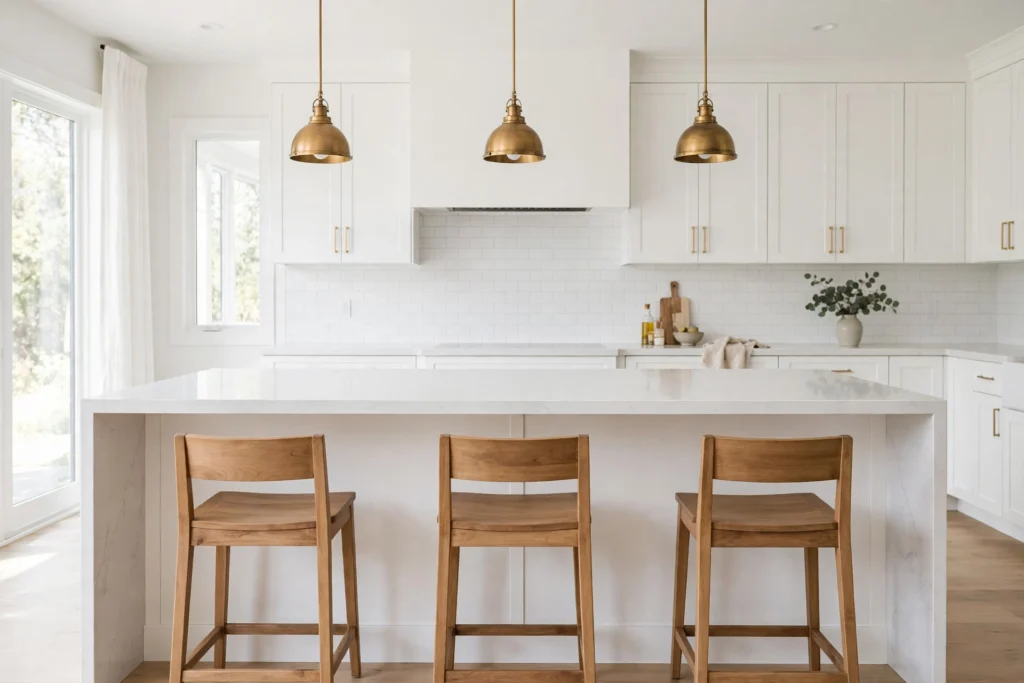
Coastal style lives in natural fibers. A round jute rug beside the tub, a rope-wrapped mirror frame, or seagrass baskets for rolled towels add the tactile warmth that keeps an all-white bathroom from feeling sterile. Jute and sisal handle bathroom humidity reasonably well, but they should not sit in standing water — place rugs away from the direct splash zone of the shower door and shake them out weekly. For a quick win, swap plastic storage bins for lidded seagrass baskets; they hide clutter and reinforce the beachy palette in one move.
7. Swap In Brushed Brass or Matte Black Fixtures
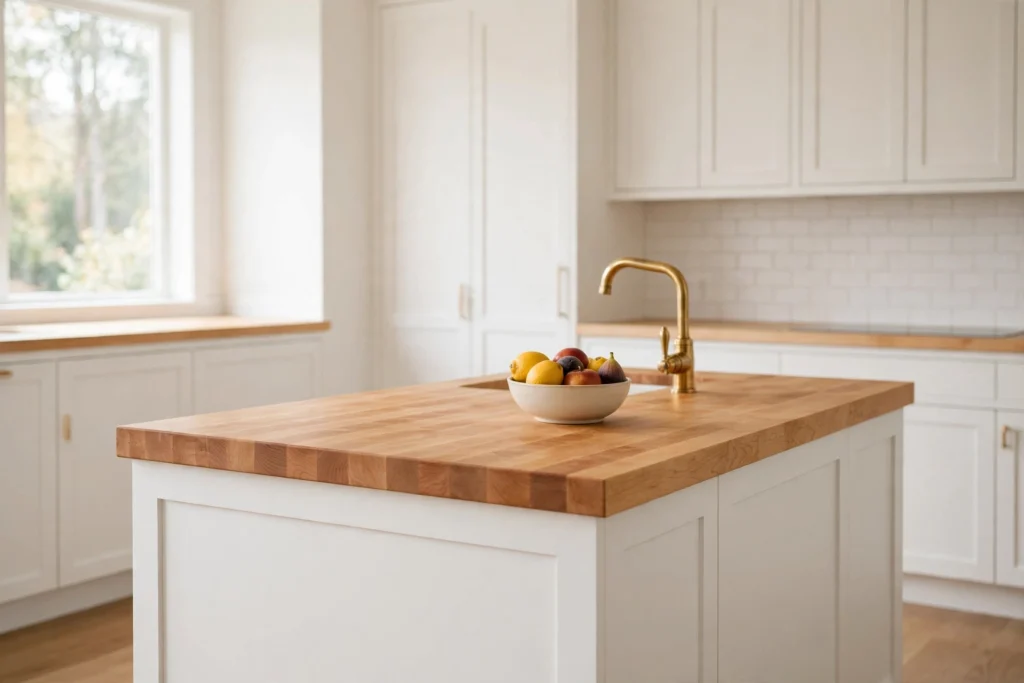
Hardware is the jewelry of the bathroom, and coastal spaces look best with finishes that feel sun-warmed rather than chrome-cold. Brushed brass or unlacquered bronze faucets, drawer pulls, and towel bars add a soft golden glow that pairs beautifully with whites and blues. If brass feels too traditional, matte black offers a crisp modern-coastal contrast. Replace fixtures as a set — mixing three different metal finishes is the fastest way to make a bathroom look unintentional. Most big-box faucets now come in these finishes at mid-range prices, so this is a high-impact, low-cost update.
8. Frame the Mirror in Driftwood
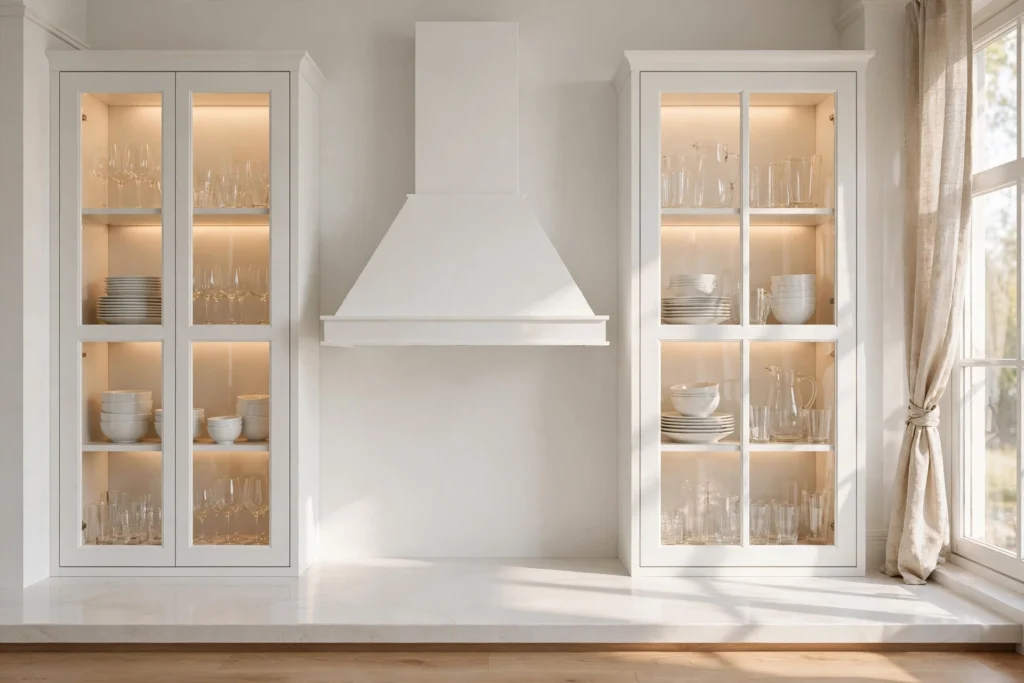
A driftwood-framed mirror is a signature coastal piece, and it is easy to source or DIY. Real driftwood pieces can be wired together around a plain round mirror, or you can buy a ready-made version in whitewashed pine that mimics the look. Hang it so the center sits at average eye level (about 60 inches from the floor) and keep the frame’s tone in the same family as your vanity wood so the two do not clash. Round or arched mirrors soften all the hard rectangles of a bathroom and echo portholes and sea glass — both subtle coastal references.
9. Hang Sheer Linen Curtains
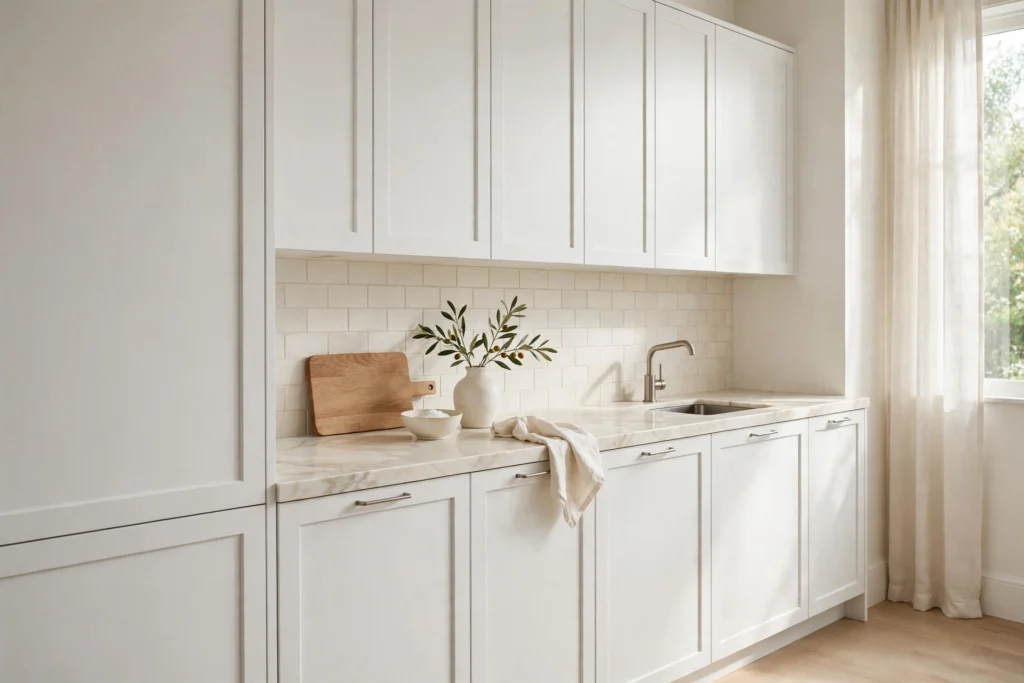
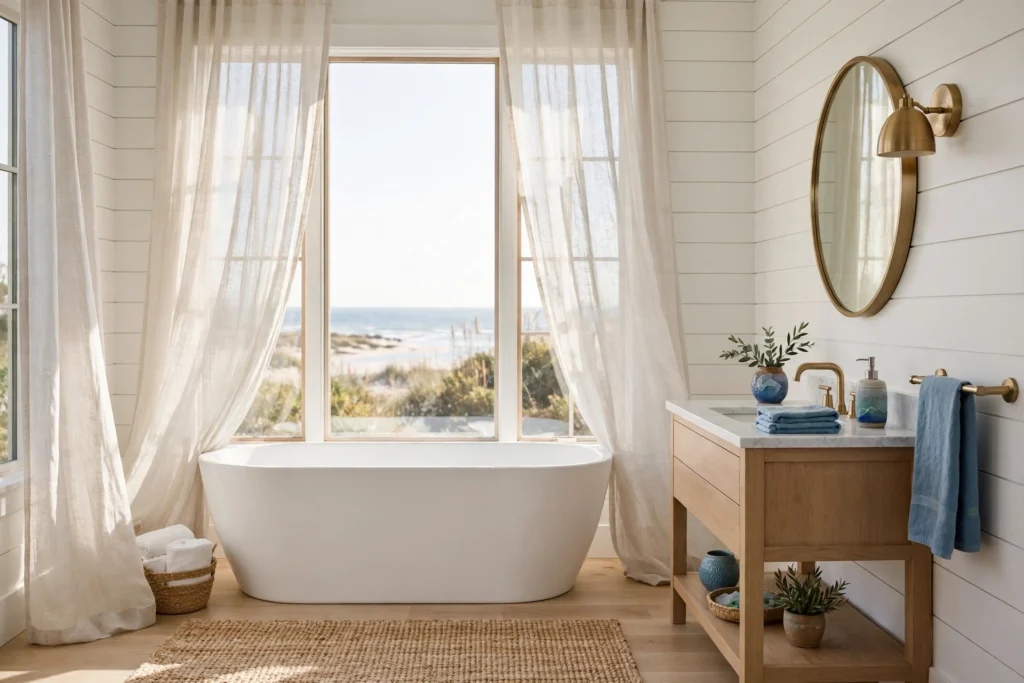
Heavy or fussy window treatments fight the breezy coastal mood. Sheer linen or cotton-voile curtains filter daylight into a soft glow while keeping the room private, and they move gently with air circulation — that movement is part of the beach-house feeling. Mount the rod several inches above the window frame and wide enough that the panels just kiss the frame edges when open, which makes the window look larger. In a bathroom, choose a linen blend with some polyester content so it resists mildew, and machine-wash the panels every couple of months.
10. Style Open Shelving with Beach Finds
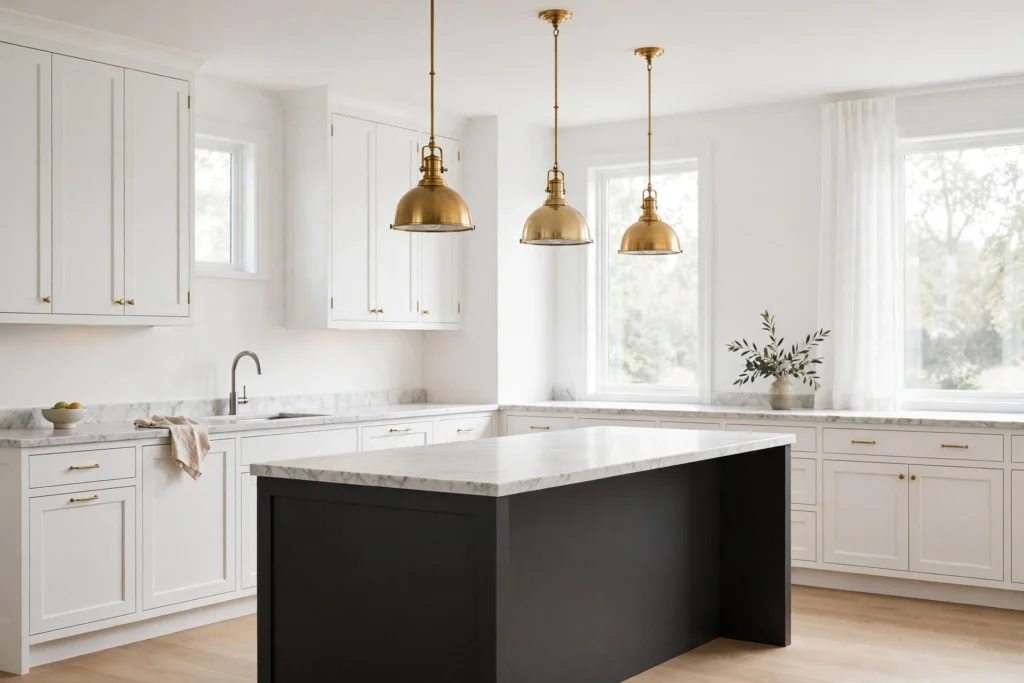
A couple of open shelves above the toilet or beside the vanity give you a place to display the collected side of coastal style: a conch shell, a small piece of coral (faux is fine and reef-friendly), apothecary jars of bath salts, and a stack of neatly folded white towels. The trick is restraint — group items in odd numbers, leave breathing room between groupings, and keep everyday products in closed baskets below. This is one of those coastal bathroom design ideas that costs almost nothing if you shop your own home first, yet it personalizes the room more than any single fixture can.
11. Install a Shiplap Accent Wall
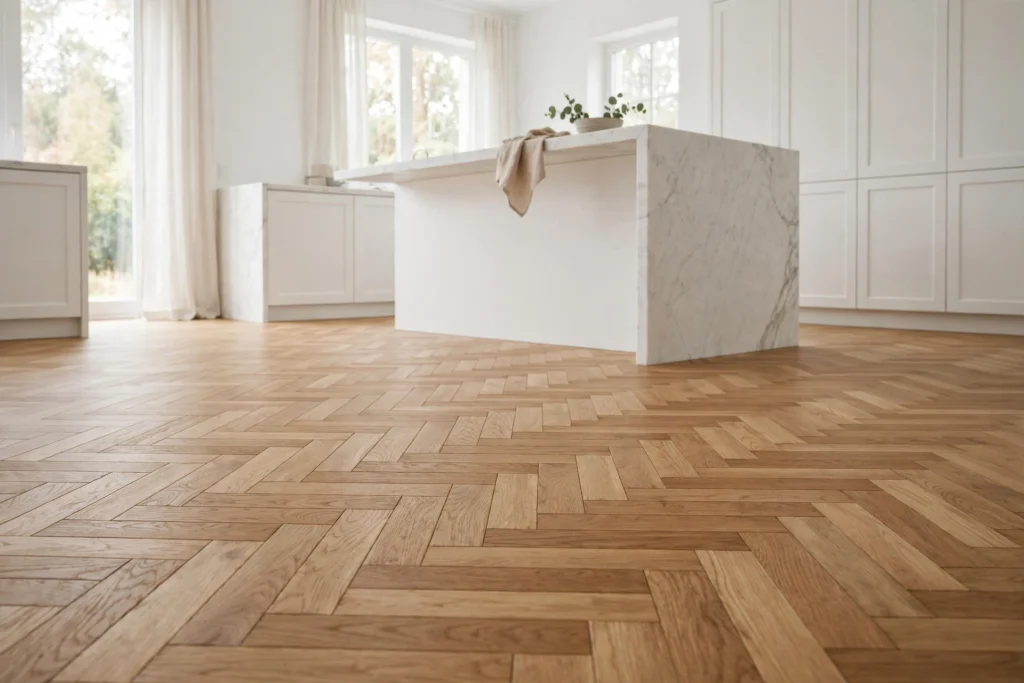
If beadboard feels too cottage, shiplap reads slightly more modern while still delivering coastal texture. A single shiplap accent wall behind the vanity or the tub creates a focal point without overwhelming the room; horizontal boards make narrow bathrooms feel wider, while vertical boards add height. Use nickel-gap shiplap (with the small shadow-line groove) in a moisture-resistant material, paint it a crisp white, and keep the other walls smooth so the texture contrast stays intentional. One wall is enough — four shiplap walls can feel like a beach-themed box.
12. Try a Sea-Glass Tile Backsplash
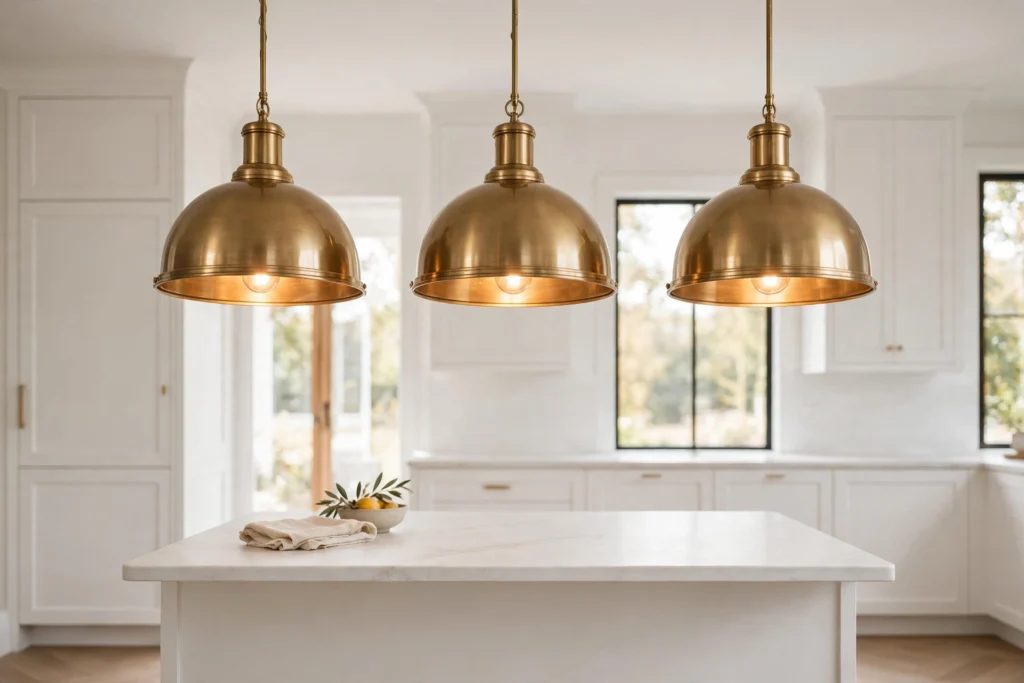
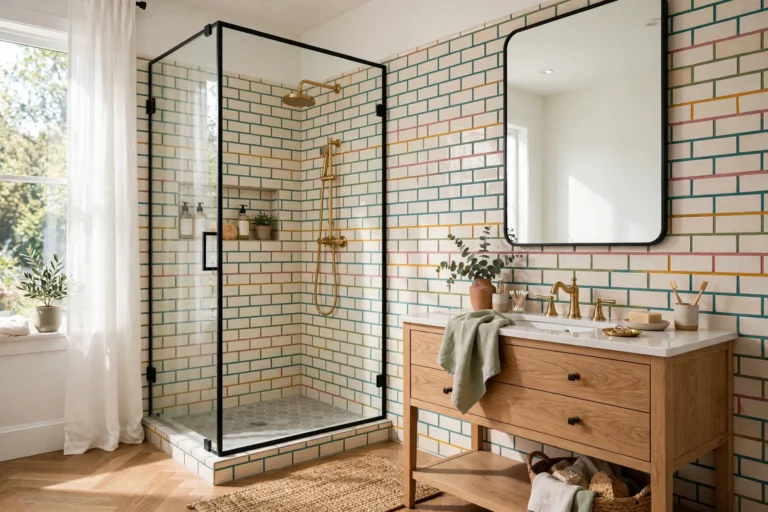
Glass tile in soft aqua, seafoam, and pale turquoise captures light like water and makes a gorgeous vanity backsplash or shower niche accent. Because glass tile is translucent, the thinset color shows through — use a bright white thinset (never gray) to keep the colors true. A full wall of glass tile can be pricey, so consider using it as a single horizontal accent stripe in the shower or just behind the vanity where it gets maximum visibility for minimum square footage. Wipe it down weekly; glass shows water spots more than ceramic does.
13. Place a Freestanding Tub Near the Window
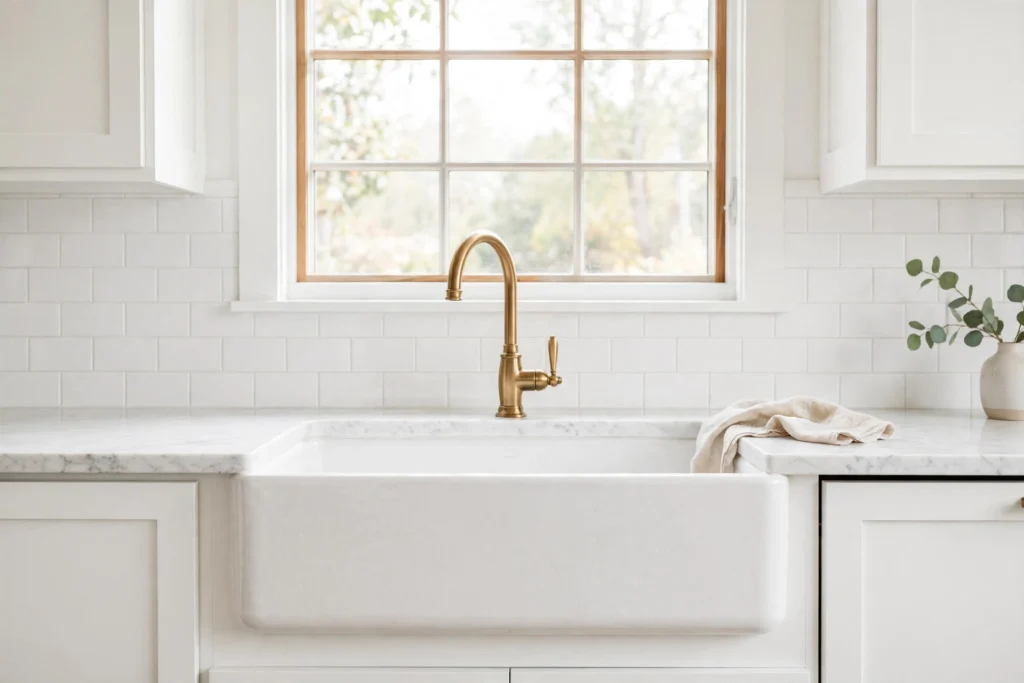
If your layout allows it, a freestanding soaking tub positioned under or near a window is the ultimate coastal bathroom statement — it turns bathing into a view. You need roughly 30 inches of clearance around the tub for cleaning and a floor rated for the filled weight (a 60-gallon tub plus bather can exceed 700 pounds, so check with a contractor on upper floors). Pair the tub with a floor-mounted filler in brushed brass and a small teak stool for a book and a candle. Even without an ocean view, daylight on water in a white tub reads unmistakably coastal.
14. Add Humidity-Loving Greenery
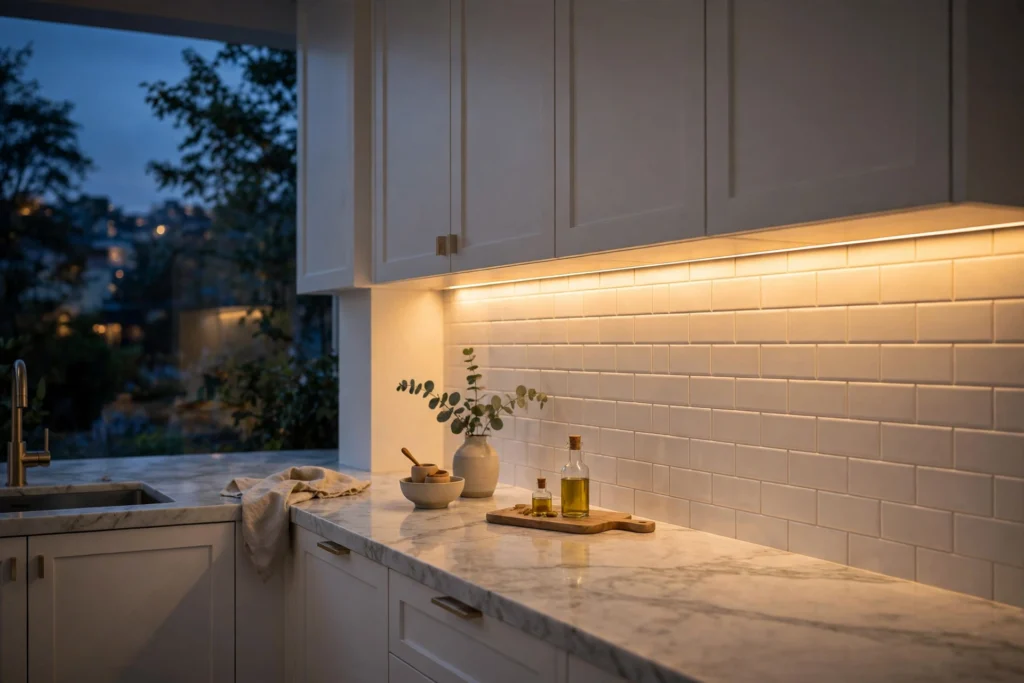
Plants thrive in bathroom humidity, and a touch of green keeps a blue-and-white palette from feeling cold. Boston ferns, pothos, and spider plants all tolerate lower light and love the steam from a daily shower; hang a fern in a woven basket from the ceiling or set a pothos on an open shelf to trail down. Avoid placing plants where they will be hit directly by shower spray, and choose pots with drainage trays so water never pools on wood surfaces. If your bathroom has no window, a high-quality faux fern in a seagrass pot gives the same softness with zero maintenance.
15. Finish with Subtle Nautical Art and Accessories
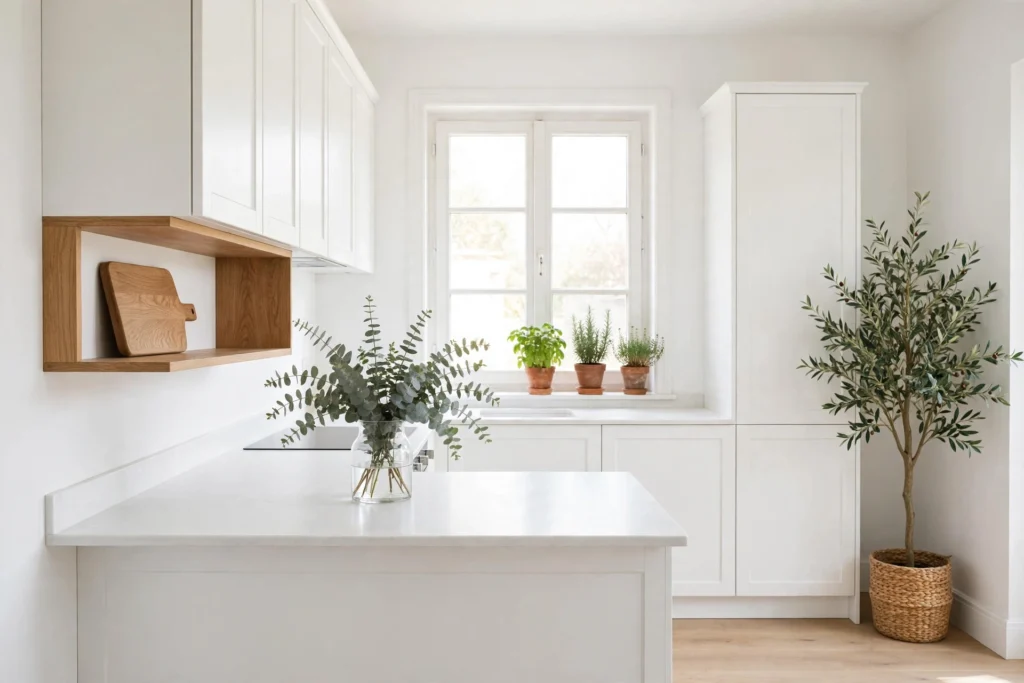
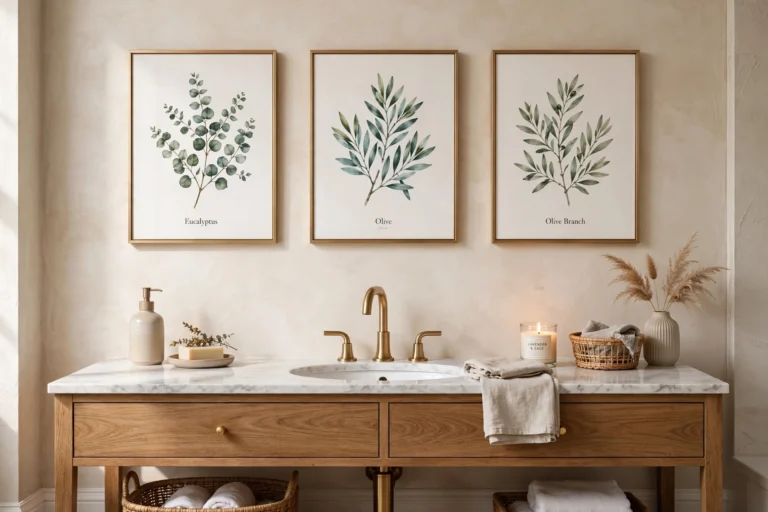
The final layer is art and accessories — kept subtle. One framed vintage beach print, a striped Turkish towel on a hook, a ceramic soap dish shaped like a shell: these small nods complete the story without shouting it. Avoid the trap of matching anchor-everything sets; a single rope detail or one piece of ocean art has more impact than a dozen themed trinkets. Step back and remove one accessory before you call it done — coastal style should feel like a deep breath, and editing is what keeps it serene rather than souvenir-shop.
Frequently Asked Questions
What colors work best for coastal bathroom design ideas?
The classic coastal palette is warm white, soft sand beige, sea-glass blue, and pale aqua, grounded with weathered wood tones. Keep whites dominant (about 60 percent of the room), add one blue as your main accent, and use wood and natural fiber textures for warmth. Avoid navy-heavy schemes unless you want a more nautical look — true coastal style stays light and sun-bleached rather than dark and maritime.
How can I get a coastal look without renovating?
You can capture most of the coastal feeling with surface-level changes: paint the walls a warm white, swap in sheer linen curtains, add a jute rug and seagrass baskets, change cabinet hardware to brushed brass, and style open shelves with shells and folded white towels. These are among the most budget-friendly coastal bathroom design ideas because none require plumbing or tile work, and the whole transformation can happen in a weekend.
What is the difference between coastal and nautical bathroom decor?
Coastal decor is inspired by the beach itself — light, airy, natural, with whites, sands, and soft blues. Nautical decor is inspired by sailing and the sea as a workplace — darker navies, ropes, anchors, ship wheels, and stripes. Coastal feels like a breezy beach house; nautical feels like a yacht club. Most people asking for coastal bathroom design ideas want the former, so lean into natural textures and sun-bleached colors rather than literal maritime symbols.
Which materials hold up best in a humid coastal-style bathroom?
Porcelain and ceramic tile are the most forgiving, followed by sealed natural stone and glass tile. For wood, choose teak or whitewashed oak sealed with marine-grade polyurethane, and prefer PVC beadboard over MDF near wet zones. Natural fibers like jute and seagrass are fine for rugs and baskets but should stay out of direct splash areas. Always run the exhaust fan during and 20 minutes after showers — no material survives chronic dampness, coastal or otherwise.
Keep Exploring
A coastal bathroom is never really finished — it evolves as you find the perfect shell, the right shade of sea-glass paint, or a vintage mirror with just the right patina. Start with the light base and one or two textures you love, live with them for a while, and add layers slowly. The breeziest beach bathrooms are the ones that feel collected over time, not decorated in a day.