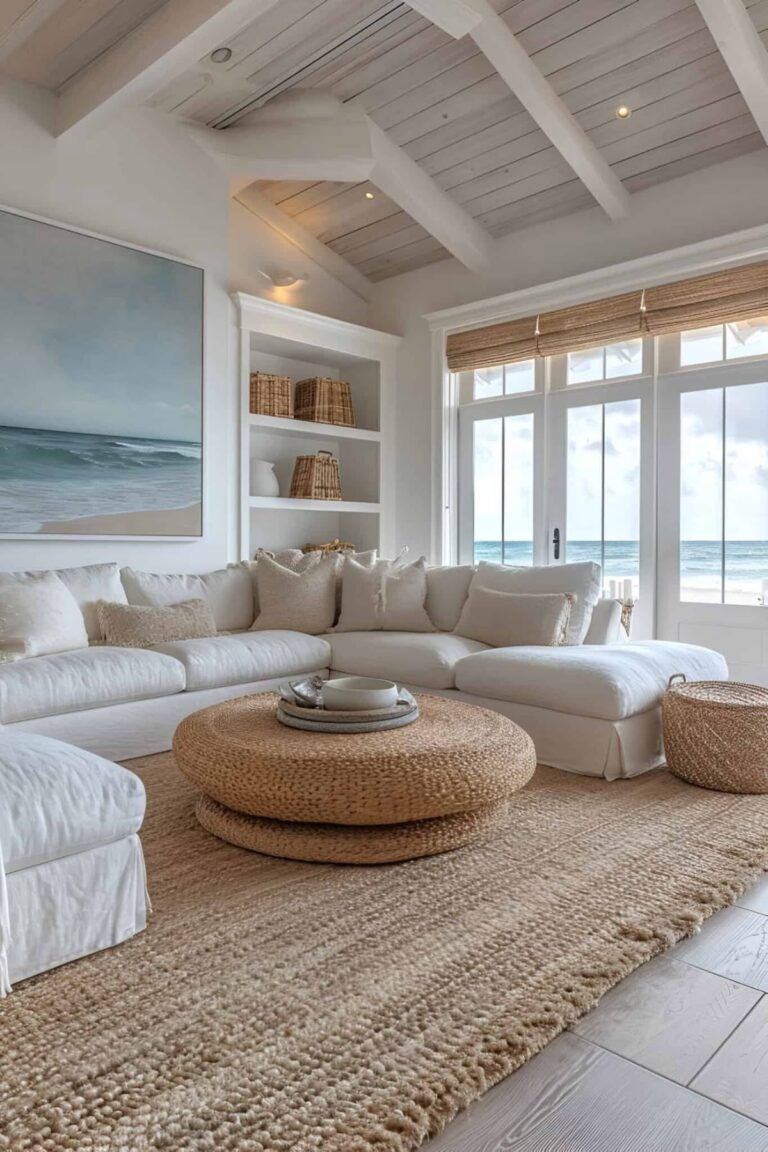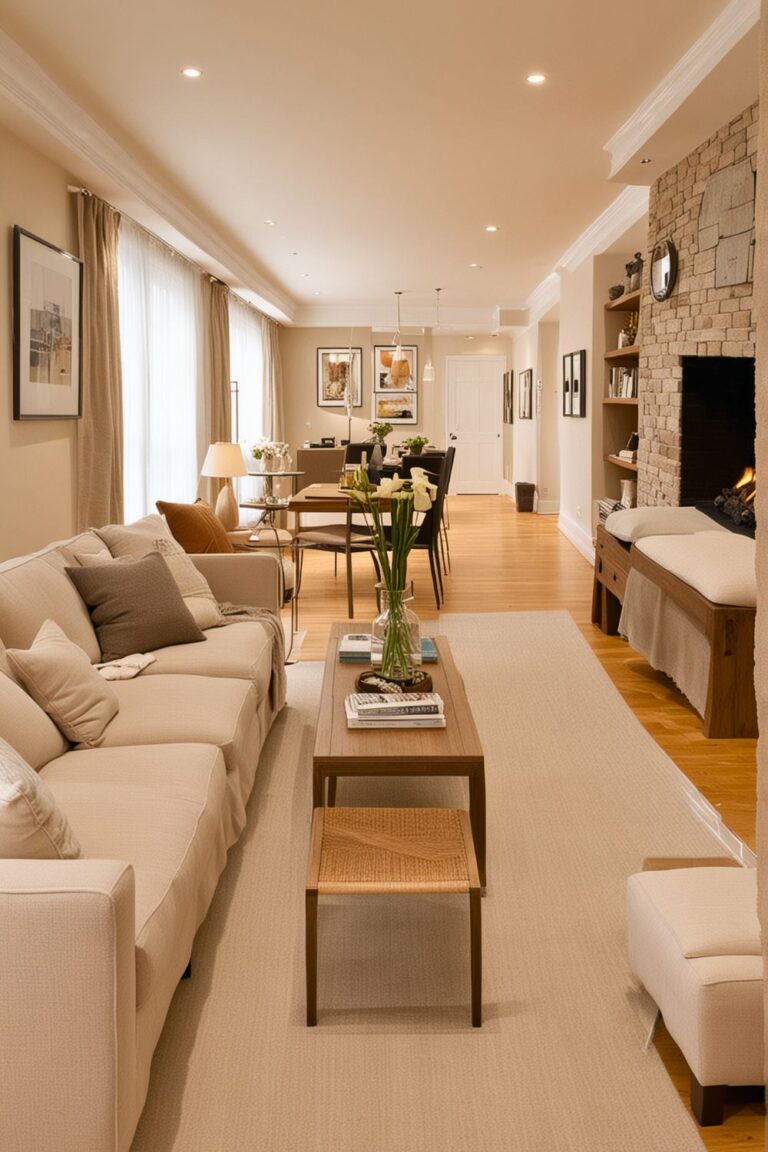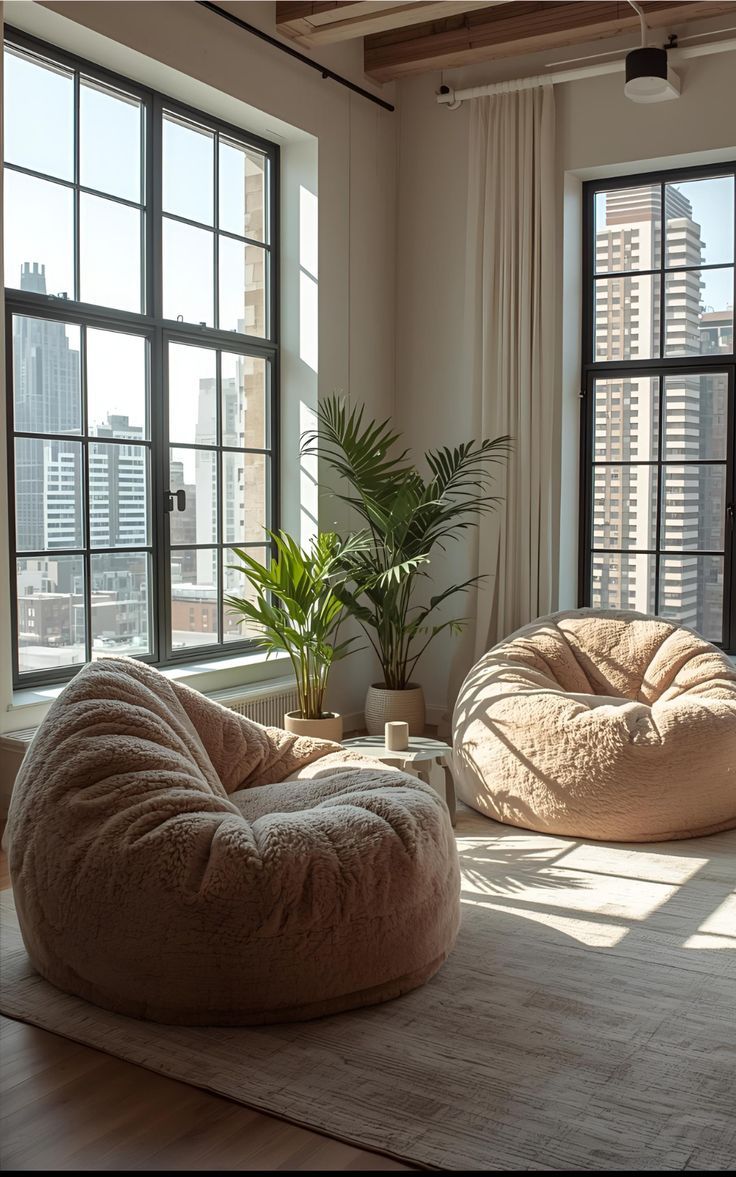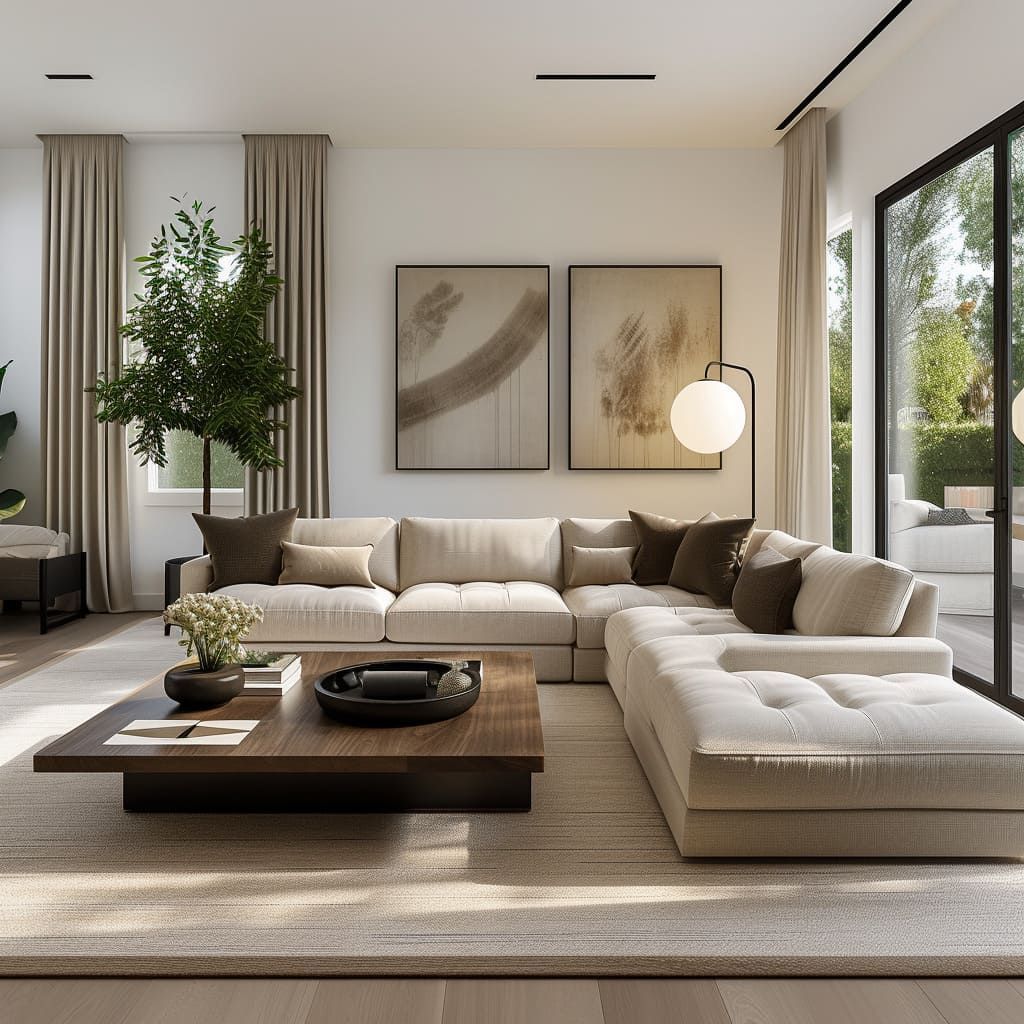

There is something almost universally soothing about a Scandinavian living room. The pale walls. The warm pools of lamplight. The sheepskin draped over a simple wooden chair. The single perfect plant in a clay pot. The quiet sense that everything in the room has been chosen with care and nothing is there by accident.
Scandinavian design has captured the imagination of the entire world — and it’s easy to see why. In a world that often feels loud, rushed, and overwhelming, the Nordic approach to home offers something genuinely radical: simplicity, warmth, and intentional beauty.
The best part? You don’t need to live in Stockholm or Copenhagen to bring this aesthetic home. You don’t need an unlimited budget, a perfectly proportioned apartment, or a complete renovation. You just need to understand the principles — and then apply them, one beautiful decision at a time.
These 13 Scandinavian living room design ideas will show you exactly how.
━━━━━━━━━━━━━━━━━━━━━━━━━━━━━━━━━━━━━━━━
1. Start With a Soft, White-Based Colour Palette
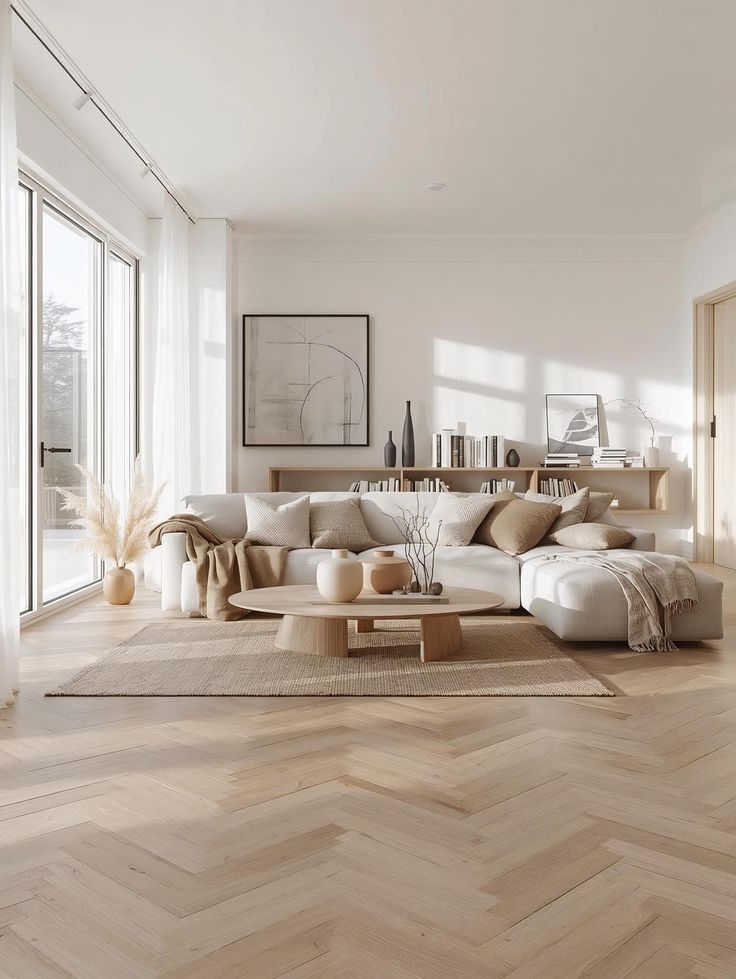
The Scandinavian colour palette begins with white — but not a cold, stark, blue-toned white. Nordic whites have warmth built in: a hint of cream, the faintest whisper of grey or beige. These warm whites reflect the precious northern light beautifully and make rooms feel bright without feeling clinical.
Build outward from your warm white base with soft neutrals: pale putty, dusty linen, warm grey, and sand. Add depth through texture rather than colour — a chunky knit in ivory, a smooth ceramic in pale grey, a linen cushion in warm white. This tonal, layered approach to colour is the secret behind the effortless, cohesive quality of Scandinavian living rooms. It looks simple because it is — but it’s a deliberate, considered simplicity.
2. Maximise Every Drop of Natural Light
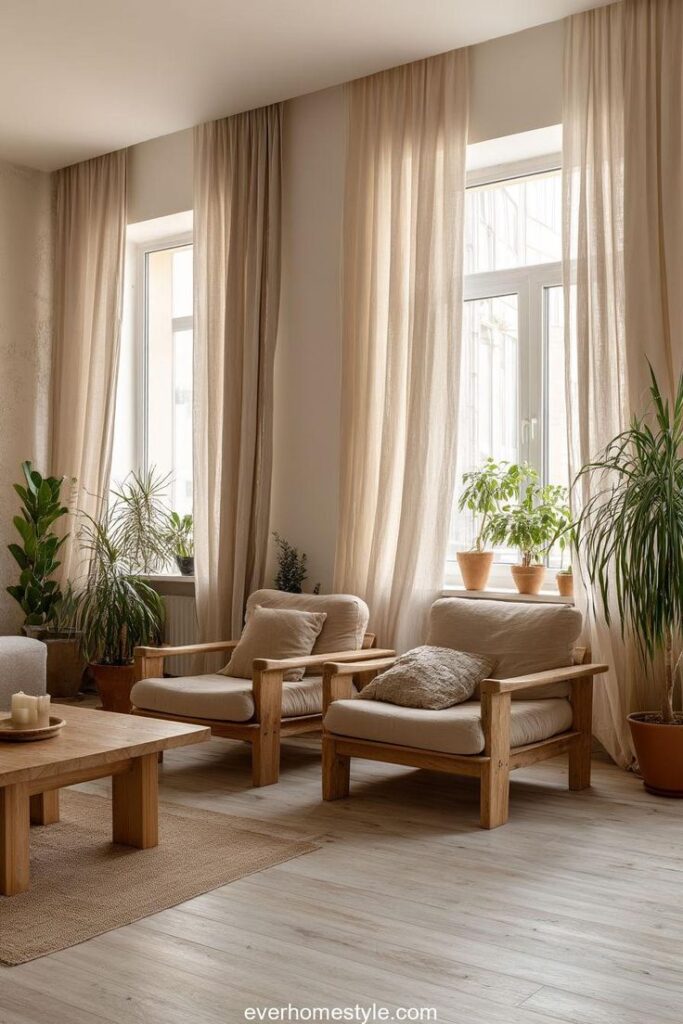
Scandinavian countries endure long, dark winters — which is precisely why Nordic design is so obsessed with light. Every design decision in a traditional Scandinavian home is made in service of maximising natural daylight: pale walls that reflect it, minimal window treatments that don’t obstruct it, mirrors that bounce it, and furniture arrangements that don’t block its path.
In your own living room, apply the same thinking. Hang curtains as high and wide as possible, choosing sheer linen or cotton voile in warm white. Remove heavy blinds or pelmet boxes. Place a large mirror on the wall opposite your main window. Keep the area closest to the window clear of tall furniture. These small adjustments can dramatically brighten a room that previously felt dim and closed-in.
3. Bring in Natural Wood at Every Opportunity
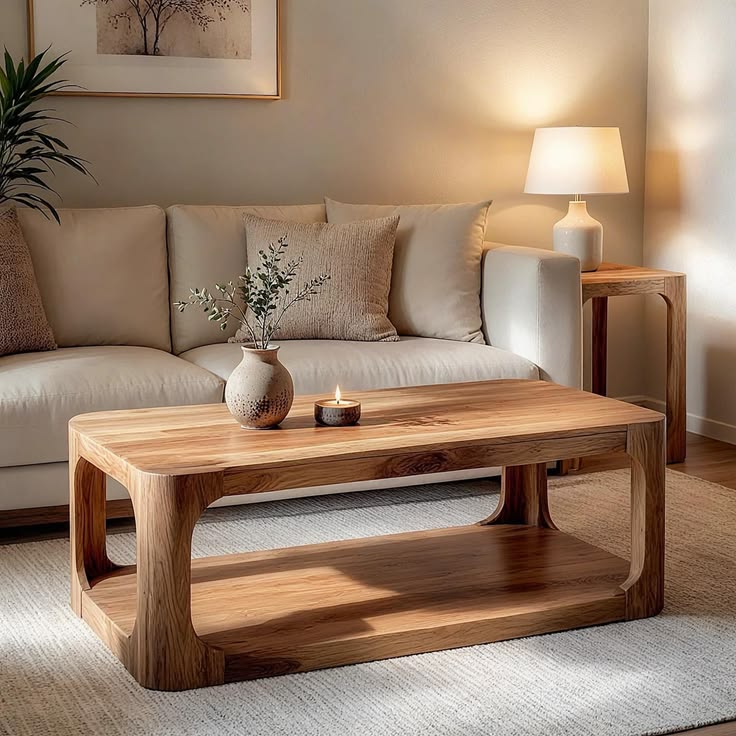
Wood is the material heart of Scandinavian design — and in a Nordic living room, it appears everywhere: the floor, the furniture legs, the shelving, the frames, the small objects on the coffee table. The preferred tones are light: pale ash, birch, and blonde oak are the classics, though warmer honey-toned pine and mid walnut also sit beautifully within the Scandi palette.
If a full wood floor feels out of reach, introduce wood through smaller elements: a solid oak side table, a pair of wooden picture frames, a simple wooden tray on the coffee table. The warmth and grain of natural timber against soft white walls creates an organic contrast that no painted or laminate material can replicate. Even a single beautiful wooden object shifts the quality of a room noticeably.
4. Embrace Hygge: Design for Cosiness
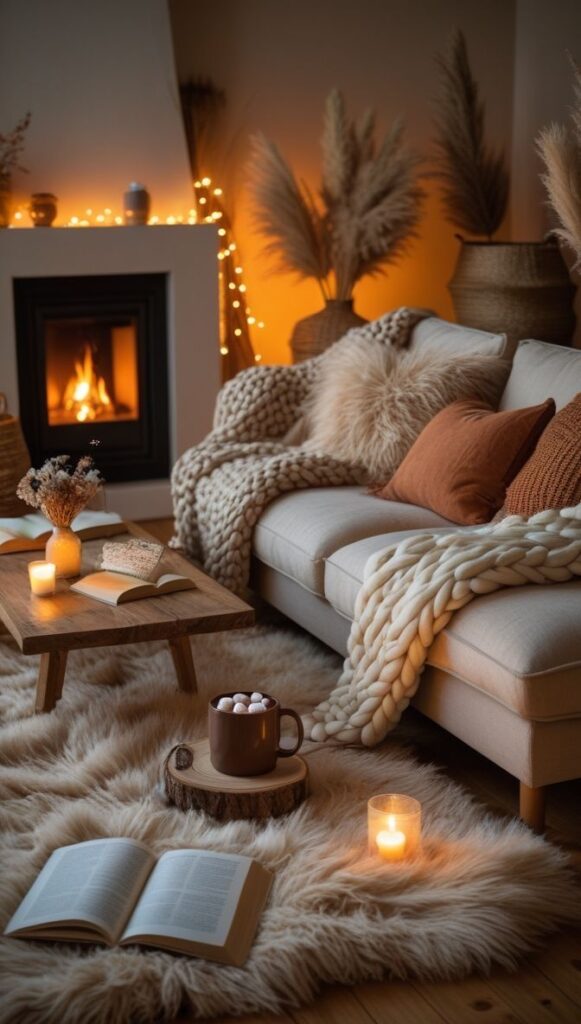
Hygge — the Danish and Norwegian concept of cosiness, comfort, and togetherness — is perhaps the most important idea in Scandinavian interior design, and it’s what separates a cold, minimal Nordic room from a warm, soul-nourishing one. Hygge is not a style; it’s a feeling. And you design toward it intentionally.
In practice, hygge in a living room means: a sheepskin or faux fur thrown over an armchair, a cluster of candles on the coffee table, a chunky knit blanket within arm’s reach, a reading lamp that pools warm light rather than flooding the room. It means creating corners and moments within the room that feel intimate and inviting — places where you actually want to curl up and stay. Hygge is the soul of the Scandinavian living room.
5. Choose Simple, Functional Furniture With Clean Lines
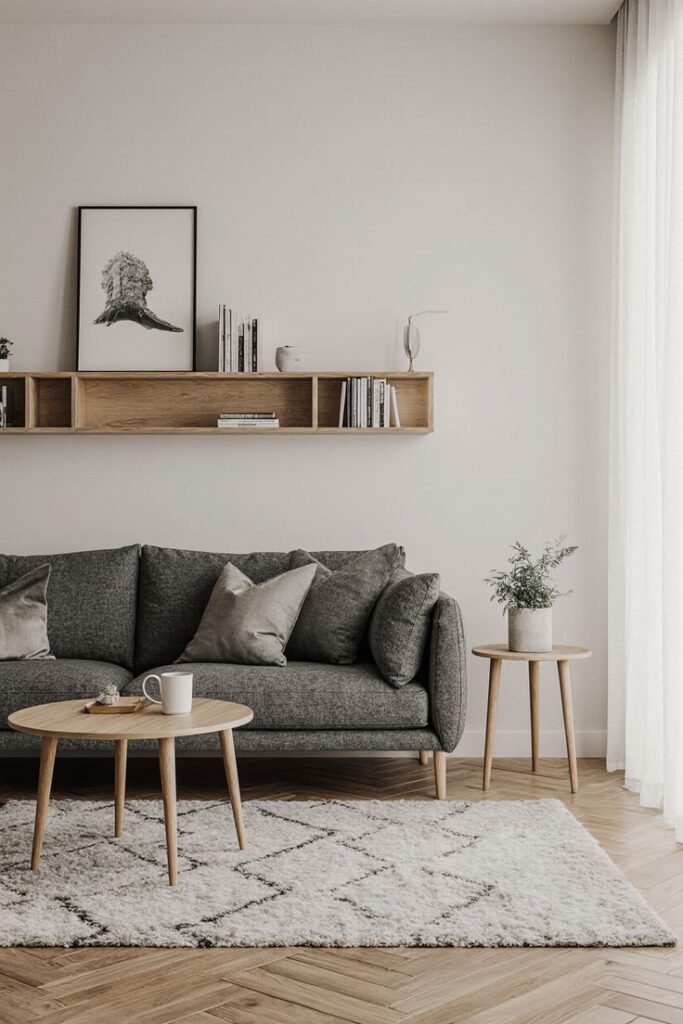
Scandinavian furniture design has a philosophy built into it: form follows function. Every piece should be beautiful and useful in equal measure. There is no room for purely decorative furniture that doesn’t earn its keep — but nor is there room for purely functional furniture that has no beauty. The two are always balanced.
When choosing furniture for a Scandinavian living room, look for clean lines, natural materials, and a certain quiet confidence of design. Sofas in linen or cotton, coffee tables in solid wood or pale stone, shelving in simple white or natural timber. Avoid heavy, ornate, or overly decorative pieces. The furniture should feel calm and considered — present, but not shouting for attention. Mid-century modern pieces blend especially beautifully with the Scandinavian aesthetic.
6. Layer Texture to Add Warmth Without Colour
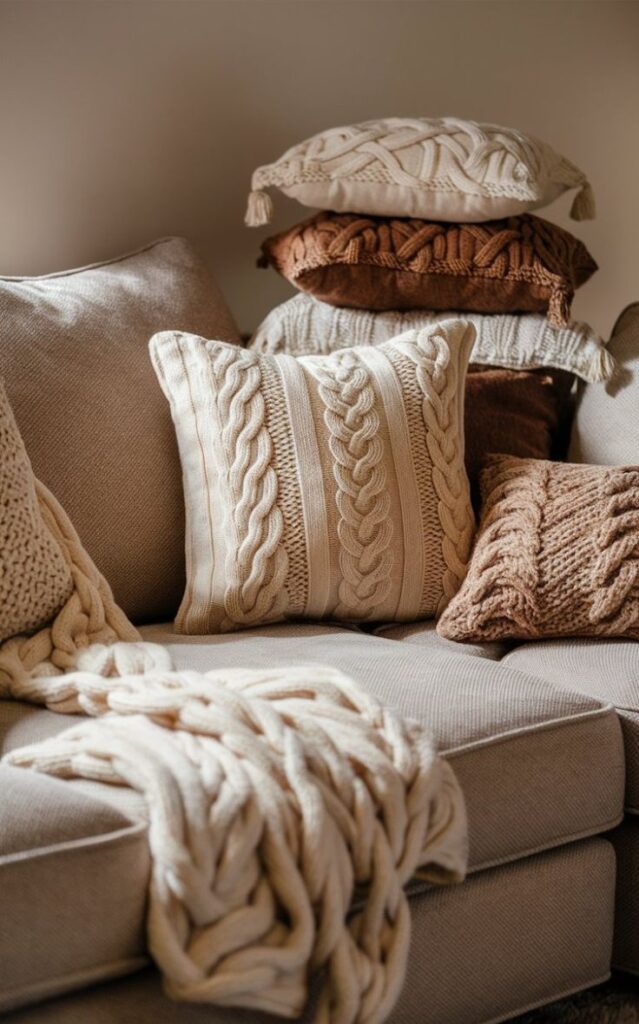
In a palette of whites, soft greys, and warm neutrals, texture is everything. It’s what prevents a Scandinavian living room from feeling flat, cold, or empty — and it’s what creates that irresistible tactile quality that makes you want to reach out and touch every surface.
Layer your living room with textures across every touchpoint: a linen sofa, a bouclé cushion, a chunky knit throw, a jute rug, a smooth ceramic lamp base, a rough linen shade. Each material catches light differently and adds a subtle dimension that the eye reads as richness and warmth. The rule is to vary texture freely while keeping colour restrained — stay within the same tonal family and let the interplay of materials do the decorative work.
7. Use Candlelight and Warm Lamps for Atmosphere
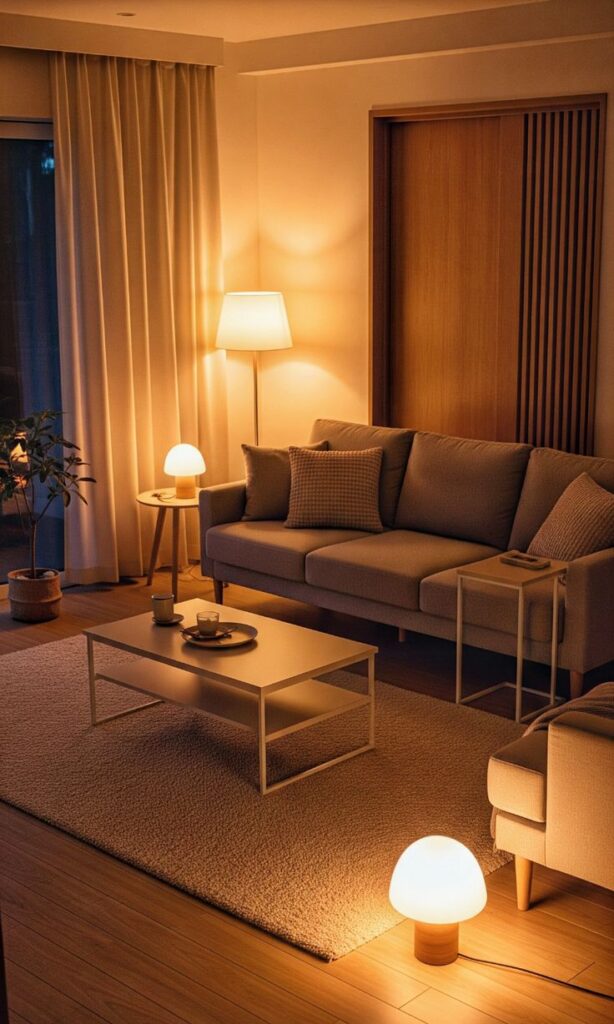
In Scandinavia, candles are not occasional — they are daily, year-round, essential. The Danes burn more candles per capita than any other country in the world, and walk into any Nordic home and you’ll understand why: the quality of candlelight against pale walls is unlike any other light source. It’s warm, flickering, alive — it makes rooms feel inhabited and loved.
Bring this into your living room with clusters of pillar candles in varying heights on the coffee table, windowsill, and mantle. Add warmth through table lamps and floor lamps in amber-toned bulbs (2700K or lower). Turn off overhead lighting in the evenings entirely and let the lower, warmer light transform your room into a genuine Nordic sanctuary. This single habit will change how your living room feels more than almost any design decision.
8. Add Organic Shapes and Curved Accents
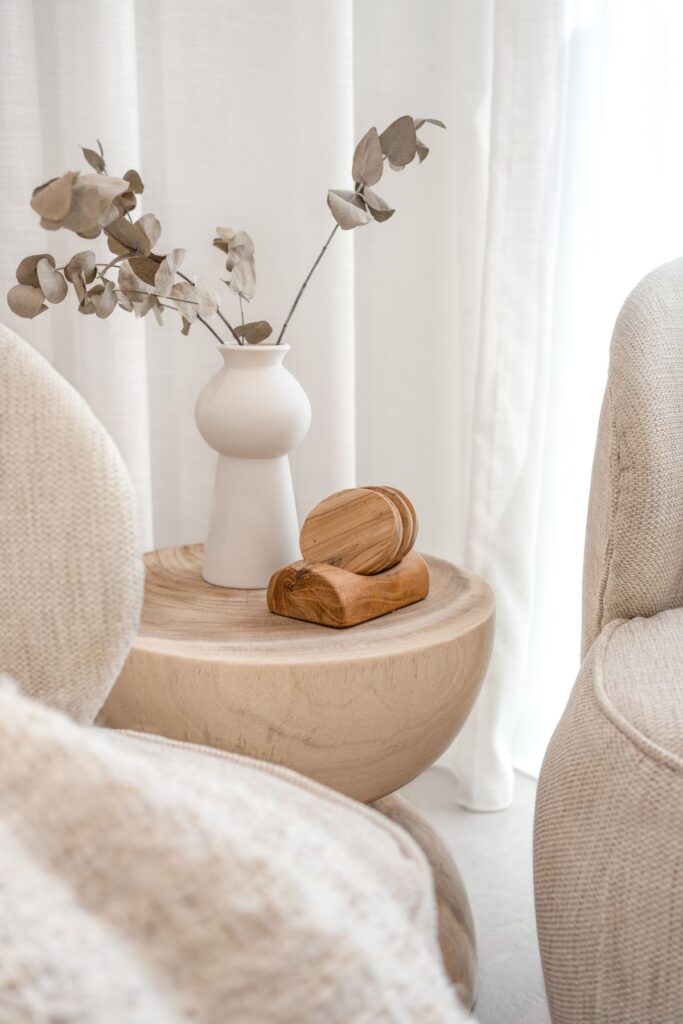
Contemporary Scandinavian design has evolved beautifully beyond the purely angular and geometric — today’s Nordic interiors embrace organic, curved forms alongside their classic clean lines. Round vases, oval mirrors, curved chairs, kidney-shaped trays, and softly arched lamps all bring a gentle, humanising quality that makes the room feel less rigid and more alive.
Incorporate organic shapes through your accessories and accent pieces: a round rattan side table, a curved bouclé armchair, a set of ceramic vessels in varying organic forms, a woven basket in a gentle oval. These soft shapes counterbalance the linear quality of Scandinavian architecture and furniture, creating a room that feels both designed and deeply comfortable. It’s the difference between a room that looks like a showroom and one that genuinely feels like a home.
9. Bring Nature Indoors With Plants and Botanicals
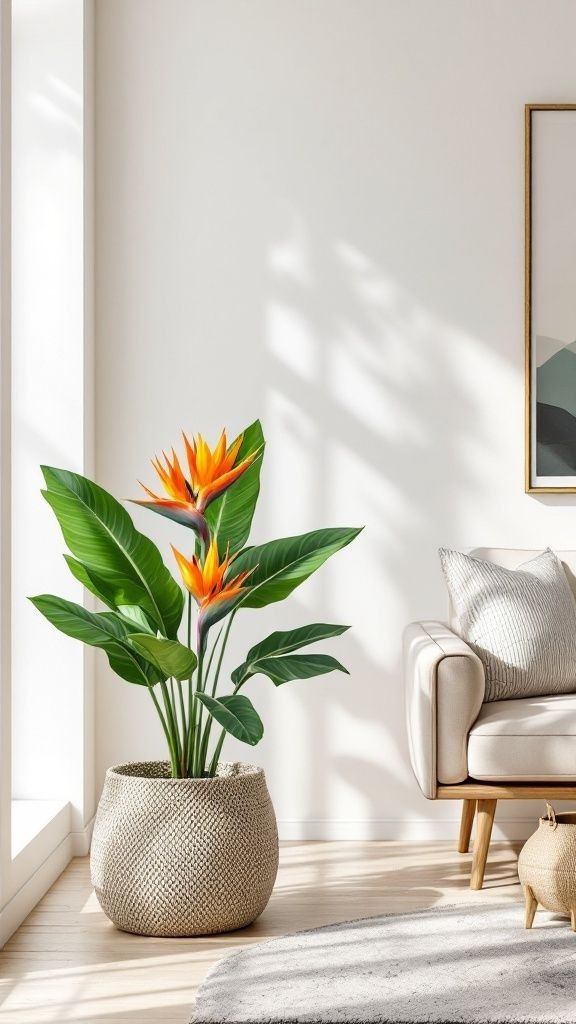
Nature is a constant presence in Scandinavian design — the forest, the coastline, the changing seasons are woven into the Nordic relationship with home. Bringing the outdoors in through plants, botanicals, and natural materials is not decorative in the Scandinavian tradition; it’s essential. Plants connect us to the rhythms of the natural world and have a measurable positive effect on our wellbeing.
In a Nordic living room, plants are chosen with the same considered simplicity as everything else: one large statement plant (a fiddle leaf fig, an olive tree, a monstera) in a simple clay or concrete pot, rather than a crowded collection of small ones. Add a trailing plant on a shelf, a single stem in a bud vase on the coffee table. Dried botanicals — pampas, eucalyptus, cotton stems — also bring beautiful organic texture without ongoing care.
10. Keep Shelving Minimal and Curated
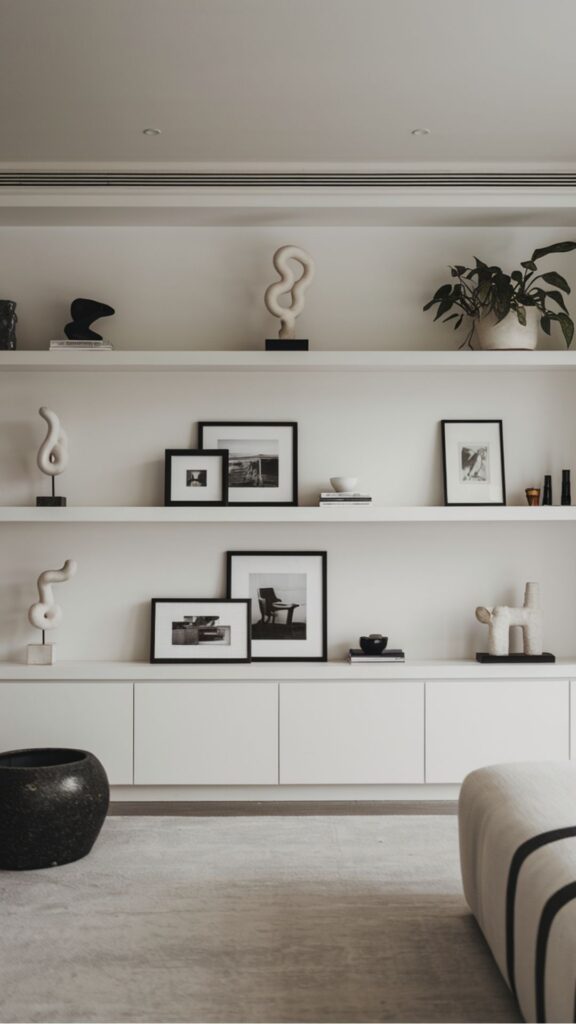
In Scandinavian homes, open shelving is styled with a discipline that makes each object feel significant. The Scandi approach is the polar opposite of the maximalist shelf — instead of filling every inch, you place objects sparingly, leave generous breathing space between groupings, and edit until only the most meaningful and beautiful pieces remain.
For your own shelving, try the half-empty rule: style your shelves, then remove one third of what’s there. What remains will almost always look better. Group objects in threes, vary the heights, mix a book or two with a single ceramic and one small plant. The negative space around your objects is as important as the objects themselves — it’s what gives each piece room to be seen and appreciated.
11. Choose a Simple, Striking Piece of Nordic Art
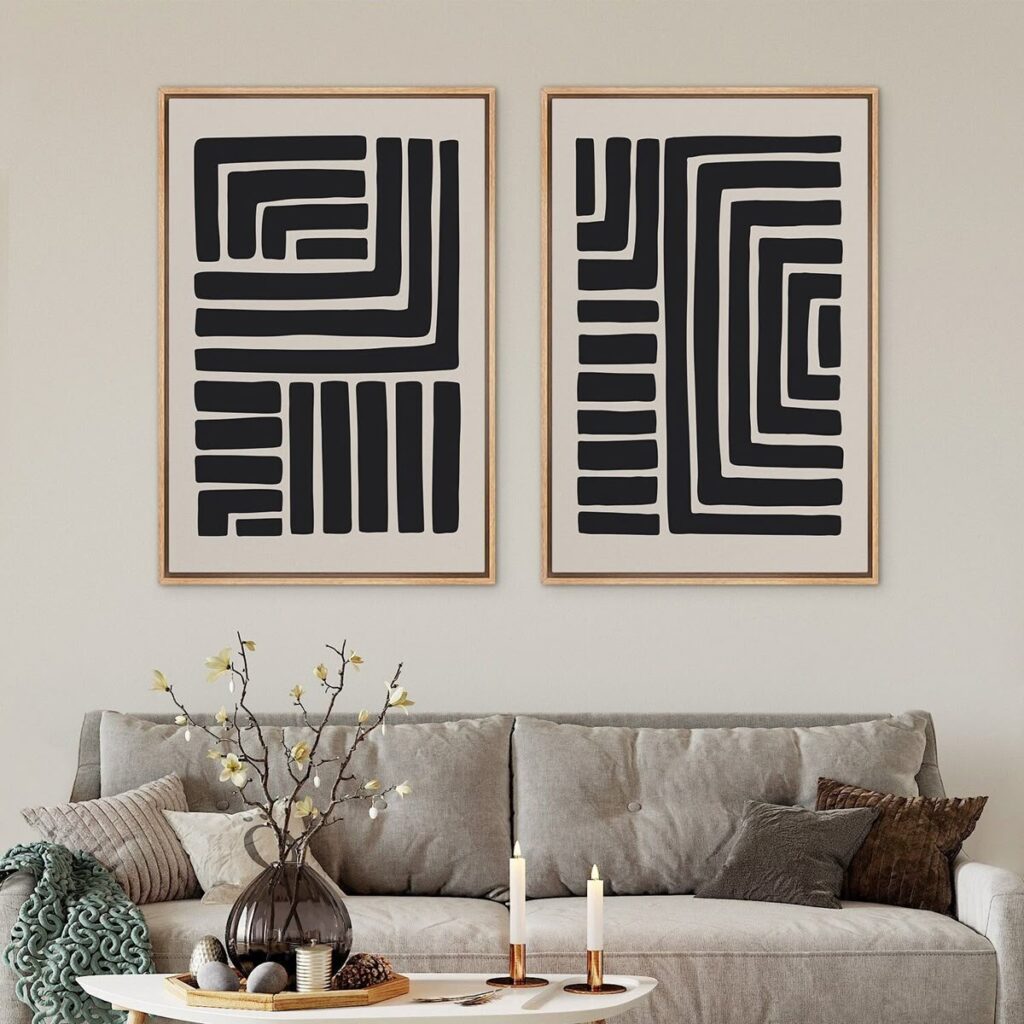
Art in a Scandinavian living room is chosen with the same restraint as everything else — and its impact is all the greater for it. One beautifully chosen, generously sized piece of art on an otherwise bare wall creates a focal point that feels considered and personal without overwhelming the calm of the space.
Nordic art tends toward the abstract: organic forms, botanical illustrations, simple line drawings, typographic prints in a quiet language. Black and white photography, charcoal sketches, and watercolour botanicals all sit beautifully within the Scandi palette. Choose a frame in natural oak, slim black, or warm white — and size up rather than down. One confident, large artwork does infinitely more for a room than a cluster of small frames fighting for attention.
12. Layer Rugs for Warmth and Definition
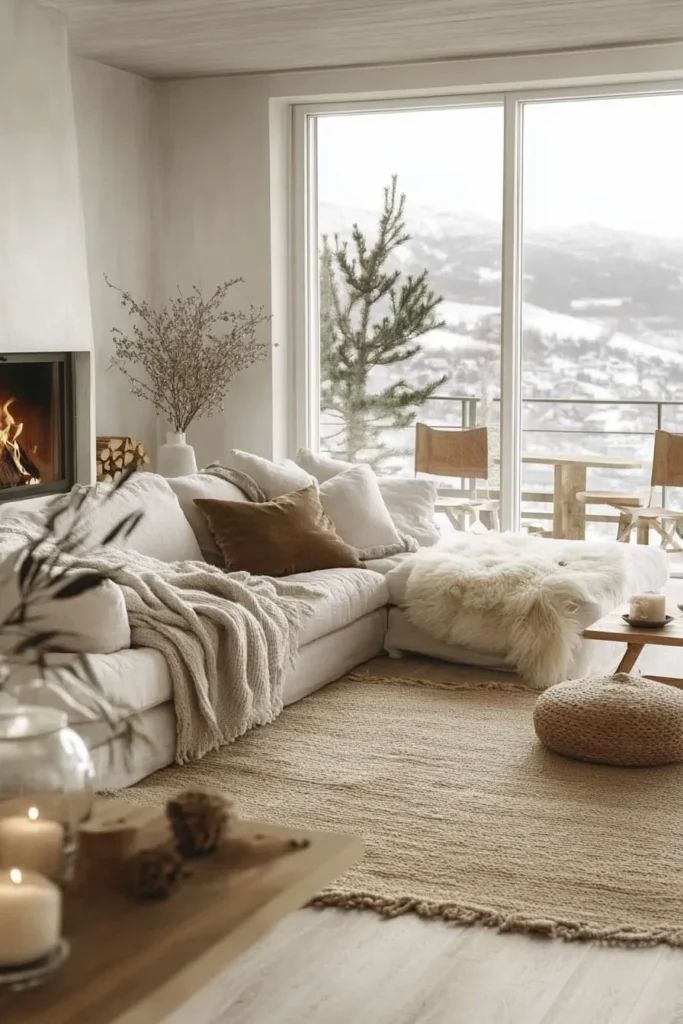
In a Nordic living room, rugs serve a deeply practical purpose as well as a beautiful one: they bring warmth to hard floors, soften acoustics, define the seating zone, and add layer upon layer of tactile texture. Scandinavian rug culture runs deep — from the hand-woven rya rugs of Finland to the flat-weave kelims of Denmark, textiles on the floor are as important as textiles on the sofa.
For a contemporary Scandi living room, consider layering two rugs: a larger, flat-weave wool rug in a warm neutral as the base, with a smaller, shaggier or more textured rug layered on top to create a cosy seating zone within a zone. Keep the colours tonal — cream, oatmeal, warm grey, pale blush — and choose natural fibres wherever possible. A well-layered rug arrangement is one of the coziest, most hygge-inducing things you can do for a living room.
13. Edit Constantly: The Scandi Commitment to Less
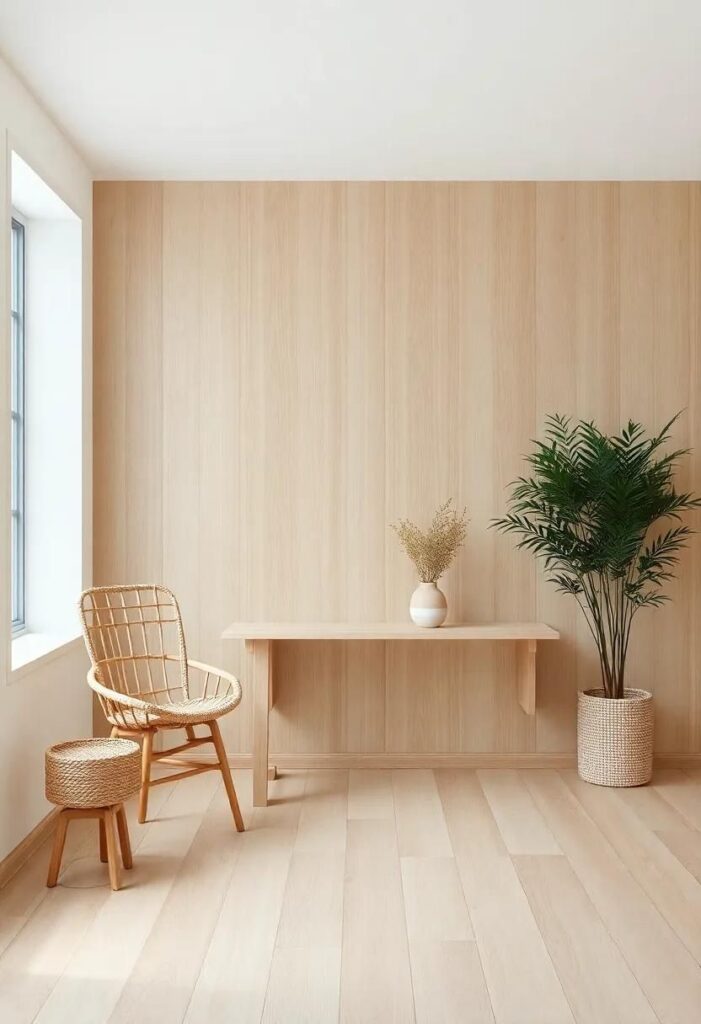
Here is perhaps the most important Scandinavian design idea of all, and the hardest for many of us to fully embrace: edit constantly. The effortless, calm quality of a Nordic living room is not accidental — it’s the result of ongoing, disciplined curation. Things come in; things go out. Nothing is kept out of guilt or habit. Only what is loved and used earns its place.
Make editing a regular practice. Every season, walk through your living room with fresh eyes and ask: does this add beauty or function? Would I notice if it was gone? Does this feel like me right now? Remove anything that doesn’t get an enthusiastic yes. The Scandinavian living room is never finished — it’s always being refined, slowly and lovingly, into the clearest possible expression of how you want to live. That ongoing intention is what makes it feel so consistently, beautifully right.
━━━━━━━━━━━━━━━━━━━━━━━━━━━━━━━━━━━━━━━━
A Scandinavian living room is not a style you impose on your home from the outside in. It’s something you grow toward, one intentional choice at a time: a warmer lamp, a sheepskin over a chair, a shelf cleared of everything that no longer sparks joy, a cluster of candles lit at dusk.
It’s a practice as much as an aesthetic — a daily, gentle commitment to living with less noise, more warmth, and greater beauty. And the extraordinary thing is that it’s available to anyone, in any home, at almost any budget. The principles are simple. The results are life-changing.
Start with the idea on this list that called to you most strongly. Light a candle tonight. Move that lamp. Order a sheepskin. Clear one shelf. The Nordic life you’re craving is much closer than you think.
Which Scandinavian idea are you bringing into your home first? Share your Nordic living room transformation in the comments — I’d love to see your cosy corner come to life!