
Of all the rooms in your home, the main bedroom is the one that matters most for your daily wellbeing — and the one that most often gets left last on the to-do list. We pour our attention and budgets into the living room, the kitchen, the spaces we share with others and show to guests. Meanwhile, the room where we begin and end every single day sits unfinished, unstyled, and quietly resented.
That ends here.
Your main bedroom deserves to be a room you love. Not just tolerate, not just sleep in — genuinely love. A room that makes you exhale when you walk into it. That holds you at the end of a hard day and starts you gently at the beginning of a new one. A room that is unmistakably, completely yours.
These 13 main bedroom design ideas will show you how to create exactly that space — from the structural decisions that define the room to the small, personal details that make it feel like nowhere else on earth.
━━━━━━━━━━━━━━━━━━━━━━━━━━━━━━━━━━━━━━━━
1. Start With the Bed — It’s Everything
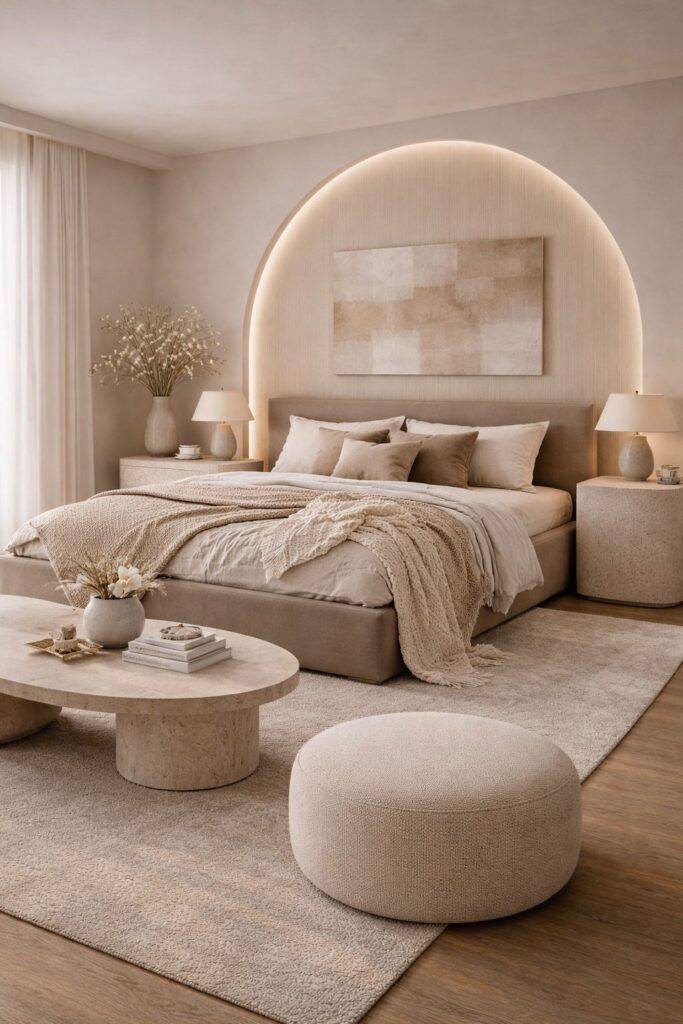
In a main bedroom, every other design decision radiates outward from the bed. Get the bed right — the frame, the headboard, the bedding — and the rest of the room has a clear, confident foundation to build from. Get it wrong, and no amount of beautiful accessories will make the room feel resolved.
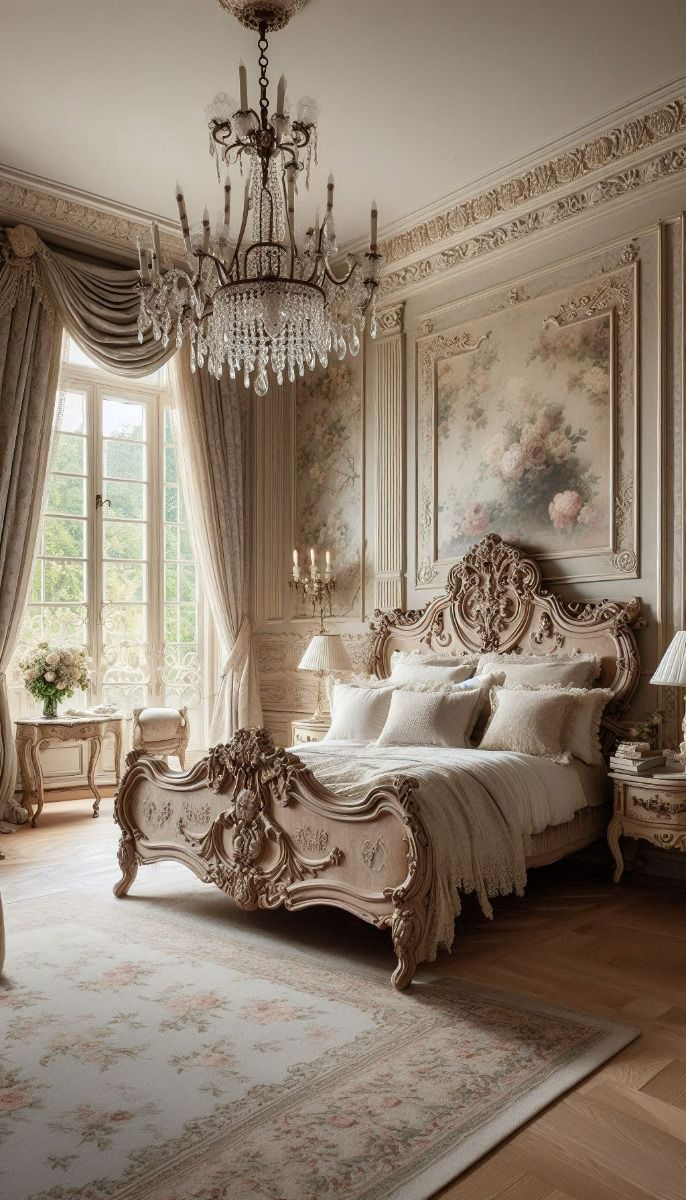
Choose a bed frame that makes a genuine statement: a tall upholstered headboard in velvet or linen commands the room with a sense of luxury and visual weight. A simple wooden frame in natural oak or walnut brings warmth and groundedness. A low-profile platform bed with clean lines reads as quietly contemporary and works beautifully with layered bedding. Whatever you choose, size up if budget allows — a generous bed in a main bedroom never feels too large, and an undersized bed always does. The bed is the room’s centrepiece. Invest in it as such.
2. Layer Your Bedding for Depth and Comfort
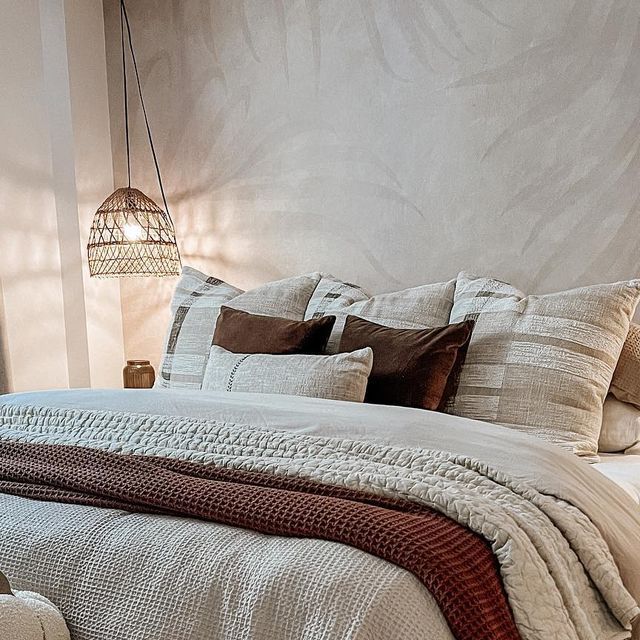
The way a bed is made and dressed is one of the most immediately visible indicators of bedroom quality — and learning to layer bedding beautifully is one of the simplest, most affordable upgrades you can make. A beautifully layered bed doesn’t just look good; it feels good, creating the visual invitation to rest that makes a bedroom feel genuinely welcoming.
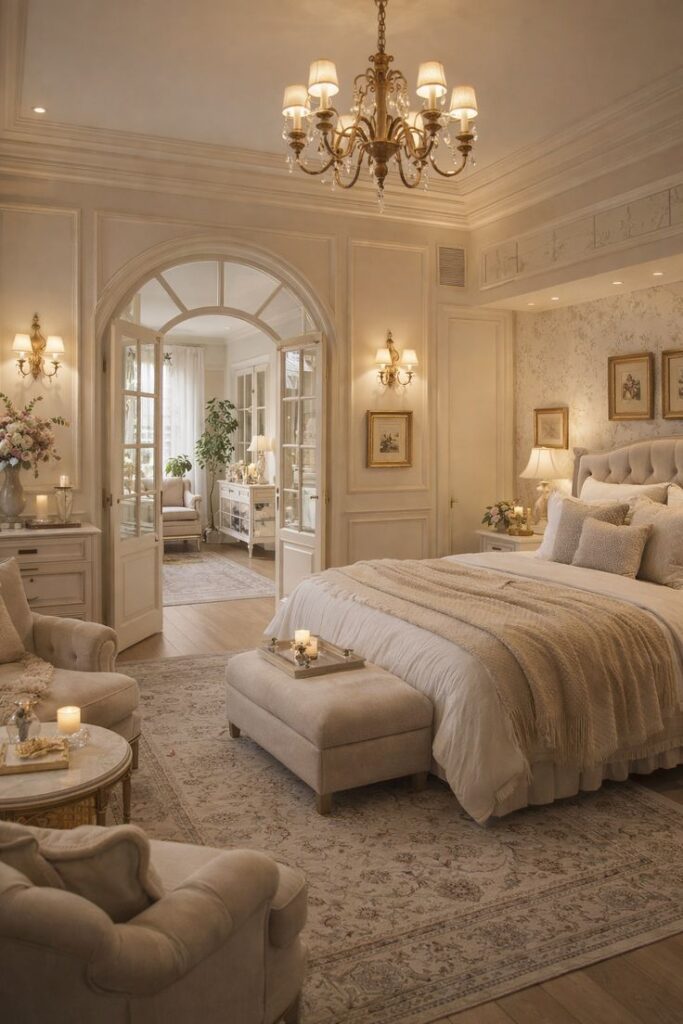
Start with a quality fitted sheet and duvet cover in a calm, neutral tone — crisp white, warm ivory, or soft grey. Add a waffle-weave blanket or throw folded at the foot for texture. Layer pillows with purpose: sleeping pillows in matching cases, two Euro pillows behind for height, and one or two cushions or a lumbar pillow in front for depth. A textural contrast between the bedding layers — smooth linen against chunky knit, crisp cotton against soft velvet — adds richness without requiring pattern or colour.
3. Choose a Colour Palette That Makes You Exhale
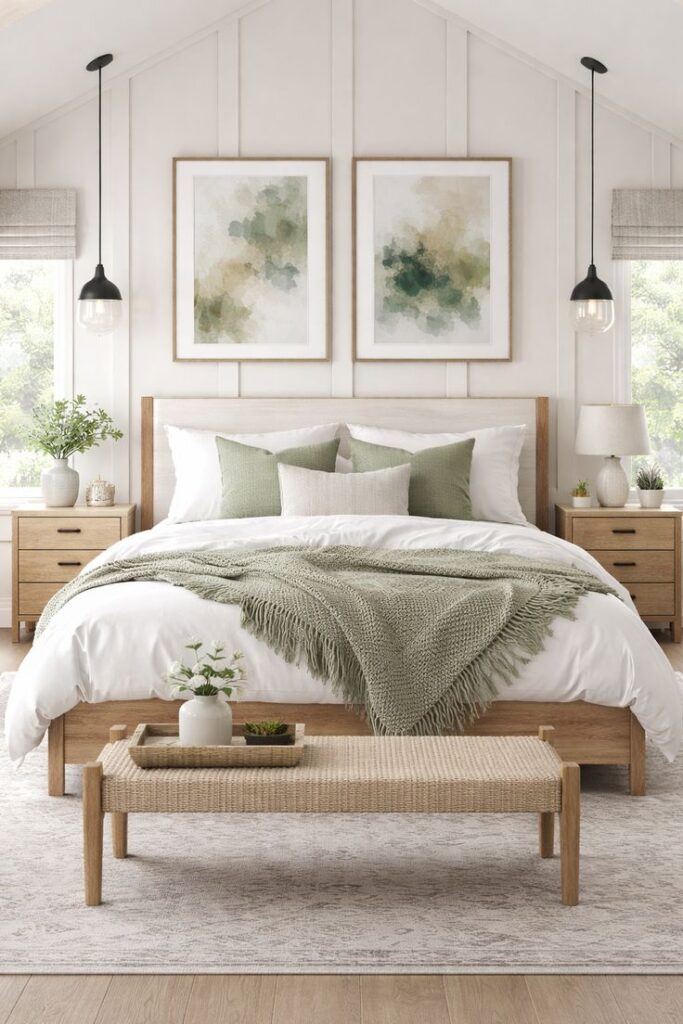
The colour palette of your main bedroom has a direct and measurable effect on how you feel in it — and in a room designed primarily for rest and restoration, this matters more than in any other room in the house. Colours that are stimulating (bright reds, electric blues, sharp greens) work against the room’s purpose. Colours that are calm, warm, and enveloping support it.
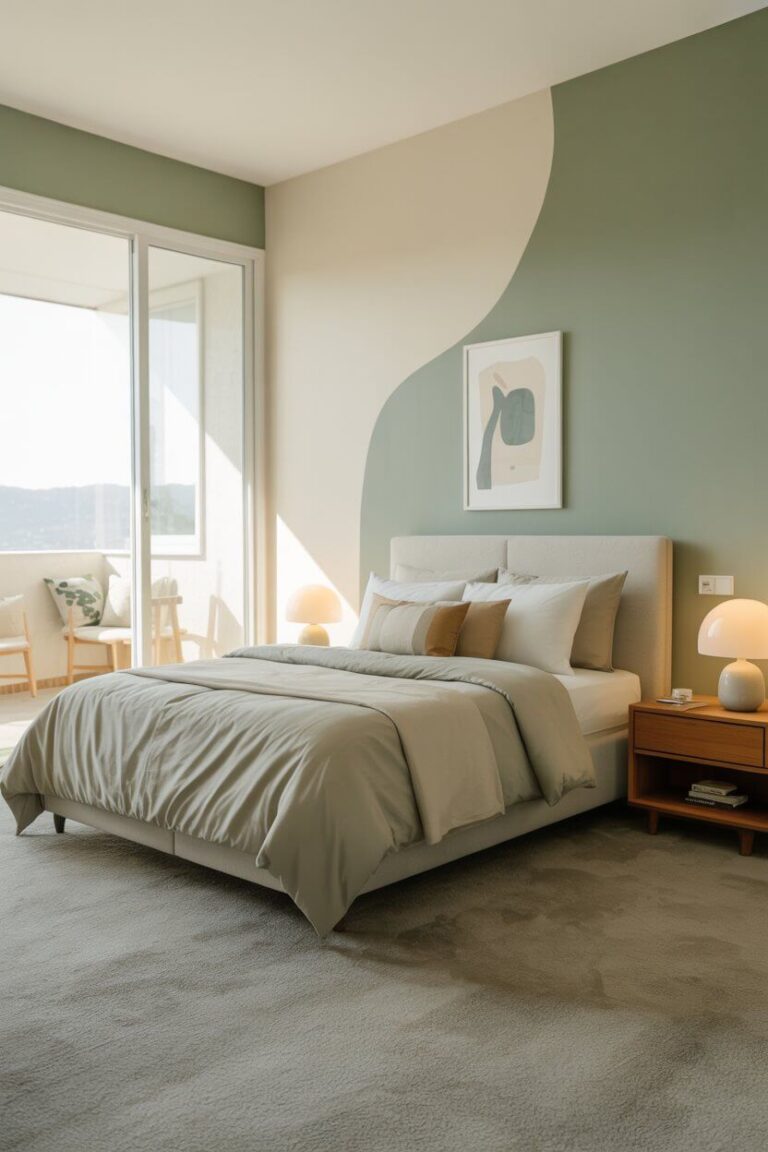
The most consistently beautiful main bedroom colour palettes are soft and warm: warm sage green, dusty blue, warm taupe, blush, terracotta, deep teal, and all the warm neutrals from ivory to warm grey. These colours change gently through the day as light shifts, reading as serene in bright morning light and deeply enveloping in the low lamplight of evening. Test your chosen colour at different times of day in the actual room before committing — a colour that disappoints at noon may be exactly right at 9pm, which is ultimately when it matters most.
4. Create a Headboard Wall That Anchors the Room
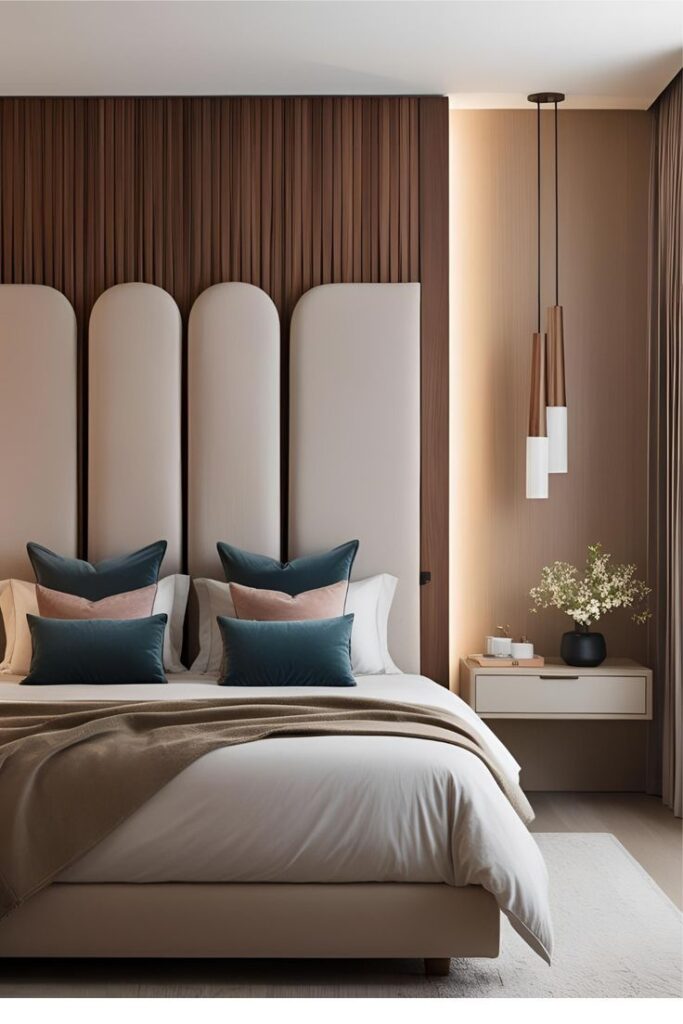
The wall behind the bed — the headboard wall — is the most important decorative surface in the main bedroom, and treating it as a deliberate design feature transforms the entire room. When the headboard wall is resolved and beautiful, the bedroom has an immediate sense of intention and quality that radiates outward to every corner.
Options for a beautiful headboard wall: paint it in a deeper tone of your chosen wall colour (or in a contrasting colour) to create a frame effect around the bed. Add panelling or a fabric panel behind the headboard for texture and warmth. Install a gallery wall of curated prints and photographs. Hang a large piece of art centred above the headboard. Even a single well-placed wall light on either side of the bed, symmetrically positioned, transforms this wall into a composed, intentional composition. Choose one approach and commit to it fully.
5. Get the Lighting Right — Especially by the Bed
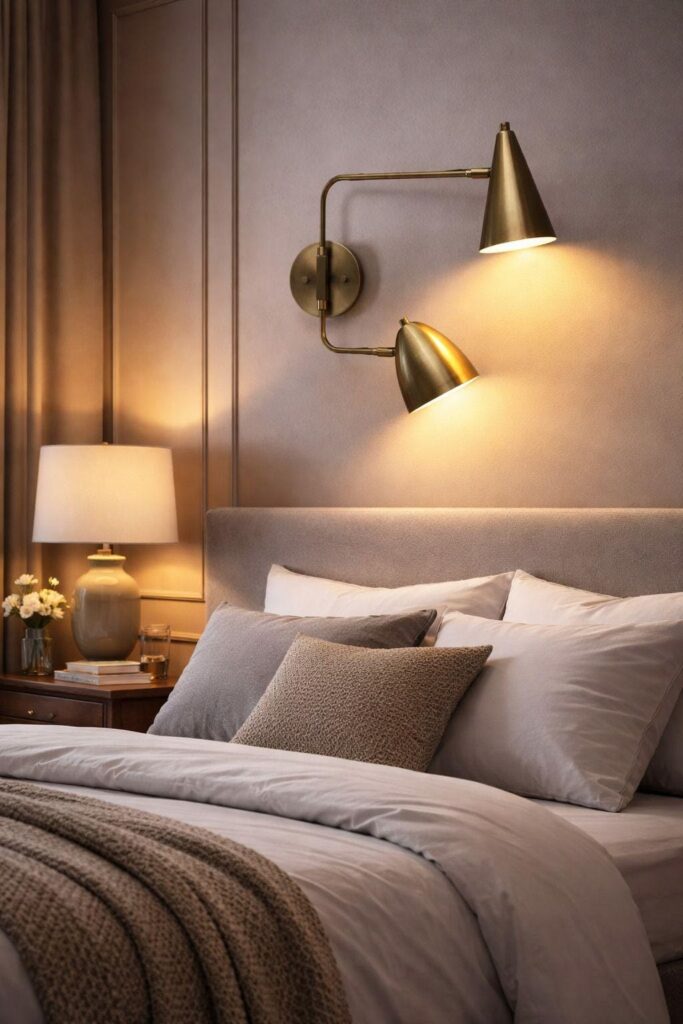
Bedroom lighting is one of the most underinvested and most impactful elements in a main bedroom — and getting it right changes the entire quality of the room’s atmosphere, particularly in the evening hours when it matters most. A single overhead light on a non-dimmable switch is the worst possible lighting solution for a main bedroom; it creates harsh, unflattering light and offers no flexibility for the transition between the bright functionality of early evening and the gentle dimness of sleep preparation.
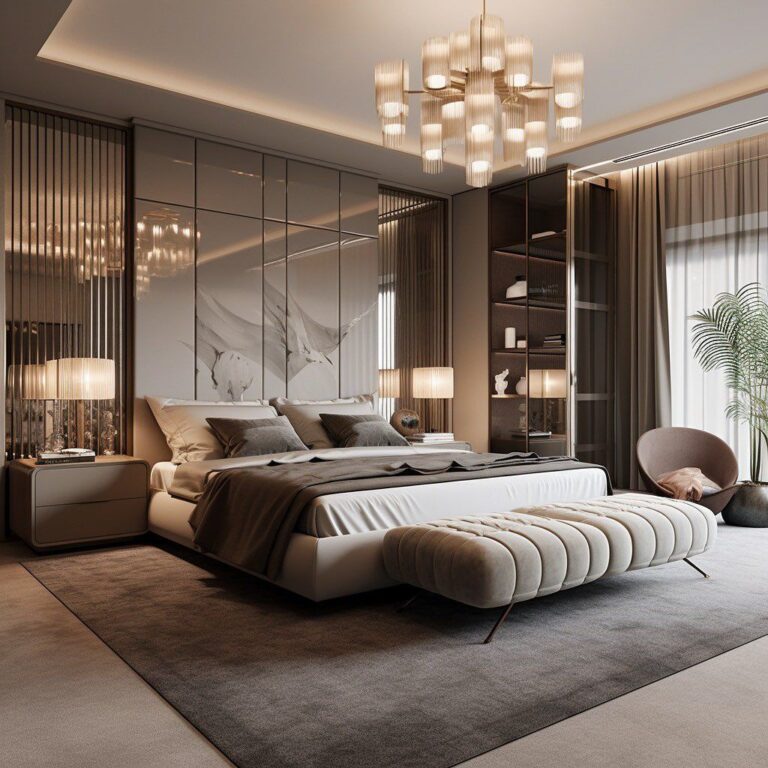
The ideal main bedroom lighting has at least three layers: a dimmable main overhead light for ambient illumination, bedside lighting for reading and intimate atmosphere (wall-mounted reading lights or table lamps), and a secondary lamp elsewhere in the room (on a dressing table or in a corner) for mood. All on separate switches or dimmers. Warm-toned bulbs throughout — 2700K or below — create the amber, restful quality of light that signals to the body that rest is approaching. This is the lighting investment that pays back in quality of sleep and quality of mornings.
6. Invest in Quality Window Treatments
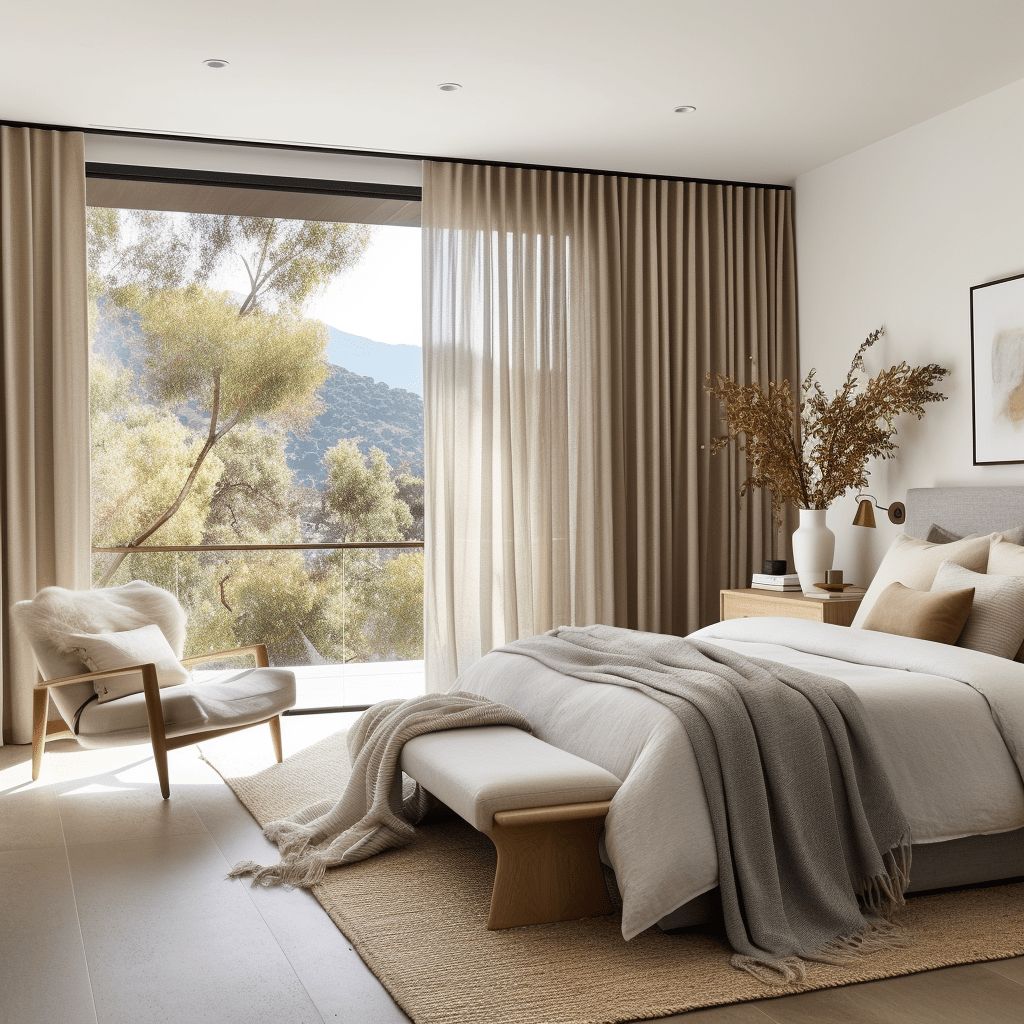
Window treatments in a main bedroom do more than provide privacy and block morning light — they define the room’s proportions, add architectural softness, and contribute more to the overall quality of the bedroom atmosphere than almost any other single element. A bedroom with beautiful curtains feels considered and generous; a bedroom with inadequate window coverings looks unfinished regardless of how beautifully everything else is styled.
Hang curtains at ceiling height (as high as possible, not just above the window frame) and allow them to drop to the floor — this makes the ceiling appear higher and the windows appear larger, both of which increase the room’s sense of space and generosity. Choose a fabric with weight and texture: linen, velvet, cotton twill, or interlined blackout. For a main bedroom, some degree of light blocking is almost always desirable — either a blackout lining or a blackout roller blind behind sheers provides the versatility to sleep late and still have beautiful window dressing during the day.
7. Arrange Furniture for Flow and Function
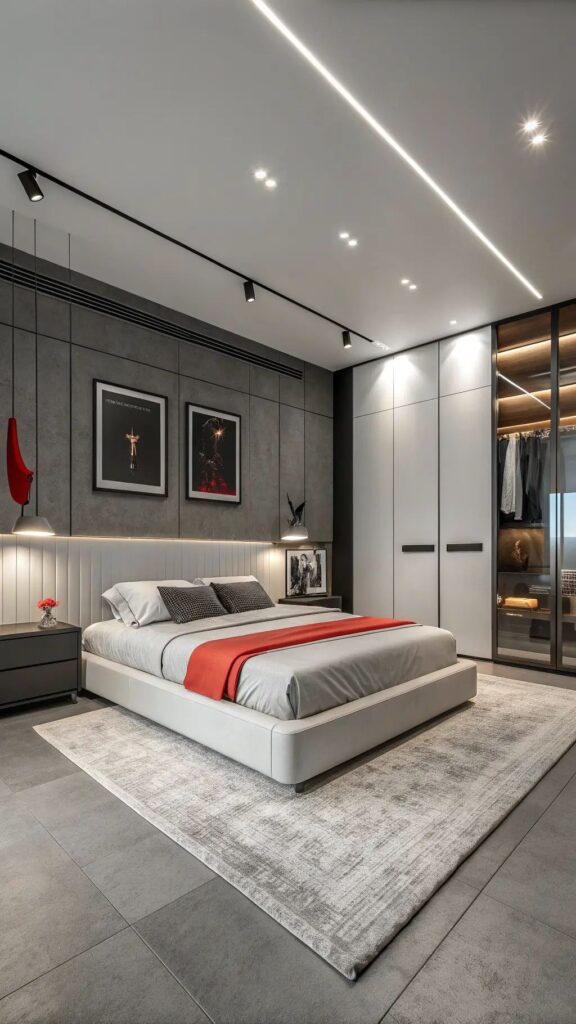
Furniture layout in a main bedroom is a design decision that profoundly affects how the room feels to live in — both practically and aesthetically. A well-laid-out bedroom feels spacious, easy to move through, and calm. A poorly laid-out one feels cramped and chaotic regardless of how beautiful the individual pieces are. The principles are straightforward but deserve deliberate attention.
The bed should be the room’s focal point, ideally centred on the longest uninterrupted wall with equal space on both sides (minimum 60cm on each side to allow for comfortable movement). Other furniture — bedside tables, chest of drawers, wardrobe — should be arranged to maintain clear circulation paths around the bed and to the door. Avoid blocking windows with tall furniture. Leave a clear view of the bed from the doorway — the first impression of a bedroom is always from the threshold. When the furniture layout makes natural sense, the room breathes.
8. Build in Wardrobe Storage That Disappears
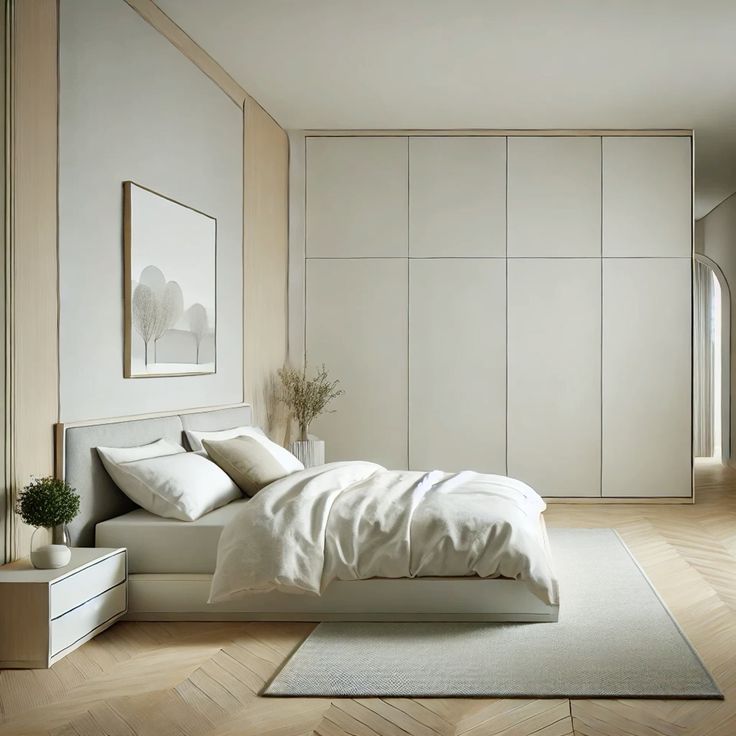
Wardrobe storage in the main bedroom is most beautifully resolved when it disappears into the architecture — when the storage becomes part of the room’s structure rather than furniture sitting within it. Built-in wardrobes that run floor to ceiling and wall to wall in a handleless, flush-fronted design create a surface that reads as a wall rather than furniture, leaving the room feeling dramatically calmer and more spacious than freestanding wardrobes ever can.
If built-in wardrobes aren’t possible within budget, choose freestanding wardrobes in a finish that matches or closely complements the wall colour — this creates the same near-disappearing quality at a lower cost. Inside, invest in a good organisation system: hanging rails at two heights, dedicated shelf sections, pull-out drawers, and a shoe section. Well-organised wardrobe storage means the doors stay closed, which means the bedroom stays calm. The most important wardrobe design principle: whatever is inside should stay inside.
9. Add a Dressing Table or Vanity Area
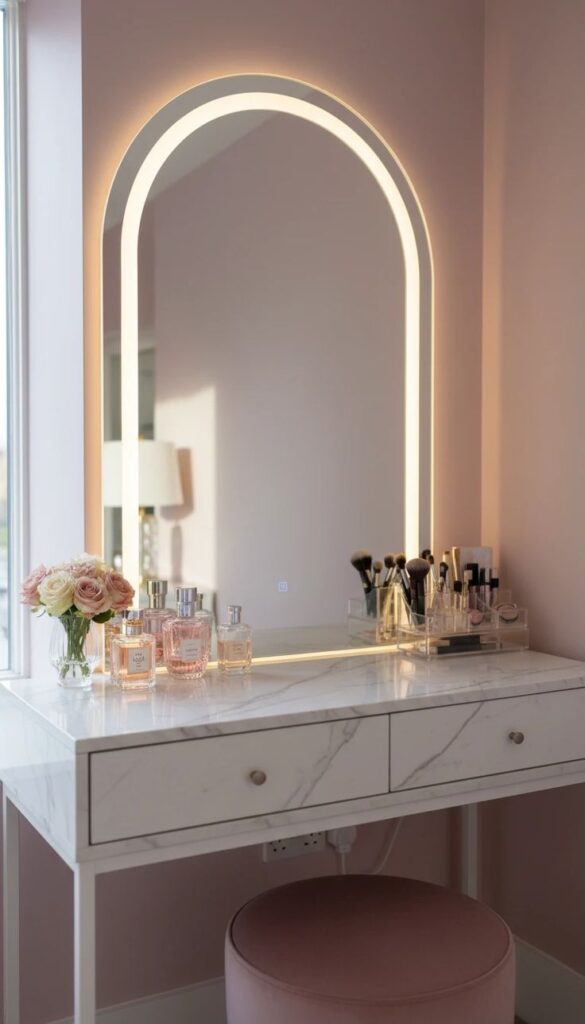
A dedicated dressing table or vanity area in the main bedroom is one of those additions that seems like a small luxury until you have one — and then becomes something you cannot imagine living without. A space specifically designed for the rituals of getting ready in the morning: doing your make-up, applying skincare, getting dressed with intention. A private moment of preparation that starts the day on a considered, unhurried note.
A dressing table doesn’t need to be large — a simple console table with a mirror above and an upholstered stool below occupies minimal floor space but creates a beautifully functional and personally significant zone within the bedroom. Choose a mirror that flatters (warm-toned lighting on either side, or a Hollywood-style lighted mirror). Keep the surface edited — a small tray holding only your most-used and most beautiful products. A single flower. A scented candle. This area should feel like a treat every time you sit down at it.
10. Use Textiles to Build Warmth and Texture
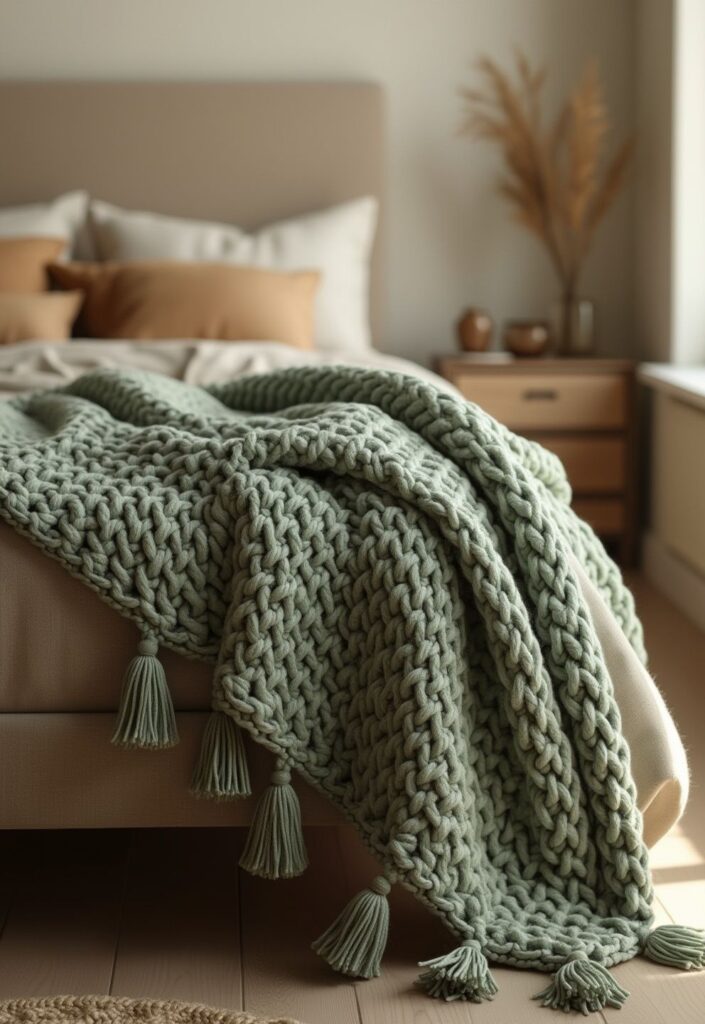
In a main bedroom, textiles are the primary source of warmth, texture, and sensory richness — and layering them thoughtfully is what separates a bedroom that looks beautiful in photographs from one that feels beautiful to actually inhabit. The right collection of textiles makes a bedroom feel like a place you want to sink into; too few, and even a well-designed room feels cold and incomplete.
Layer textiles freely and with attention to contrast: crisp cotton sheets under a heavy linen duvet cover. A chunky knit throw at the foot of the bed. Velvet cushions beside linen pillowcases. A soft wool rug beside a hardwood floor. A woven rattan beside table lamp. Each material should offer something different in texture, weight, and visual quality — and the accumulation of these differences is what creates the sense of layered warmth that makes a bedroom feel genuinely, deeply cosy. Natural fibres throughout — nothing synthetic where it can be avoided.
11. Bring in Plants and Living Elements
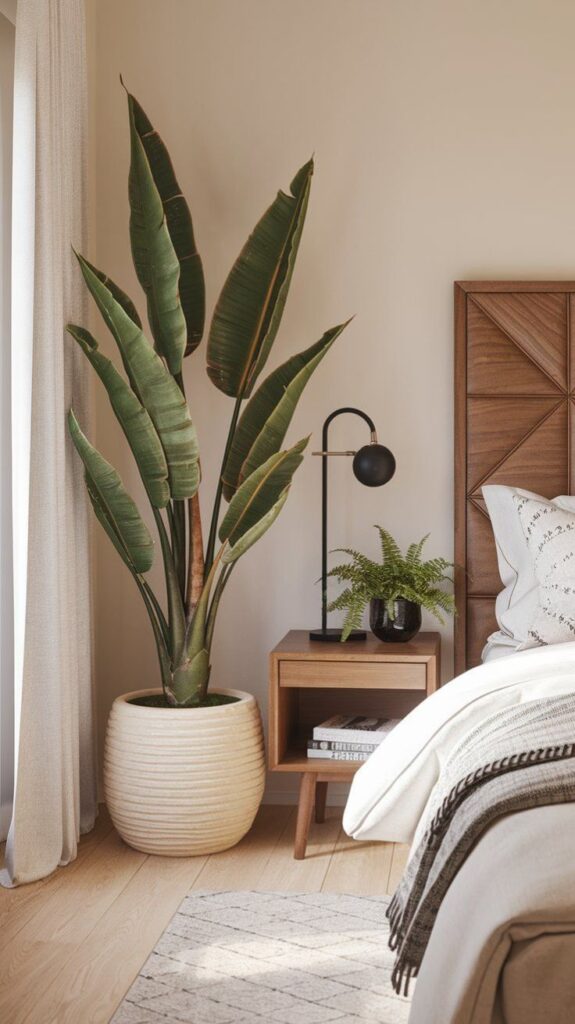
Plants in a main bedroom do something that no furniture or accessory can: they make the room feel alive. A thriving plant brings organic warmth, natural colour, and a connection to the living world that transforms the atmosphere of any space. In a bedroom — a room that is fundamentally about restoration — this connection to nature is particularly powerful.
Choose bedroom-appropriate plants: snake plants (one of the few plants that releases oxygen at night, and virtually indestructible in low light), trailing pothos (beautifully lush on a high shelf or hanging from a hook), peace lilies (tolerant of lower light and elegantly beautiful), or a simple succulent on the windowsill. A large floor plant in a beautiful ceramic or terracotta pot — a snake plant, a fiddle-leaf fig, or a large monstera — in the corner of the room adds height and architectural presence. One thriving, healthy plant is worth ten artificial ones. Choose it well, care for it properly, and it will reward the bedroom with life.
12. Style the Bedroom With Meaningful Personal Objects
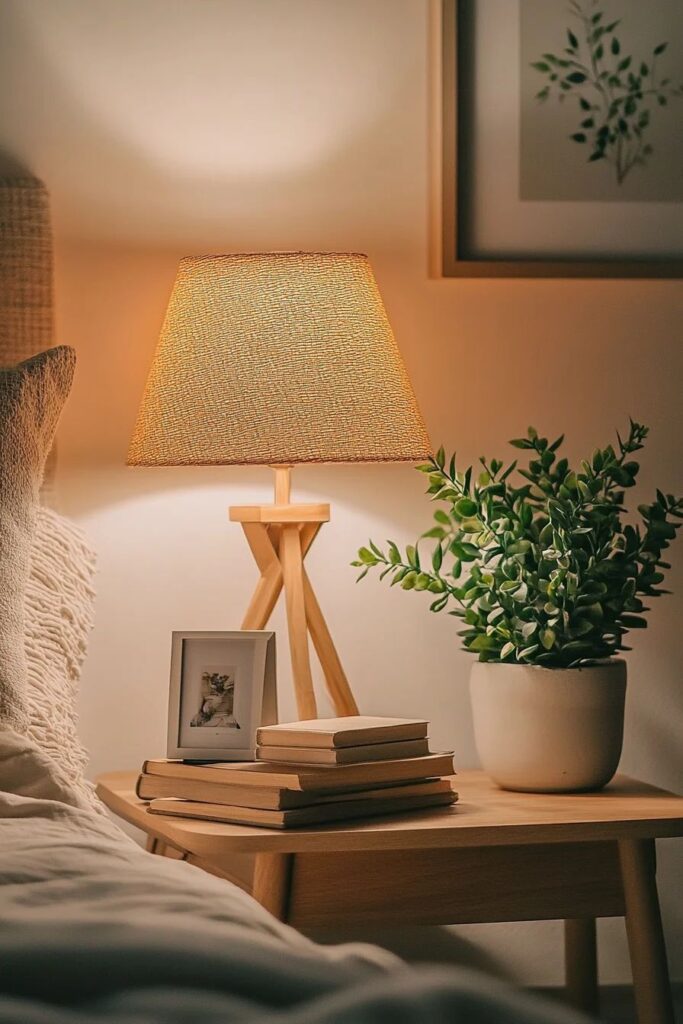
The final quality that separates a beautifully designed main bedroom from one that feels truly personal is the presence of objects that have genuine meaning — things that tell your story, that would only make sense beside your bed, that belong to you and no one else. A favourite book. A photograph. A smooth stone collected from somewhere you love. A scented candle that you associate with happiness.
The bedside table is the most intimate surface in the home, and it should be styled with that intimacy in mind: a small lamp, one or two books you’re actually reading, one personal object of significance, and nothing else. No clutter, no charging cables that haven’t found a home, no items that belong somewhere else. The rest of the room can be more broadly styled — the bedside is where real personality lives. Let it.
13. Create the Conditions for Great Sleep
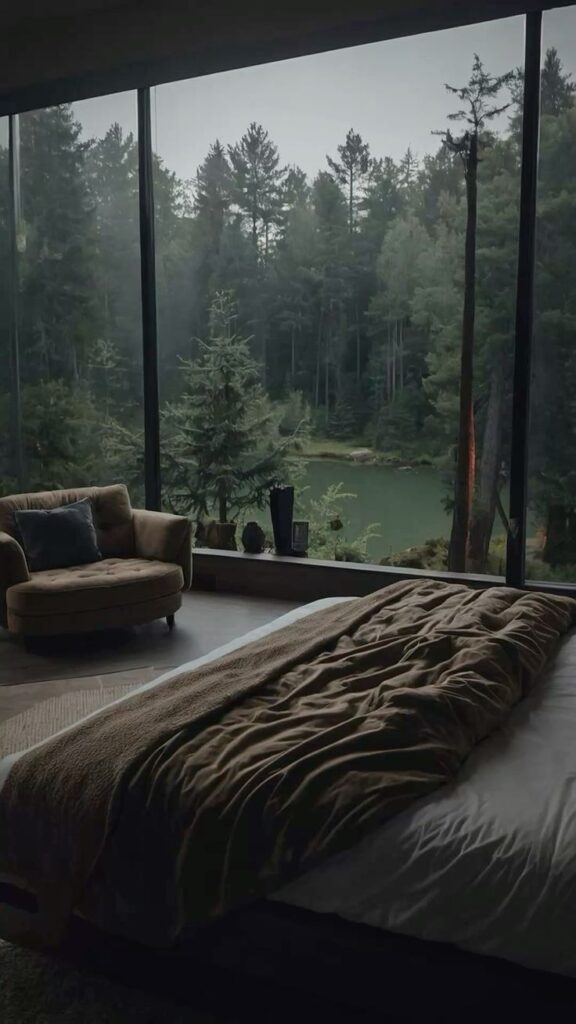
The most important function of a main bedroom is sleep — and designing for great sleep is the most practically meaningful thing you can do for the room. Beyond aesthetics, certain specific conditions make a profound difference to sleep quality: complete darkness, cool temperature, minimal technology, and a room that the mind associates exclusively with rest rather than work or stimulation.
Invest in genuine blackout window treatments that eliminate all external light — even small amounts of light penetrating the room affect sleep quality measurably. Keep technology out of the bedroom where possible: no television, no work laptop, no phone charged beside the bed if you check it during the night. A cool room temperature (16–18°C is optimal for most people) supports deeper sleep than a warm one. A quality mattress and pillow appropriate to your sleeping position — these are the most impactful bedroom investments of all, more than any paint colour or decorative element. A beautifully designed room that supports poor sleep is a less successful bedroom than a simply designed one that supports excellent sleep. Prioritise accordingly.
━━━━━━━━━━━━━━━━━━━━━━━━━━━━━━━━━━━━━━━━
Your main bedroom is the room that holds you — every morning, every evening, every night. It is, in the most literal sense, where your life happens in its most private and most essential form. And it deserves, completely and without apology, to be a room you love.
Start with the one change that will make the biggest difference to how you feel in the room right now. Perhaps it’s the bedding — genuinely good sheets and a layered duvet that makes the bed look irresistible. Perhaps it’s the lighting — warm, dimmable bedside lamps that transform the evening atmosphere. Perhaps it’s a plant in the corner, or a meaningful object on the bedside table, or a colour on the headboard wall that finally makes the room feel like yours.
One great decision leads to the next. And before long, you’ll have the main bedroom you’ve always wanted — the room that makes you exhale every time you walk into it.
Which main bedroom idea are you most excited to try? Share your bedroom transformation or your favourite design detail in the comments — I’d love to see the retreat you create!