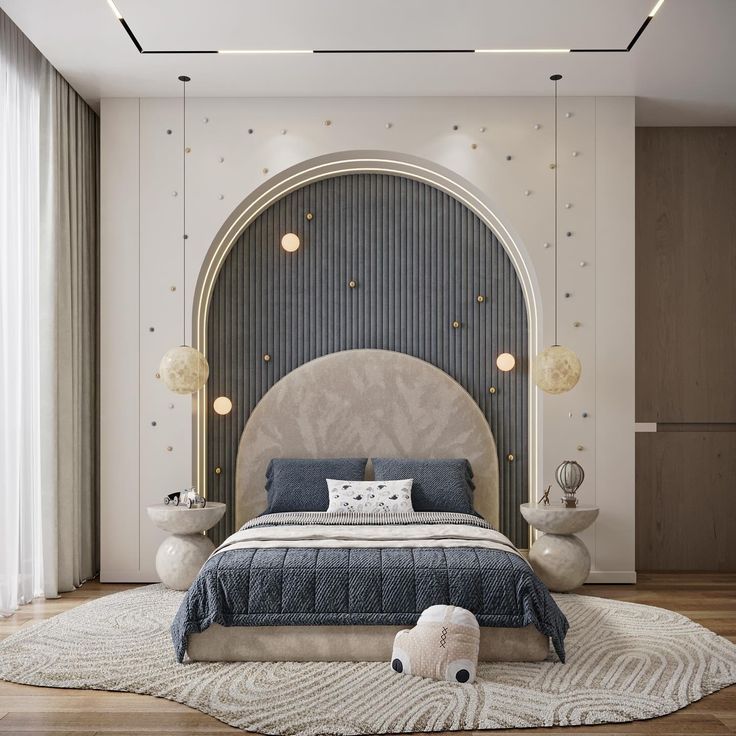

A child’s bedroom is their whole world in miniature — the place where they dream, play, create, retreat, and become who they’re going to be. It’s the room where childhood actually happens: the art projects spread across the floor, the reading by torchlight under the covers, the elaborate games played out over entire afternoons. A room that supports all of this, that feels genuinely magical and unmistakably theirs, is one of the most meaningful gifts a parent can give.
And the good news is that creating that room is far more achievable than the elaborate, budget-intensive transformations that tend to dominate design inspiration feeds suggest. The best kids bedrooms are designed with specific principles: longevity, personality, adaptability, and a deep understanding of how children actually use a room.
These 13 kids bedroom design ideas will give you exactly that understanding — and the inspiration to create a room your child will love from the first moment they see it through every stage of their childhood.
━━━━━━━━━━━━━━━━━━━━━━━━━━━━━━━━━━━━━━━━
1. Design Around a Theme Your Child Chooses
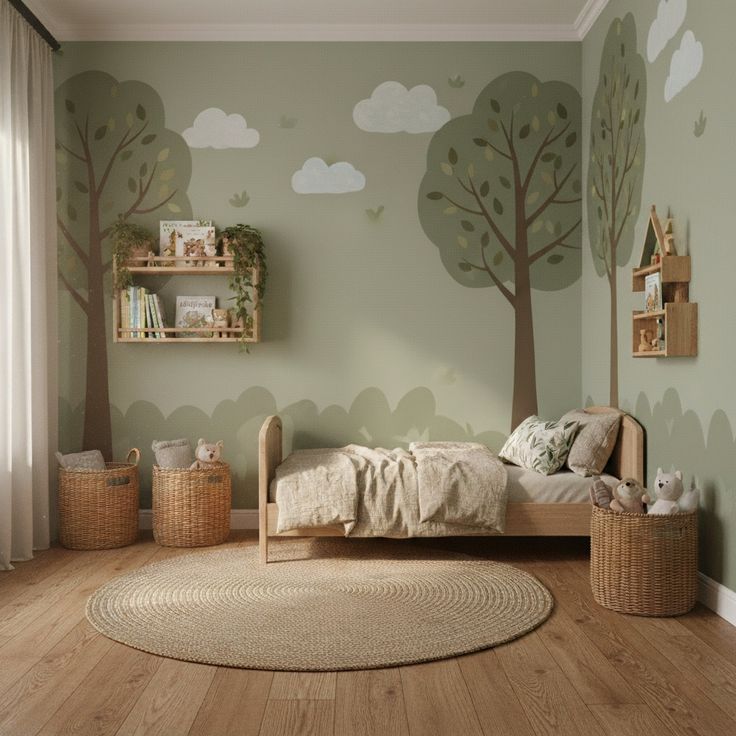
The single most important principle in kids bedroom design is also the most overlooked by design-focused parents: let the child choose the theme. Not from a narrow set of pre-approved options, but genuinely — what do they love most right now? Space? Animals? The ocean? Football? Trains? Art? That passion, whatever it is, is the starting point for a room that your child will be genuinely excited about and feel true ownership of.
The design challenge is translating that passion into something beautiful: nature-inspired, not novelty-store cluttered. Forest theme with botanical prints and tree-branch decals, not character-licensed foam stickers. Ocean theme with deep teal walls and linen cushions printed with waves, not plastic sea creature mobiles. The theme creates meaning and magic; the execution keeps it genuinely beautiful. When the child’s love is the foundation and the design is the expression, the result is a room that is both exciting and considered.
2. Use Paint as the Most Powerful and Flexible Tool
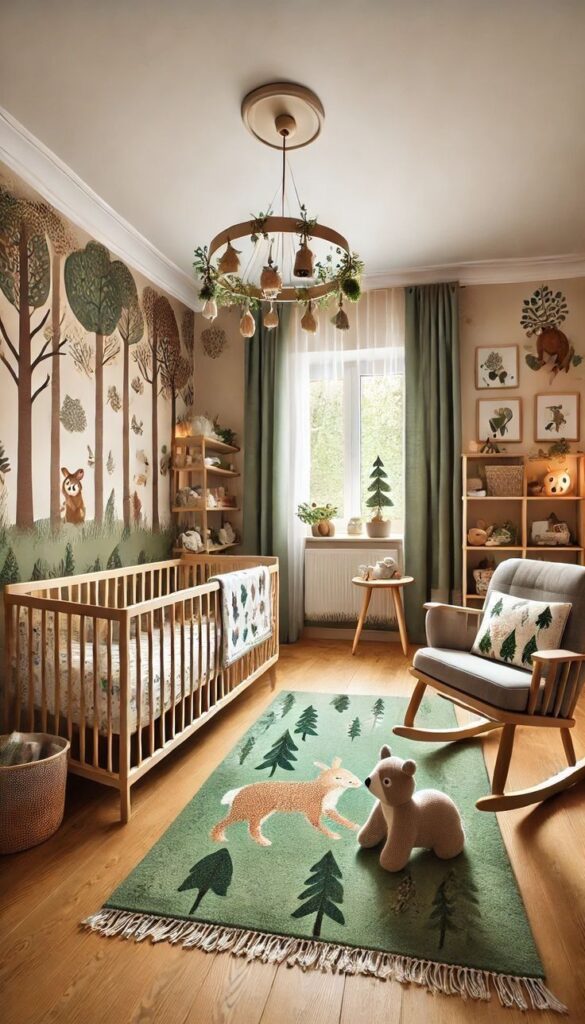
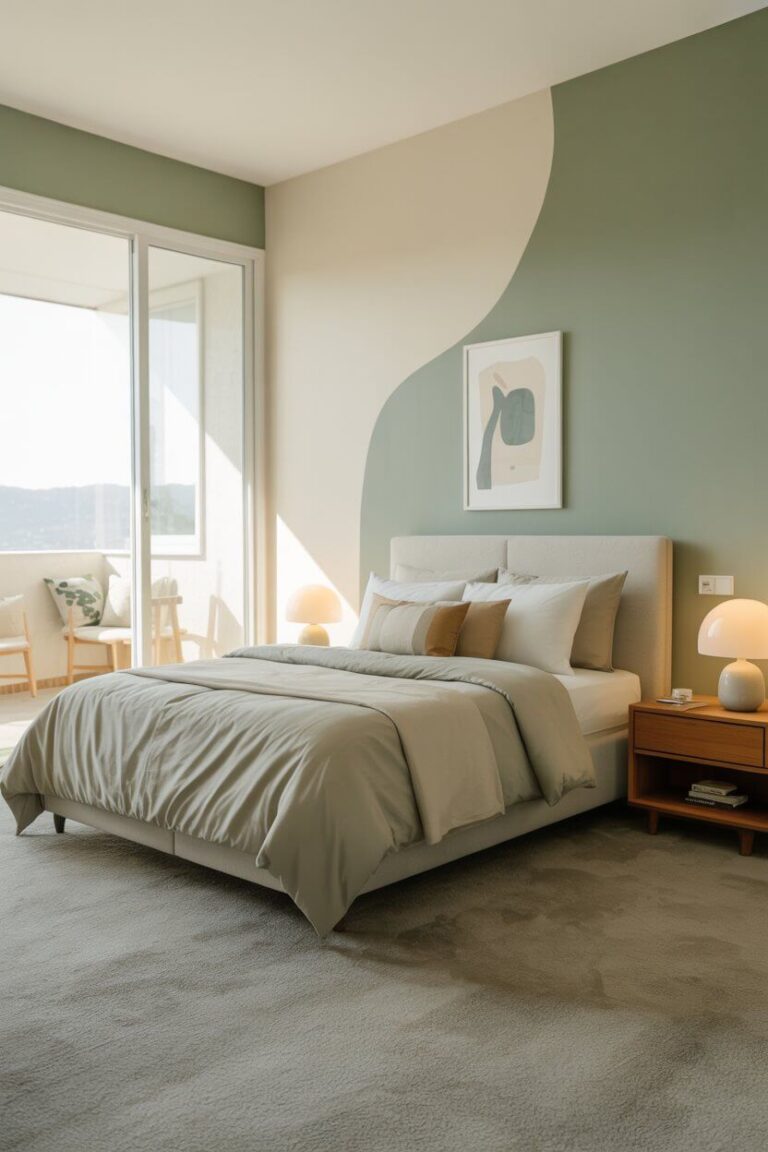
Paint is the fastest, most affordable, and most dramatically transformative design tool in a kids bedroom — and it’s also the most easily changed when the child’s tastes inevitably evolve. A single feature wall in a bold colour behind the bed creates maximum impact without the commitment of painting the whole room, and it can be repainted for the cost of a pot of paint and an afternoon when the time comes.
For a kids bedroom, consider going bolder than you might in an adult space: a deep forest green, a rich midnight blue, a warm terracotta, or a vibrant sunshine yellow as the feature wall colour, with white walls on the remaining three sides. This approach gives the room genuine personality and a focal point without feeling overwhelming. Invest in a good quality paint with a washable finish — in a child’s bedroom, this is not optional. Washable matt paint is your greatest painting ally.
3. Choose a Bed That’s an Adventure in Itself
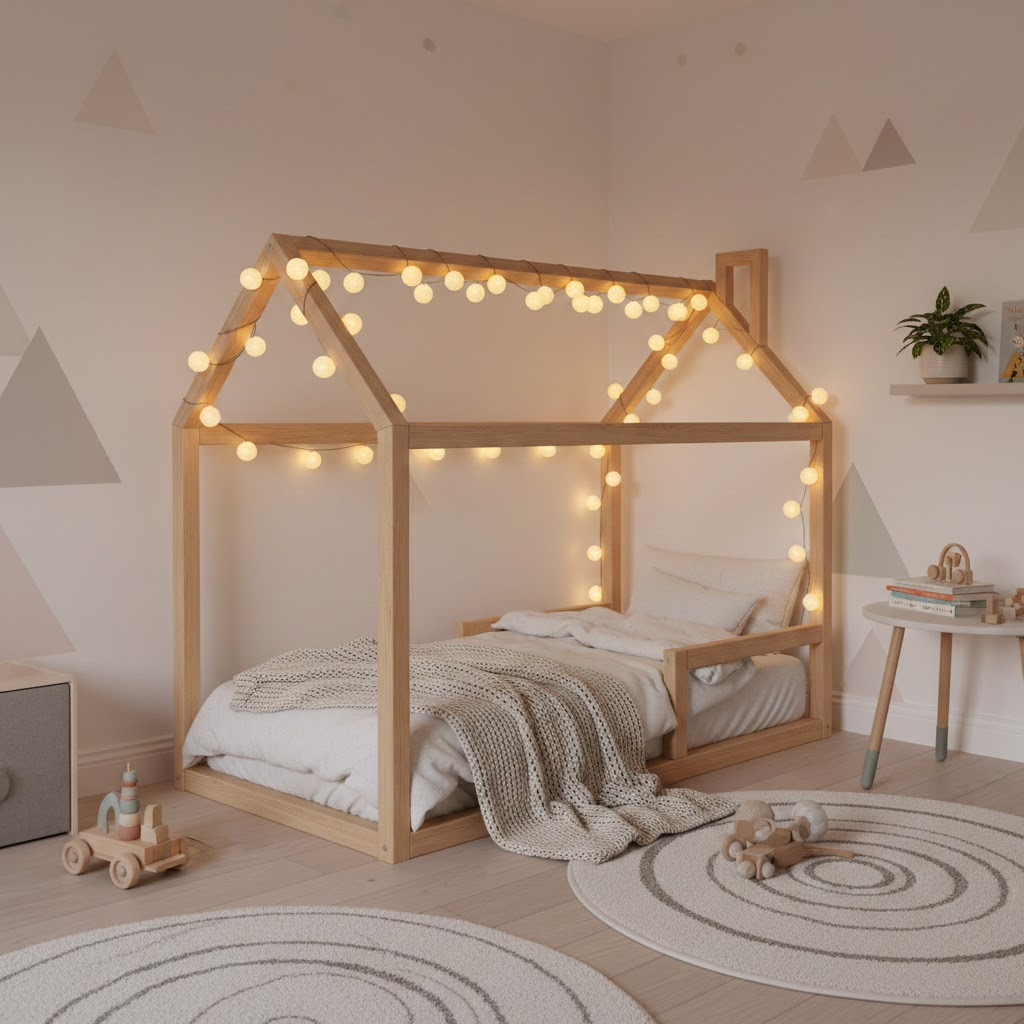
In a child’s bedroom, the bed is not merely a place to sleep — it is the room’s centrepiece, the castle, the spaceship, the den, the refuge, and the primary site of imagination. A bed with genuine character and play potential changes the entire energy of the room — and children’s relationship with bedtime along with it.
House beds (low bed frames with a simple pitched roof structure, beloved for their den-like quality and safety-conscious low height) are one of the most enduring and universally loved children’s bed designs. Cabin beds with built-in storage or a small play area underneath offer the magical appeal of levels and secret spaces. A simple low platform bed dressed with fairy lights and a canopy can be equally transformative. Choose whichever design your child responds to most — then surround it with the right bedding, lighting, and accessories to make it feel like the most wonderful place to be.
4. Plan Storage That Children Will Actually Use
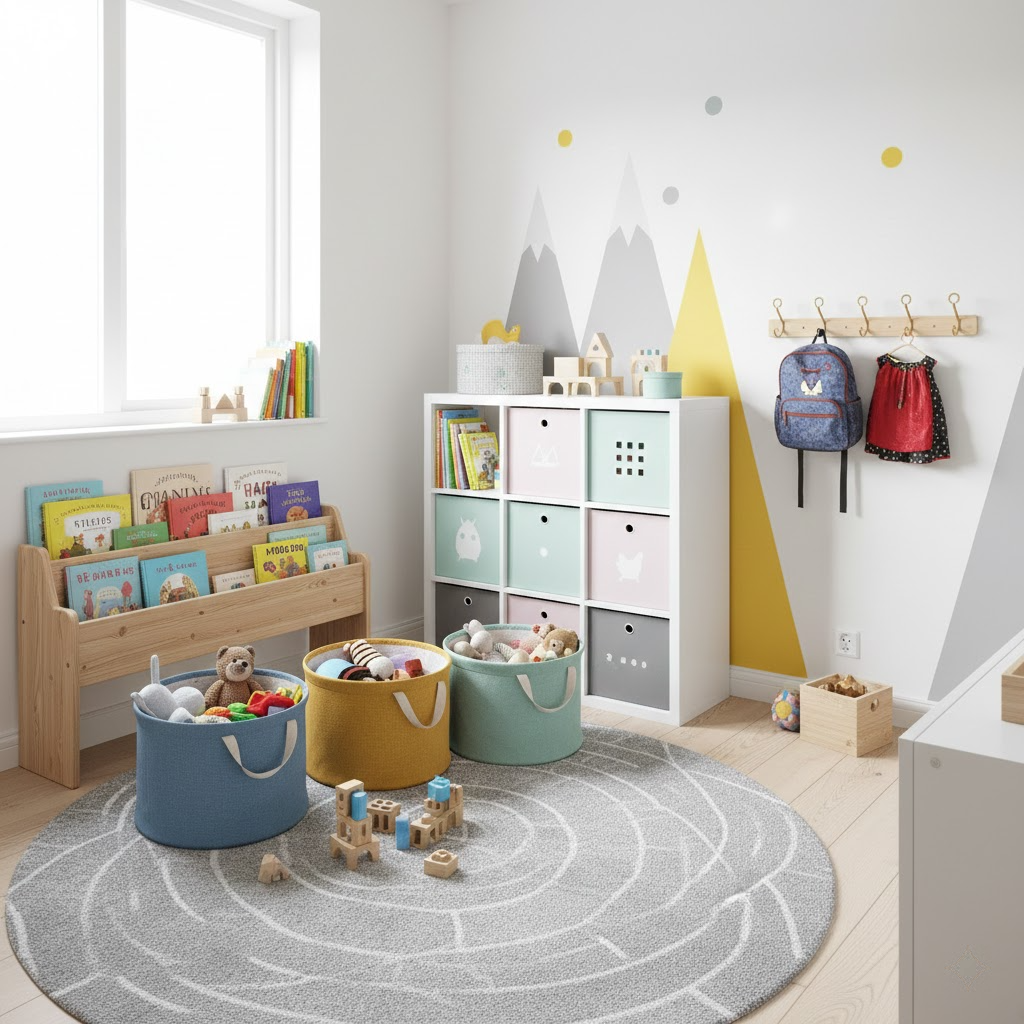
Storage in a kids bedroom has to solve a problem that adult storage doesn’t: it needs to be accessible and usable by someone who is small, easily distracted, and not naturally inclined toward tidying up. If the storage solution requires sustained effort or is hard to reach, it simply won’t be used — and you’ll find the floor performing all the storage functions instead.
The most effective kids bedroom storage is low, open, and obviously organised: face-out bookshelves at child height (books displayed with covers visible are far more likely to be chosen and read than books stored spine-out), large fabric bins or wicker baskets for toys on the floor, cube storage units with labelled or colour-coded compartments, and low hooks on the wall for bags, hats, and dressing-up clothes. Everything a child needs to access regularly should be reachable without adult assistance. This design principle supports independence and, remarkably, makes tidying up more achievable for everyone.
5. Create a Dedicated Reading Nook
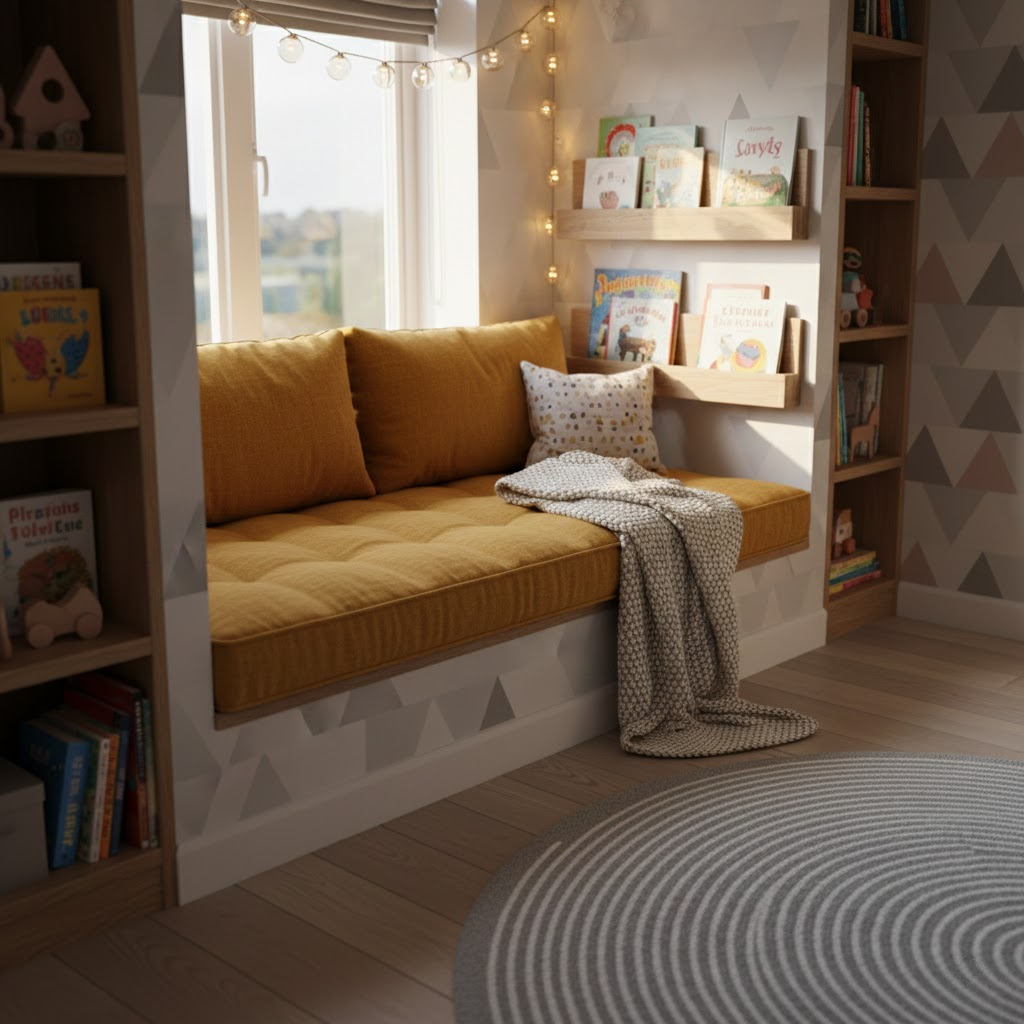
A dedicated reading nook in a child’s bedroom is one of the most consistently beloved and most developmentally valuable design features a children’s space can have — a small, defined, cosy corner that is clearly and exclusively for reading, where a child can curl up with a book and feel genuinely private and contained. Children who have a beautiful reading space are children who use it.
A reading nook can be as simple as a floor cushion wedged into a corner with a low bookshelf beside it and a clip-on reading light above. It can be as elaborate as a built-in under-window seat with storage inside and bookshelves flanking it. The essential qualities are: softness (a cushion, a blanket), light (a reading lamp or string lights), and books within easy reach. Even a tent or teepee in the corner of the room creates this sense of defined, private reading space — and children respond to it with an enthusiasm that makes every page read worthwhile.
6. Light the Room in Layers for Every Mood
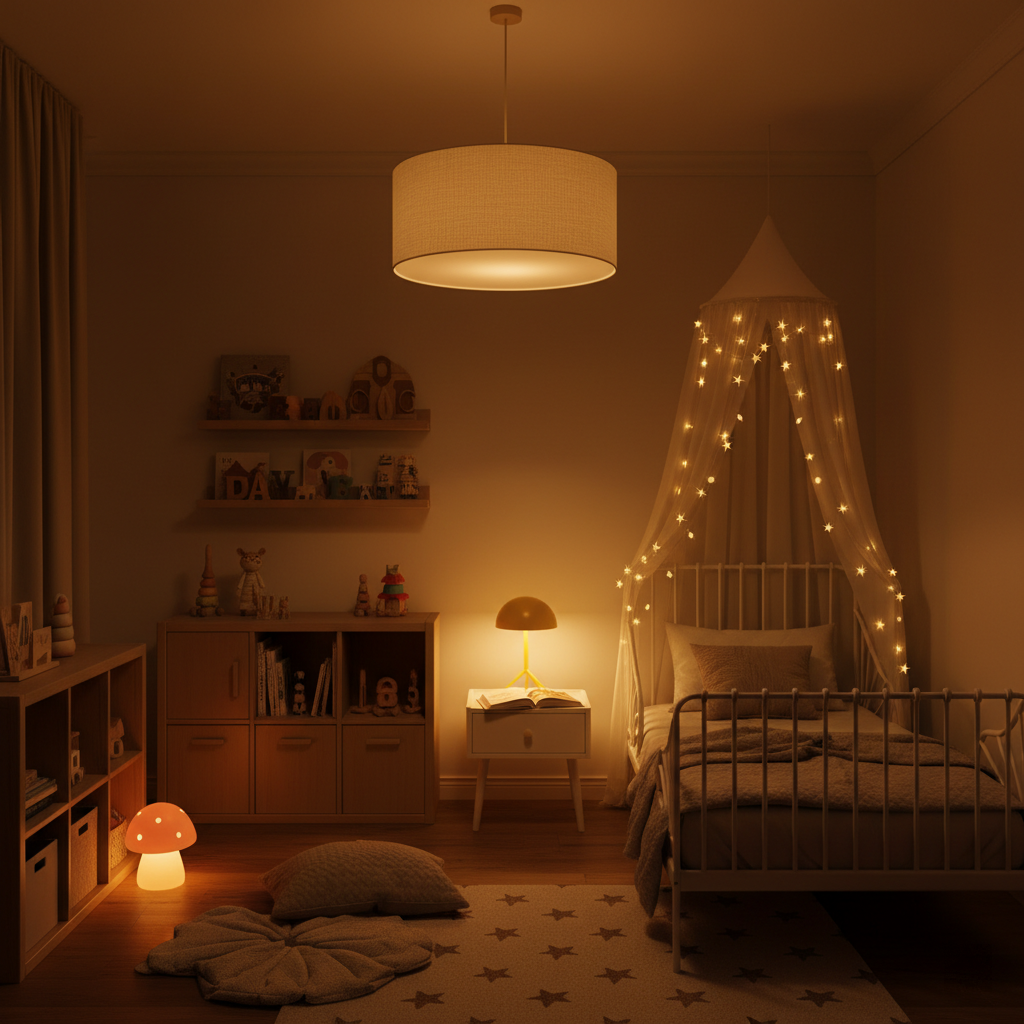
Lighting in a kids bedroom needs to do several completely different jobs: bright and energising for play and craft activities, focused and warm for reading, and gentle and reassuring for the transition toward sleep. A single overhead light cannot do all of these things. A layered lighting scheme, with multiple sources on separate controls, can.
A dimmable main pendant or ceiling light handles ambient and play lighting. A small, warm-toned bedside lamp or clip-on reading light handles focused reading. Fairy lights or LED string lights along the bed frame or around a canopy create the magical evening atmosphere that children love and that makes bedtime feel special rather than daunting. A soft nightlight — in an animal shape, a star projector, or a simple warm-glowing plug-in — handles the night hours for children who need gentle reassurance. These layers cost relatively little and dramatically improve the quality and versatility of the bedroom environment.
7. Dedicate a Wall to Creativity and Display
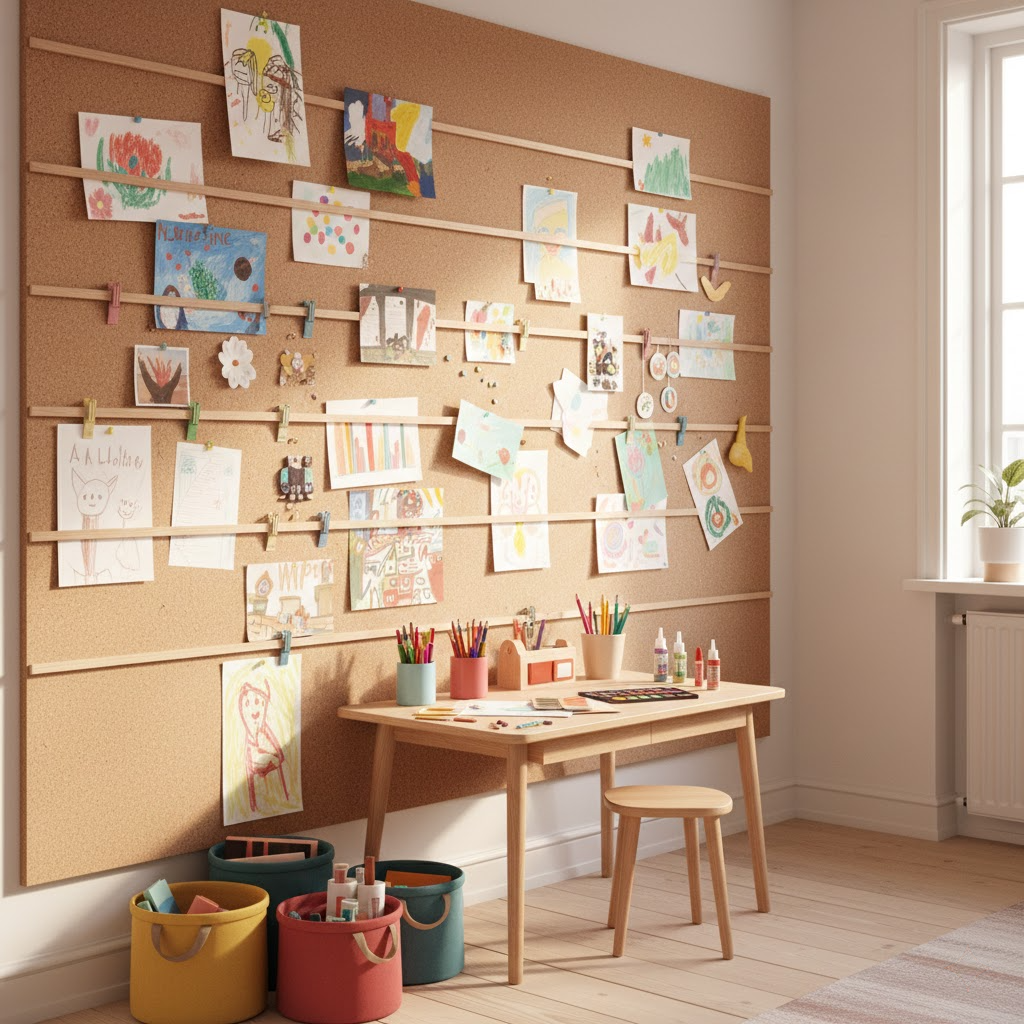
Every child produces an extraordinary quantity of art, and the way that art is displayed — or not displayed — communicates something powerful to the child about how their creativity is valued. A dedicated art wall in a kids bedroom, where new work can be added and displayed with pride, gives children a powerful incentive to create and a deeply satisfying sense that their work matters.
A magnetic paint wall (painted with magnetic primer and then painted over in any colour) allows artwork to be held with small magnets and easily swapped without holes or tape damage. A simple wire and clips system (like a horizontal washing line with mini pegs) allows quick display changes. A large cork board panel in one section of the wall provides a pinnable surface. Whatever system you choose, position it at child height so the child can update their own display independently — this ownership of the wall is a significant part of its value to them.
8. Choose a Colour Palette That Balances Energy and Calm
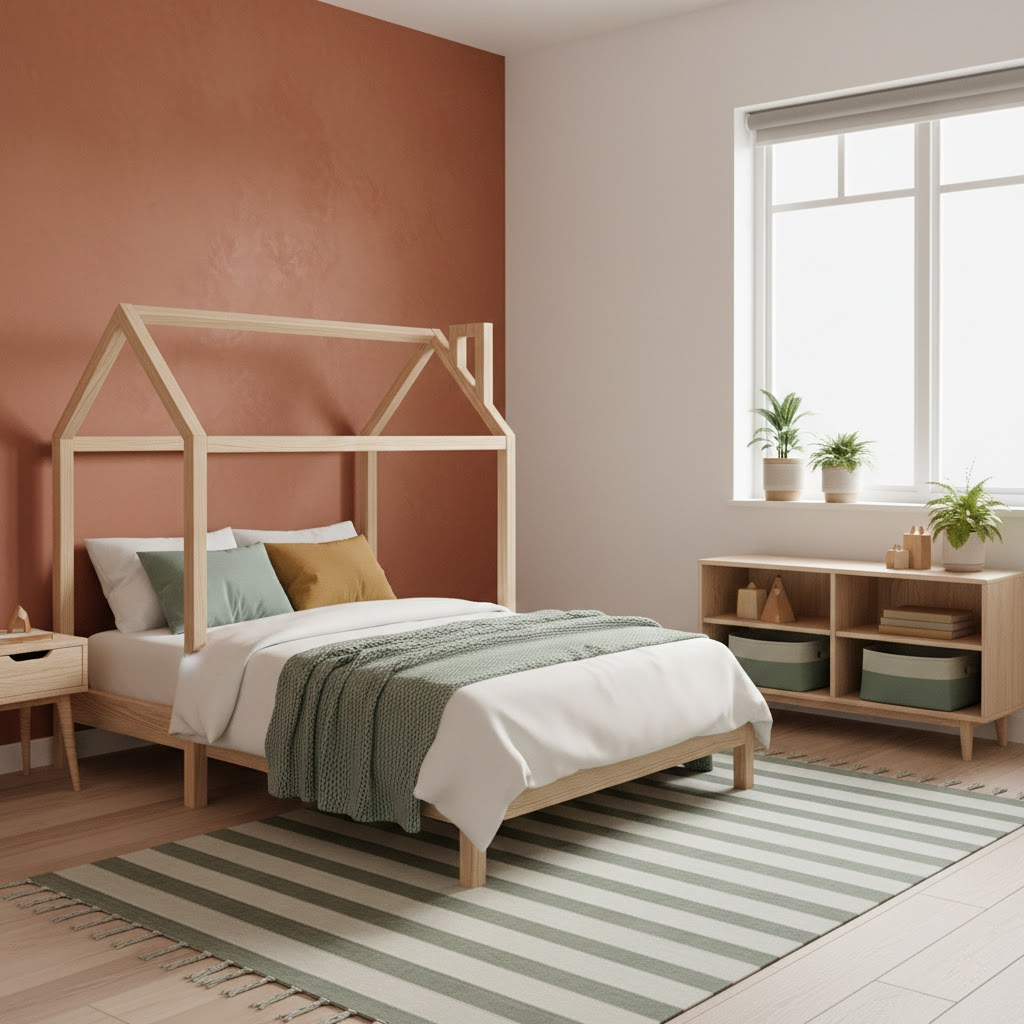
Colour in a kids bedroom is both more important and more nuanced than it might initially seem. Children respond strongly to colour — it influences their energy levels, their mood, and their ability to wind down for sleep. A bedroom painted in very stimulating, high-saturation colours can make it harder for children to settle in the evening; a bedroom painted in calm, warm tones supports the transition from activity to rest.
The most successful kids bedroom palettes use one or two warm, mid-tone colours as the foundation (warm terracotta, soft forest green, deep blue, warm sage) with white or light-toned walls on most surfaces, and introduce energy and playfulness through accessories and textiles that can be changed relatively easily. Avoid very bright neon or primary colour schemes for the walls — they look exciting in shops and online, and relentless in the actual room. Warm, considered colour with playful accessories is always more liveable and more beautiful.
9. Include a Dedicated Homework and Creativity Zone
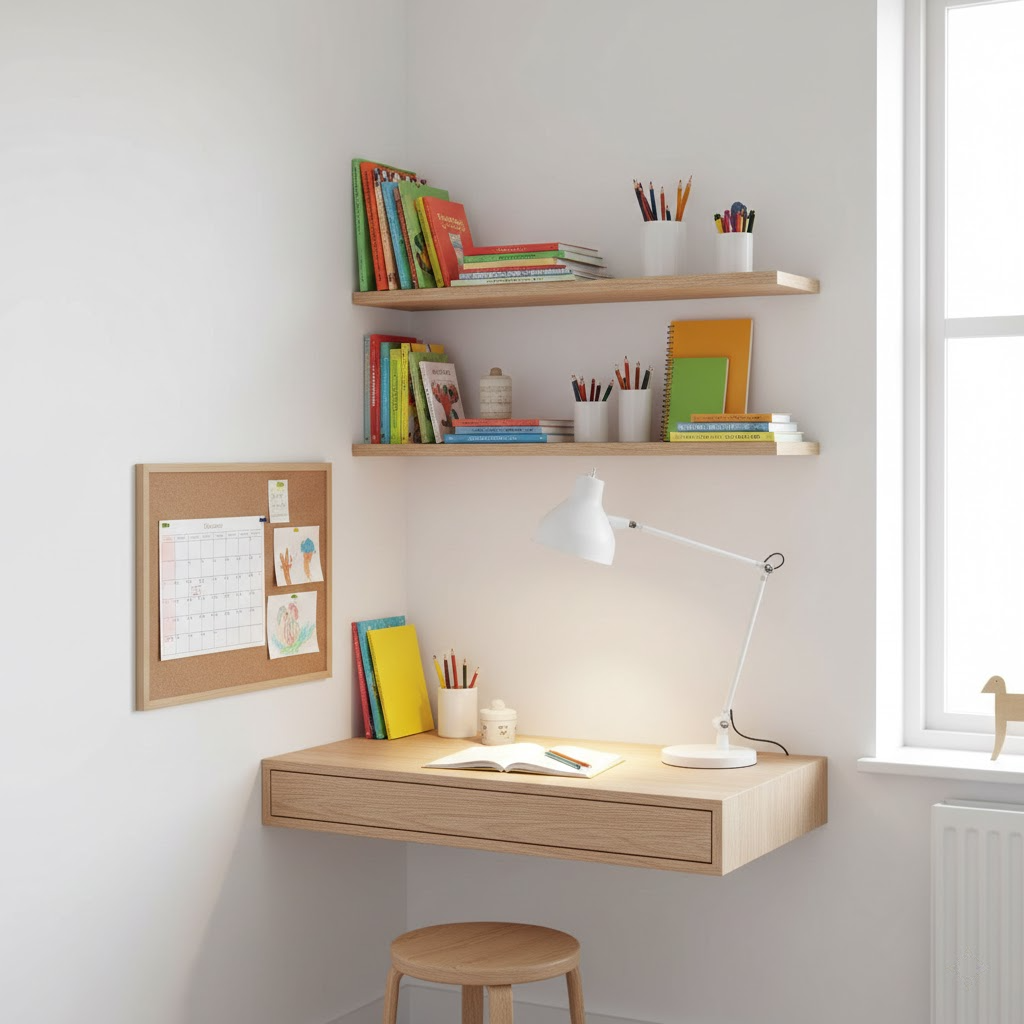
For school-age children, a dedicated homework and creativity zone within the bedroom — a space that is clearly for focused work rather than play or sleep — supports both learning habits and the child’s sense of themselves as a capable, organised person. When the desk is well-designed, well-lit, and equipped with the tools the child needs, sitting down to work becomes a natural transition rather than a daily battle.
A wall-mounted or freestanding desk at the correct ergonomic height for the child (knees at 90 degrees, forearms horizontal on the desk surface), with a good task lamp positioned to the left for right-handed children, and shelving above for books and supplies. A pin board or small whiteboard on the wall beside the desk for reminders and planning. A comfortable, height-adjustable chair that supports good posture. These functional details, when well-executed, create a zone where children can concentrate — and where the habit of doing so is gently, architecturally supported.
10. Maximise Floor Space for Play
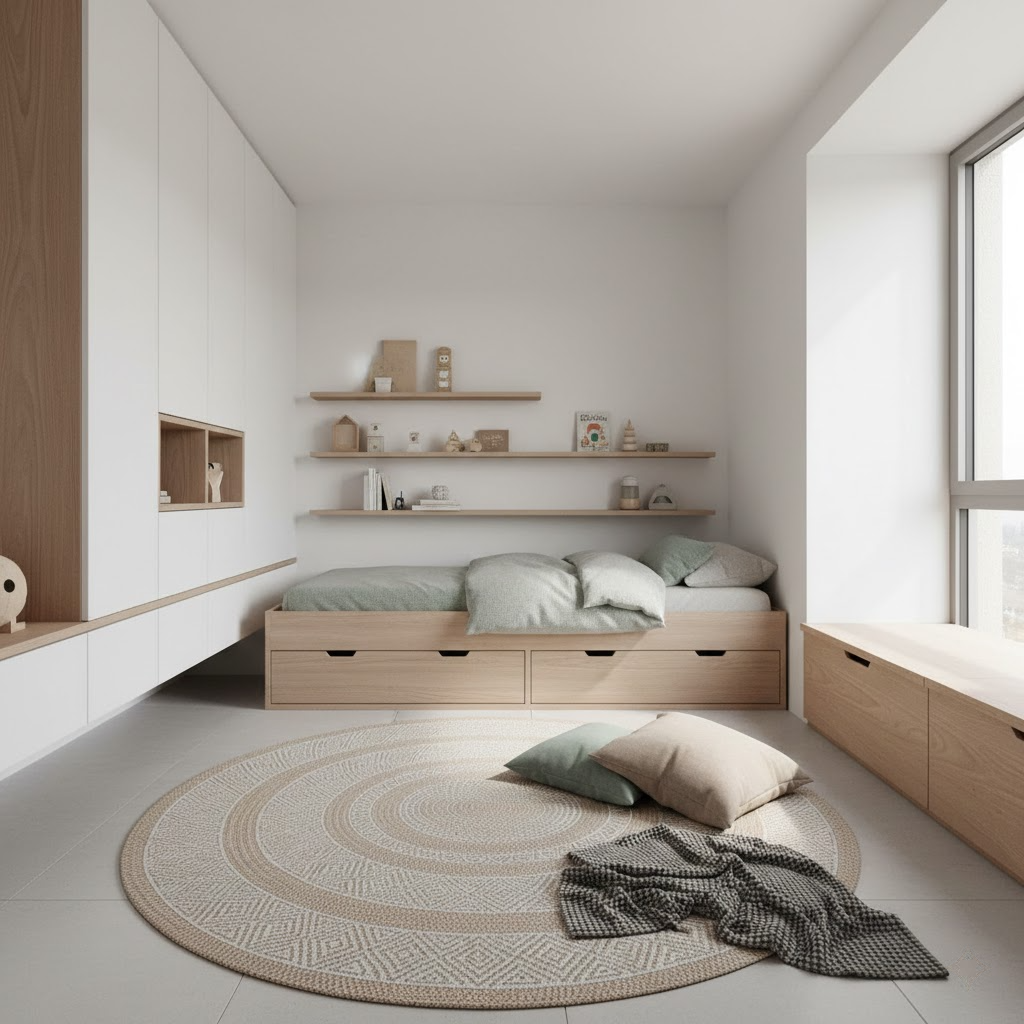
Here is a truth about children and their rooms that parents often discover too late: children play on the floor. Not on the bed, not at the desk, not at the table — on the floor, with the floor as the primary landscape for every game, building project, dressing-up scenario, and imaginative adventure. A bedroom with generous clear floor space is a bedroom where genuine, free play happens.
Design the furniture layout to maximise usable floor area: push all furniture to the walls, use wall-mounted shelving rather than freestanding bookcases, choose a bed with significant built-in storage underneath to eliminate the need for a separate chest of drawers, and use a single, quality play rug to define the floor play zone. The temptation to fill a kids bedroom with furniture and equipment should be resisted in favour of this simple, fundamental design priority. Children don’t need more things in their room — they need more room.
11. Make the Bedroom Genuinely Personal
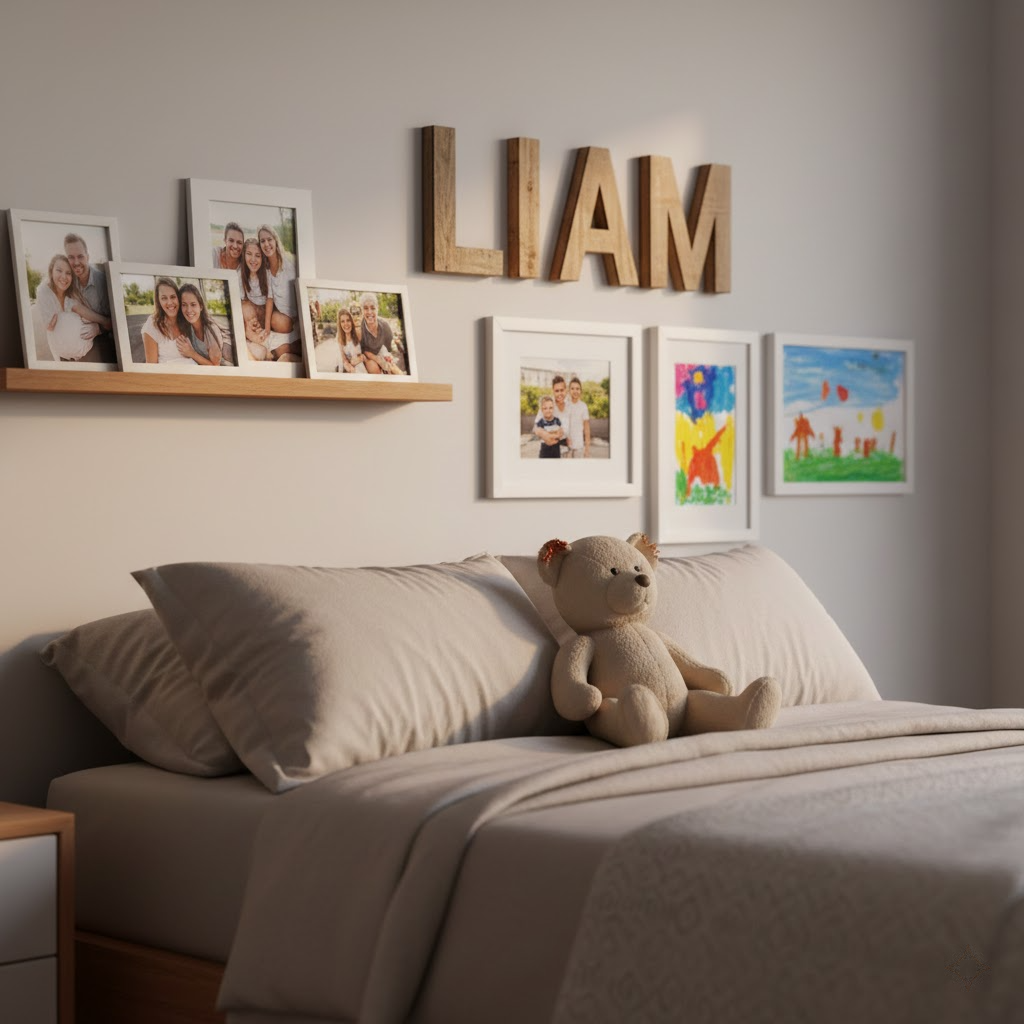
A child’s bedroom becomes their bedroom — genuinely, joyfully, possessively theirs — through the accumulation of personal details that would be meaningless to anyone else but are of enormous significance to them. These are not expensive design elements. They are a framed drawing the child made. A photo of their best friend on a small shelf. Their name in large letters on the wall above the bed. Their favourite soft toy given pride of place.
Design the room with these personal details in mind: a shelf specifically for their most treasured objects, a frame on the wall waiting for their first significant piece of art, a hook for their favourite bag, a space for the things that matter most to them right now. These details change constantly as children grow — the treasures of a seven-year-old are completely different from those of a ten-year-old — and that evolution is part of what makes a child’s room feel alive and genuinely inhabited rather than just decorated.
12. Design for Shared Spaces With Each Child’s Identity
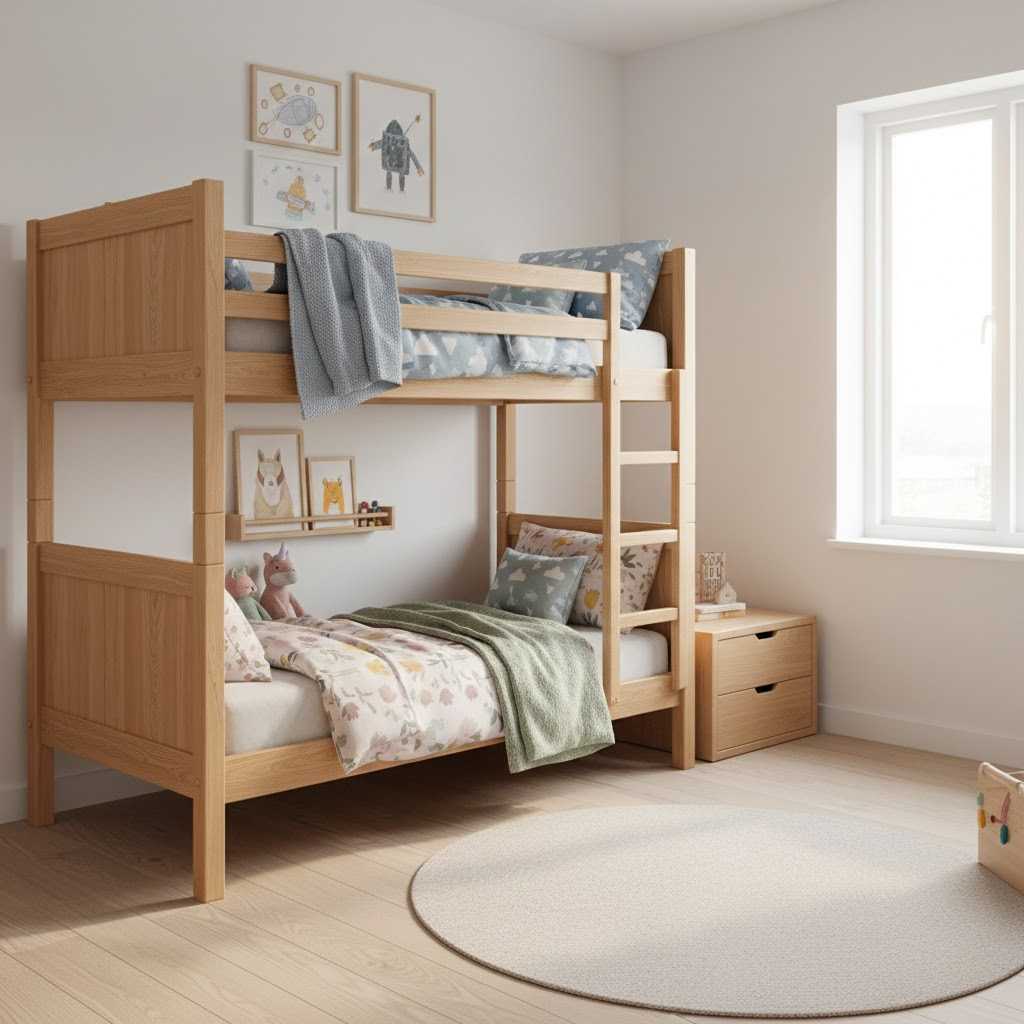
When siblings share a bedroom, the design challenge is both practical and diplomatic: creating a space that functions well for two different people, with two different personalities, two different needs, and often two different views on what the room should look like. The most successful shared kids bedrooms solve this by giving each child a clearly defined, meaningfully personal zone within the shared space.
A bunk bed is the obvious space-saving solution, and it works well when each child’s sleeping zone is personalised independently: different bedding, their own reading light, their own small shelf for treasured objects. Below-bed space for the lower bunk child and the wall above the upper bunk for the upper child create distinct personal zones that feel genuinely individual. Separate storage (clearly designated by child), separate display areas, and separate personalised elements throughout make sharing a room feel less like a compromise and more like something each child has ownership of.
13. Build in Adaptability — Design to Grow
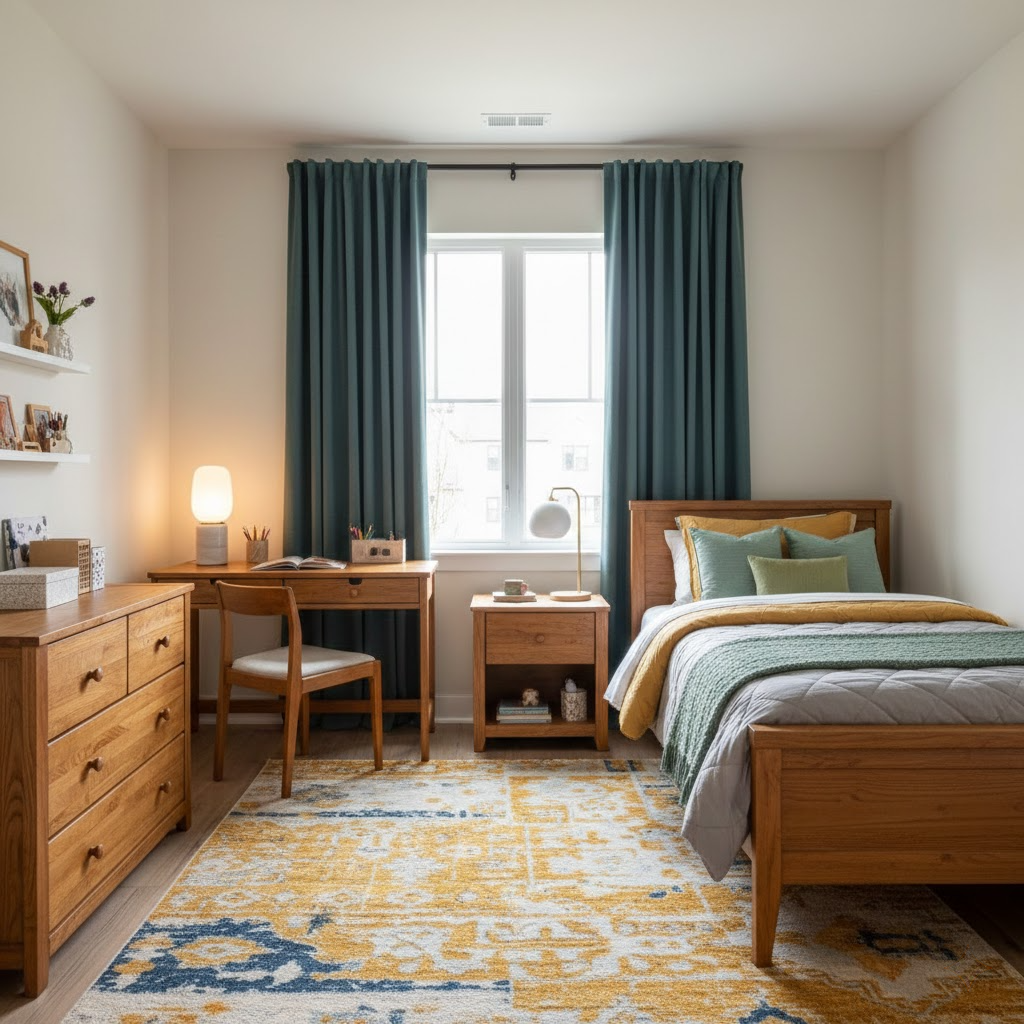
The final and perhaps most strategically important principle in kids bedroom design is adaptability — designing a room that will still feel right as the child grows, without requiring a complete overhaul every few years. Children change dramatically: the five-year-old who loves dinosaurs is a different person from the nine-year-old who loves football, who is different again from the thirteen-year-old who wants their room to look like a teenager’s.
Build adaptability into the permanent elements: neutral or warm-toned walls that can be accessorised in any direction, quality furniture in natural wood or painted white that works across childhood and into the teenage years, blackout curtains and a quality mattress that serve the room for the long term. Reserve the personality and theme for the easily changeable elements — bedding, cushions, wall art, accessories, the single feature-wall colour. This approach means the room evolves with the child through simple, affordable updates rather than full renovations. A room that grows with a child is a room that serves them — and you — for years.
━━━━━━━━━━━━━━━━━━━━━━━━━━━━━━━━━━━━━━━━
A child’s bedroom is one of the most important rooms in the home — not because of its design value, but because of what happens in it. The play, the rest, the creativity, the friendships, the imagination, the growing up. The design of the room either supports all of that or creates friction around it — and the difference between a room that works and one that doesn’t is entirely in the decisions made here.
You don’t need an unlimited budget or a professional designer to create a room your child will love. You need to involve your child in the decisions, choose furniture that prioritises their actual behaviour over adult aesthetics, build in storage that is genuinely accessible and usable, and invest the personality in the details that can be updated as they grow.
Most importantly: let the room be theirs. The most beautiful thing a kids bedroom can be is a room that a specific child loves, lives in, and is proud of. That is always the most important design criterion of all.
Which kids bedroom idea are you most excited to try? Share your child’s room makeover or your most creative bedroom solution in the comments — I’d love to celebrate the spaces you create!