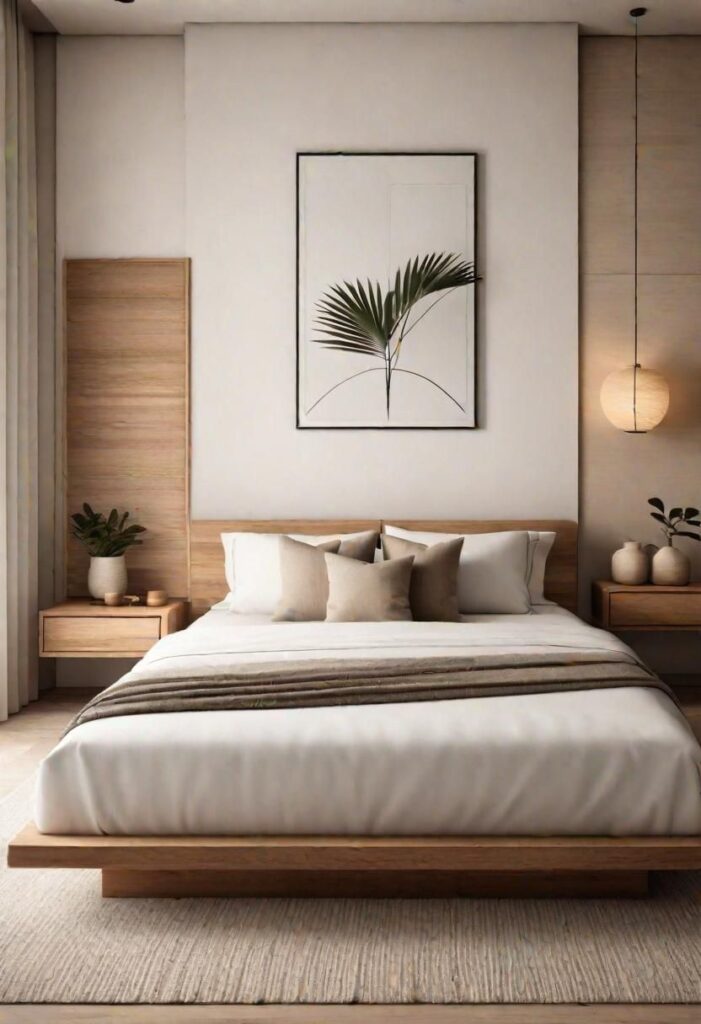

Modern bedroom design, at its best, achieves something that sounds simple but is remarkably difficult to execute: a room that is calm without being cold, minimal without being empty, and confident without being impersonal. A room where the clean lines and absence of clutter create space for rest rather than a feeling of vacancy. Where restraint reads as luxury.
The challenge — and the reason so many modern bedrooms miss the mark — is that modern design requires discipline and understanding in equal measure. Without the right principles guiding the choices, modern very quickly tips into clinical. Without warmth in the materials, textures, and colours, minimal becomes austere. Without genuine design confidence, contemporary becomes safe and forgettable.
These 13 modern bedroom design ideas will give you both the principles and the specific ideas you need to create a bedroom that achieves the full potential of the modern aesthetic: beautiful, calm, warm, and unmistakably, confidently designed.
━━━━━━━━━━━━━━━━━━━━━━━━━━━━━━━━━━━━━━━━
1. Choose a Warm Neutral as Your Primary Palette
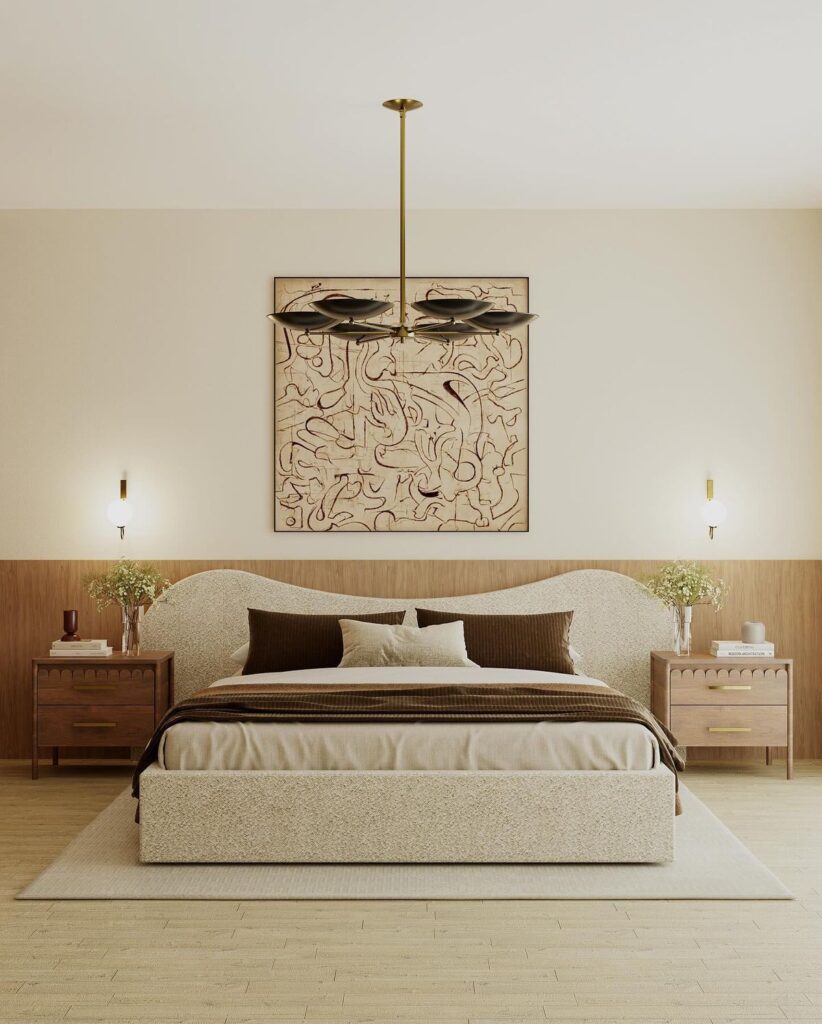
The colour palette of a modern bedroom sets its entire atmospheric quality — and the most common mistake in modern bedroom design is choosing colours that are cool rather than warm. Pure brilliant white, stark grey, and cold blue-toned neutrals create rooms that photograph beautifully but feel unwelcoming to live in. The most successful modern bedrooms use warm neutrals: warm whites with a slight greige or ivory undertone, pale warm stone, soft warm taupe, or muted sage.
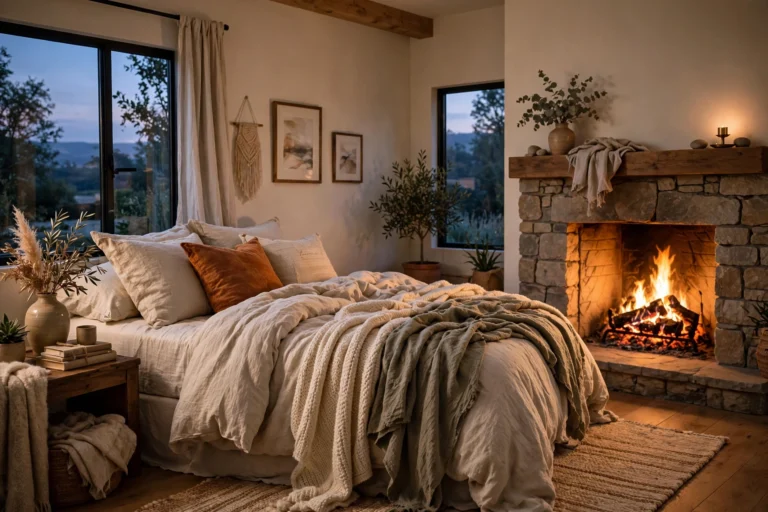
Warm neutrals do everything cool neutrals do — they provide the clean, minimal backdrop that modern design requires — but they also make the room feel genuinely welcoming, particularly in the evening lamplight when the bedroom is used most. A warm white wall beside warm oak furniture beside warm linen bedding creates a tonal harmony that feels effortlessly resolved. Cool grey beside grey furniture beside white bedding creates a room that feels flat and slightly institutional, regardless of how well-designed the individual elements are.
2. Go Low: The Case for a Platform or Low-Profile Bed
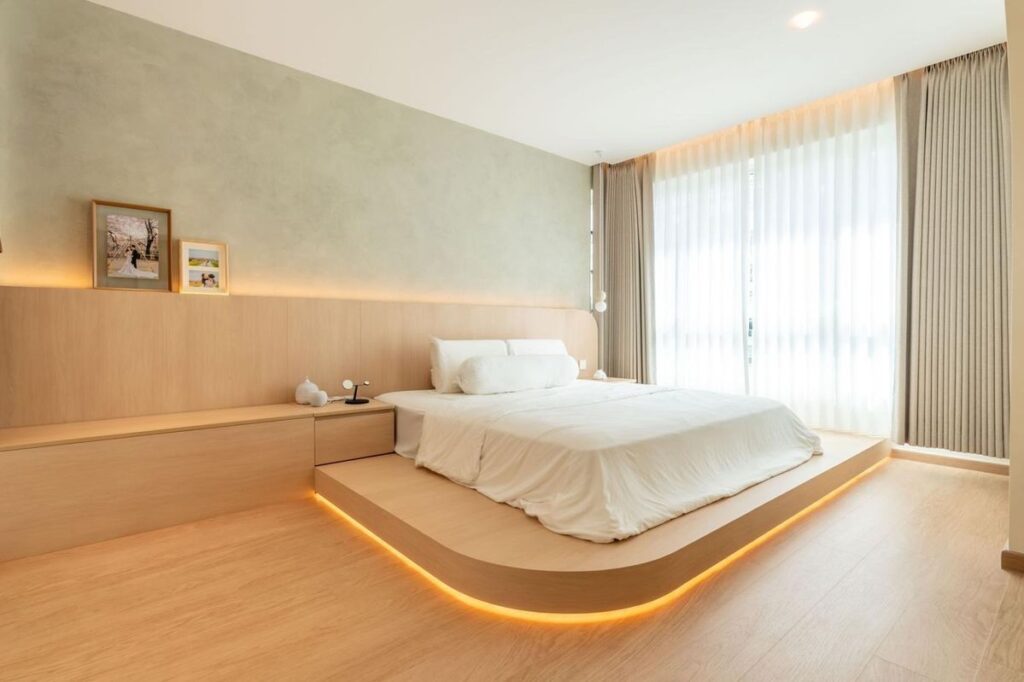
In modern bedroom design, bed height is a genuine stylistic decision — and the low-profile or platform bed is one of the most distinctively contemporary choices available. A low bed sits close to the floor, creating a horizontal emphasis that makes ceilings feel higher and rooms feel larger. It has a Japanese-influenced groundedness and simplicity that communicates a specific, confident aesthetic — one that is completely different from the visual weight of a traditional high-profile divan or sleigh bed.
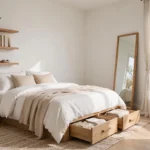
A platform bed in natural walnut, clean-lined oak, or a simple linen-upholstered frame without legs creates an architectural quality that defines the room’s contemporary character. Pair with bedside tables or floating shelves at the same low height to maintain the horizontal emphasis throughout. The bedding should be simple and clean — white or natural linen, folded neatly — and the bed dressed with restraint. In a modern bedroom, the bed should look composed and intentional rather than piled and cosy.
3. Install Handleless Built-In Wardrobes for Seamless Walls
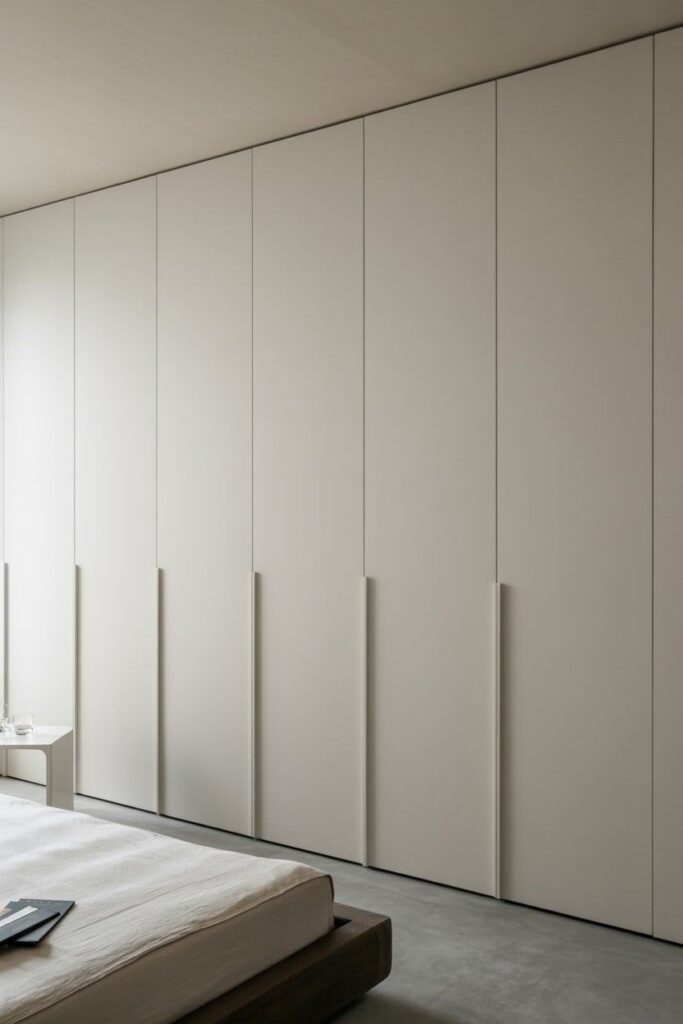
Nothing defines a modern bedroom’s visual calm more powerfully than seamless built-in wardrobe storage — and the handleless, floor-to-ceiling version is the gold standard. When the wardrobe doors are flush with the ceiling and walls, in a finish that closely matches the wall colour, and have no visible handles to break the clean surface, the storage effectively disappears into the architecture. The wall looks like a wall. The room looks significantly calmer and larger than the same room with freestanding wardrobes.
Push-to-open mechanisms (or a slim finger-pull recess) maintain the handleless aesthetic while remaining completely functional. The door finish should match the wall colour (white on white walls, greige on greige) or contrast deliberately and confidently (a deep colour against light walls, for a more dramatic modern effect). Inside, invest in a considered organisation system — because in a modern bedroom where doors are closed and surfaces are clear, the interior of the wardrobe is where the real organisation work happens.
4. Use Texture to Prevent Modern From Feeling Cold
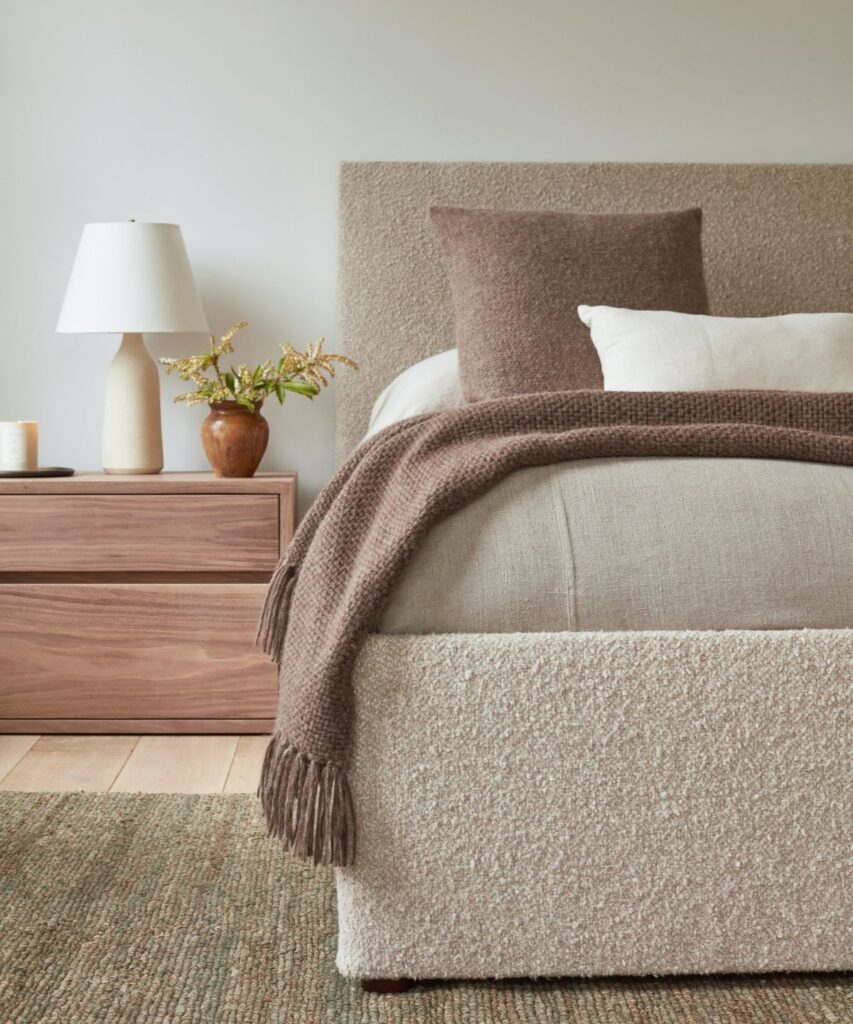
Texture is the secret ingredient that separates a cold modern bedroom from a warm one — and in a room where colour is restrained and decoration is minimal, texture becomes the primary source of visual and sensory richness. A modern bedroom that lacks textural variation feels flat and monotonous; one with multiple, considered textures in the same tonal family feels rich, complex, and genuinely beautiful.
Layer textures throughout the room: matte plaster walls beside smooth linen bedding beside a chunky knit throw. A natural rattan bedside lamp beside a smooth ceramic vase. Honed stone beside warm timber. Soft bouclé cushions beside crisp cotton pillowcases. The key is to vary the surface quality — smooth, rough, woven, matte, warm, cool — while keeping the colour palette calm and unified. This textural complexity within a restrained palette is the defining quality of the very best modern interior design.
5. Choose a Floating or Wall-Mounted Bed Frame for Spatial Lightness
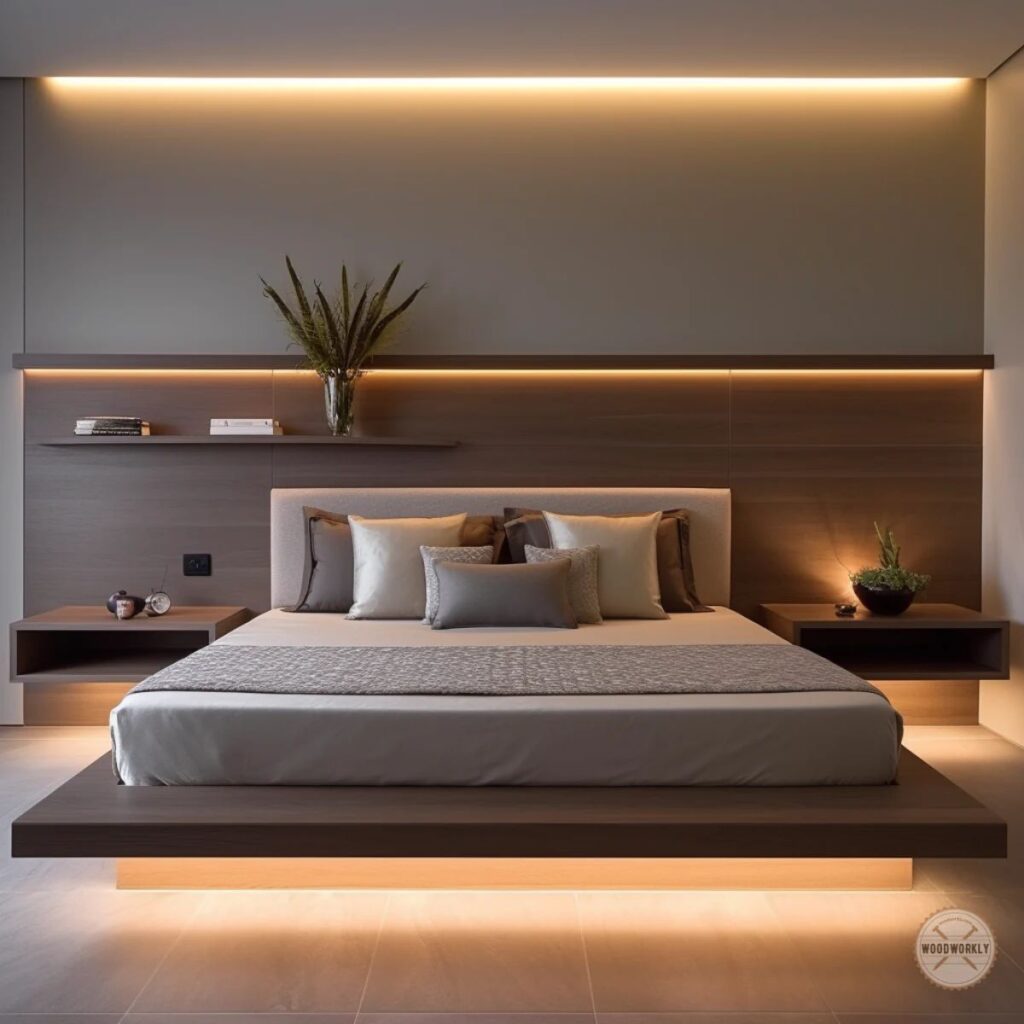
A floating bed frame — one that appears to hover above the floor, either mounted on a concealed wall bracket or with legs set in from the edges so the floor beneath is visible — is one of the most distinctively modern and architecturally sophisticated bedroom design choices available. The visual effect of the floor running uninterrupted beneath the bed makes the room feel significantly more spacious, and the sense of the bed levitating above the floor has a quality of considered, architectural intention that traditional bed frames lack.
The most dramatic version includes an LED strip light running along the underside of the frame, casting a soft warm glow across the floor beneath — a detail that looks extraordinary in evening light and adds an ambient lighting layer to the room at no additional cost once the LED strip is installed. Even without the lighting detail, a bed that appears to float above the floor creates a spatial lightness that is unmistakably and beautifully modern.
6. Select Modern Lighting as a Design Statement
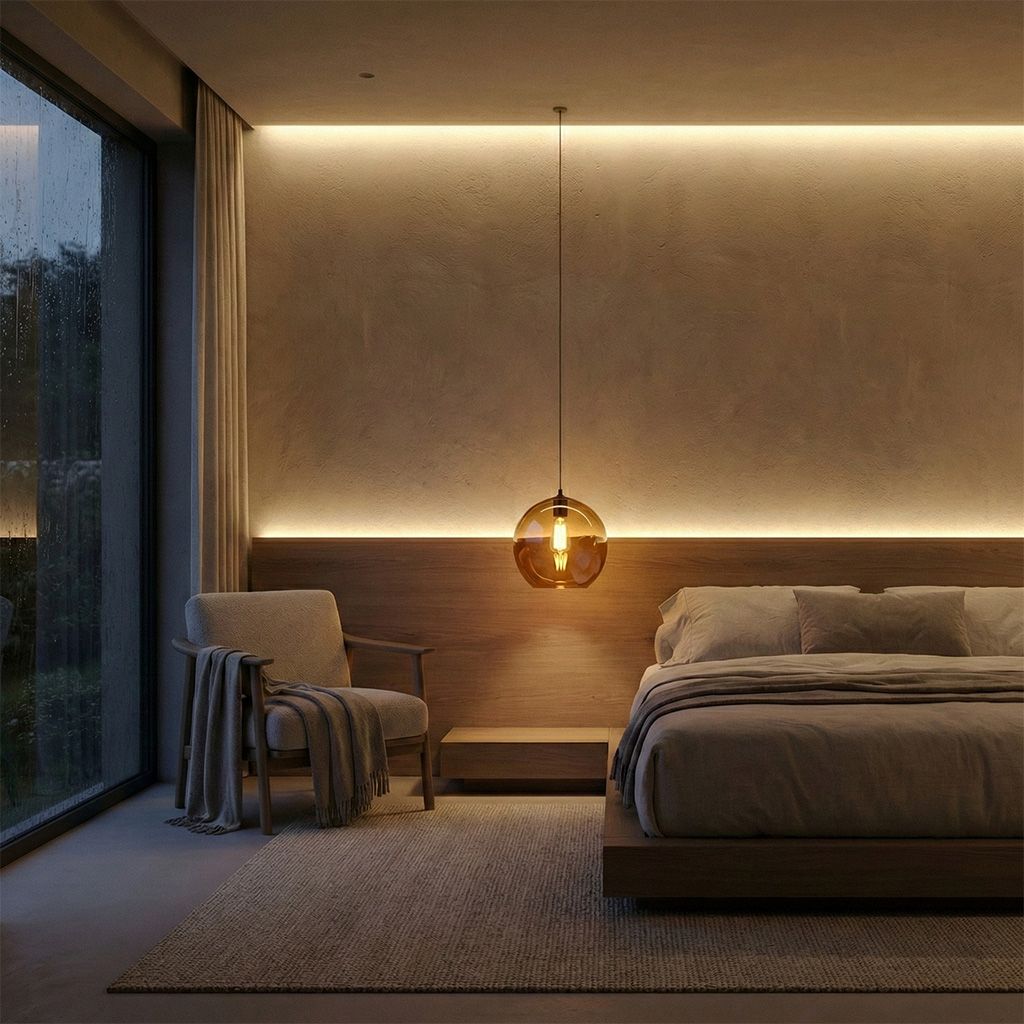
In a modern bedroom where decoration is deliberately restrained, lighting fixtures become architectural and design elements in their own right — the equivalent of sculpture in a more ornate room. The choice of pendant, sconce, or floor lamp in a modern bedroom is not merely a functional decision; it is a statement about the room’s design intention and the quality of the design eye behind it.
A single large sculptural pendant above the bed — in a simple organic form, a geometric concrete shade, or a beautifully proportioned drum — becomes the room’s visual anchor and most significant decorative element. Slim, wall-mounted reading sconces on either side of the bed replace table lamps with something more architecturally integrated and more visually clean. A tall, minimal floor lamp with a long stem in the corner adds a vertical accent that the horizontal emphasis of modern bedroom furniture often needs. All on dimmers — always.
7. Keep the Colour Story Deliberate and Cohesive
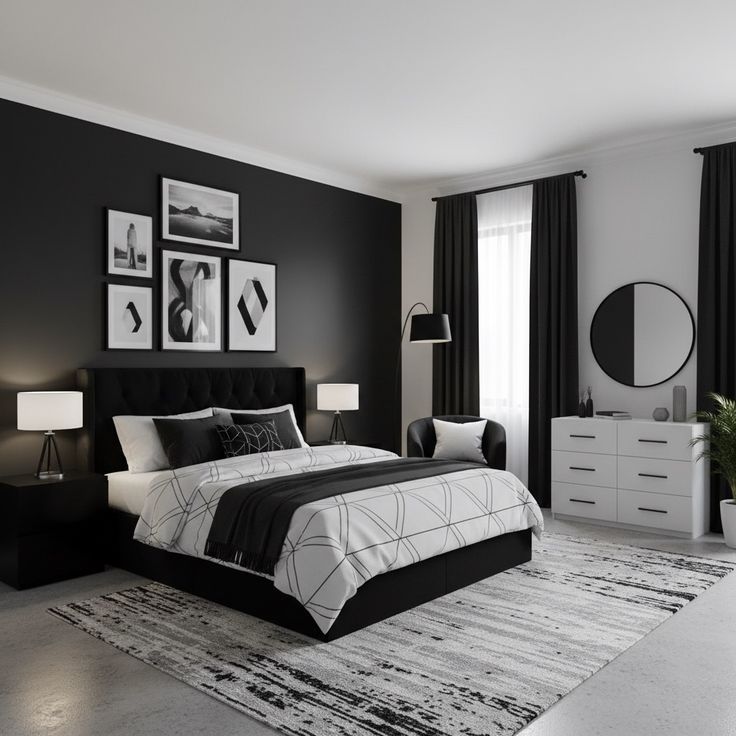
Modern bedroom design benefits from a deliberate, limited colour story — one that has been thought through rather than assembled. The most successful modern bedrooms have a clear, intentional palette: one dominant neutral, one accent or feature tone, and the warm natural tones of wood and textile woven through both. Everything in the room should be able to reference this palette without exception.
A classic modern bedroom colour strategy: warm white walls on three sides, with a deep, considered tone on the headboard wall only — warm charcoal, deep forest green, rich navy, or warm terracotta. This single wall of depth creates a focal point, frames the bed dramatically, and gives the room dimension without complicating the overall palette. The furniture, bedding, and accessories should all sit comfortably within the same warm tonal family. A cohesive colour story, applied with confidence, makes a modern bedroom feel designed from the inside out.
8. Incorporate Natural Wood for Essential Warmth
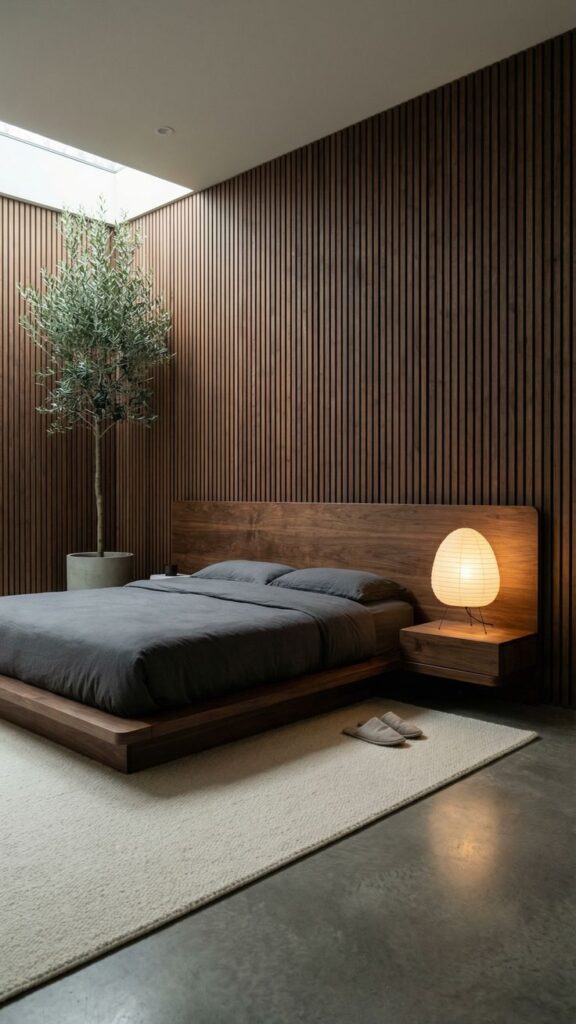
In a modern bedroom designed around neutral tones and clean lines, natural wood is the element that prevents the room from tipping into coldness — and it should be present throughout, not as an afterthought but as a deliberate and significant design choice. Warm oak, natural walnut, and light ash are all excellent modern bedroom wood choices: they have grain and warmth without the rustic quality of more aged or reclaimed timber.
Wood in a modern bedroom can appear in the bed frame, the floating bedside shelves, the chest of drawers, the floor (wide-plank oak flooring is one of the most beautiful modern bedroom foundations), and in small accessories — a wooden tray on the bedside table, a slim wooden picture frame. The continuity of the same wood tone across multiple elements creates a cohesion and warmth that makes the room feel resolved and intentional. Where possible, choose the same wood species throughout — oak on oak, walnut on walnut — for a unified quality.
9. Minimise Visual Noise: One Statement, Not Many
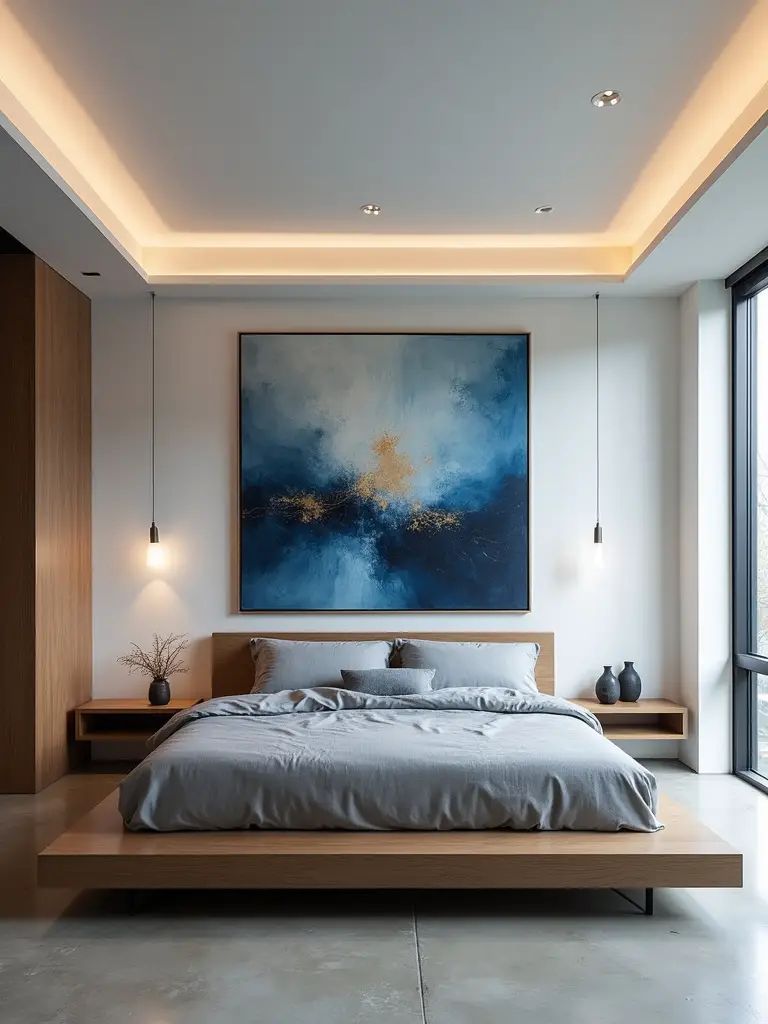
One of the defining disciplines of modern bedroom design is the commitment to visual restraint — specifically, to choosing one design statement per room and letting it exist without competition. A single large piece of art on the headboard wall. One beautiful sculptural pendant. One dramatic feature wall colour. One striking piece of furniture. The mistake that most frequently undermines modern bedroom design is the accumulation of multiple statements that compete for attention and collectively create visual noise.
Ask yourself, of every element in the room: is this adding to the room’s statement, or is it competing with it? If a second piece of art competes with the first, remove one. If the bedside lamp competes with the pendant, simplify one of them. If the cushion collection on the bed competes with the headboard, edit it. The visual discipline of one clear statement — supported by everything else in the room, rather than challenged by it — is the signature quality of truly confident modern interior design.
10. Use Large-Format Art as Architecture
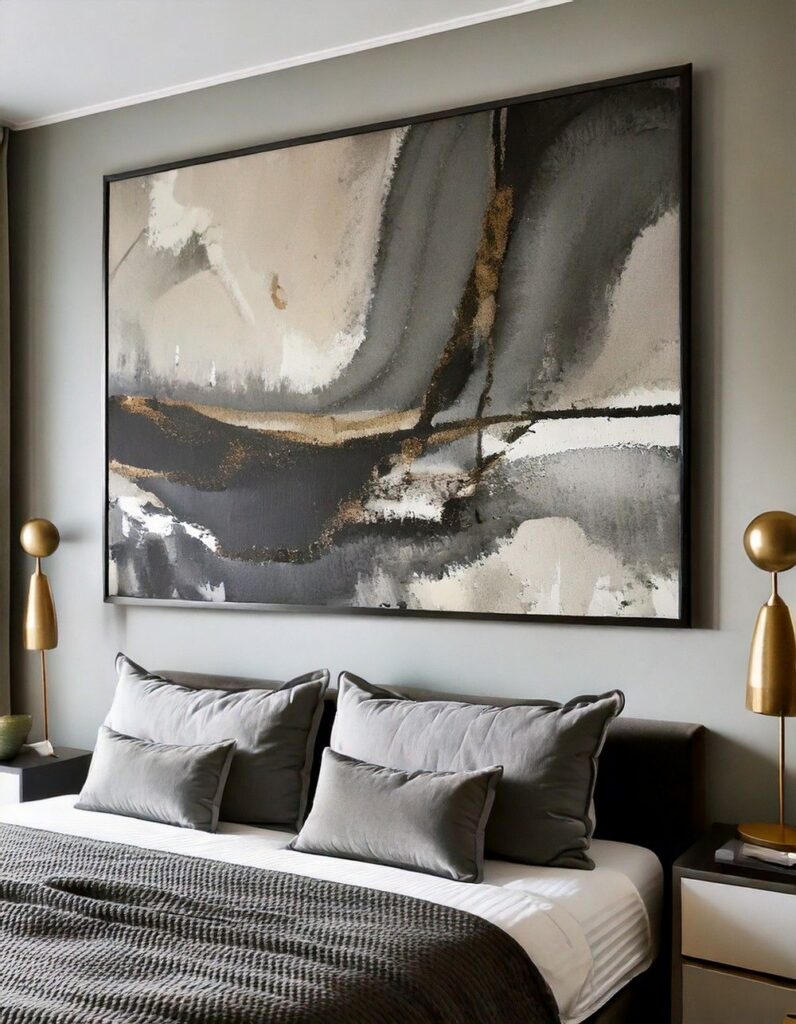
In a modern bedroom where decoration is deliberately restrained, a single large-format piece of art can function as both a decorative element and an architectural one — providing colour, texture, and visual weight in a way that a collection of smaller pieces never quite achieves. A large canvas or print, positioned centred above the bed and spanning most of the headboard wall’s width, creates a composition that makes the bed and the wall behind it feel resolved as a single, gallery-quality moment.
Choose art for the modern bedroom with the same principles that guide all other modern bedroom choices: warm tones, considered composition, and the confidence to let one great thing speak for the whole room. Abstract works in warm neutrals, graphic line drawings, large-scale photography in warm monochrome, or textured sculptural artwork all work beautifully in a modern bedroom context. Frame choices should be simple: slim natural wood, thin black, or no frame at all with a gallery-wrapped canvas. The art should feel like it was chosen, not accumulated.
11. Design with Negative Space — Let the Room Breathe
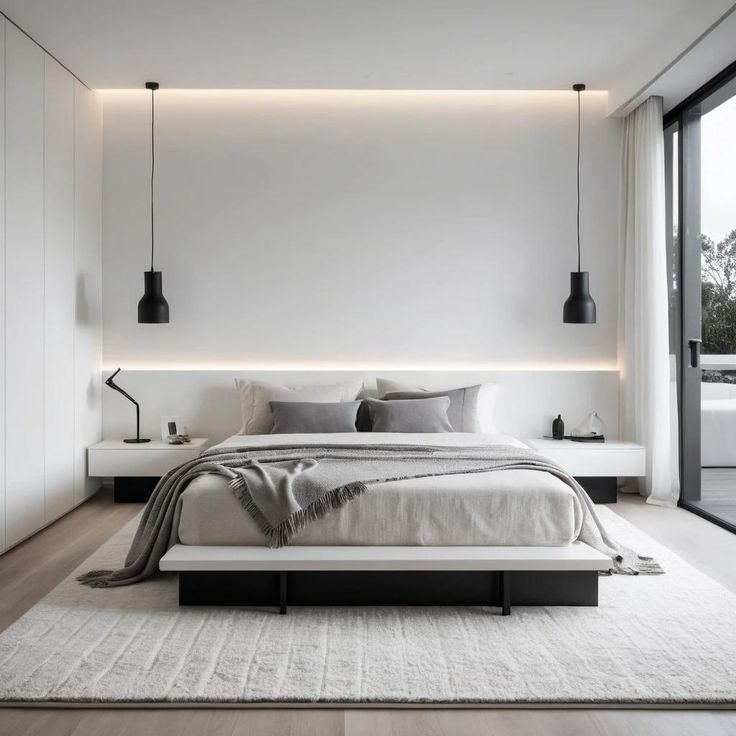
Perhaps the most distinctively modern quality in bedroom design is the intentional use of negative space — the deliberate emptiness that allows the room’s architecture and its carefully chosen elements to be fully seen and felt. Negative space in a modern bedroom is not a design failure or an incomplete room. It is an active choice: to let the room breathe, to allow the eye to rest, and to make the elements that are present feel more significant by contrast with what surrounds them.
Resist the instinct to fill every corner, cover every wall, and furnish every available surface. A modern bedroom should have clear floor space — not just circulation paths, but genuinely open areas where the floor itself is part of the design. Walls should be mostly bare, with one or two deliberate exceptions. Surfaces should be clear, with one or two deliberate objects. The empty parts of the room contribute as much as the filled parts. This is the counter-intuitive truth at the heart of modern design.
12. Introduce Indoor Plants for Organic Life
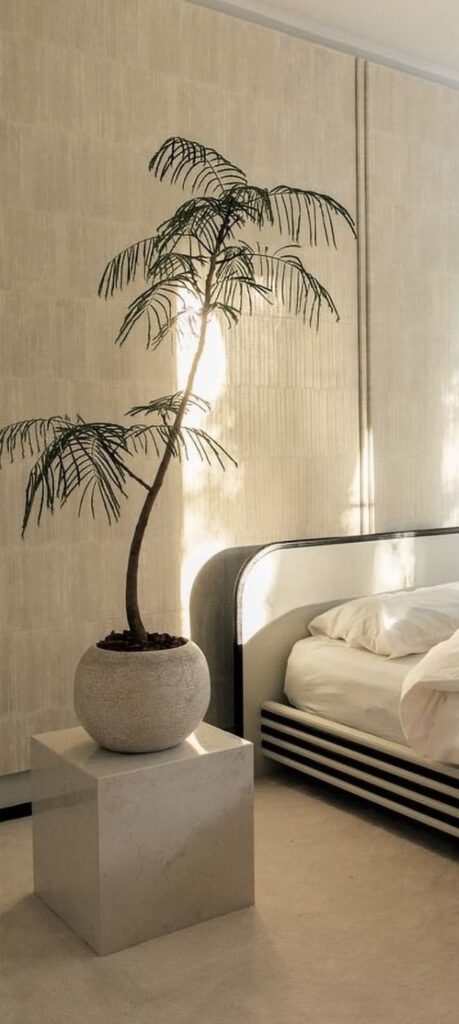
In a modern bedroom where organic materials and natural warmth are so important, a well-chosen plant provides something nothing else can: actual life. The quality of presence that a large, thriving plant brings to a clean modern room is unique and irreplaceable — it adds organic movement, natural colour, and a connection to the living world that makes the room feel inhabited rather than staged.
In a modern bedroom, plants work best as singular statements rather than collections: one large plant — a fiddle-leaf fig, a large monstera, a mature snake plant — positioned in the room’s best light and given space to be fully seen. A simple, quality pot in matte ceramic, stone, or clean white concrete complements the modern aesthetic. The plant should be large enough to make a real visual impact — small plants on shelves read as accessories; a large floor plant reads as a design element. One excellent plant, well-cared-for, is worth a dozen small ones.
13. Keep Technology Invisible — or Design It Out
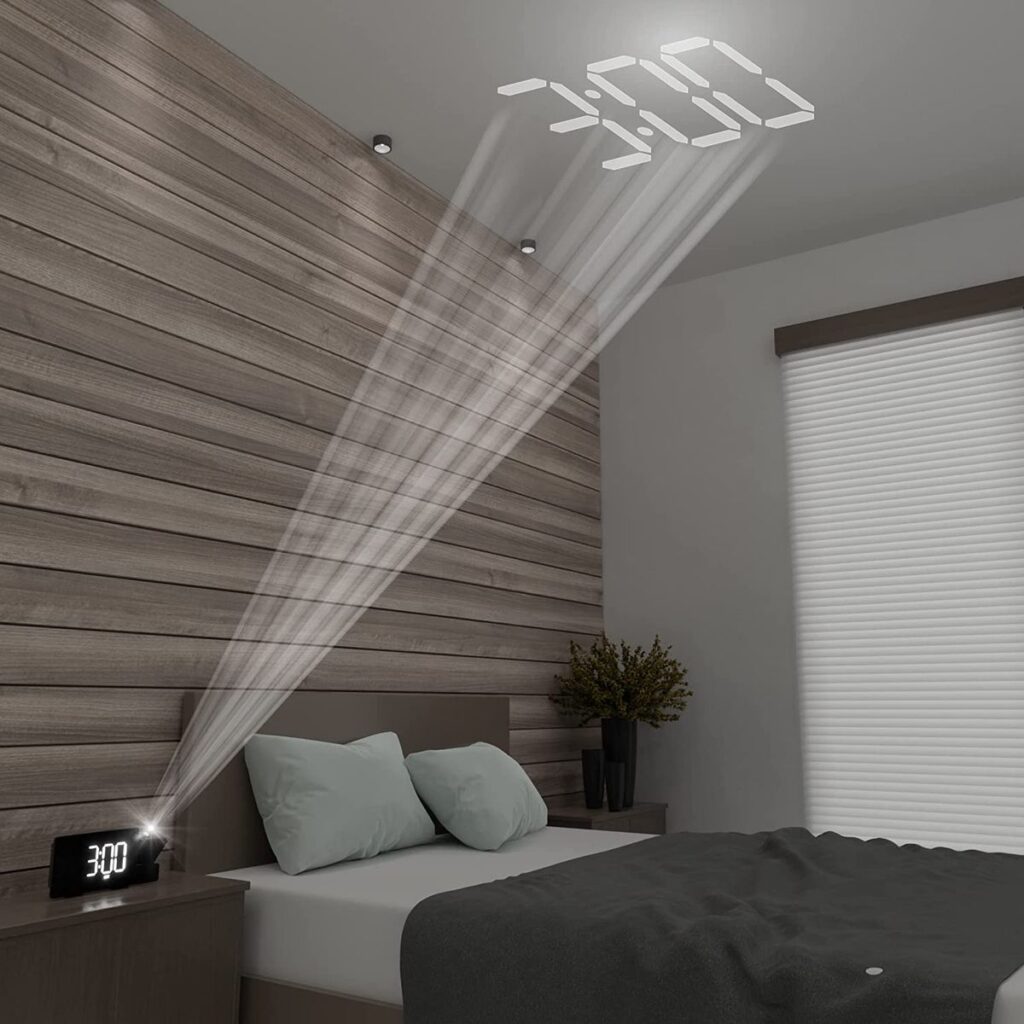
One of the principles of the most aspirational modern bedroom design — the bedrooms in design hotels and in the homes of people who take their rest seriously — is the deliberate removal of technology from the bedroom environment. Not because technology is inherently wrong, but because a bedroom that feels like a genuine sanctuary from the demands and stimulation of the connected world is a different, better quality of space than one that doesn’t.
Where technology must be present in the bedroom, design it to be invisible: cables managed and concealed, charging stations hidden inside drawers or behind cabinetry, the television mounted flush with the wall or inside a cabinet that closes when not in use. A bedroom free of exposed technology is a bedroom where the eye has nothing to catch on except the design itself — and where the mind has nothing to catch on except rest. In a modern bedroom committed to visual calm, this is both a design principle and a lifestyle one. Both are worth keeping.
━━━━━━━━━━━━━━━━━━━━━━━━━━━━━━━━━━━━━━━━
Modern bedroom design, done well, creates something genuinely rare: a room that feels simultaneously exciting and restful, contemporary and warm, designed and human. A room where every decision has been made with confidence and where the confidence shows — not in excess or showiness, but in the serene quality of a space that knows exactly what it is.
Start with warmth: warm neutrals, natural wood, textured linen. Build from there with restraint: one design statement, clean lines, negative space. Add life: a plant, art that means something, a lamp that makes you look beautiful at the end of a long day.
The modern bedroom you’re imagining — calm, confident, and completely yours — is entirely achievable. Choose deliberately. Edit generously. And let the room breathe. Which modern bedroom idea resonates most with your aesthetic? Share your design decisions or your beautiful
before-and-after in the comments — I’d love to see the modern sanctuary you create!
Keep Exploring
For more modern bedroom inspiration, keep exploring these related guides: minimalist bedroom design ideas, bedroom furniture design ideas, and Italian bedroom design ideas.



[…] modern bedroom design ideas […]
[…] modern bedroom design ideas […]
[…] Modern Bedroom Design Ideas — sleek lines, calm colors, and clutter-free comfort. […]
[…] browse our bedroom decor guides for more relaxed styles, from calm minimalist bedroom palettes to modern bedroom designs and Japandi-inspired retreats. Your most personal, most comfortable bedroom is the one that looks […]