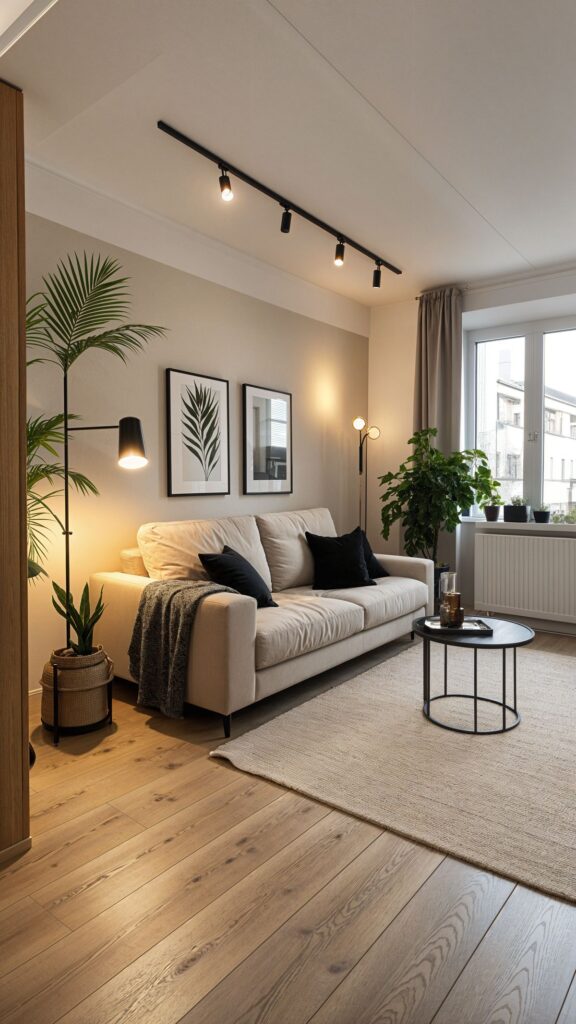

If you have a small living room, you probably know the feeling well. You look at beautiful interiors online — sprawling sectionals, oversized coffee tables, dramatic gallery walls — and then you look at your compact space and wonder how any of it could possibly translate. You rearrange the furniture for the tenth time. Nothing feels quite right. The room still feels cramped, cluttered, and not quite like the warm, welcoming home you’re imagining.
Here’s what most design guides won’t tell you: small living rooms are actually one of the most exciting design challenges there is. Constraints force creativity. A small space demands that every single element earns its place — which means a well-designed small living room is almost always more intentional, more curated, and more genuinely personal than a large one that was simply filled with whatever fit.
In this post, we’re sharing 13 smart small living room design ideas that will help you make the most of every square foot — making your space feel larger, lighter, more organized, and beautifully styled. Whether you have a narrow apartment living room, a compact open-plan space, or simply a room that feels smaller than it should, there’s something here for you. Let’s unlock the full potential of your small living room.
1. Choose a Light, Cohesive Color Palette Throughout
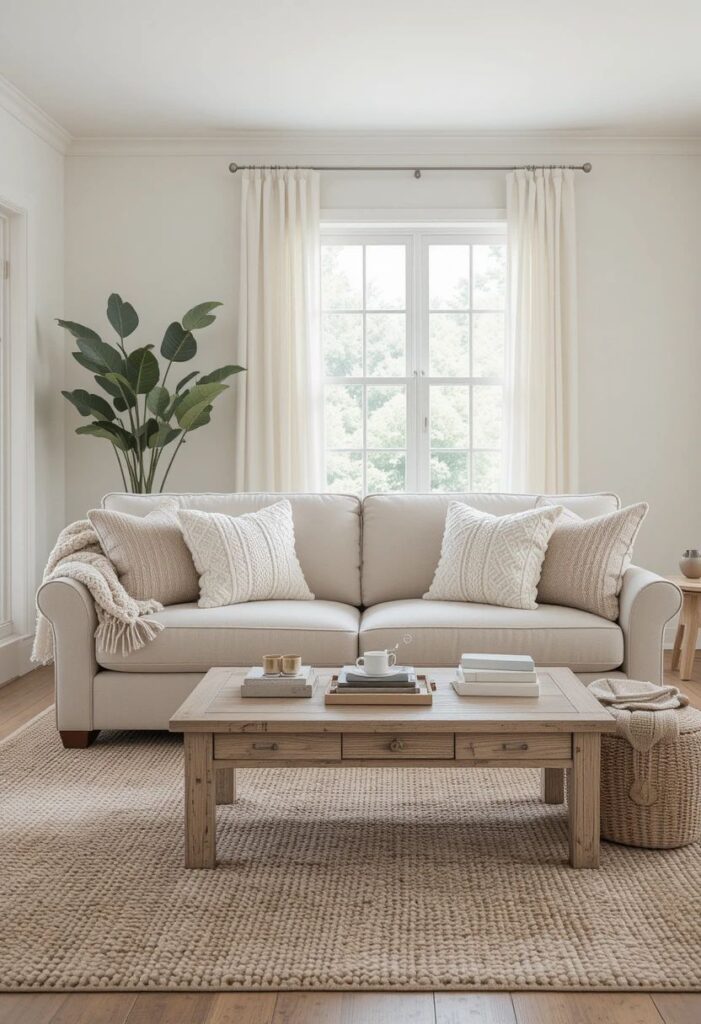
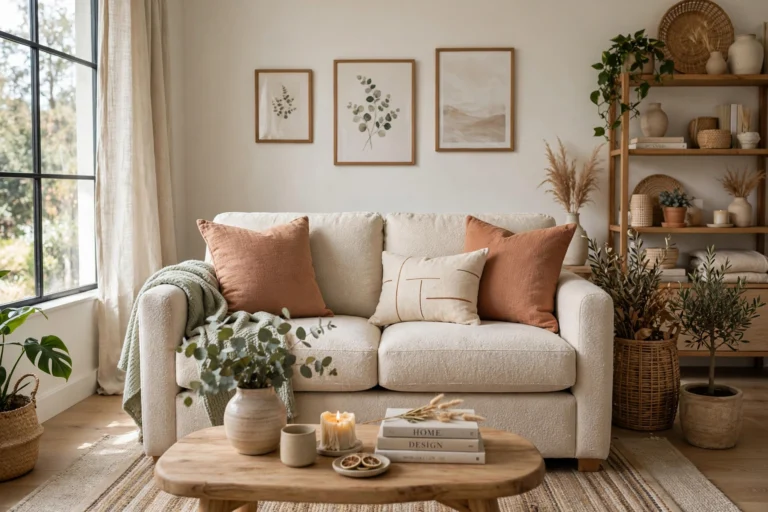
The single most effective small living room design move you can make is choosing a light, cohesive color palette and applying it consistently throughout the room. Light tones — soft white, warm cream, pale greige, soft sage — reflect natural and artificial light beautifully, making the room feel open and airy rather than boxed in. The key word is cohesive: when walls, furniture, and soft furnishings all sit within the same tonal family, the eye moves smoothly around the room without stopping on jarring contrasts. This visual continuity creates a seamless flow that makes even a very small living room feel calm, spacious, and intentionally designed. Add personality through texture and subtle pattern rather than bold contrasting colors.
2. Get the Furniture Scale and Proportion Exactly Right
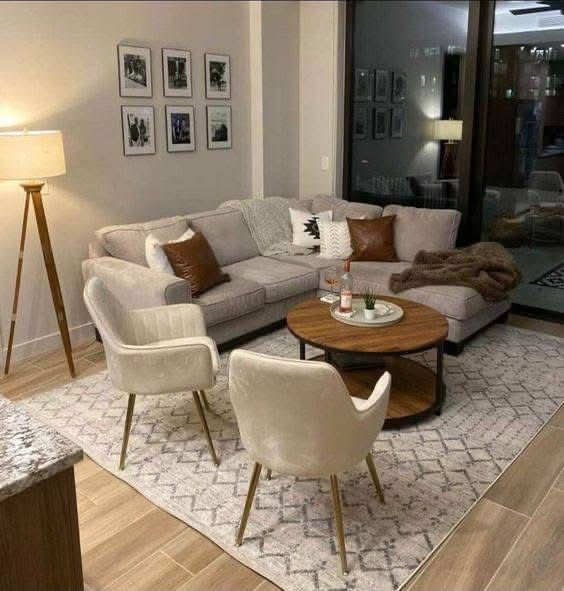
Oversized furniture is the most common — and most damaging — mistake in small living room design. A large sectional or oversized coffee table that dominates the entire floor plan makes a small room feel claustrophobic and impossible to navigate comfortably. The fix is simple but requires discipline: choose furniture that is genuinely scaled to your room. A compact two-seater sofa rather than a three-seater, a round or oval coffee table rather than a large rectangular one, a slim armchair rather than a wide club chair. Measure your floor plan carefully before buying anything and map out the furniture arrangement on paper first. Correctly scaled furniture in a small living room always looks more spacious and more considered than furniture that’s even slightly too large.
3. Use Mirrors Strategically to Expand the Space
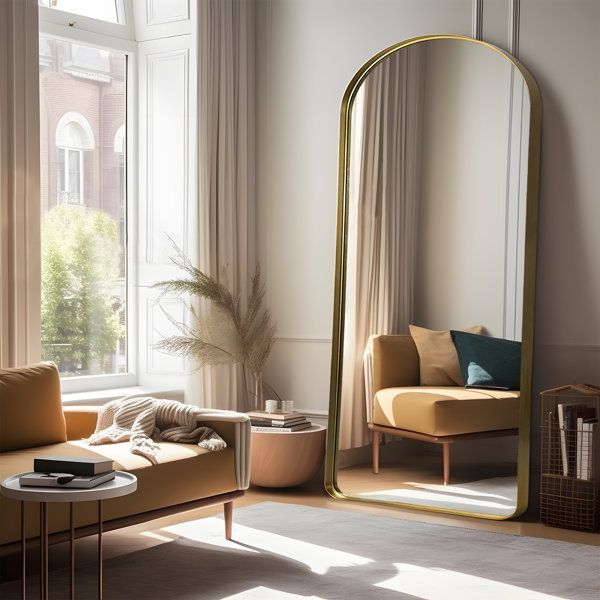
Mirrors are one of the most powerful and time-tested tools in small living room design — and the reason is pure visual physics. A large mirror positioned on the wall opposite a window doubles the natural light in the room by reflecting it back across the space, and creates the impression of a room beyond the wall — adding depth and dimension that genuinely makes the room feel larger. For maximum impact, choose a mirror that is substantial in scale — a large arched leaner, a full-width wall mirror above the sofa, or a gallery of smaller mirrors arranged as a cluster. Avoid small, decorative mirrors that are too petite to have any real spatial effect. In a small living room, mirror size matters enormously.
4. Arrange Furniture Away from the Walls
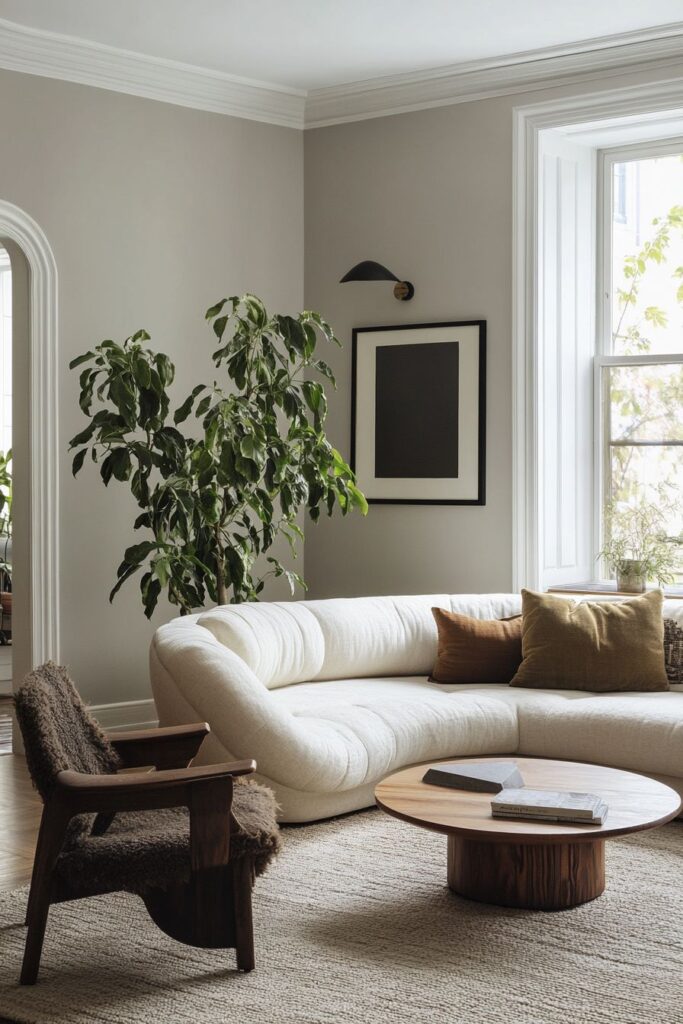
Counter-intuitive as it seems, one of the most effective small living room design ideas is to pull your furniture slightly away from the walls rather than pushing it all back against them. The instinct to line furniture along the walls comes from wanting to maximize floor space — but the result is almost always a room that feels awkward, disconnected, and like a waiting room rather than a comfortable living space. When furniture floats slightly into the room, it creates a defined seating zone that feels intimate and purposeful. The small gap between the sofa back and the wall actually creates a sense of depth that makes the room feel larger. Try it — the difference is immediately visible and surprisingly significant.
5. Choose Multi-Functional Furniture for Maximum Efficiency
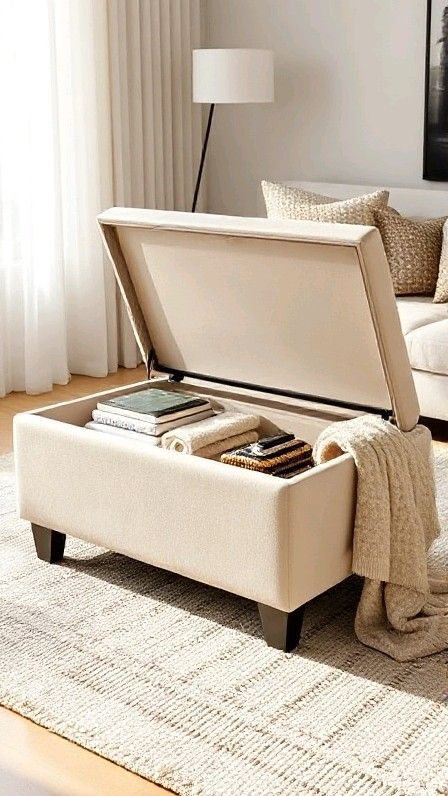
In a small living room, every single piece of furniture should justify its presence by serving more than one purpose. A storage ottoman used as a coffee table gives you a surface, seating for extra guests, and hidden storage inside. A console table positioned behind the sofa doubles as a home office desk and display surface. A sofa bed transforms the living room into a guest bedroom overnight. Built-in window seats provide a cozy reading spot with hidden storage beneath. Nesting tables that tuck under each other when not in use free up floor space the moment they’re no longer needed. This multi-functional mindset is the core discipline of small living room design — and it’s what separates spaces that work from spaces that don’t.
6. Hang Curtains at Ceiling Height to Create Vertical Drama
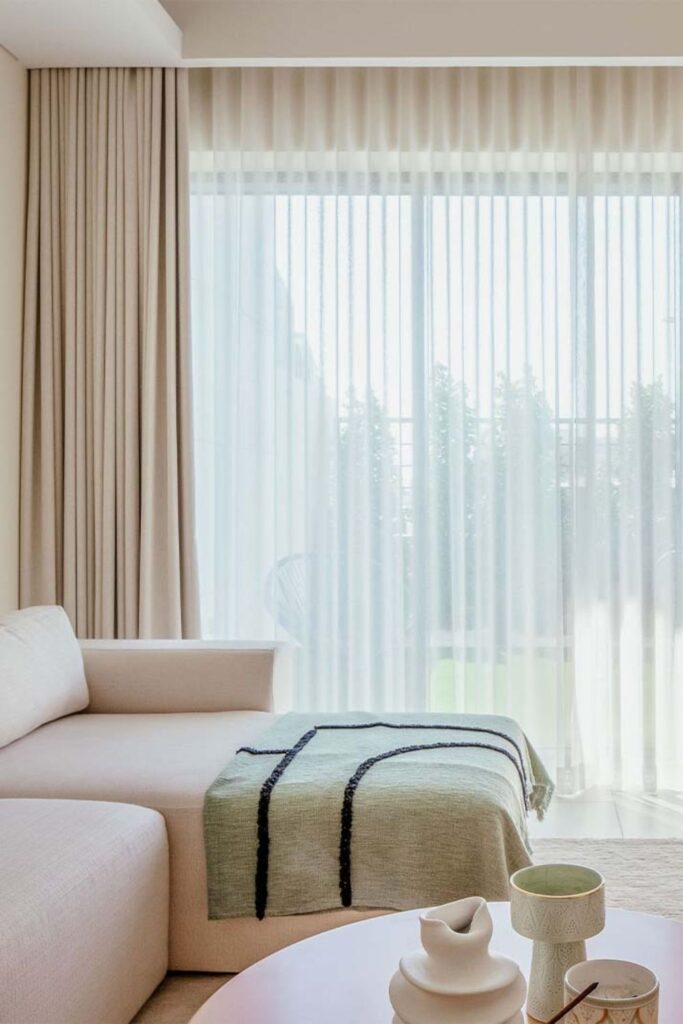
This is one of the most transformative — and most frequently overlooked — small living room design tricks: hang your curtains at ceiling height, not just above the window frame. When a curtain rod is mounted right at the ceiling line, and the panels extend generously beyond the window on each side, two magical things happen. First, your window looks dramatically larger and more generous. Second, your ceiling appears much taller than it actually is. Both effects make the living room feel significantly more spacious, more elegant, and more expensive-looking. Choose lightweight, flowing fabrics in neutral tones — sheer linen, light cotton, or gauzy voile — to maximize the light entering the room while maintaining the vertical, airy effect.
7. Choose a Sofa in a Light Color or Leggy Profile
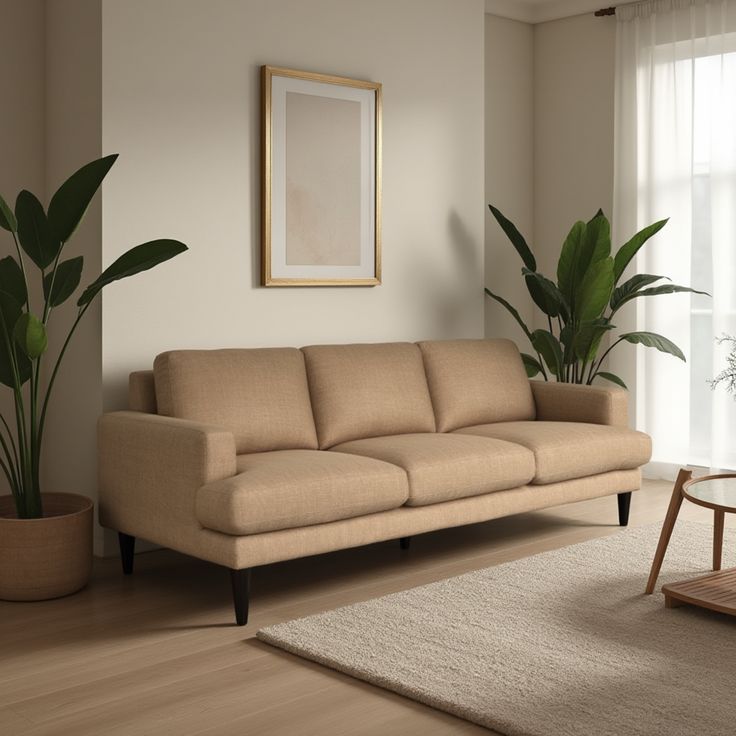
Your sofa choice has an enormous impact on how large or small your living room feels — and two specific design details make the biggest difference in a compact space. First, choose a sofa in a light or neutral color: cream, oat, soft grey, or warm white all help the sofa blend into the room rather than dominating it visually. Second, choose a sofa with visible legs rather than a fully skirted or block-based model. When you can see the floor beneath the sofa, the room feels significantly more open because the sightline continues uninterrupted across the floor. Slim, tapered wooden or metal legs are particularly beautiful in a Scandinavian or contemporary small living room and add an elegant, lifted quality to the whole space.
8. Use Vertical Space for Storage and Display
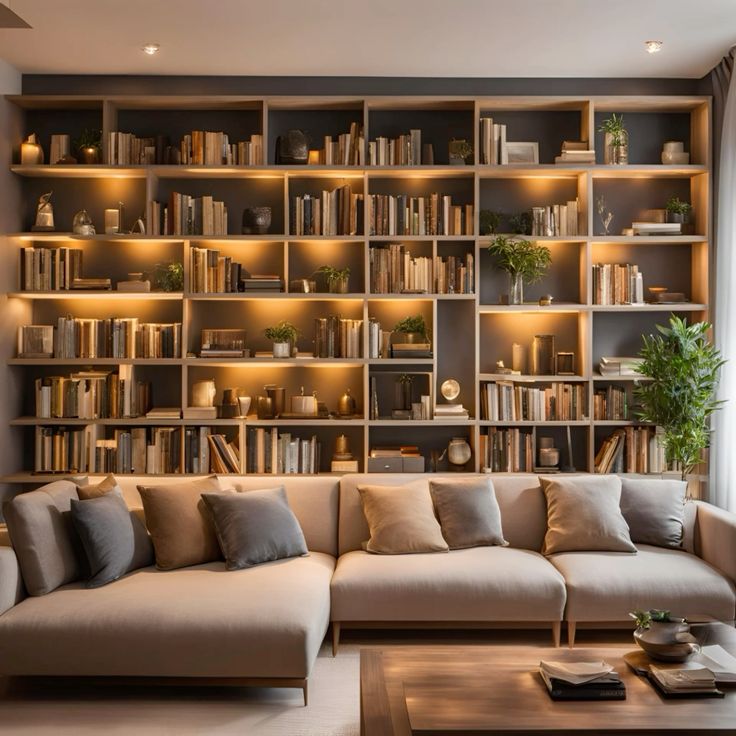
When floor space is at a premium in a small living room, the walls — and specifically the vertical space on those walls — become your most valuable design resource. A floor-to-ceiling bookshelf or shelving unit along one full wall delivers an enormous amount of storage and display space while actually making the room feel taller and grander by drawing the eye upward. Floating wall shelves above the sofa or beside the TV add storage without consuming any floor space. Wall-mounted TV units eliminate the need for a bulky media console on the floor. Even tall, slim plants in the corners add vertical interest and draw the eye up in the most beautiful, organic way. In a small living room, think tall — not wide.
9. Define Your Seating Zone with the Right Size Rug
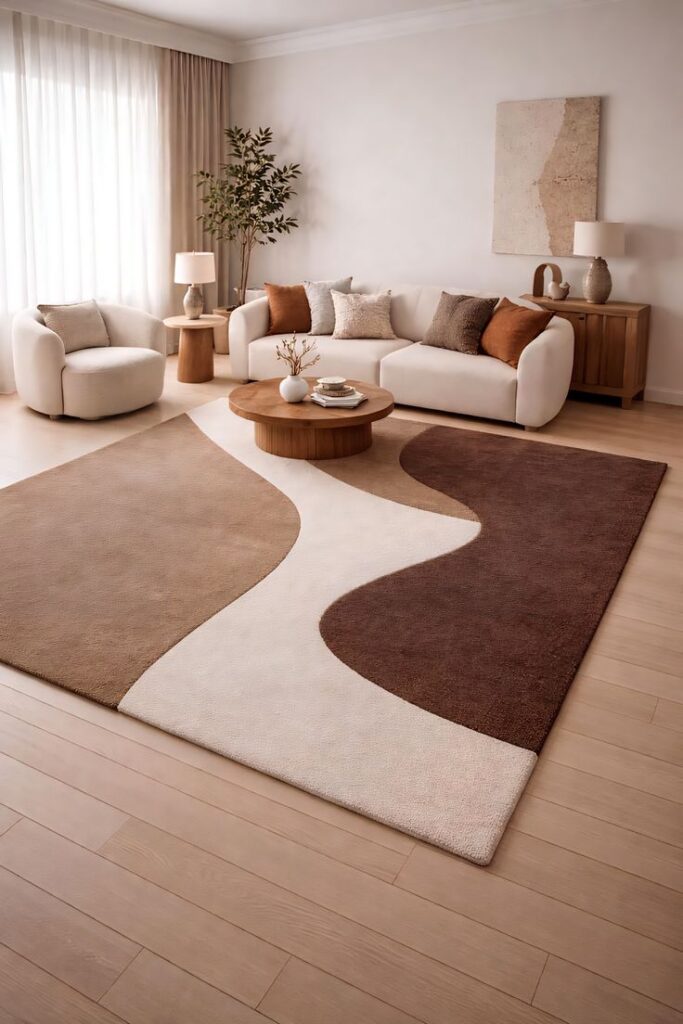
A rug in a small living room is non-negotiable — but getting the size exactly right is critical. The most common mistake is choosing a rug that’s too small, which makes the furniture look like it’s floating in disconnected pieces rather than forming a unified, purposeful seating group. In a small living room, the rug should be large enough for at least the front legs of all your seating furniture to sit on it — this grounds the arrangement and defines the seating zone clearly. A rug in a light, natural tone (jute, sisal, soft cream, pale grey) keeps the floor feeling open and airy while still providing all the warmth, texture, and definition that a rug brings to the space.
10. Create a Clear Focal Point to Give the Room Direction
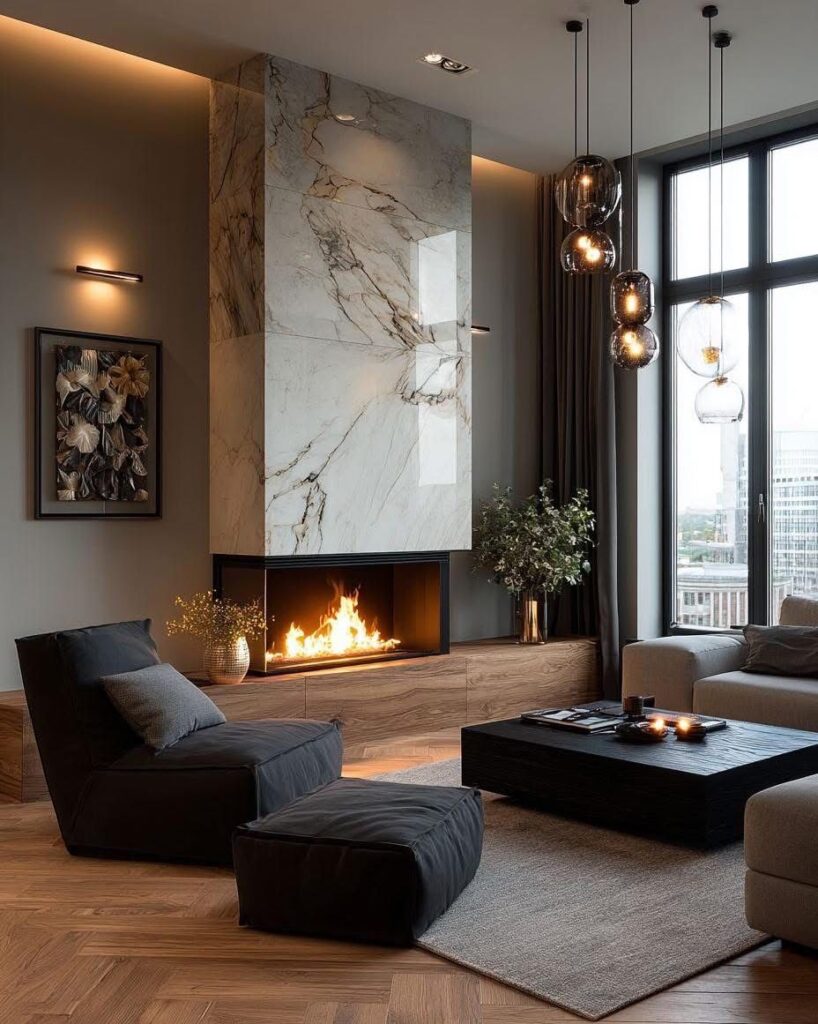
Even in a small living room, having one clear, confident focal point makes an enormous difference to how designed and purposeful the space feels. A focal point gives the room a sense of direction — something for the furniture to face toward, something for the eye to land on when entering the room. In many living rooms, the fireplace or TV serves this role naturally. If neither is present, create your own: a beautifully styled gallery wall, a large piece of art, a statement piece of furniture in a bold color, or even a beautifully dressed window. The focal point doesn’t need to be large — it needs to be intentional, well-styled, and clearly positioned as the visual anchor of the room.
11. Keep Clutter Hidden and Surfaces Edited
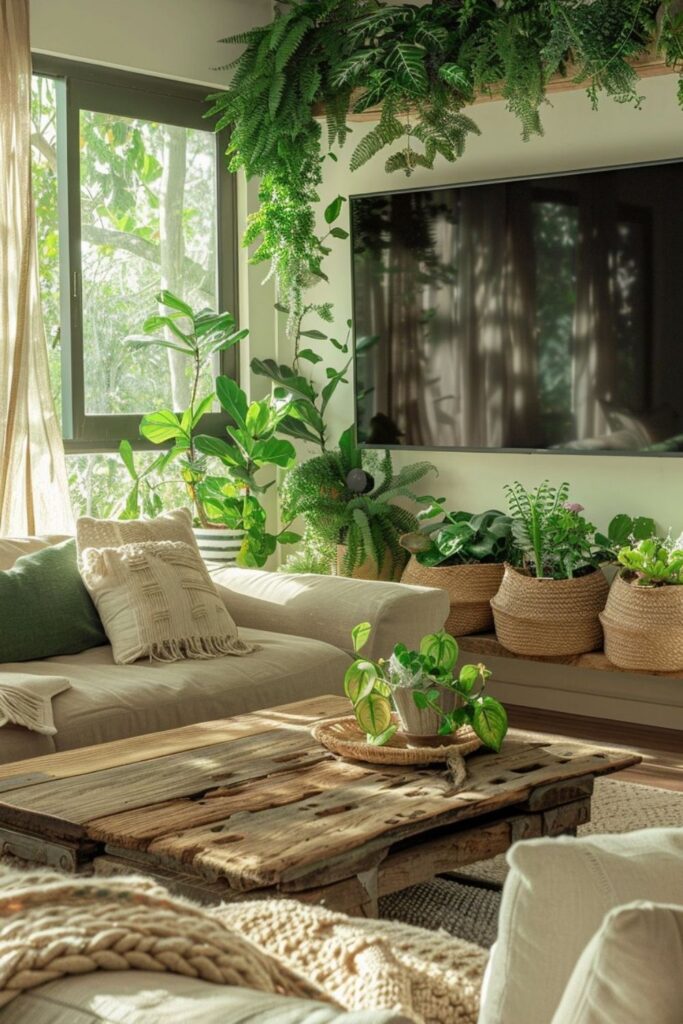
In a small living room, clutter is the enemy of calm — and the single most effective thing you can do to make your compact space feel larger and more beautiful is to edit ruthlessly and hide what doesn’t need to be seen. Remote controls, cables, gaming equipment, magazines, children’s toys — all of these need homes that are behind closed doors, in baskets, or in storage ottomans. Keep every visible surface — coffee table, shelves, console table — as clear as possible, with only genuinely beautiful or meaningful objects on display. The difference between a small living room that feels cramped and one that feels calm and spacious is almost always the presence or absence of visible clutter. Tidy is not boring — tidy is transformative.
12. Add Personality with Carefully Chosen Accessories
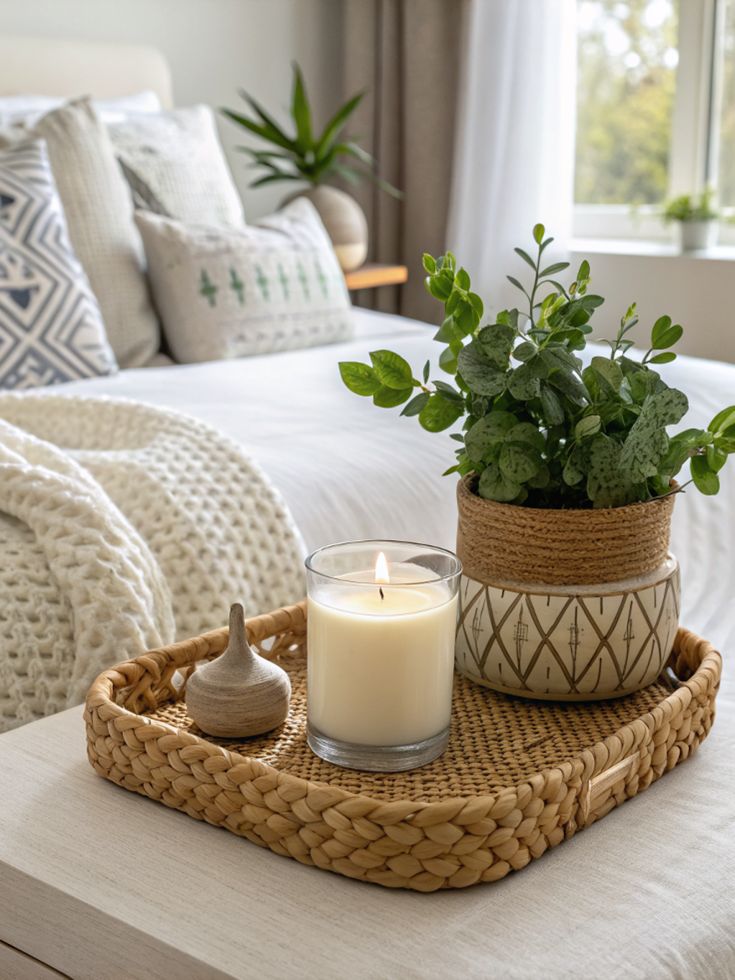
A small living room should never feel sparse, cold, or personality-free — but the accessories you choose need to be more intentional than in a larger space where there’s room for more generous abundance. In a compact living room, choose fewer, better objects: one beautiful vase rather than three mediocre ones, one meaningful piece of art rather than an overcrowded gallery, one lush plant rather than ten small ones scattered randomly. Quality over quantity is the guiding principle. Each accessory you choose should either add genuine beauty, tell a meaningful personal story, or serve a real function. When every object has a reason to be there, even the most minimal small living room feels rich, warm, and utterly alive.
13. Light Your Small Living Room in Beautiful Layers
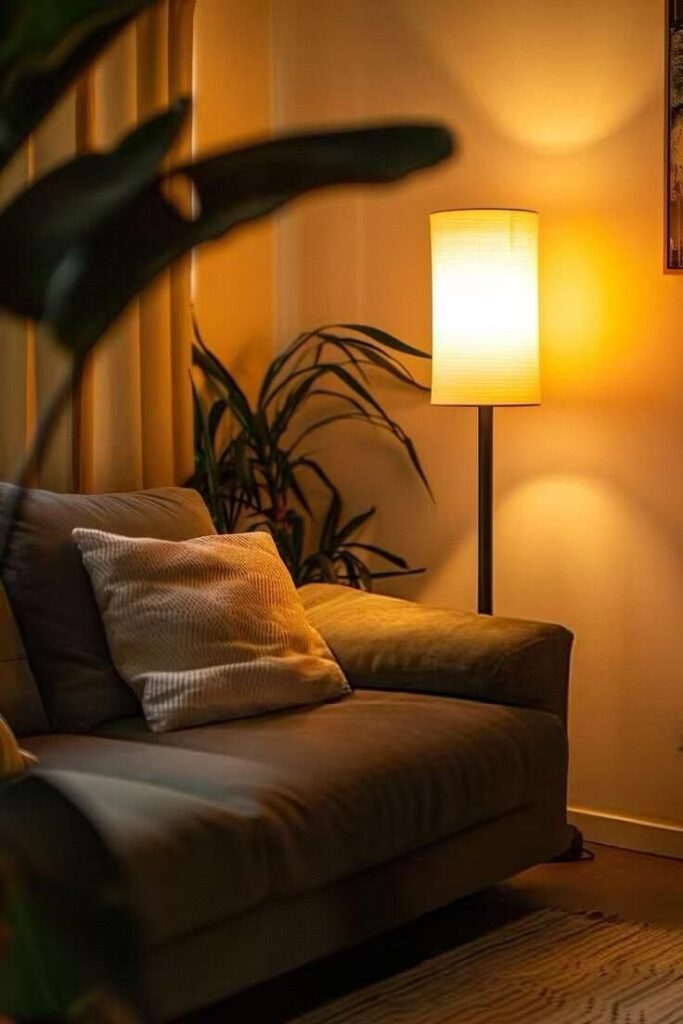
Great lighting is particularly transformative in a small living room — because when the lighting is layered and warm, the room immediately feels more expansive, more atmospheric, and more welcoming, regardless of its actual size. The key is to use multiple light sources at different heights rather than relying on a single overhead light. A floor lamp beside the sofa, a table lamp on the side table, candles on the coffee table, and a dimmable overhead light all working together create warmth and depth that a single overhead fitting simply cannot achieve. Warm bulb temperatures (2700K-3000K) are essential in a small living room — cool white lighting makes spaces feel smaller and less inviting. Warm light always feels like more space.
Your Small Living Room Has So Much More to Give
A small living room is not a problem to be solved — it’s a space to be celebrated, curated, and designed with the kind of intention that larger rooms rarely demand. When every choice is deliberate and every element earns its place, a small living room can be warmer, more personal, and more genuinely beautiful than a space three times its size.
Start with just one idea from this list that resonates with you. Maybe it’s finally pulling the furniture away from the walls, hanging your curtains at ceiling height, or adding a large mirror to the wall opposite your window. Pick one, commit to it, and notice the difference it makes. Then
come back for the next idea. We’d love to see your small living room transformation! Share your before-and-after photos in the comments below, save this post to your Pinterest board for
Keep Exploring
If you enjoyed these small living room design ideas, check out these related guides:
- Long narrow living room design ideas for tricky layouts and galley-style spaces
- Clever narrow living room design ideas with smart space-saving tricks
- Apartment living room design ideas for compact city living


[…] these renter-friendly ideas? Keep exploring with our small living room design ideas, minimalist living room design ideas, and modern living room design ideas for even more ways to […]
[…] Small Living Room Design Ideas […]
[…] charm to discover. Browse our living room decor guides for more cozy styling inspiration — from small-space layouts to seasonal refreshes — and keep building the warm, welcoming room you’ve been picturing. […]
[…] glassware — vertical storage keeps the floor plan open while still giving everything a home. Our small living room design ideas use the same vertical-storage thinking for tight shared […]
[…] Can rustic style work in a small living room? […]
[…] a fun fabric to add a pop of personality, since even a tiny chair can make a big style statement. Small living room ideas that prove limited square footage never means limited […]
[…] does not block light or sightlines. For a full small-space strategy around your two-seater, these small living room design ideas show how to make every centimeter […]